Have You Ever Wondered Where Your Data Goes Before the Bundle Runs Out?
Where does your mobile data go before the bundle runs out? Learn how data is measured, what uses it fastest, and how to make it last.
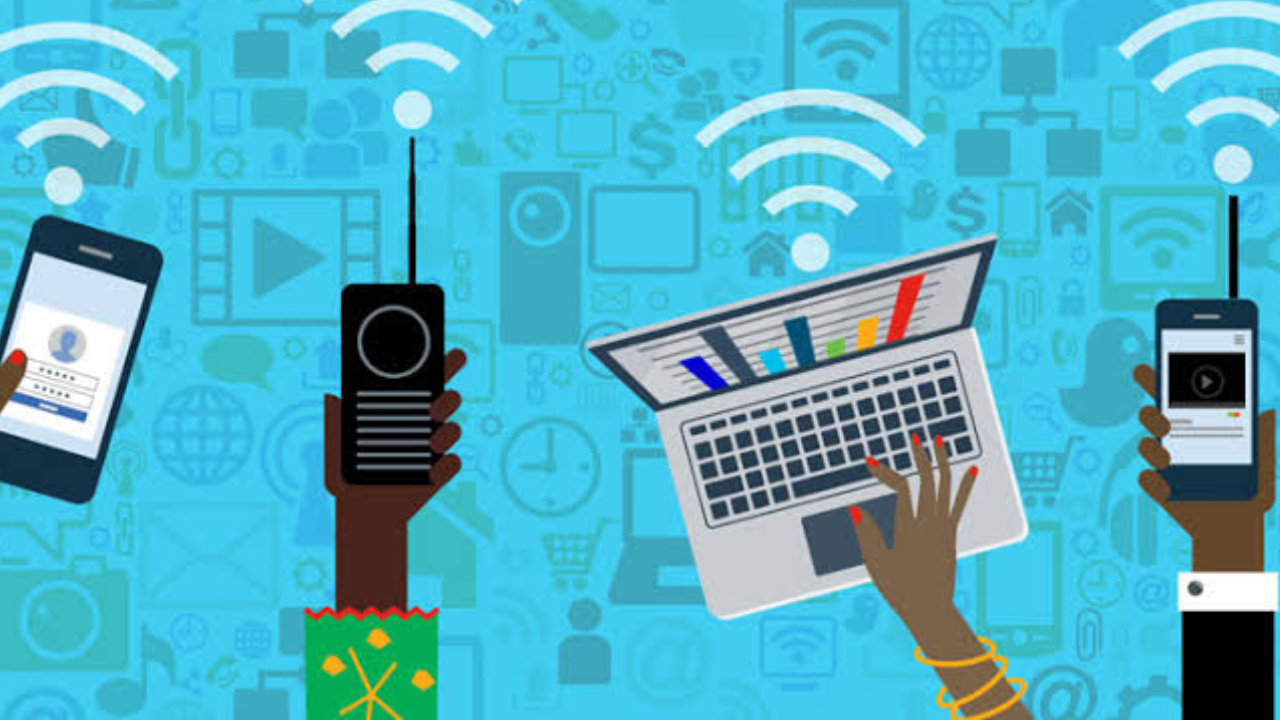
There was a time when going online meant going somewhere. You walked into a cyber café, found an available computer, and paid for an hour or two. The clock started ticking almost immediately.
Whether you spent the time sending emails, chatting with friends, or staring at a webpage that refused to load, your payment was connected to one simple thing: time.
When your time finished, the internet session ended automatically.
Today, things look different. We carry the internet around in our pockets. We buy 1GB, 10GB, or 100GB, receive a message confirming that our bundle is active, and immediately begin scrolling, streaming, downloading, and sharing.
Then, usually when we need the internet the most, another message arrives.
Your data bundle has been exhausted, and suddenly, the obvious question becomes surprisingly difficult to answer: where exactly did all the data go?
Your Data Bundle Is Not the Internet; It Is Your Access Ticket
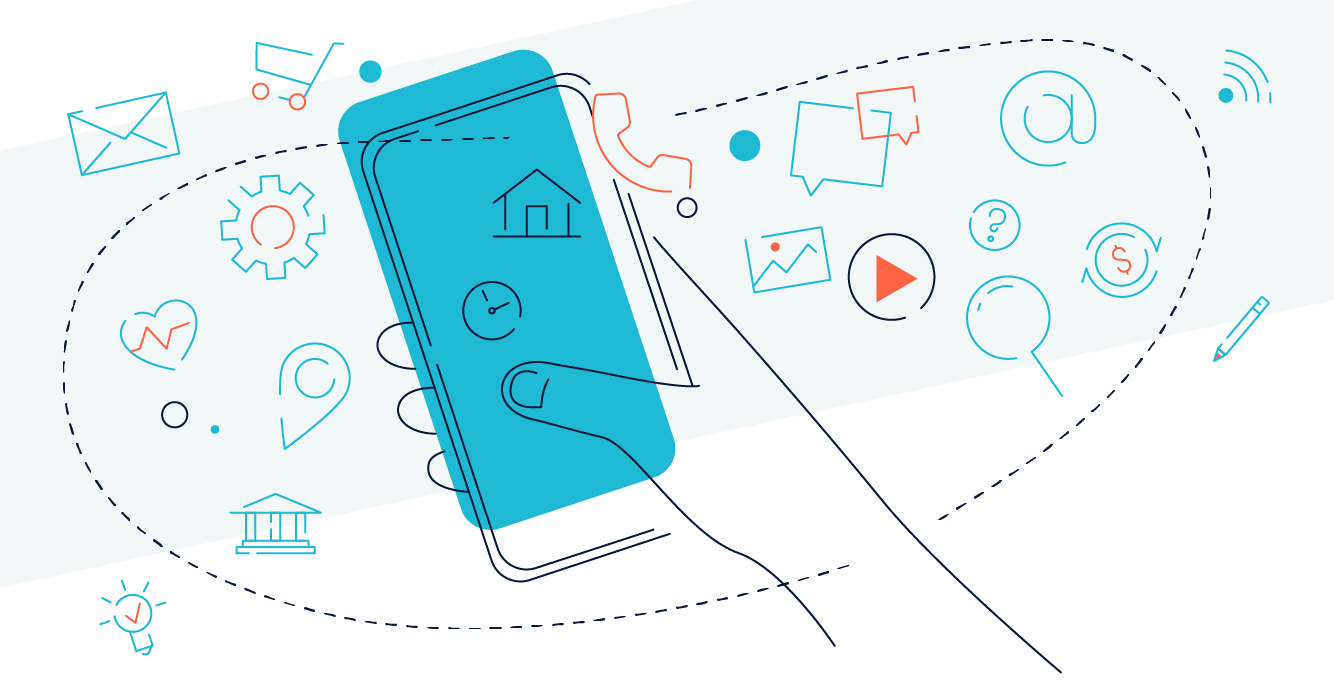
First, it helps to understand what happens when your phone connects to the internet.
The internet is not one giant computer sitting in a secret building somewhere. It is a massive network of computers, servers, cables, routers, and other equipment communicating with one another across the world.
When you open a website, send a WhatsApp message, or watch a video, your phone sends a request through your internet service provider (ISP), often your mobile network operator. The request travels through the network until it reaches the relevant server.
The server then sends information back.
If you open a webpage, information such as text, images, and other files is sent to your device. If you stream a video, your phone continuously receives chunks of video and audio data. If you send a photograph, your device uploads that information from your phone to another server or user.
This movement of information is where your data bundle comes in.
A gigabyte of mobile data is essentially a measured allowance for transferring information through your provider's network. Your service provider tracks the amount of data your connection sends and receives and deducts it from the bundle you purchased.
That is why your network can send you a message saying you have 2GB remaining.
Latest Tech News
Decode Africa's Digital Transformation
From Startups to Fintech Hubs - We Cover It All.
The provider is not checking whether you have physically finished “the internet.” Instead, it is checking how much of your purchased data allowance remains available for your connection.
Think of it as buying access to a measured amount of digital movement.
Every page you load, message you send, video you watch, and file you download requires information to move between your device and somewhere else, and movement costs data.
So, Where Does the Data Actually Go?
The simplest answer is: your data does not disappear into one place. It is used as information moves across the network.
Imagine your data bundle as an allowance attached to your internet connection.

When you open Instagram, your phone communicates with Instagram's servers. Images, videos, comments, and advertisements are transferred to your device. When you scroll, more information is requested and delivered.
That is why social media can consume far more data than it sometimes feels like it should.
A short visit to a website containing mostly text may use relatively little data. But high-quality video, automatic video playback, large images, software updates and cloud backups can consume much more.
Your phone can also use data when you are not actively staring at the screen.
Applications may refresh in the background. Emails may synchronise. Photos may upload to cloud storage. Apps may download updates. Videos may begin playing automatically. A phone that appears to be resting can still be communicating.
This is why someone can confidently say, “But I barely used my phone today,” while their data bundle quietly disagrees.
The quality of what you consume also matters.
Streaming a film in higher resolution generally requires more data than watching the same content in lower resolution because more information must be transferred to create a sharper image. Downloading a large file similarly uses more data than receiving a short text message.
So, strangely, buying data is a little like borrowing time at an old cyber café.
You are not necessarily paying for ownership of the internet. You are paying for a limited opportunity to use the network.
Latest Tech News
Decode Africa's Digital Transformation
From Startups to Fintech Hubs - We Cover It All.
The difference is that the old cyber café counted minutes while your mobile provider counts the amount of information travelling through your connection.
A bundle can end in two ways. It can run out because you used all the data, or it can expire because its validity period ended, even when some data is left.
On MTN, for example, a bundle that runs out before its expiry date suspends your data access until you buy another one. Either way, your mobile session continues only if you buy more data or use another connection.
The meter has reached the end.
Your Data Is Valuable, So Use It Like You Know What It Is Doing
Understanding data usage does not mean becoming afraid of using the internet.
After all, what is the point of buying data if you are going to stare nervously at the remaining balance every five minutes?
But it does help to know what is happening.
Check which apps consume the most data in your phone settings. Disable unnecessary background data where appropriate. Terms vary between operators, so check yours.
On MTN, for example, unused main data rolls over only if you renew before the bundle expires or within the grace period afterwards, and the new plan must be in the same category, so a 1-day plan only rolls over into another 1-day plan. Bonus data does not roll over, and anything unused after the grace period is cleared.
You can also choose between auto-renew and a one-off purchase, so turn off auto-renewal if you do not want surprises.
Consider reducing video quality when high definition is not necessary, especially when streaming for long periods. Wi-Fi can also help reduce the amount of mobile data used, although public Wi-Fi should be used carefully and through trusted networks.
Most importantly, remember that your data bundle is not simply disappearing because you opened your phone.
Every digital action has information moving somewhere.
That WhatsApp photo travelled. That TikTok video arrived in pieces. That software update downloaded files. That Instagram reel kept requesting more content before you even finished watching the previous one.
The internet may feel invisible, but the infrastructure behind it is constantly working.
Latest Tech News
Decode Africa's Digital Transformation
From Startups to Fintech Hubs - We Cover It All.
Perhaps that is why the old cyber café comparison still makes sense. Back then, you could see the computer, the timer, and sometimes the person waiting to tell you that your hour was over.
Today, the timer is hidden. But it is still counting.