₦200 Million Just to Put Up a Campaign Billboard? Is That Regulation or a Barrier to Fair Elections in 2027?
Some Nigerian states charge presidential candidates up to ₦200 million for campaign billboard permits. Does regulation now risk blocking fair competition in 2027?
As Nigeria moves towards the 2027 general elections, the battle for voters’ attention is already taking shape on streets and highways. But for some political candidates, getting a campaign message onto a billboard may require more than a persuasive slogan or a willing advertising company. It may require up to ₦200 million in a single state in permit fees.
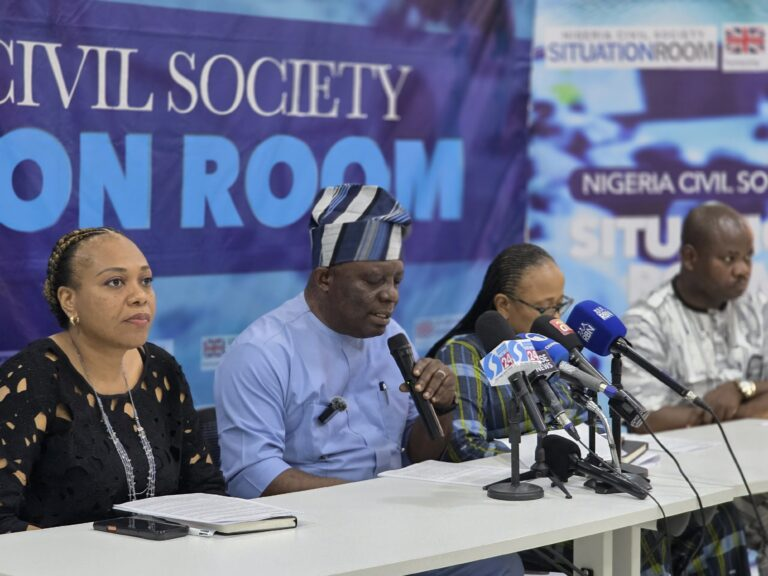
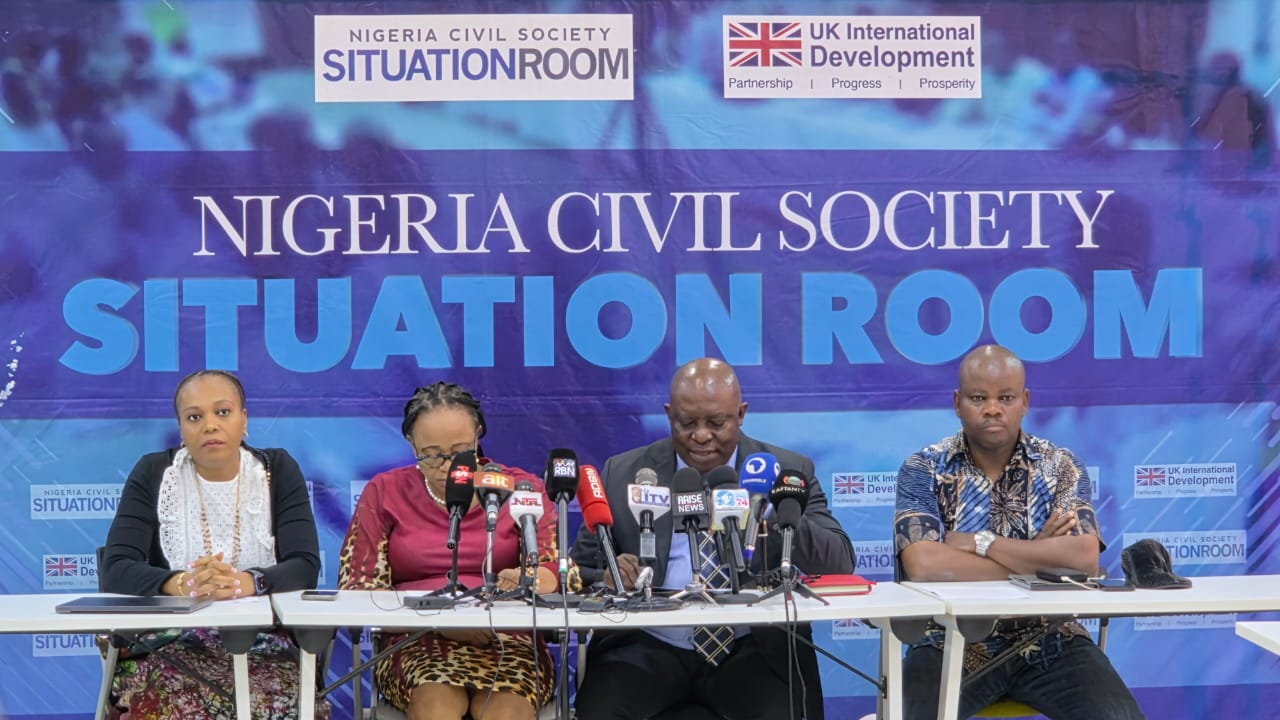
On November 6, 2026, the Nigeria Civil Society Situation Room raised concerns over the cost of political campaign billboard permits in several states. Its report cited charges of ₦200 million for presidential candidates in Abia, ₦150 million in Enugu, Kogi and Cross River, and ₦75 million in Rivers.
The figures have raised an important question: when the cost of public visibility becomes this high, who can realistically afford to compete?
When Campaign Visibility Comes at a Premium
The figures are significant because they concern regulatory charges, not simply the cost of renting advertising space. In July, the Abia State Structure for Signage and Advertisement Agency (ABSSAA) announced a schedule requiring presidential candidates to pay ₦200 million for campaign advertising permits. Governorship candidates were expected to pay ₦150 million, while senatorial candidates faced a ₦100 million charge.
The Out-of-Home Advertising Association of Nigeria criticised the Abia rates, warning that excessive charges could discourage political advertising and affect participation. The Situation Room subsequently highlighted similar concerns across other states, arguing that the fees could restrict opposition parties’ visibility and undermine fair political competition. It also contrasted these permit fees with conventional billboard rentals of ₦200,000 to ₦15 million a month.
There is an important distinction between regulating outdoor advertising and making political communication prohibitively expensive. Governments have legitimate reasons to regulate billboard placement, including public safety, structural standards, environmental concerns, and orderly use of public spaces.
But when the financial requirements become disproportionately high, regulation risks becoming a barrier to participation.
The Difference Between Regulation and Political Advantage
The controversy also exposes the need for transparency in how these charges are determined. On 15 November, the Lagos State Government rejected claims that it had introduced a ₦700 million billboard permit fee.
Commissioner for Information and Strategy Gbenga Omotoso explained that the Lagos State Signage and Advertisement Agency (LASAA) regulates outdoor advertising but does not own or operate billboards. Private operators determine commercial placement rates, while statutory regulatory charges vary according to the structure's size, format, and location.
This clarification matters. A billboard's rental price, production cost, and regulatory permit fee are different expenses. Treating them as interchangeable can distort public understanding of what candidates are actually being charged.
However, the wider concern remains: are campaign advertising rules transparent, proportionate, and consistently applied? If political parties cannot easily understand the requirements or challenge unreasonable charges, the system can create unequal conditions.
The problem becomes more serious if candidates are denied access to advertising locations, or campaign materials are removed selectively.
Nigeria’s Electoral Act 2026 sets maximum campaign expenditure limits, including ₦10 billion for presidential candidates and ₦3 billion for governorship candidates. These ceilings regulate how much candidates may spend; they do not establish that every additional state-imposed charge is reasonable or affordable. Nor do they guarantee that candidates have equal access to campaign platforms.
To put that in perspective, if Abia’s ₦200 million applied in all 36 states and the FCT, permits alone would cost ₦7.4 billion, or 74 per cent of the presidential cap, before a single rally or jingle is paid for.
Fair Elections Require More Than a Ballot
A credible election depends on more than the ability to cast a vote. Voters must also have reasonable opportunities to hear from candidates, compare their proposals, and make informed decisions. When access to prominent advertising spaces depends heavily on financial strength, wealthy candidates and parties may enjoy greater visibility than competitors with fewer resources.
Billboards are not the only route to voters. Campaigns can use radio, television, community meetings, social media and door-to-door mobilisation. Yet these alternatives also have costs, and they do not necessarily offer the same reach in every community. For candidates with limited funding, expensive advertising requirements can narrow an already difficult path to public recognition.
State governments should publish clear fee schedules, explain how charges are calculated, and ensure that permit applications are processed without political discrimination. Regulatory fees should reflect legitimate administrative and safety requirements, not become financial obstacles to political participation. Independent oversight should also be available where parties believe the rules are being applied unfairly.
The question is not whether political advertising should be regulated. It should. The question is whether regulation protects public spaces while preserving fair access to political expression. In a democracy, the right to seek public office should not depend on who can afford the most expensive billboard.