INEC Wants Nigerians to Trust Its Technology Again. Is a Mock Election Enough?
INEC’s November 28 mock election will test BVAS and IReV upgrades, but can improved technology restore public trust ahead of Nigeria’s 2027 elections?

The Independent National Electoral Commission (INEC) wants Nigerians to trust its electoral technology again. On November 28, the commission will conduct a nationwide mock accreditation and voting exercise to test upgrades to its Bimodal Voter Accreditation System (BVAS) and electronic results transmission ahead of the 2027 general elections.
It is an important test, but also an awkward request. INEC is asking voters to place confidence in systems associated with one of the most disputed parts of the 2023 elections.
For many Nigerians, the problem was not simply that technology failed. A process presented as a safeguard for transparency did not deliver the visibility and reassurance voters had been promised.
The memory of 2023 is still part of the problem
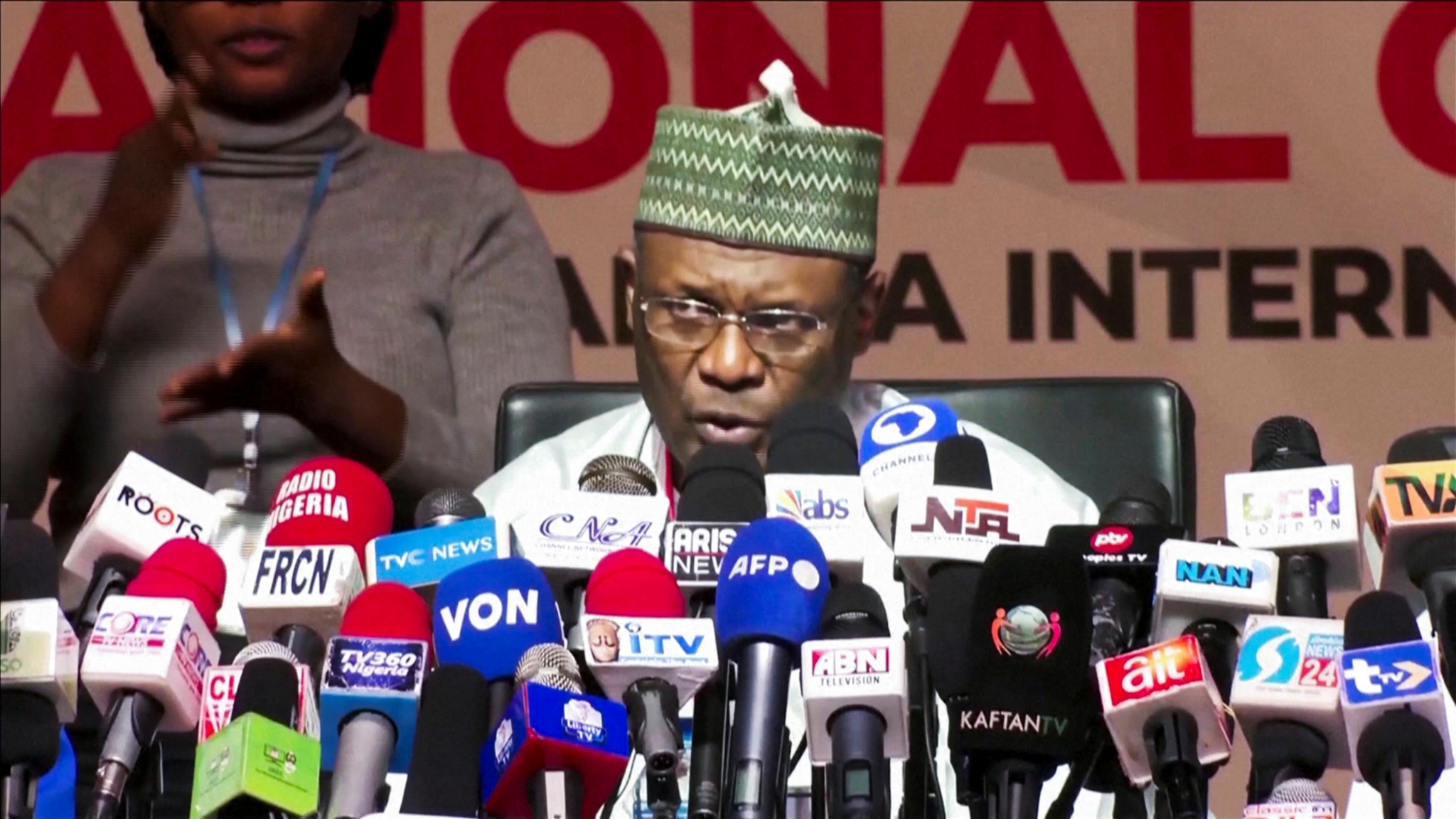
During the 2023 presidential election, INEC’s Result Viewing Portal (IReV), expected to display polling-unit result sheets, experienced technical problems that delayed uploads. The commission later attributed the failure to a configuration problem affecting presidential result uploads.
A fix was deployed, but a backlog, high traffic, and the need for presiding officers to keep BVAS devices switched on and connected to the internet contributed to further delays.
The distinction matters. IReV lets the public view polling-unit result sheets; it is not the platform through which the final presidential result is formally collated and declared. But that distinction did little to address public concern. When voters could not promptly see the documents they had been promised, questions about transparency intensified.
INEC Chairman Joash Amupitan says the commission’s post-election review identified collation centres, rather than polling units, as the main source of result-management problems. He also acknowledged that inaccurate results and figures indicating over-voting had appeared on IReV.
INEC says it has introduced safeguards to prevent such results from being uploaded. The question is how Nigerians will know they are working.
A mock election must be more than a demonstration
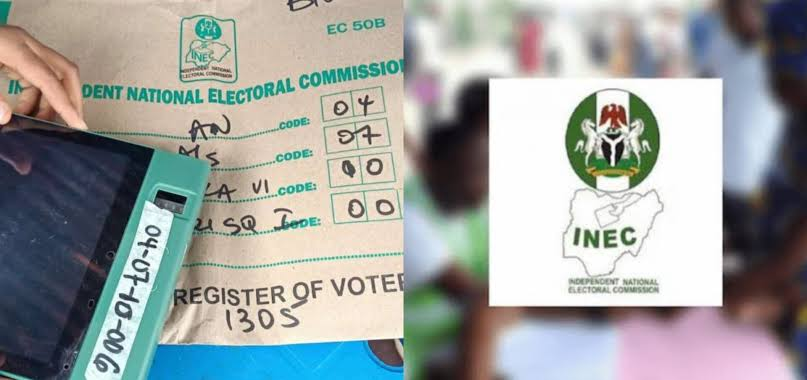
INEC says it has procured additional BVAS devices and reduced the maximum number of registered voters assigned to each machine from 1,250 to 850. Polling units above that threshold are expected to receive additional devices. The commission is also constructing climate-controlled storage facilities to address malfunctions previously linked to extreme heat and storage conditions.
These are practical changes. But the November 28 exercise should test more than whether a device can recognise a voter. It should reveal whether the full process works under realistic conditions: accreditation, voting, result recording, electronic transmission and public access.
Nigerians should watch whether the exercise covers different locations and network conditions, whether results are uploaded promptly, and whether IReV figures match polling-unit result sheets.
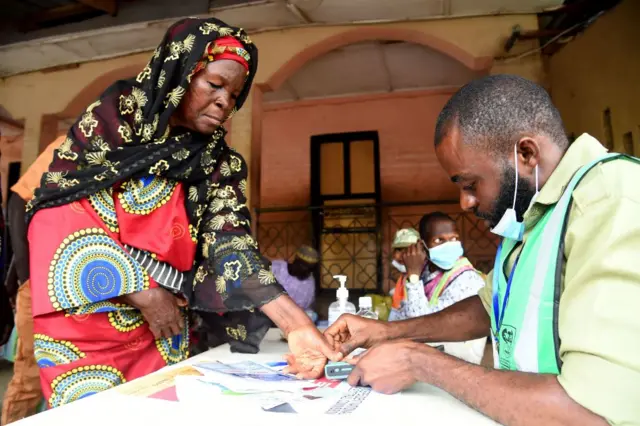
Independent observers, civil society organisations, political parties and journalists should be able to scrutinise the process. A test whose outcomes are announced only by the institution conducting it will do little to build confidence.
Electronic transmission alone cannot guarantee a credible election. Technology can help detect inconsistencies, preserve records and make results easier to inspect.
It cannot prevent human interference, intimidation, poor training, logistical failure or manipulation during collation. Nor can a portal establish trust if citizens cannot understand how discrepancies are handled or who is held responsible.
INEC’s decision to upgrade existing systems rather than introduce entirely new technology may be understandable given the limited time before the 2027 polls. But the commission must make those upgrades verifiable.
It should publish information about the mock exercise, explain its performance standards, disclose failures as well as successes, and state how problems will be corrected before election day.
The November 28 exercise is an opportunity, not a verdict. A successful demonstration would be encouraging, but it would not erase 2023 or settle every concern about the next election. Trust is built when institutions show evidence, accept scrutiny, and take responsibility when things go wrong.
INEC may prove that its technology is better prepared for 2027. The harder task is proving that the electoral process around it can be trusted. Nigerians should not be asked to believe that because a machine works, an election will be credible. They should be given evidence to judge that for themselves.
