From Cement to Electric Trucks: What Aliko Dangote Has Built, Sold, and Walked Away From
From cement and oil refining to fertiliser, food production and electric trucks, explore the businesses under Aliko Dangote’s expanding empire and the ventures that struggled.
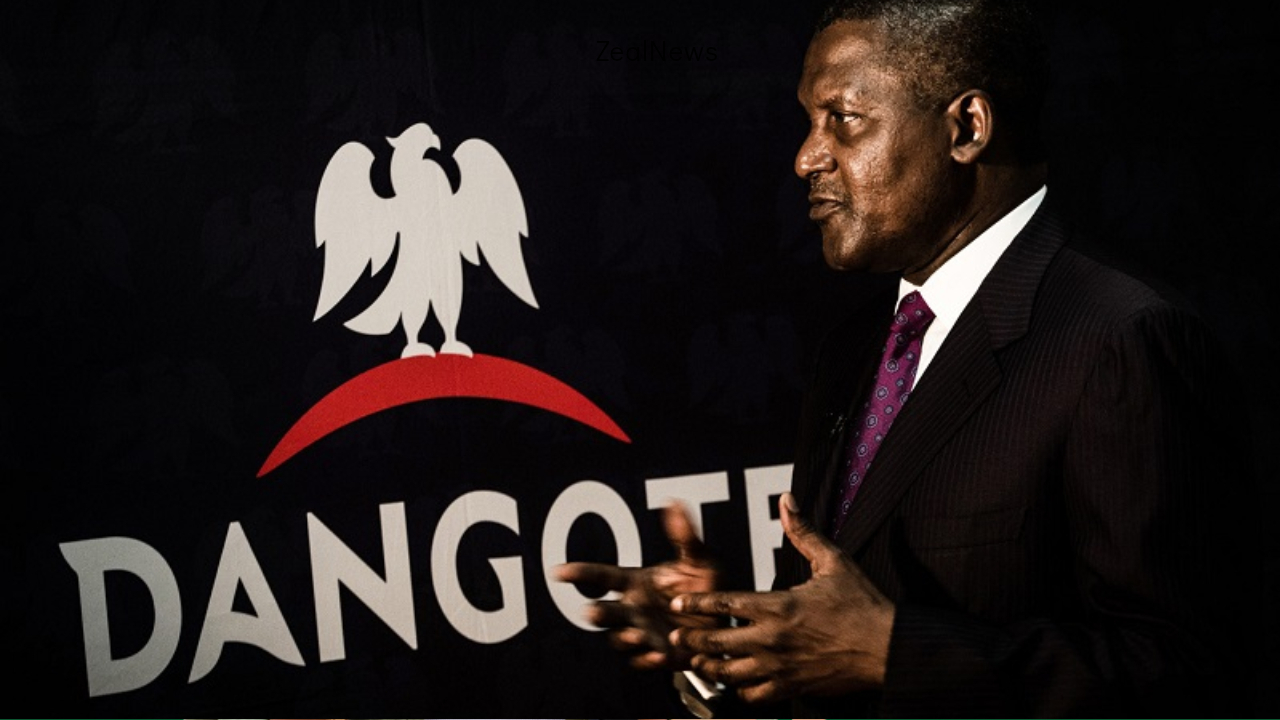
Aliko Dangote’s latest move into electric commercial vehicles adds another industry to a business empire built around manufacturing, infrastructure, and essential consumer products.
On 15 November 2026, Dangote Sinotruk West Africa Limited unveiled what it describes as Nigeria’s first locally assembled electric heavy-duty truck at its Ikeja, Lagos facility.
The lead model is a 6×4 electric tractor head with a 600kWh battery, a 375kW motor, and a range of about 350 kilometres. Sinotruk called it the first new-energy truck assembled on the African continent.
While the headlines are talking about Dangote’s expansion into commercial electric vehicles, the electric truck is only one part of the group’s wider business interests.
Founded in 1981, theDangote Group has expanded from commodity trading into several industries, with operations across multiple African countries. Here are some of the businesses that make up its portfolio.
The businesses under the Dangote Group
Cement: Through Dangote Cement, the group operates one of Africa’s largest cement manufacturing businesses, with production facilities across the continent.
Oil and gas: The Dangote Petroleum Refinery, with a stated capacity of 700,000 barrels per day, is a major part of the group’s oil and gas operations, alongside its petrochemical and upstream interests.
The refinery has also moved towards public ownership, recently opening its share sale to investors. A $14.3 billion expansion aims to raise capacity to 1.4 million barrels per day by 2029, with allotment expected ahead of its planned listing on the Nigerian Exchange (NGX).
Fertiliser: Dangote Fertiliser operates a major urea production complex in Lagos, supplying agricultural markets locally and internationally.
Sugar, salt and food: Dangote Sugar Refinery, NASCON (salt and seasonings), and its agricultural and rice-related investments extend the group’s presence in food production and processing.
Automotive: Dangote Sinotruk assembles heavy-duty trucks, tippers, light trucks, pickups and buses, and now offers electric heavy-duty trucks alongside that range, while developing local technical and manufacturing capacity.
Packaging, logistics and infrastructure: The group also operates packaging businesses, logistics and distribution operations, energy facilities and infrastructure projects supporting its industrial activities. Its wider portfolio includes real estate and mining-related operations.
Businesses that did not go as planned
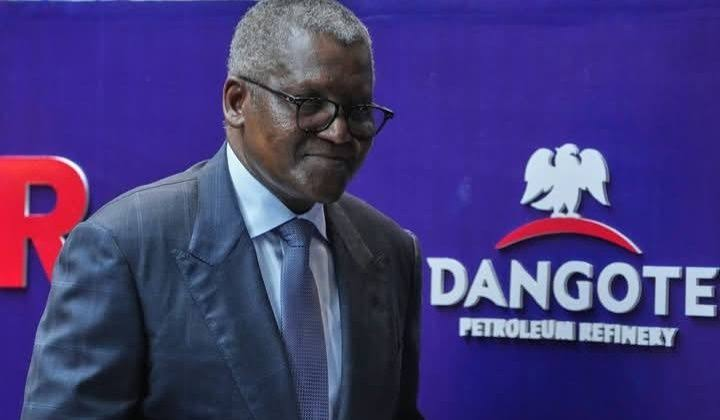
Dangote’s expansion has not been without setbacks. His earlier investments in textiles struggled against cheap imports, unreliable electricity, and high operating costs. He has called textiles his biggest business mistake.
The group also exited the flour business. Dangote Flour Mills was acquired by Olam in 2019 for approximately ₦120 billion, following an earlier period when Dangote had sold and subsequently reacquired a controlling stake.
Another difficult venture was the Dangote Tomato Processing Plant in Kano, which faced inadequate supplies of fresh tomatoes and operating challenges. Also, his telecoms ambitions did not result in a functioning mobile network
These were different outcomes: business closures, divestments, and an unrealised project, not necessarily identical examples of commercial failure.
Conclusion
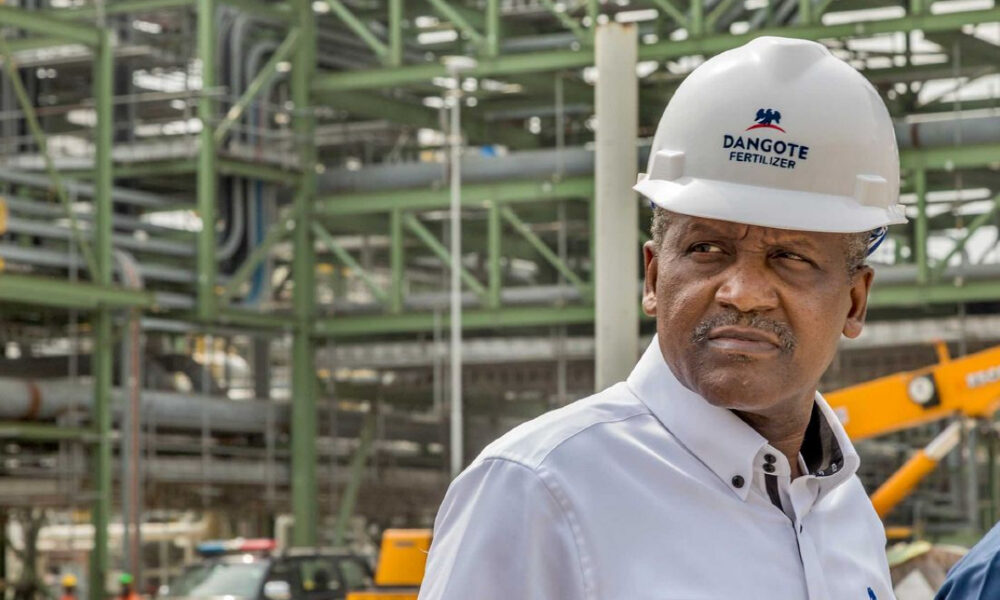
From cement and fertiliser to refining, food production and electric vehicles, Dangote’s business strategy has largely centred on manufacturing and local value creation by the group’s own account
Not every investment has succeeded, but the group’s continued expansion shows how its interests have evolved beyond commodity trading. The electric truck is another test of that ambition, with its long-term success depending on production capacity, affordability, charging infrastructure and market adoption.