The Side-Hustle Pandemic: Survival Disguised as Entrepreneurship
The side-hustle economy is often celebrated as entrepreneurship, but for many workers, multiple income streams are becoming a necessity rather than a choice. What does this reveal about the economy, wages, and the cost of living?
By 4 p.m., Amaka has officially finished work. She is a banker, which means her day has already involved figures, customers, targets, meetings, and the quiet pressure of knowing that tomorrow will bring another version of the same thing.
But by the time she leaves the office, her working day is not actually over. She goes home, changes clothes and becomes something else: a micro fashion designer making clothes for clients while occasionally trying to position herself as a financial consultant, taking on small jobs whenever they come.
It is not because Amaka particularly enjoys the pressure. She does not wake up excited about having three different deadlines competing for her attention. She is not chasing the thrill of giving financial advice after spending eight hours working at a bank, nor does she necessarily dream of answering fashion clients' messages late at night.
She is doing it because one source of income no longer feels like enough to survive the economy she happens to be an adult in, and this is the part of adulthood nobody explained properly.
She once wished to grow up. Now that she has, she is discovering that adulthood comes with bills that do not care how tired she is.
When Survival Starts Looking Like Entrepreneurship
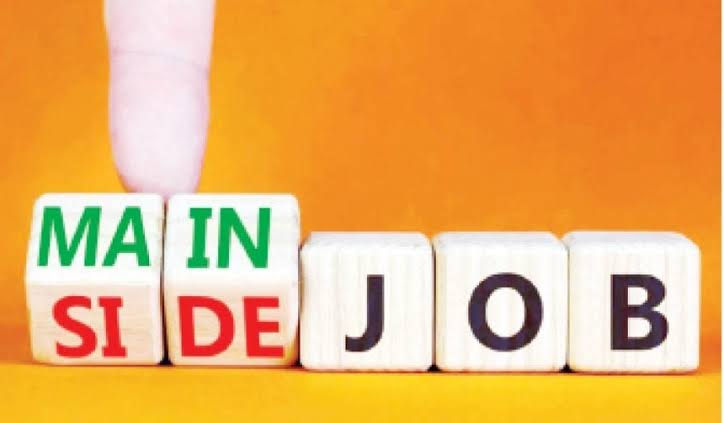
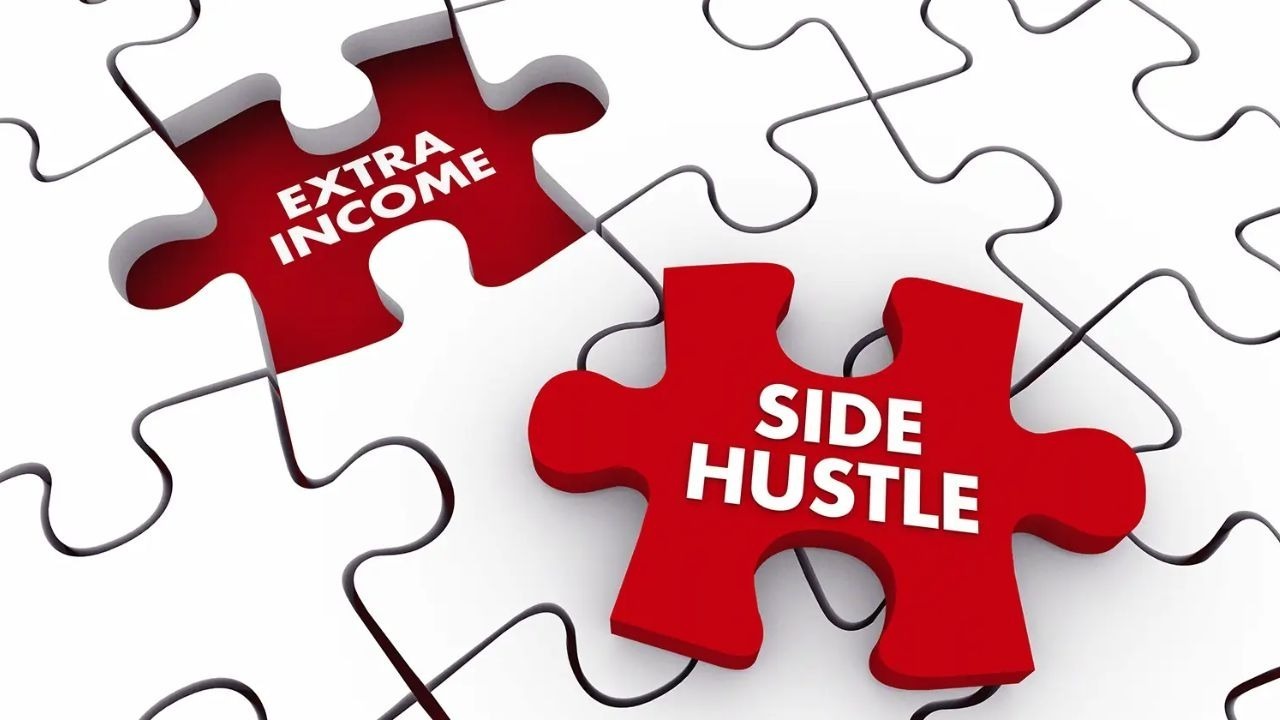
We have become very comfortable calling everything a side hustle. Someone works a 9-to-5 and sells clothes online. Another person works remotely for one company while freelancing for two others.
Someone is a teacher during the day and runs a food business at night. Another person works in finance but spends weekends designing graphics, writing articles, or managing social media accounts.
The language around this has become almost celebratory. We call them ambitious. We call them hardworking. We call them entrepreneurs. We praise their ability to “have multiple streams of income” and tell younger people that they should never depend on one salary.
Some of that advice is sensible. Entrepreneurship, in its proper sense, involves identifying opportunities, creating value, taking calculated risks and organising resources to build something that can generate income.
It can involve carrying multiple responsibilities, especially in the early stages of building a business. A person can genuinely be both an employee and an entrepreneur.
But there is a difference between choosing entrepreneurship and being economically forced into multiple income streams.
That difference matters. When someone starts a business because they have identified a market opportunity, that is entrepreneurship. When someone starts selling whatever they can because their salary cannot comfortably cover rent, food, transportation, family obligations and other expenses, calling the situation entrepreneurship may be flattering, but it does not tell the whole story.
The side-hustle pandemic sits somewhere in that uncomfortable space. It contains genuine entrepreneurs, ambitious people building businesses, and professionals deliberately diversifying their income. But it also contains exhausted workers who have simply discovered that one job does not pay enough.
The Economy Has Made Being Tired Look Productive
Economic changes and technology have made the side hustle easier to create. A person can work from home for one employer and take freelance projects from another. Social media allows someone to sell clothes without renting a shop.
Digital payment platforms make it easier to receive money. Online marketplaces make it possible to find customers beyond one's immediate neighbourhood.
The same technology that has created new opportunities has also created a culture in which there is almost always another way to make money, and sometimes, another way to make money is exactly what someone needs.
But what happens when having another job stops being an opportunity and becomes an expectation?
A person working three jobs while another person cannot find one job at all tells us something uncomfortable about the labour market. It suggests that employment is not necessarily distributed according to how much work people are willing to do, while those who are employed increasingly feel pressure to extract more income from the limited hours they have.
The result is a peculiar contradiction. We celebrate people for being busy while rarely asking why they have to be this busy.

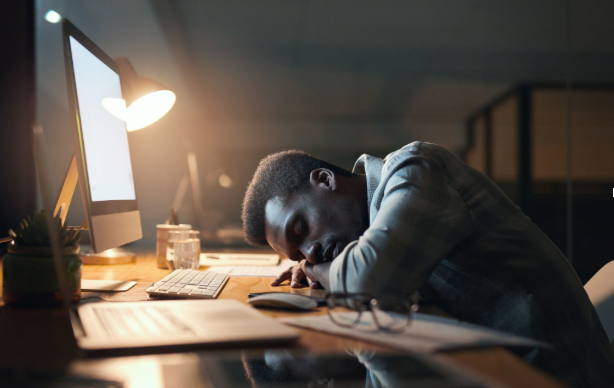
A person who works from morning until midnight can easily be described as disciplined. But maybe they are also exhausted. Someone who has three sources of income may look financially savvy on Instagram, while privately wondering when they will have enough time to sleep, see their family, read a book, take a walk, or simply do nothing.
Rest has gradually become something people feel guilty about. Even survival is now being marketed as productivity.
You are not struggling; you are “building multiple income streams.” You are not exhausted; you are “grinding.” You are not working three jobs because one cannot sustain you; you are “diversifying.”
There is nothing inherently wrong with ambition. The problem begins when economic pressure is repackaged as personal failure if you do not keep hustling.
What the Side-Hustle Pandemic Is Really Telling Us

Perhaps the most revealing part of the side-hustle pandemic is not that people want more money. It is why so many people feel they need more money.
Some people are genuinely underpaid. Others earn what appears to be a reasonable salary but have expenses that consume it almost immediately. There are family responsibilities, rent, transportation, healthcare, education and the increasingly familiar reality of black tax, where working people support relatives and extended family members because the economic burden extends beyond the individual.
There is also another uncomfortable part of the conversation: lifestyle, not every financial struggle is caused by inadequate income. Some people spend beyond their means, take on unnecessary debt, or maintain lifestyles designed for an income they no longer have. A larger salary can disappear just as quickly when spending expands to meet it.
That reality should not be ignored, but neither should it become an excuse to pretend that everyone working two or three jobs simply lacks financial discipline.
There are people genuinely trying to make ends meet. People trying to build a better life. People trying to save, support their families, pay their bills and perhaps afford a few things that make life enjoyable.
The problem is that survival has become so normal that we have started mistaking it for success.
The side-hustle pandemic is therefore revealing something larger than a generation of ambitious people. It is revealing an economy where one income can increasingly feel inadequate, where workers are expected to continuously monetise their skills and spare time, and where policies and economic conditions have not always created enough room for ordinary people to breathe.
Maybe the goal should not be to convince everyone to find a second job, and maybe we should eventually build an economy where a person can work one decent job and still afford a decent life.
Because there should be more to adulthood than waking up, going to work, finding another way to make money, paying bills, and starting the next morning again. There is more to life than trying to survive it.