Criticised, Condemned, but Not Defeated: 7 Nigerian Authors Whose Books Outlived the Backlash
Some Nigerian books were condemned, challenged or even banned. But did the backlash stop people from reading them? Meet seven authors whose works stood their ground.
Who gets to decide what Nigerians read? It's an old fight, and it's still going.
Nigeria has produced generations of talented writers whose books have entertained, challenged and sometimes unsettled readers.
Some of these works have faced harsh criticism, public condemnation and even attempts to keep them away from readers.
Yet, the backlash did not always get the last word. Here are seven Nigerian authors whose books continued to find their place despite the opposition.
1. Sarah Ladipo Manyika – In Dependence (2008)
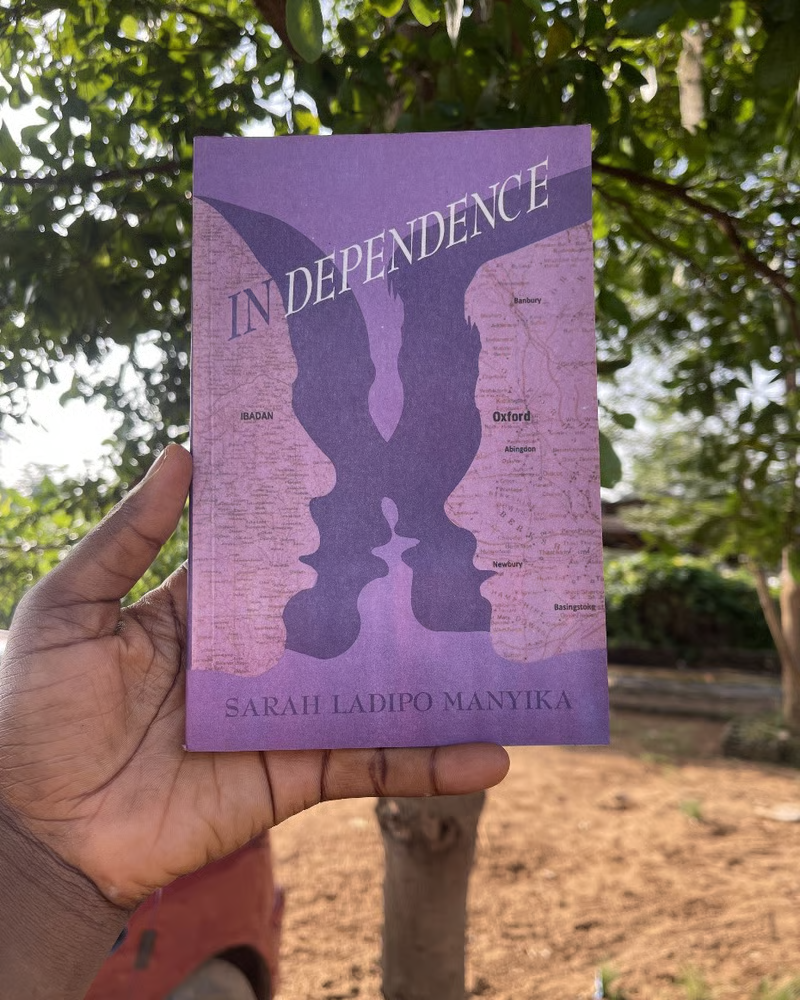
If you wrote JAMB in 2017 or 2018, you probably remember this one. It was the novel UTME candidates had to read for Use of English.
It follows Tayo, a young Nigerian who falls in love with Vanessa, a British woman, while studying at Oxford in the 1960s. Their relationship runs over several decades, with racism, family pressure and political change in Nigeria in the background.
In August 2017, the Parent-Teacher Association of Crescent Schools in Lagos petitioned JAMB, NECO and the Federal Ministry of Education. They said the book and two others were not suitable for young readers.
The National Assembly asked for the titles to be withdrawn, and JAMB said it had asked literary assessors to look at passages seen as graphic or immoral.
This was milder than a ban, but In Dependence remained a published work, with a readership beyond the examination candidates who encountered it.
Its selection for JAMB had also introduced it to thousands of young Nigerians who might not otherwise have picked it up.
2. Wole Soyinka – The Man Died (1972)
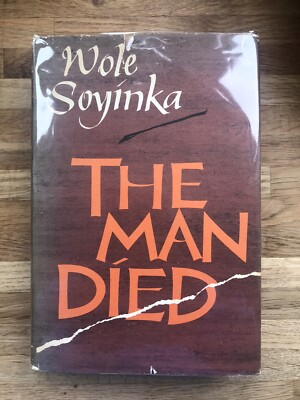
Wole Soyinka's The Man Died grew out of his experience during the Nigerian Civil War.
He was arrested in 1967 after trying to mediate between the Nigerian government and Biafran authorities. He spent 22 months in detention without trial.
The Man Died is built from his prison notes. It records what he went through and what he thought of the government that put him there. A government that has just locked up a writer is not going to be happy to see him publish an account of it, and the book was banned.
The ban didn't bury it. Today it is one of his best-known prose works, and one of the most important accounts of what happens when political power turns on its critics.
3. Hausa Romance Writers – Littattafan Soyayya
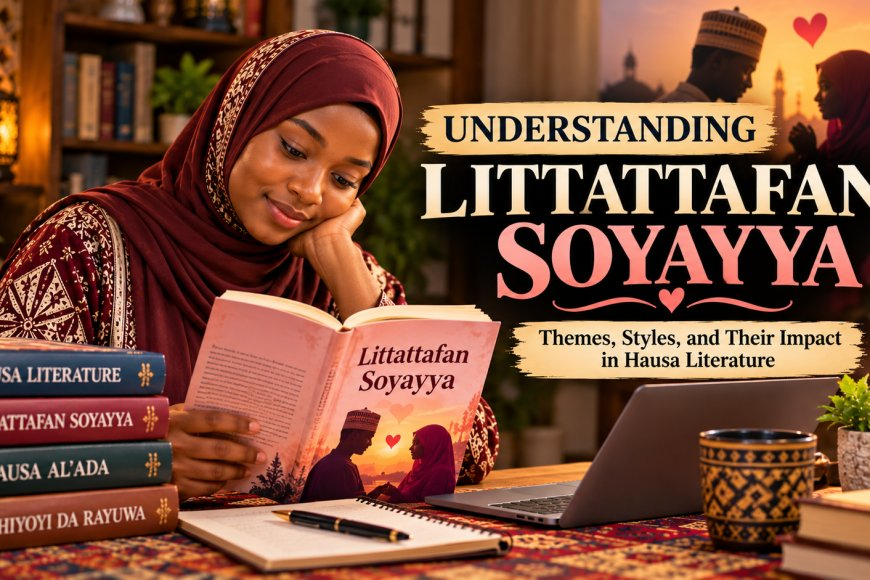

In this case the target was a whole genre, not one author.
Littattafan Soyayya means "books of love." These novels became popular in Northern Nigeria from the late 1980s through the 1990s. They were about romance, marriage, family life and women's experiences, and many of their readers were young women.
Conservative groups and authorities thought some of the stories were immoral and bad for society.
In 2007, the Kano State government's A Daidaita Sahu agency burned thousands of books and films at a girls' school. Hausa romance novels were among them. Writers like Balaraba Ramat Yakubu, Anty Bilkin Funtua, Ado Ahmad Gidan Dabino and Hadiza Sani Garba were affected by the campaign.
The authorities also wanted tighter control over how books were published and sold. The writers took the state government to court. According to research on book censorship in Nigeria, the case was settled out of court and the censorship drive slowed down afterwards.
Hausa romance writing carried on, and it remains an important part of Northern Nigeria's popular literature.
4. Jude Dibia – Walking with Shadows (2005)
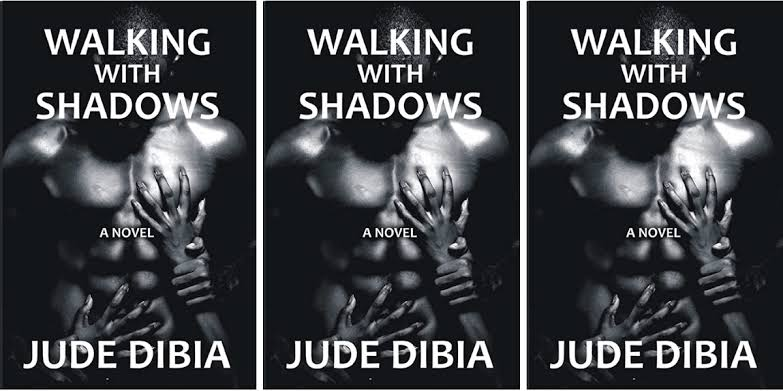
Dibia backlash started before the book was even out. It tells the story of Ebele Njoku, a married father who has to accept that he is gay. Some publishers rejected it. Others reportedly wanted a different ending, where the main character gives up his sexuality or dies.
Dibia kept his ending, and the book came out in 2005. In a 2025 interview with The Guardian, he said he was insulted, lost friends and was shut out of literary spaces because of it.
The novel was later republished and adapted into a film in 2019. People now see it as an important early work of Nigerian queer literature, especially because its gay character is written as a full person.
5. Cyprian Ekwensi – Jagua Nana (1961)
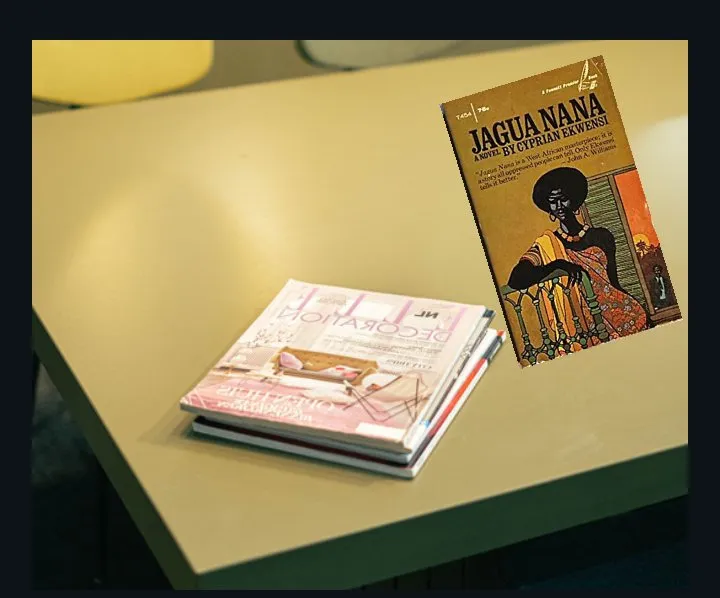
Jagua was not the kind of woman conservative readers expected to meet in Nigerian fiction. She is a middle-aged Lagos sex worker who loves money, nice clothes and men. Through her, Ekwensi looked at sex, ambition and the changing life of Lagos after independence.
Religious groups and women's organisations condemned the book over its sexual content. Some schools banned it. When a film adaptation was proposed, it was debated in Parliament and rejected.
And yet people kept reading. Jagua Nana became Ekwensi's most popular book and won the 1968 Dag Hammarskjöld Prize in Literature. He even brought the character back in Jagua Nana's Daughter in 1986.
6. Chinua Achebe – Things Fall Apart (1958)
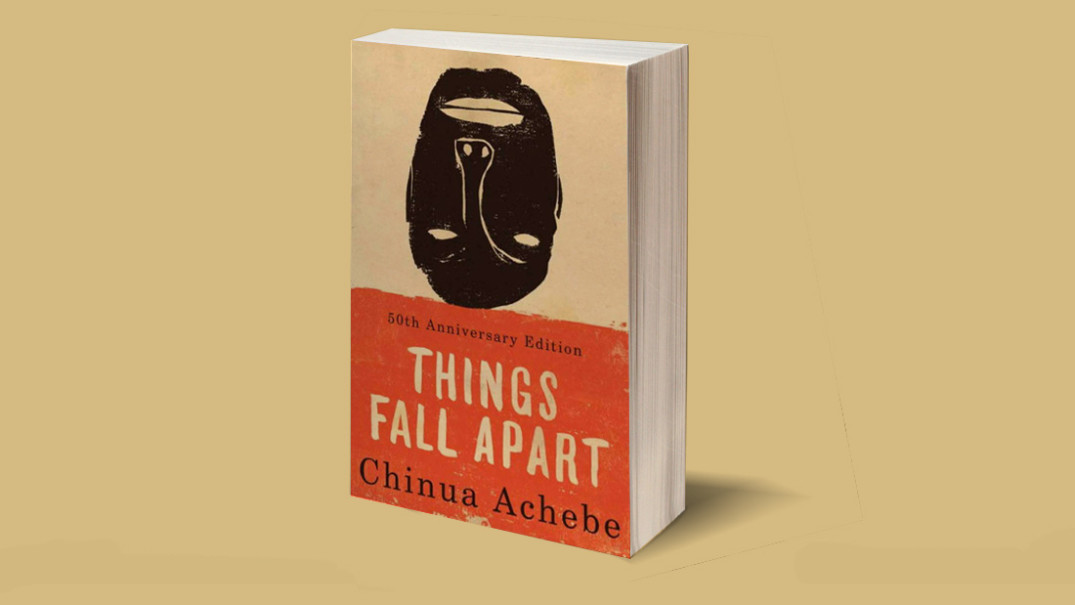
Chinua Achebe's Things Fall Apart is read across the world, but its reputation has not stopped it from facing challenges. The novel follows Okonkwo, a respected man in an Igbo community whose life changes as British colonial rule and Christian missionaries begin to transform his society.
Its treatment of colonialism, religion, violence and traditional African society has made it a subject of debate. The book was banned in Malaysia, and in 2012 it was challenged at a school in Texas, United States, over its content. The Texas challenge did not result in its removal from the school's reading list.
Today, Things Fall Apart remains one of the most widely read African novels. It has been translated into numerous languages and continues to feature in literature courses around the world.
7. Chimamanda Ngozi Adichie – Half of a Yellow Sun (2006)
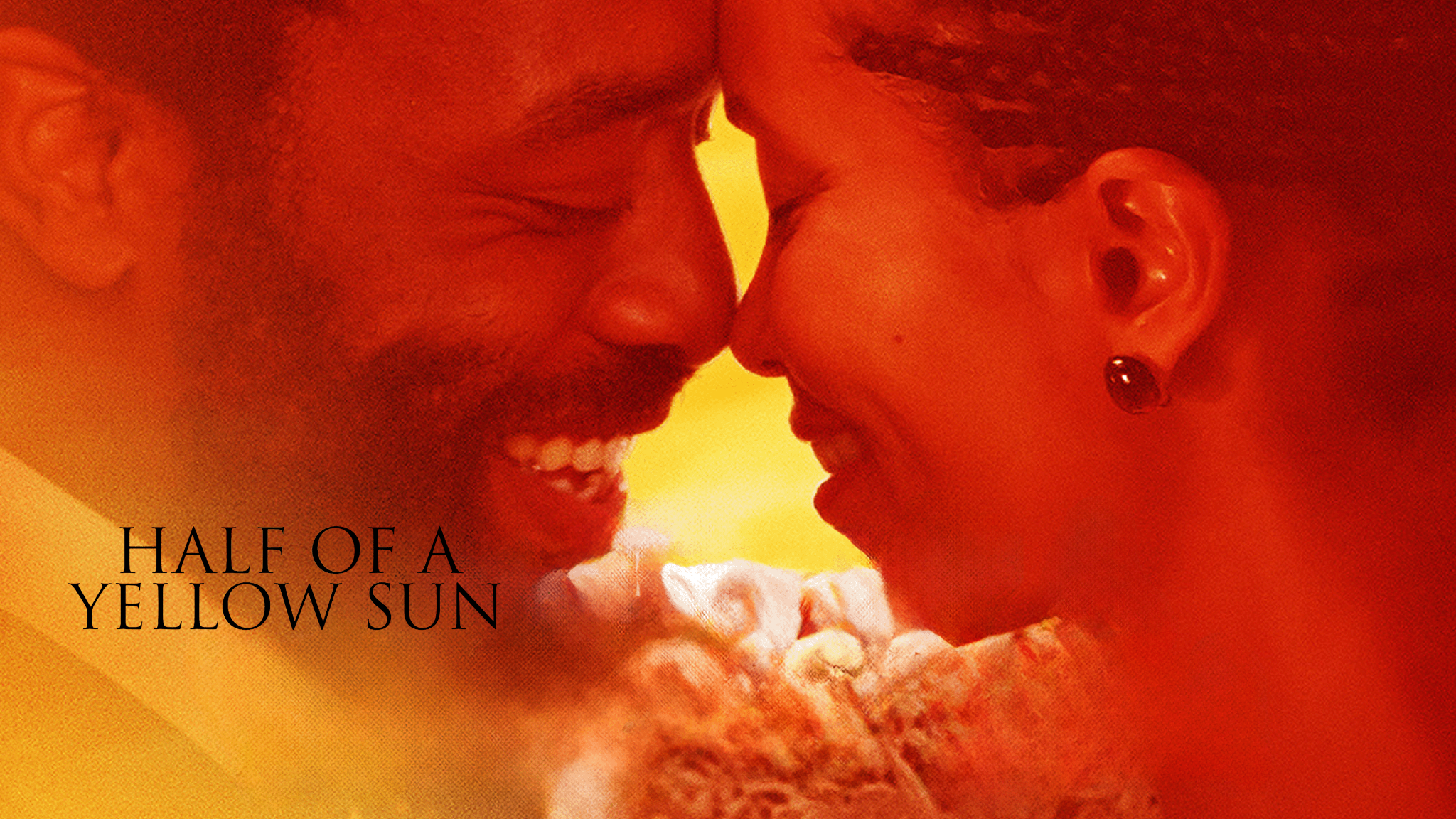
Chimamanda Ngozi Adichie's Half of a Yellow Sun tells the story of the Nigerian Civil War through the lives of twin sisters Olanna and Kainene, and Ugwu, a young houseboy whose life is changed by the conflict.
The novel explores the Biafran War, political divisions, violence and the experiences of ordinary people caught in the fighting. In 2022, it was challenged and removed from a high-school reading list in Michigan, United States. PEN America documented the incident as part of its reporting on book censorship in American schools.
The challenge did not affect the novel's wider circulation. It had already won the 2007 Orange Prize for Fiction and was adapted into a film released in 2013.
It remains one of Adichie's best-known works.
The backlash became part of these books' histories, but it did not get to write their endings.