West Africa Moves to Create Its Own Fuel Price Benchmark
West Africa wants to stop importing its fuel prices. With Dangote Refinery changing the region’s fuel supply, could Africa finally set its own petroleum prices?
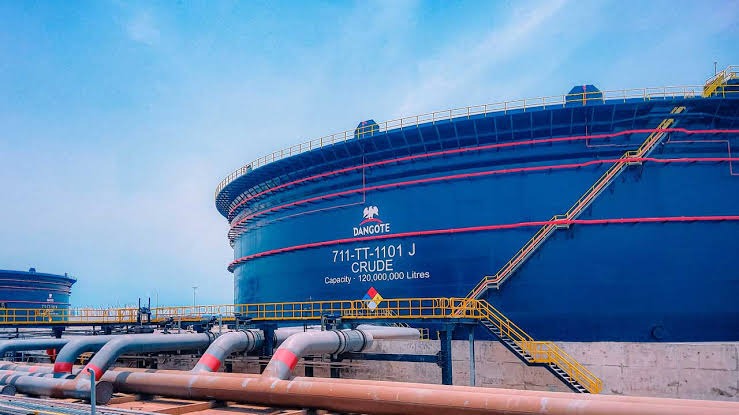
West Africa is stepping up efforts to develop a regional petroleum pricing benchmark, in a move that could reduce the region's long-standing dependence on fuel price signals determined outside Africa.
The push is gaining momentum as the 650,000-barrel-per-day Dangote refinery increases fuel production within the region and changes traditional supply patterns.
Nigerian policymakers believe that if West Africa can build deeper fuel trading networks, reliable market data and sufficient infrastructure, the region could eventually determine the value of its own refined petroleum products.
Such a benchmark could also make regional fuel prices more transparent, strengthen local trade and give African producers greater influence over the value of products sold within the continent.
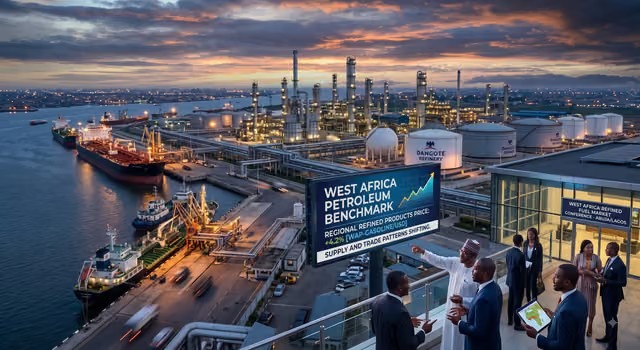
Why West Africa Wants Its Own Fuel Benchmark
For decades, West Africa has faced a major contradiction: the region produces large quantities of crude oil but has depended heavily on imported refined fuel.
As a result, fuel prices across the region have often been influenced by international trading centres outside Africa.
Nigeria now wants to change that model by creating conditions where fuel produced and consumed within West Africa can be priced according to regional market conditions.
At the West Africa Refined Fuel Market Conference in Abuja, Olu Verheijen, Special Adviser on Energy to President Bola Tinubu, said the region should aim for a situation where petroleum products refined in West Africa do not have to leave the continent before their value can be determined by the market.
However, establishing a benchmark will require more than simply announcing a new reference price.
The authorities say there must be real transactions, reliable pricing data, enough market liquidity and trusted institutions supporting the system.
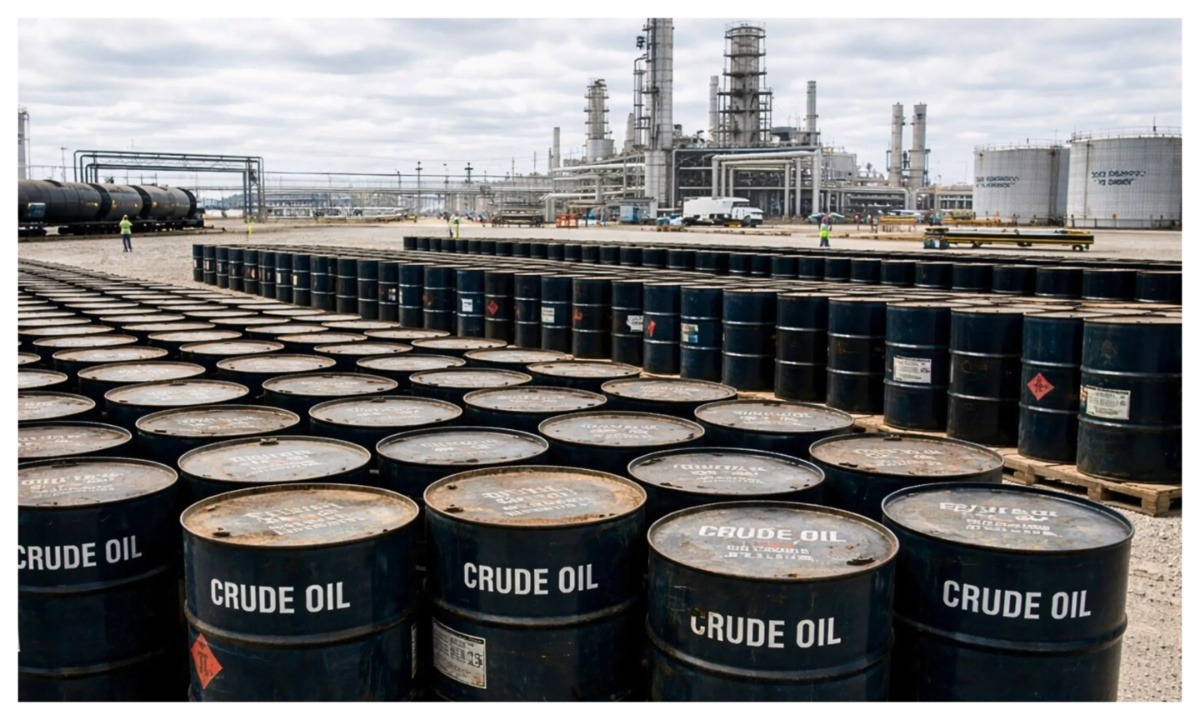
How Dangote Refinery Is Changing the Market
The emergence of the Dangote refinery has made the idea of a regional fuel benchmark more realistic.
With a capacity of 650,000 barrels per day, the refinery has significantly increased the amount of refined petroleum products available from within West Africa. Its growing output is already affecting regional trade.
According to S&P Global Commodities at Sea data, West Africa's clean petroleum product imports fell to about 765,000 barrels per day in May, from 997,000 bpd in April—a decline of roughly 23%.
The increased production from the Dangote refinery was identified as one factor behind the changing trade pattern.
The refinery has supplied fuel to markets across West Africa while also exporting products to Europe and other international destinations.
This has helped reduce some of the region's traditional dependence on imported refined products.
More importantly, the refinery is creating the physical supply needed for a regional market to develop.

A benchmark can only become meaningful when there is enough fuel being traded within the region to generate reliable price information.
Infrastructure Remains a Major Challenge
Despite the progress, West Africa still lacks much of the infrastructure required to create a fully integrated petroleum trading market.
Nigeria's downstream regulator, the Nigerian Midstream and Downstream Petroleum Regulatory Authority (NMDPRA), has stressed that simply creating a reference price will not automatically turn West Africa into a trading hub.
The region needs stronger pipelines, storage terminals, jetties, ports, rail networks, roads and marine transportation systems to move petroleum products efficiently between countries.
Better infrastructure would allow fuel to move more easily from areas with excess supply to markets experiencing shortages.
It would also increase the number of transactions taking place across the region, helping create the market activity needed for a credible benchmark.
From Imported Price Signals to a Regional Market
Another important development is the work being done to establish pricing assessments that reflect West African fuel markets.
S&P Global's Platts has begun developing pricing architecture around regional petroleum trading, including assessments designed to reflect local market conditions.
But the biggest challenge is ensuring that these prices are supported by enough actual transactions and market participants.
As the NMDPRA has emphasized, a reference price alone does not create a trading hub.
The region needs physical infrastructure, commercial activity and transparent information before traders can have confidence in locally determined prices.
The long-term goal is therefore not for governments to simply impose a West African fuel price. Instead, policymakers want a sufficiently active and transparent market where buyers and sellers generate the benchmark themselves.
If refining capacity continues to grow, infrastructure improves and regional fuel trading becomes deeper, West Africa could gradually move from importing both petroleum products and their price signals to becoming a major fuel-producing and price-setting market in its own right.