The Unwritten Rule of Political Succession: Must Every Outgoing Leader Have an Heir?
When elected leaders shape who succeeds them, democracy risks becoming a private transfer of power rather than a choice made by citizens.
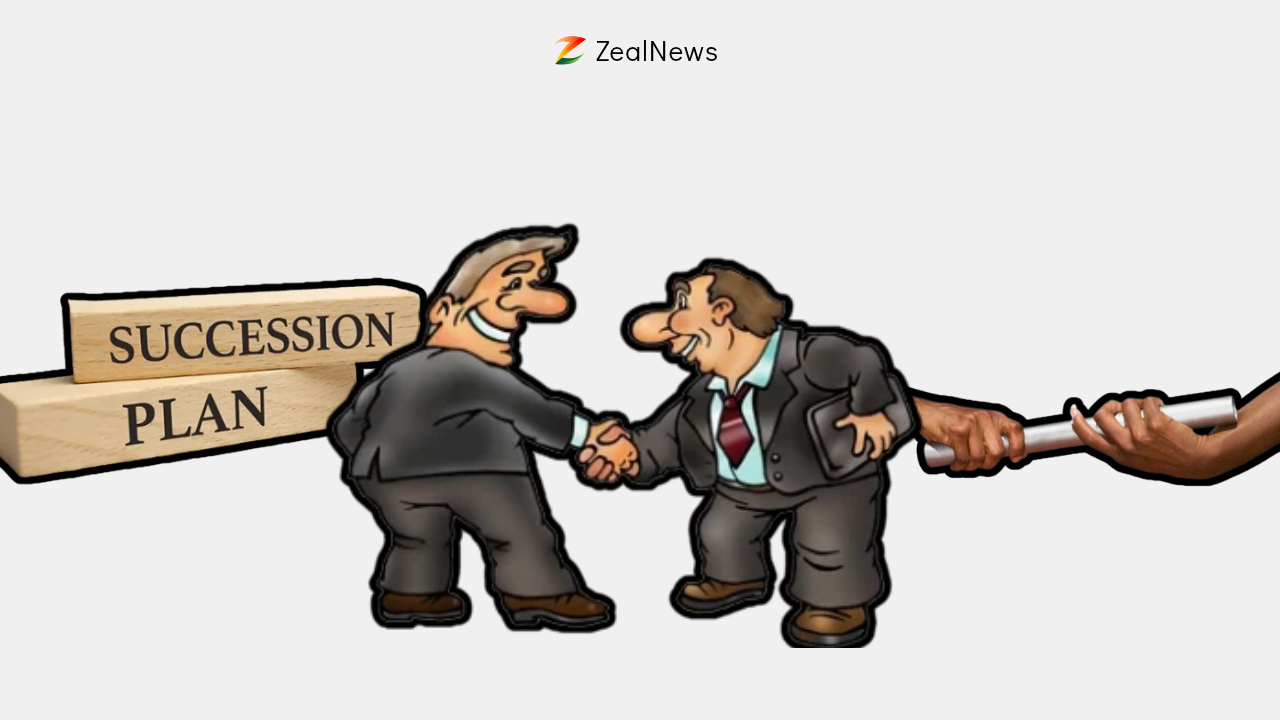
In a democracy, winning an election gives a person authority to govern for a defined period; it does not give them ownership of the office, the party, or the people’s next choice.
Yet elected officials sometimes approach the end of their tenure as though another responsibility awaits them: deciding who should take their place. The preferred candidate may be a trusted ally, deputy, or political protégé.
But when continuity becomes a private arrangement rather than a public choice, an important question emerges: who is the next government really answerable to?
The Difference Between Endorsement and Inheritance

There is nothing inherently undemocratic about a politician supporting another candidate. Former leaders, party officials and sitting officeholders are entitled to express preferences, campaign and persuade voters.
The problem begins when an endorsement becomes an instruction: when party structures, access to resources, and political pressure make one candidate seem inevitable, while other aspirants are pushed aside before voters can decide meaningfully.
That distinction has surfaced in Oyo State, where Babatunde Oduyoye, a former House of Representatives member and aide to Governor Seyi Makinde, criticised sitting governors publicly announcing preferred successors.
He argued that aspirants should have a level playing field to test their popularity. But the issue extends beyond Oyo: similar calculations can shape presidential tickets, legislative seats, local government chairmanships and party leadership contests.
At every level, the question is whether political influence persuades voters or narrows their choices before the contest begins.
When Loyalty Becomes a Qualification for Leadership

The attraction of a handpicked successor is understandable. An outgoing leader may want policies continued, projects completed, and political allies protected. A trusted successor can offer stability.
But public office is not a personal project to be handed to someone expected to preserve the previous officeholder’s influence. A successor's duty is to the constitution and the people, not the individual who helped secure their ticket.
This is where succession politics can weaken governance. A candidate whose rise depends on one powerful sponsor may feel obliged to repay that support through appointments, contracts or continued political deference. It can discourage capable aspirants without powerful patrons, reduce competition within parties and turn political ambition into a test of loyalty rather than competence, ideas and public trust.
This is also where the subtle ecosystem of political fathers and sons emerges, creating a pathway into what is commonly understood as godfatherism.
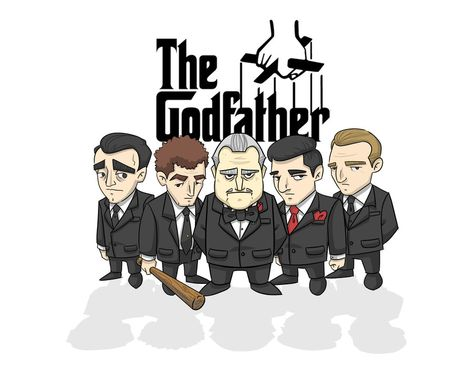
Political mentorship, loyalty, and the desire to have trusted allies carry forward one's vision are not inherently wrong; similar relationships exist in business, professional circles, and other spaces.
The concern is what happens when political mentorship becomes political inheritance, where access to power depends less on public confidence and more on allegiance to an influential sponsor.
At that point, democracy risks becoming a network of personal obligations, with citizens invited to validate decisions already shaped within political circles.
RECOMMENDED ARTICLE: Godfathers in Politics: Kingmakers or Democracy Killers?
Nelson Mandela offered a useful democratic contrast in an address after his release from prison in February 1990. He said leaders should place their views before their organisation and allow democratic structures to decide, insisting that democratic election within the movement had to be upheld without exception.
He was speaking about the African National Congress, not prescribing a rule for every country's electoral system. Still, the principle is relevant: leadership should emerge through credible processes, not personal entitlement.
The People Must Remain the Final Decision-Makers

A leader can recommend a successor, but cannot confer a public mandate. That belongs to voters, through credible elections and meaningful choices.

Political parties must ensure primaries are competitive, internal rules are applied consistently, and members can support candidates without intimidation.
Electoral commissions, courts, the media and civil society matter because choices are meaningful only when the process is transparent.
The danger of a government of successors is not simply that one politician may choose another. It is that public institutions begin to operate like extensions of personal networks, with political office treated as something to preserve, reward or transfer among insiders.
Democracy cannot guarantee voters will always choose the best candidate, but it must protect their right to choose. A leader's legacy should not be measured by whether a loyal ally occupies the seat after them, but by whether they leave institutions strong enough for the next leader to govern without their permission.