Godfathers in Politics: Kingmakers or Democracy Killers?
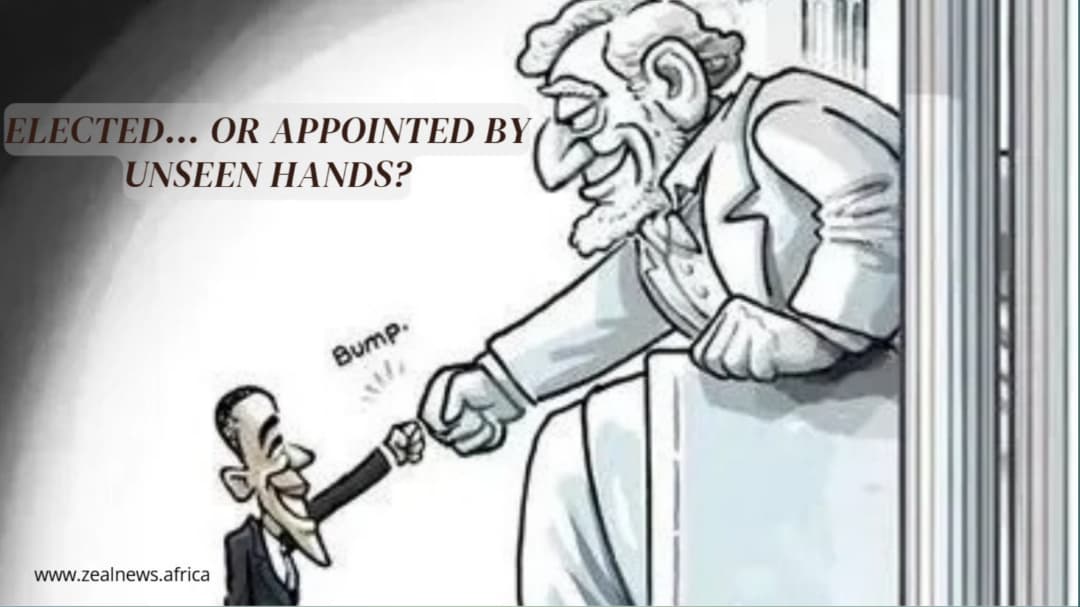
When powerful sponsors steer which leaders rise and which fall, are voters truly in control or is democracy only an illusion we tell ourselves?
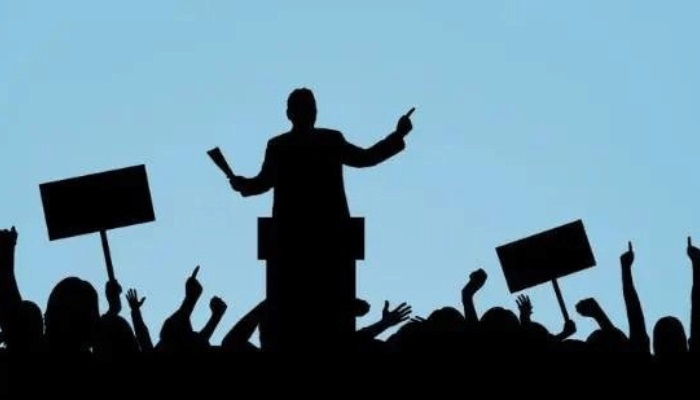
We know politics often presents itself as a competition between candidates.
Campaign posters are all over the streets, you get to hear promising and enticing manifestos, and voters are told that the ballot is the ultimate judge of leadership.
Yet behind many elections lies another layer of influence that is rarely discussed openly.
Power in politics rarely stands alone. It comes quiet alliances, private negotiations, and powerful sponsors who operate outside public attention.
This is where the idea of political godfathers enters the conversation.
Godfathers are influential individuals who support political candidates with money, connections, and strategic backing. In return, they often expect loyalty and influence once those candidates gain power.
It's not like these arrangements are written down, but we just understand them.
The question now is, are these figures building political leadership, or quietly weakening democracy?
The Quiet Architecture of Political Power
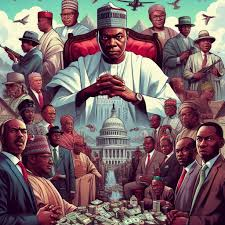
Politics is expensive, because running for office requires campaign advertisements, logistics, public rallies, and party organization.
And for many aspiring leaders, these costs are difficult to manage without financial support.
This reality creates space for powerful sponsors.
Campaign financing remains one of the biggest challenges facing democratic institutions. When political funding lacks transparency, private influence often fills the gap.
Now this is where Godfathers come in.
They thrive in these conditions, as their resources allow them to sponsor candidates who might not otherwise have the financial strength to compete.
They are often described as kingmakers.
The Argument for Kingmakers
From one perspective, political godfathers play a practical role in politics.
Every political system relies on networks of influence. Experienced figures often mentor younger politicians, helping them navigate complex party structures and electoral systems.

Financial backing can also make the difference between a candidate entering a race or staying on the sidelines.
In this light, godfathers are seen as individuals who identify and promote leadership.
Their support can help organize campaigns, strengthen political parties, and introduce emerging politicians to national platforms.
In systems where political funding is limited or poorly structured, their involvement sometimes fills a gap that institutions have not yet addressed.
Viewed this way, godfathers appear less like manipulators and more like political sponsors.
When Influence Becomes Control

Viewed in another way, political godfatherism often moves beyond mentorship into something far more powerful.
Instead of supporting democracy, it can begin to determine it.
In many political environments, godfathers influence which candidates receive party nominations and which campaigns receive the resources needed to survive. When this happens, voters may only be choosing between candidates already approved by powerful interests.
The result is a system where political competition becomes filtered before it even begins. Political patronage networks can weaken democratic systems. When access to leadership depends heavily on loyalty to powerful sponsors, accountability to voters may become secondary.
Influence, in these moments, starts to resemble control.
The Hidden Cost to Governance
The effects of godfatherism do not always end after elections.
Leaders who reach office with strong political sponsors feel pressure to reward those sponsors.
So political appointments, government contracts, and policy decisions can become tied to personal alliances rather than public priorities.
This creates a subtle but significant shift in governance.
Instead of leadership flowing entirely from voters, decision-making can begin to reflect the interests of influential networks operating behind the scenes.
Over time, this can weaken public trust in democratic institutions.
Democracy depends not only on elections, but also on the fairness of the structures that surround them.
A Reality Politics Has Yet to Escape
Despite criticism, political godfatherism remains a persistent feature in many democracies.
It survives because in politics, money, influence, and networks always play a role in shaping leadership.
In some situations, these relationships genuinely support political development. In others, they quietly distort it.
The difference often depends on how strong democratic institutions are and how transparent political financing becomes.
So the debate continues.
Perhaps the real issue is not simply whether political godfathers exist. Influence has always been part of politics and likely always will be.
The deeper question may be whether voters truly hold the final authority when powerful sponsors stand behind the candidates they see.
If elections are meant to represent the will of the people, then the presence of hidden power raises an uncomfortable thought.
Are citizens choosing their leaders, or are they choosing from leaders who were already chosen for them?