Nigeria Keeps Adding Power Capacity. Why Is Electricity Still Unreliable?
Nigeria keeps adding megawatts to the national grid, but electricity remains unreliable. Here’s why generation, transmission and distribution bottlenecks persist.
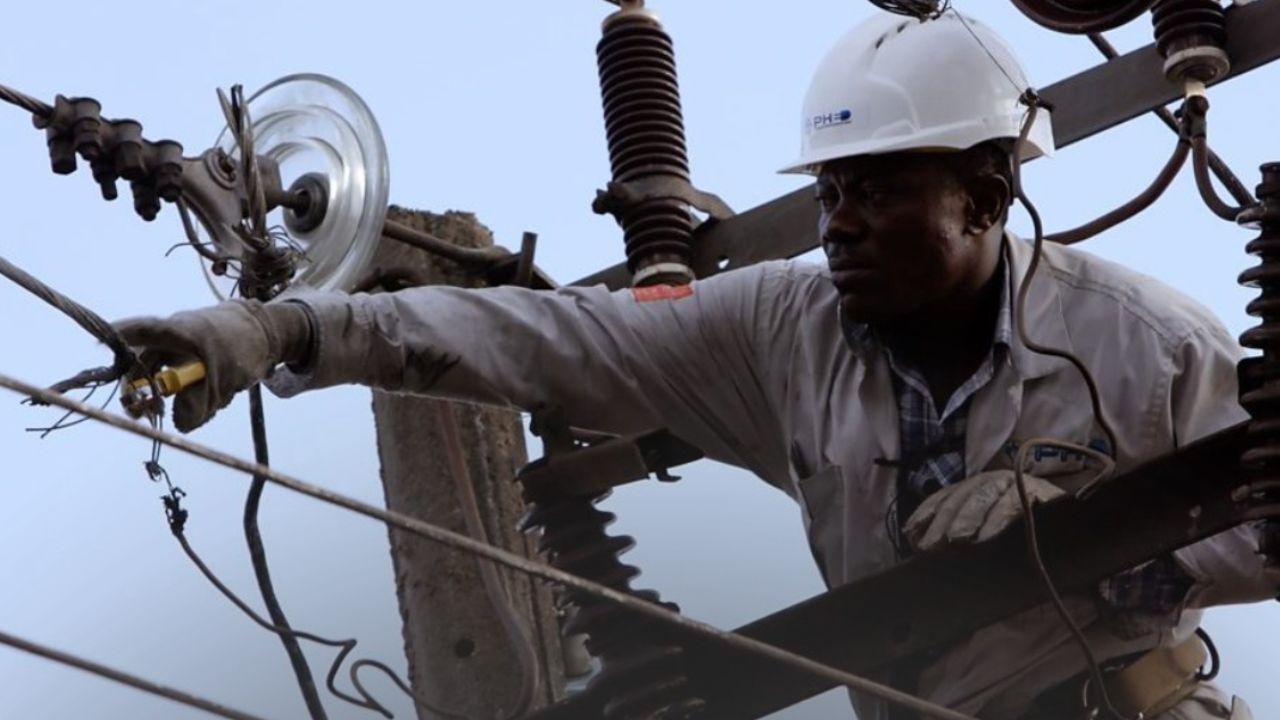
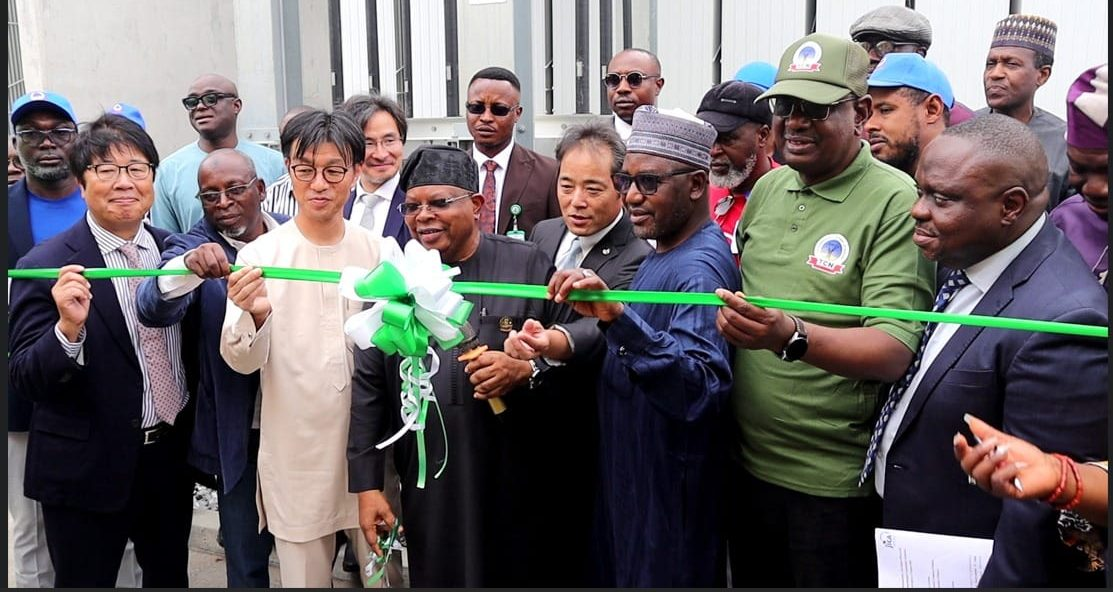
Nigeria has added another 272 megawatts to its national grid this week. The federal government commissioned upgraded transmission substations at Alausa and Lekki in Lagos. These commissions follow a similar upgrade at Ijora and Apapa just a day earlier, which added 208MW. Together, in total, that is nearly 500MW of new bulk power capacity in 48 hours.
However, anyone who has lived through Nigerian electricity supply patterns knows that megawatt announcements rarely influence stable light.
This gap between capacity additions and live electricity reliability is structural and it explains why Nigeria can spend billions upgrading substations year after year while households and businesses still budget for generator fuel and save up for solar panels.
What Substation Upgrades Actually Fix
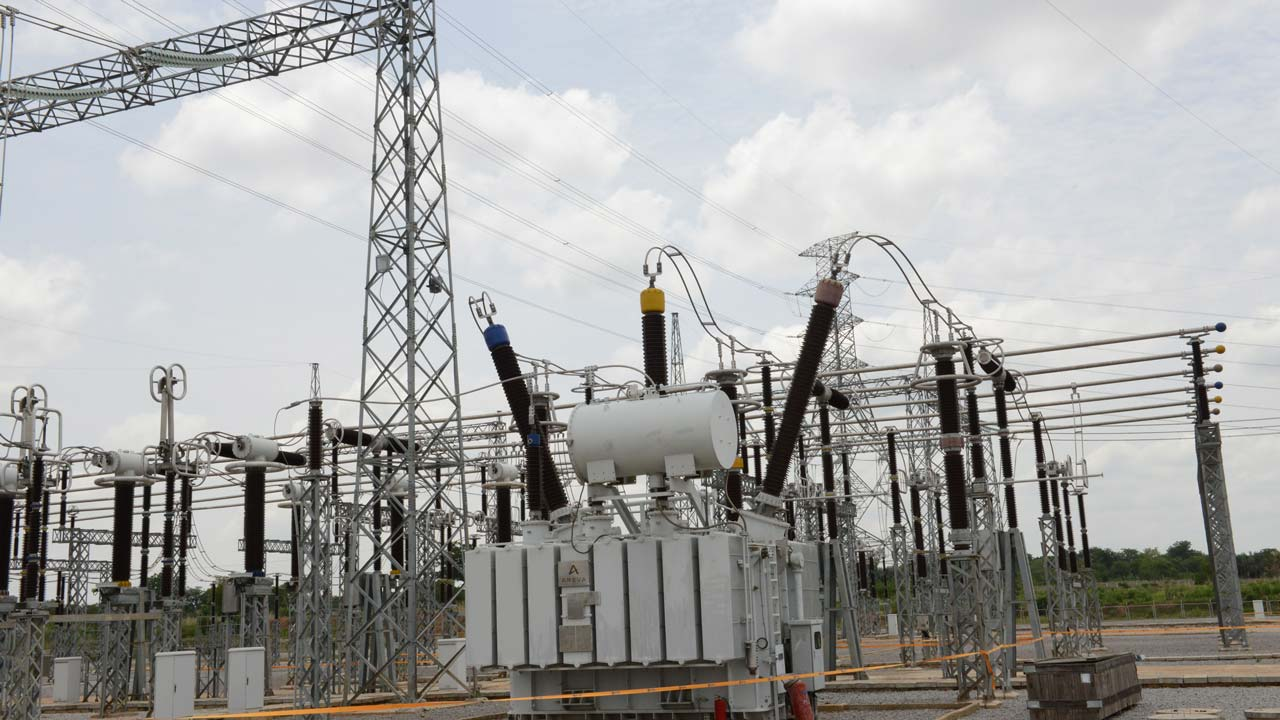
Substations like Alausa and Lekki sit in the transmission segment of Nigeria's power value chain. This segment is the middle layer between power generation and the distribution companies that deliver electricity to homes and businesses.
When a transformer is replaced or a new feeder is added, what improves is the capacity to move bulk power from the national grid into a specific load centre. At Alausa, a 30MVA transformer was swapped for a 100MVA unit. At Lekki, new 132/33kV transformers and feeders doubled the station's capacity.
Ageing transformers that trip under load, or substations that cannot absorb more power even when it is available, are genuine bottlenecks and fixing them matters. However, a transmission upgrade only solves the problem of getting more power to the doorstep of a distribution company.
It does not translate into the generation of more electricity nor does it guarantee that a distribution company can actually deliver that power to the end user without collapsing under its own operational weaknesses.
The Grid Is Only As Strong As Its Weakest Link
Nigeria's electricity system is often described as a three-legged stool: generation, transmission, and distribution. Years of underinvestment mean all three legs are wobbly but distribution has consistently been the shortest one.
Distribution companies inherited the ageing, undersized networks at privatisation in 2013 and have struggled since to raise the capital needed to expand transformers, replace obsolete cables and reduce the technical losses that bleed power out of the system before it reaches a meter.
This is why a transmission upgrade that promises more bulk power to a DisCo like Ikeja Electric does not automatically mean 70,000+ residents wake up to constant electricity.
If the local injection substations, feeders, and transformers on the distribution side cannot handle the extra load, the additional megawatts either go unused or get rationed through the same estimated billing and load-shedding patterns Nigerians already know.
Power can arrive at a DisCo's gate and still never make it to a street.
Generation Capacity Nigeria Cannot Fully Use
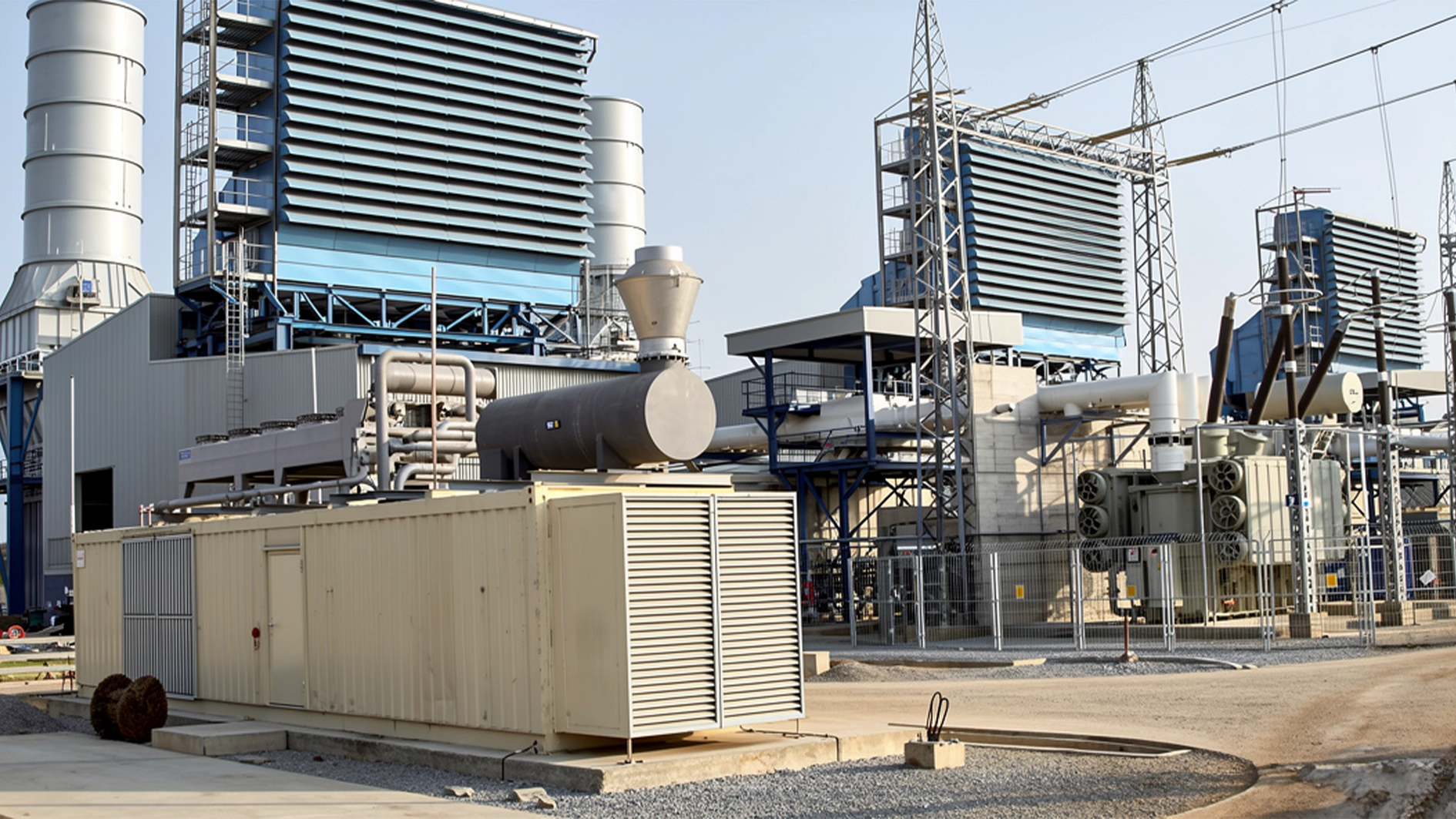
The transmission and distribution bottlenecks also exist alongside Nigeria’s problem of having generation capacity it cannot fully dispatch. Gas supply constraints, pipeline vandalism, and unpaid debts across the value chain routinely force power plants to operate far below their installed capacity.
A national grid that adds hundreds of megawatts of transmission capacity in a week means little if the generation side cannot consistently produce enough electricity to fill that new capacity, or if the money to keep gas flowing to turbines is not there.
This is the paradox at the heart of Nigeria's electricity crisis. Installed generation capacity has hovered around 13,000MW for years, yet actual power sent to the grid on most days sits closer to 4,000MW.
Why Announcements Outpace Outcomes

Part of the disconnect is structural, but part of it is also about how progress gets communicated. Commissioning a substation is a tangible, photographable event. A minister can cut a ribbon, cite a megawatt figure, and point to a World Bank-funded project as evidence of reform.
Fixing the deeper issues, like DisCo undercapitalisation, unmetered connections, tariff shortfalls, and gas-to-power payment defaults, does not produce the same kind of visibility and announcement. It doesn’t require it, in fact.
The result is a pattern where capacity numbers keep climbing in official statements while the reliability of power at the household level barely moves.
It is worth asking, as previous reporting on this grid has argued, whether the persistence of this gap serves interests beyond mere technical difficulty. A country where there is no constant power has also built a multi-billion-dollar shadow economy around generators, diesel, inverters, and solar systems, one that would shrink considerably if the grid actually worked.
What Would Actually Close The Gap
Closing the gap between installed capacity and delivered electricity requires attention to some parts of the system.
Distribution companies need genuine capital investment and regulatory pressure to expand networks. Gas supply to power plants needs to be de-risked so that generation capacity is not sitting idle while transmission lines wait for power that never comes. And the financial architecture of the sector needs reform.
Until those structural gaps close, expect more headlines like the one this week and expect Nigerian households to keep reaching for their generators anyway, because a stronger grid on paper is not the same thing as light that actually stays on.