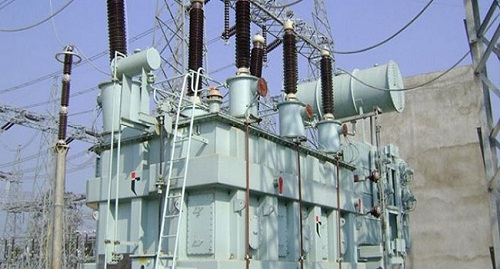
After Weeks in Darkness, Bayo Adelabu Asks for Patience
After weeks of widespread blackouts, Nigeria’s Minister of Power, Bayo Adelabu, asks citizens for patience but decades of systemic failures mean apologies cannot power homes.
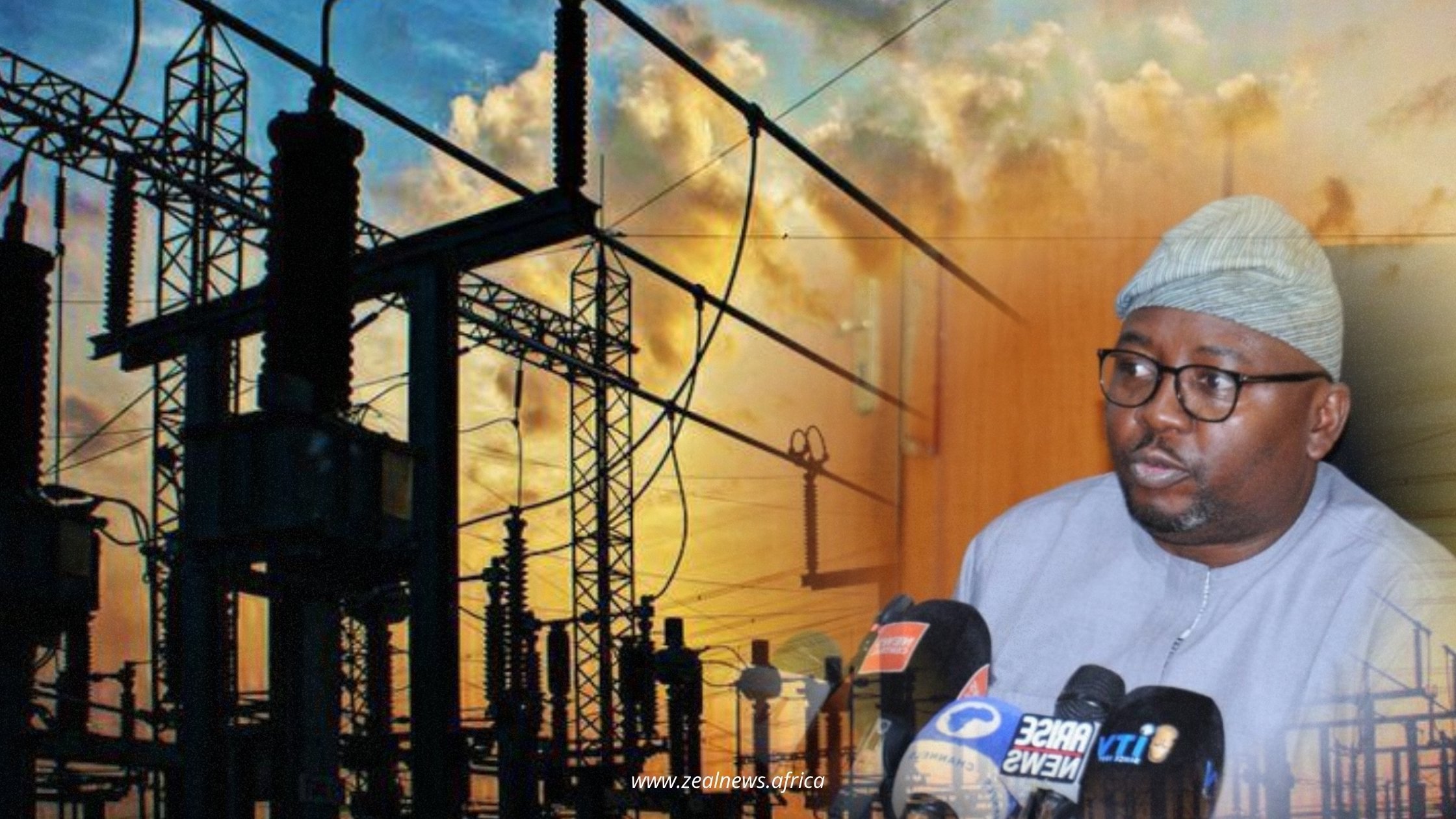
For the past few weeks, Nigeria has been producing a new music genre. Not the Afrobeats that the rest of the world cannot stop talking about; the other one.
The collective hum of generators running from every compound, every shop, every office block, every school. A full national chorus of people spending money they did not plan to spend, just to exist at a basic level.
It is dry season, which means the darkness does not come alone; it brings the heat with it. The kind that sits on your chest at 2 a.m. when the fan has been dead for hours, that makes a sleepless night feel like a punishment, that turns every room without electricity into something close to unbearable.
Then, on March 24, Minister of Power, Adebayo Adelabu walked to a podium in Abuja and asked for two more weeks.
How We Got Here, And We Have Always Been Here
The Nigerian electricity problem did not begin with Adelabu, and it will not end with him either. It is a structural, institutional and political failure so old that it predates most of the people currently suffering from it.
To understand the present crisis, you have to understand that there has never really been a period where Nigerian electricity was reliably functional. The crisis has always been the baseline.
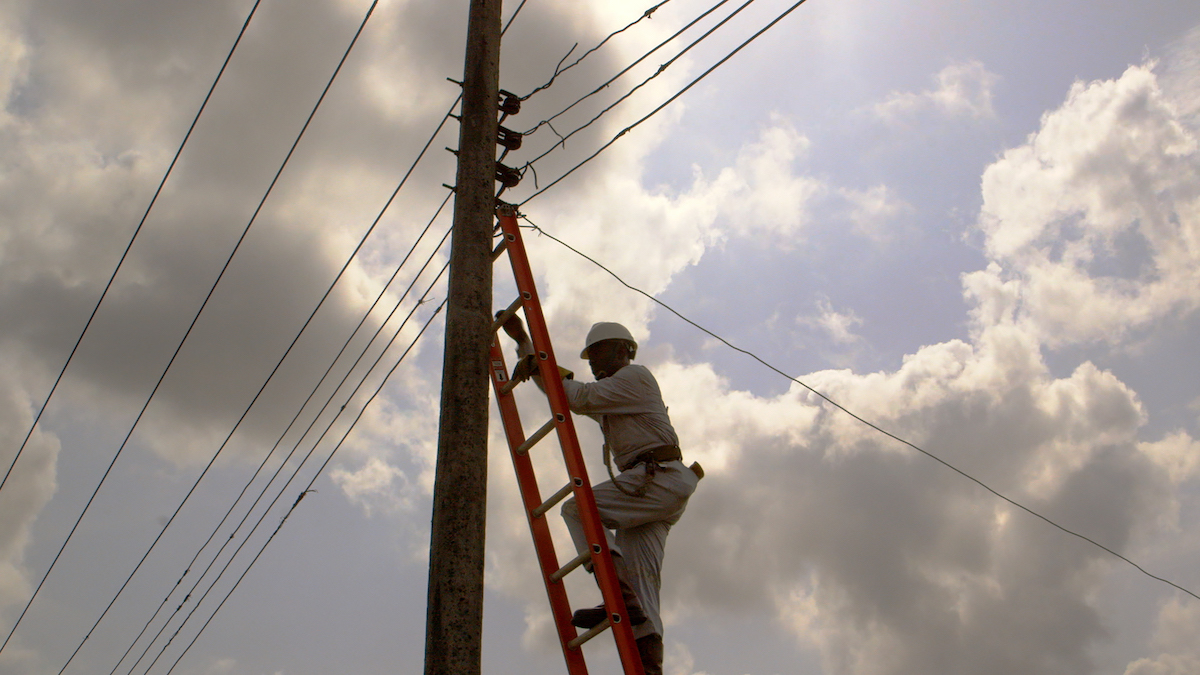
In the 1970s, oil wealth gave the federal government the resources and the ambition to build a national grid. The National Electric Power Authority (NEPA) was established in 1972 to manage electricity generation and distribution across the country.
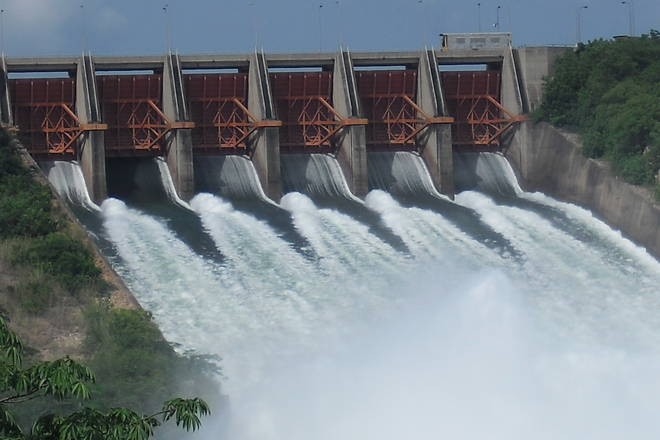
For a while, there was optimism. The Kainji Dam had been commissioned in 1968, giving Nigeria genuine hydroelectric capacity, and the government was investing in infrastructure.
However, by the 1980s, the problems were already visible.There was poor maintenance, underfunding, corruption in procurement, and a growing population that the grid was never designed to serve.
NEPA became a national joke. Nigerians rechristened it Never Expect Power Always. The blackouts were so routine that an entire shadow economy built itself around them — generator sales, repair technicians, fuel retailers — an unofficial tax on survival that Nigerians still pay today.
The Reform That Changed Nothing
In 2005, the government tried something different. The Electric Power Sector Reform Act was passed under President Obasanjo, laying the groundwork for privatisation.
The logic was honestly valid. The state had proven it could not run a functional power sector, so private capital would do it instead.
NEPA was restructured into the Power Holding Company of Nigeria (PHCN) and then, in 2013 under President Jonathan, the sector was unbundled and sold off entirely. The whole apparatus, handed to the private sector.
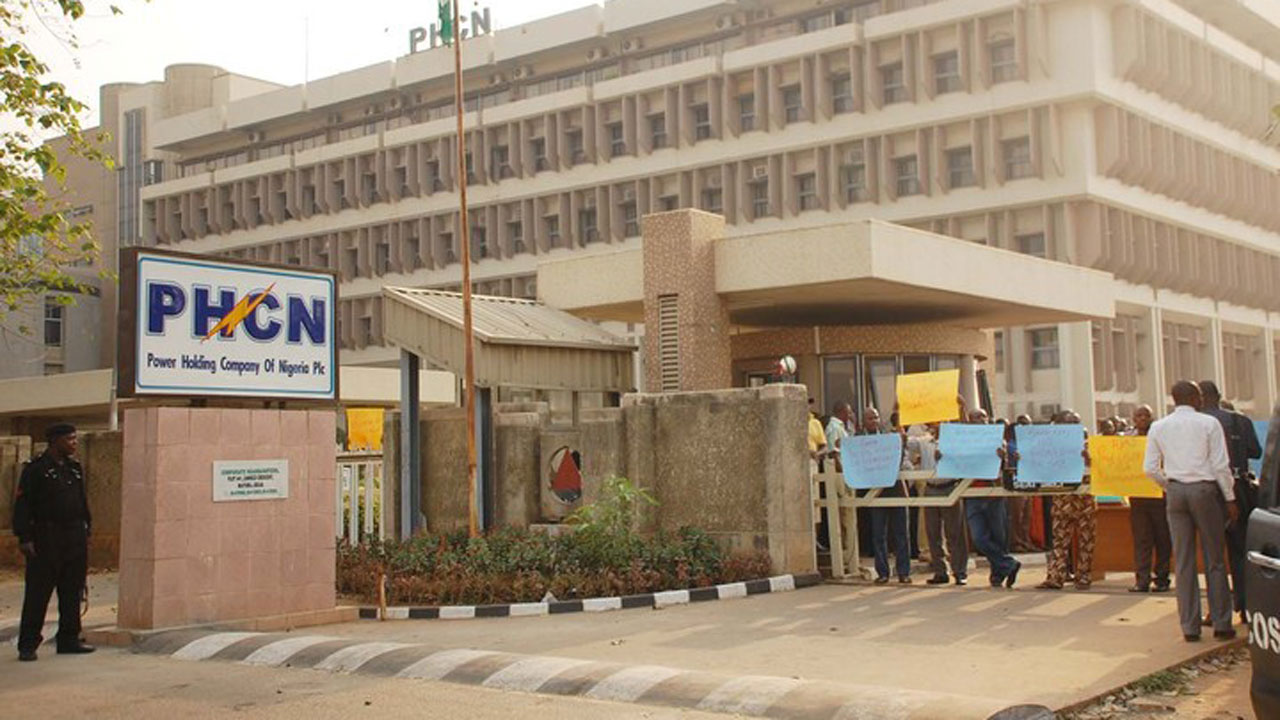
It did not work. What privatisation exposed, rather than fixed, was that the problems ran deeper than ownership structure.
The gas supply pipeline infrastructure feeding thermal power plants was decrepit. Transmission capacity was inadequate. Distribution companies inherited a billing and metering system built on estimated readings and systemic losses.
Also, electricity tariffs were politically controlled and kept artificially low for years, therefore, the revenue was never enough to attract the investment that would actually fix anything.
The result was a privatised sector that was technically in private hands but functionally dependent on government intervention, government bailouts and government excuses.
The Pattern, If You Are Still Somehow Not Seeing It
Every few years, a new administration inherits the crisis, announces a new target, sets up a new committee, and talks about megawatts.
Obasanjo promised 10,000 megawatts by 2007. It did not happen. Jonathan's privatisation was supposed to unlock investment and competition. It did not fix anything.

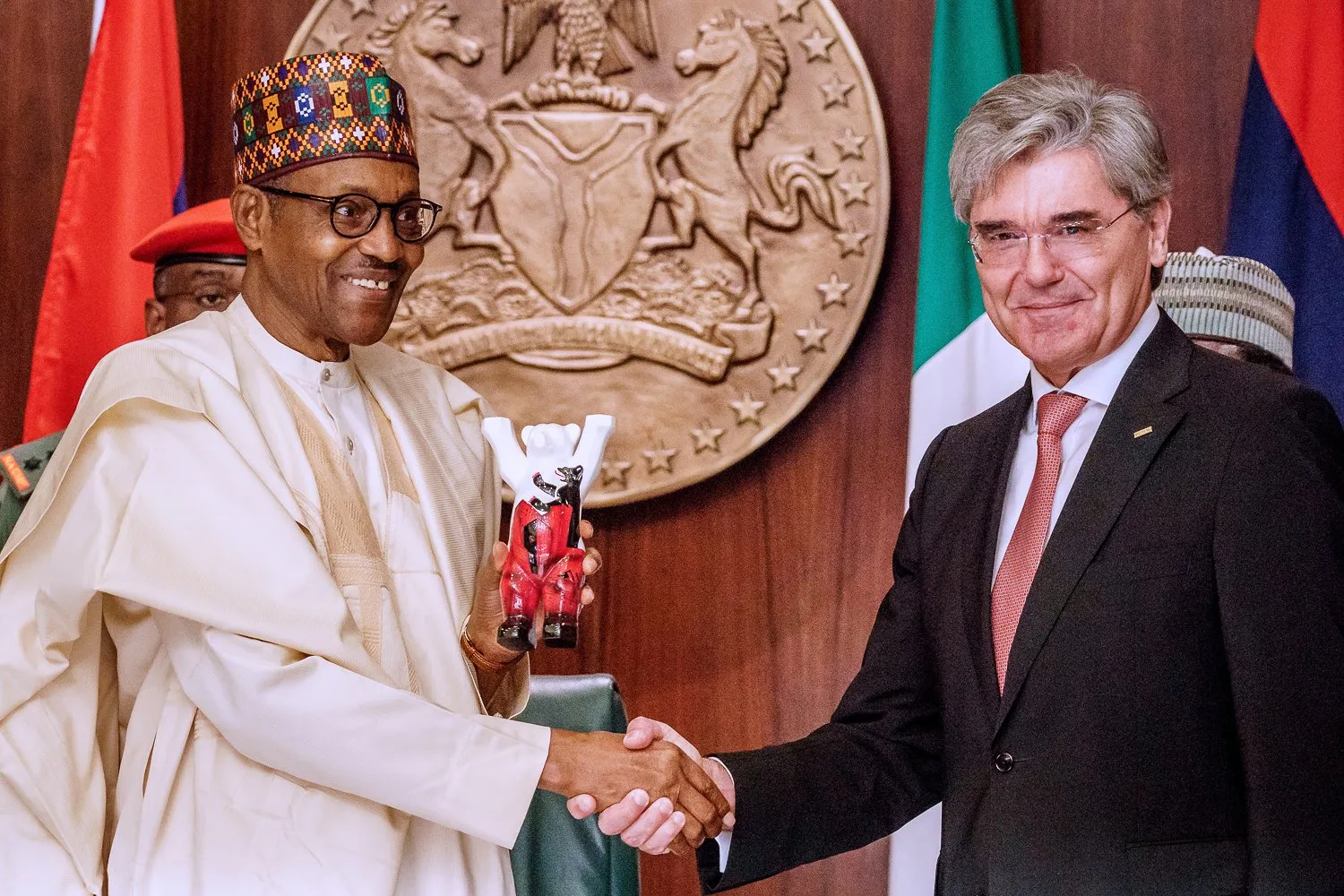
Buhari's administration introduced the Siemens deal, a bilateral agreement with the German company to rehabilitate the national grid, with great fanfare in 2020. Nigeria's peak generation has hovered between 3,500 and 5,000 megawatts for years, against an estimated demand of 30,000 megawatts or more.
Adelabu is currently citing gas pipeline repairs, domestic supply obligation failures and idle turbines. He says 75 percent of power plants depend on gas. He says the Seplat pipeline needs to be fixed. He says a committee has been set up. He says the target is 6,000 megawatts before the end of 2026.
Every single element of that statement has appeared in some form in every power sector briefing for the last two decades. The vocabulary has not changed. The outcome has not changed.
What the Apology Actually Means
After weeks of some of the worst electricity supply Nigerians have experienced in recent memory; weeks during which the heat of the dry season made the darkness genuinely dangerous, during which businesses shut down, schools struggled and households ran up fuel costs they cannot afford, the minister in charge came out to say sorry and ask for patience.
He did not come to request for accountability from those in charge, or a timeline backed by consequences. He came to ask for patience.
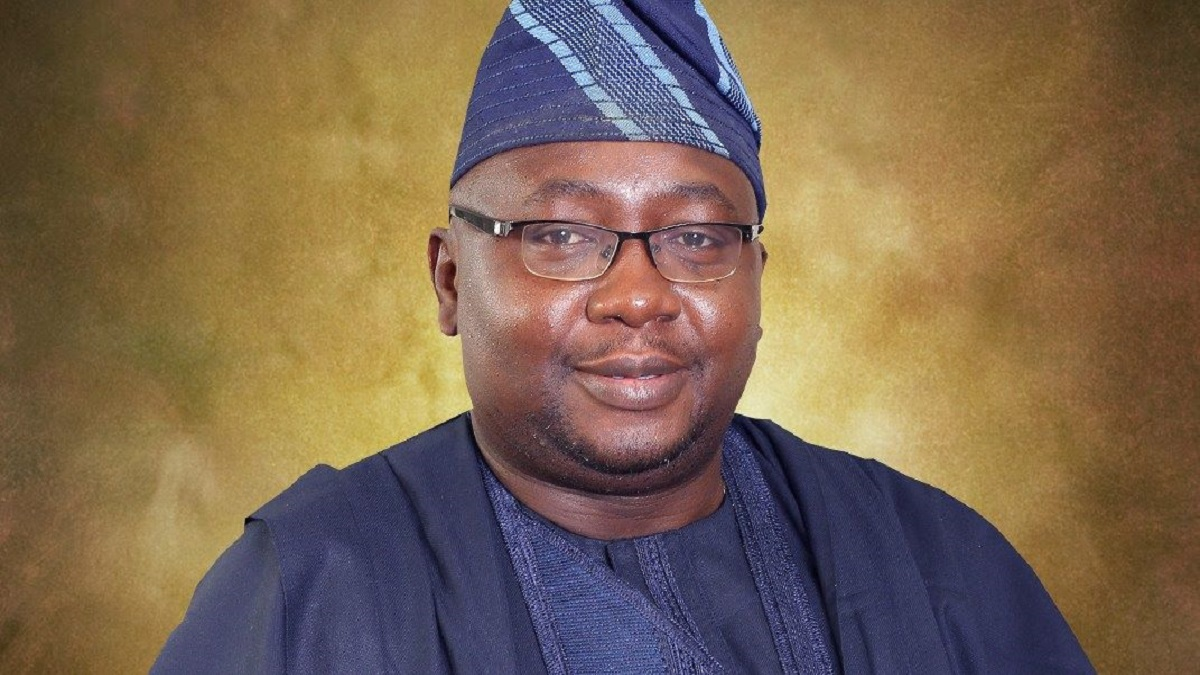
The three billion dollars in private investment Adelabu cited during the same briefing is supposed to make the apology land softer, to signal that the sector is moving, that the money is real, that the intention is genuine.
Nigerians are not sitting in darkness because of a lack of intention. They are sitting in darkness because intentions, in this sector, have never been the problem.
The problem is a government that treats a sixty-six-year infrastructure failure as a temporary inconvenience and assumes the people suffering it will keep nodding along.
Two weeks might pass, the lights might not still be on and Nigerians are expected to keep being patient.