If Power Improves, Who Loses? The Hidden Incentives Behind Nigeria’s Broken Grid
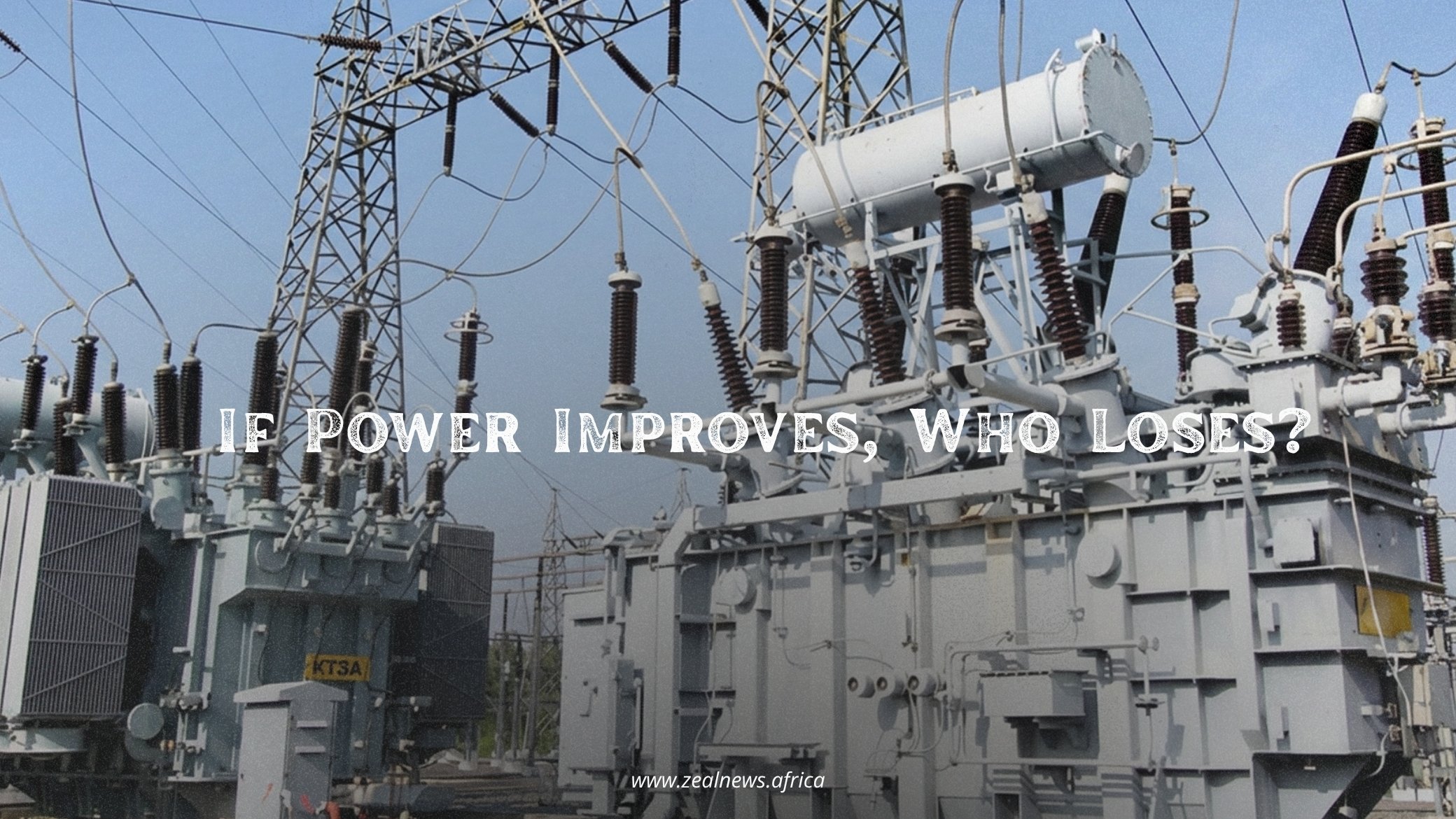
If Nigeria finally achieves stable electricity, entire industries—from generators to diesel to inverters—stand to lose, revealing how deeply profit is tied to persistent power failure.
“It is difficult to get a man to understand something, when his salary depends on his not understanding it.” — Upton Sinclair
Nigerians have heard the phrase "the national grid has collapsed" more times than they have seen a bandit prosecuted. That alone should tell you something about which failures this country has decided to normalise.
Imagine waking up tomorrow and your DisCo — AEDC, EKEDC, whatever acronym is currently managing your darkness — starts delivering 20 hours of stable electricity a day. What happens?
Millions will be able breathe easier. Businesses can cut costs. Students study past 8 PM without rationing phone batteries.
Who, then, loses?
Because in Nigeria, decades of epileptic power supply did not just inconvenience people, it built an entire shadow economy around the inconvenience.
Shadow economies, by nature, have beneficiaries. Beneficiaries have interests and interests, as Upton Sinclair understood, have a way of making people very comfortable with problems that should not exist.
The Generator Economy
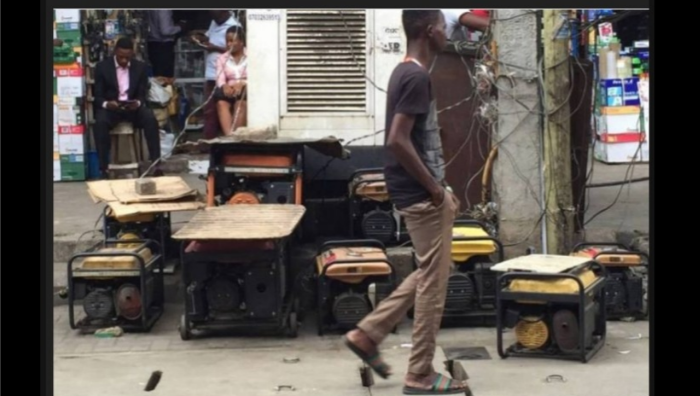
According to the African Development Bank, Nigerians spend an estimated $14 billion on generators and fuel every year just to keep the lights on. The Nigerian diesel generator market alone was worth $536.5 million in 2023 and is projected to hit $871 million by 2030.
That projection, to be clear, assumes the grid stays broken. The forecast is literally betting on failure.
In 2024, Nigeria spent over $281 million importing generators and rotary converters, with China supplying nearly 70% of that total.
This infers that every time NEPA takes light and you switch on your generator, you are participating in a supply chain that runs from Guangzhou to your compound.
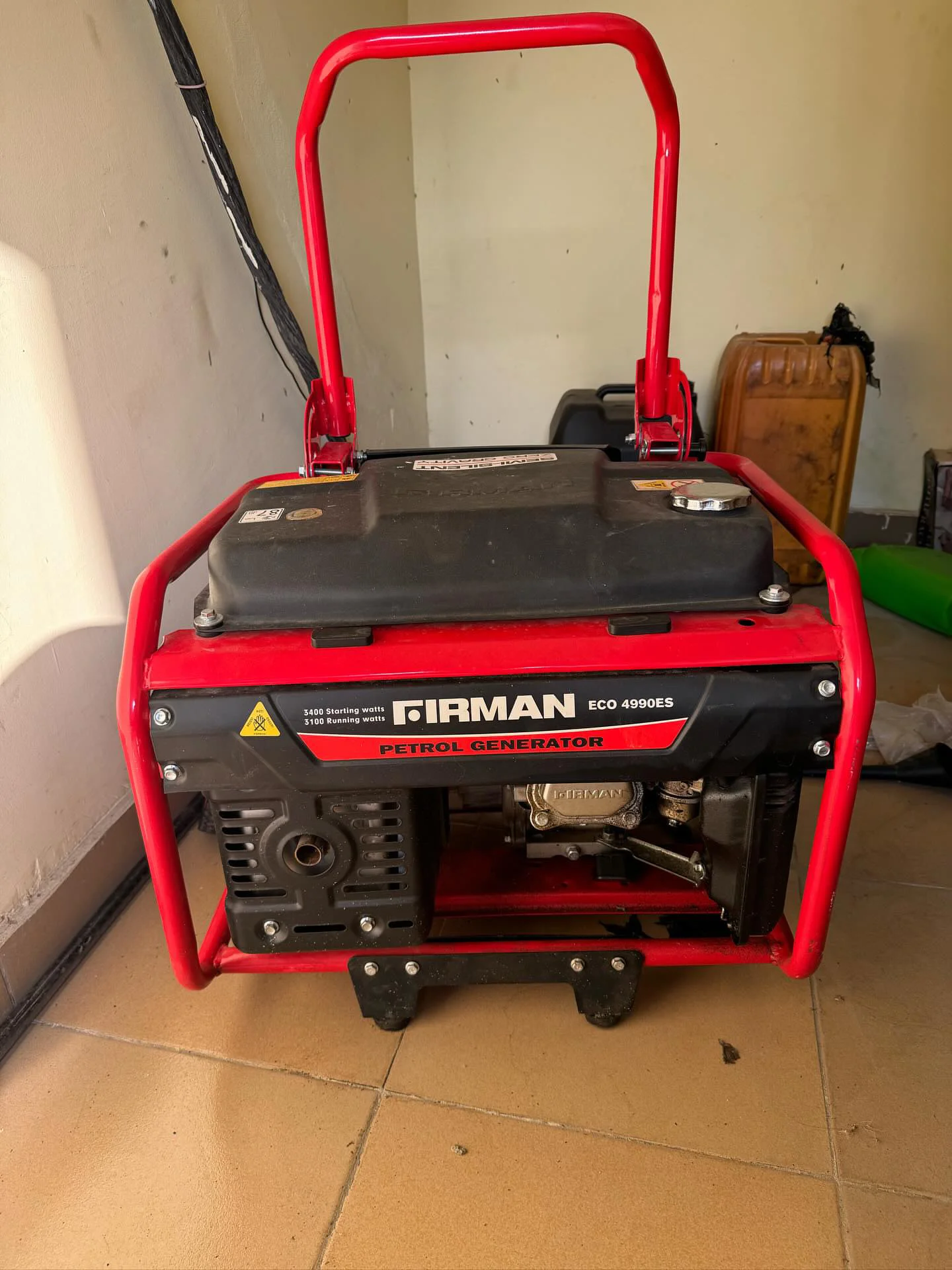
There are importers, spare parts dealers, fuel retailers, mechanics — an entire ecosystem whose survival depends on the grid remaining exactly as broken as it is.
The International Finance Corporation estimatesover 3 million generators are running in Nigeria at any given time. That is three million reasons for someone, somewhere, to not fix this.
The Solar Boom
Social Insight
Navigate the Rhythms of African Communities
Bold Conversations. Real Impact. True Narratives.
Nigeria's off-grid solar market is valued at approximately $2.5 billion, which is remarkable for a country that still cannot keep electricity running. However, the solar inverter industry is also, structurally, rooting for the grid to fail, which is a simple business logic.
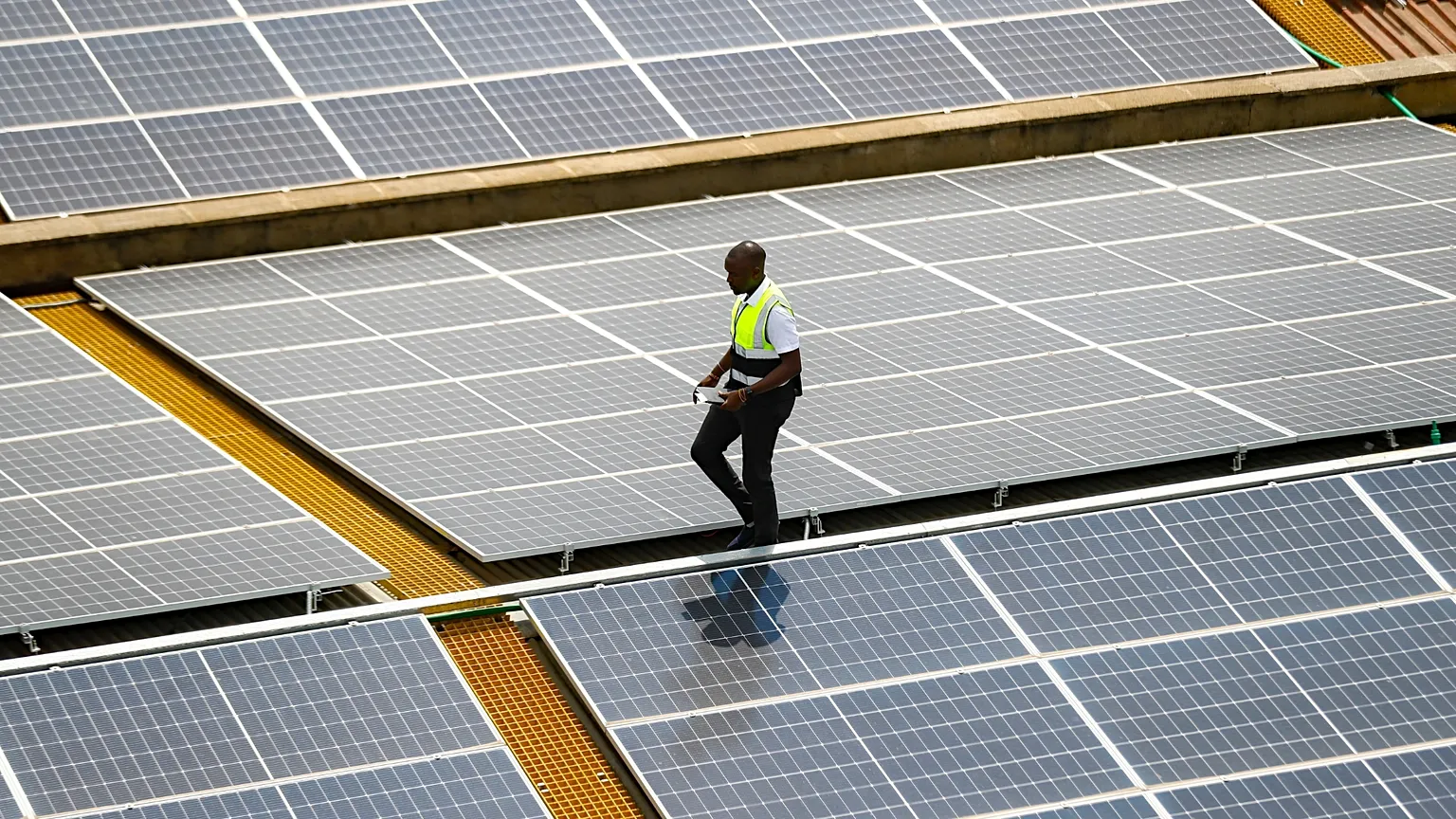
The Nigerian inverter market is growing precisely because power supply is unreliable and electricity costs keep rising. Strip away the dysfunction, and you shrink the urgency that is currently moving N280,000 hybrid inverter systems out of Lagos storefronts every week.
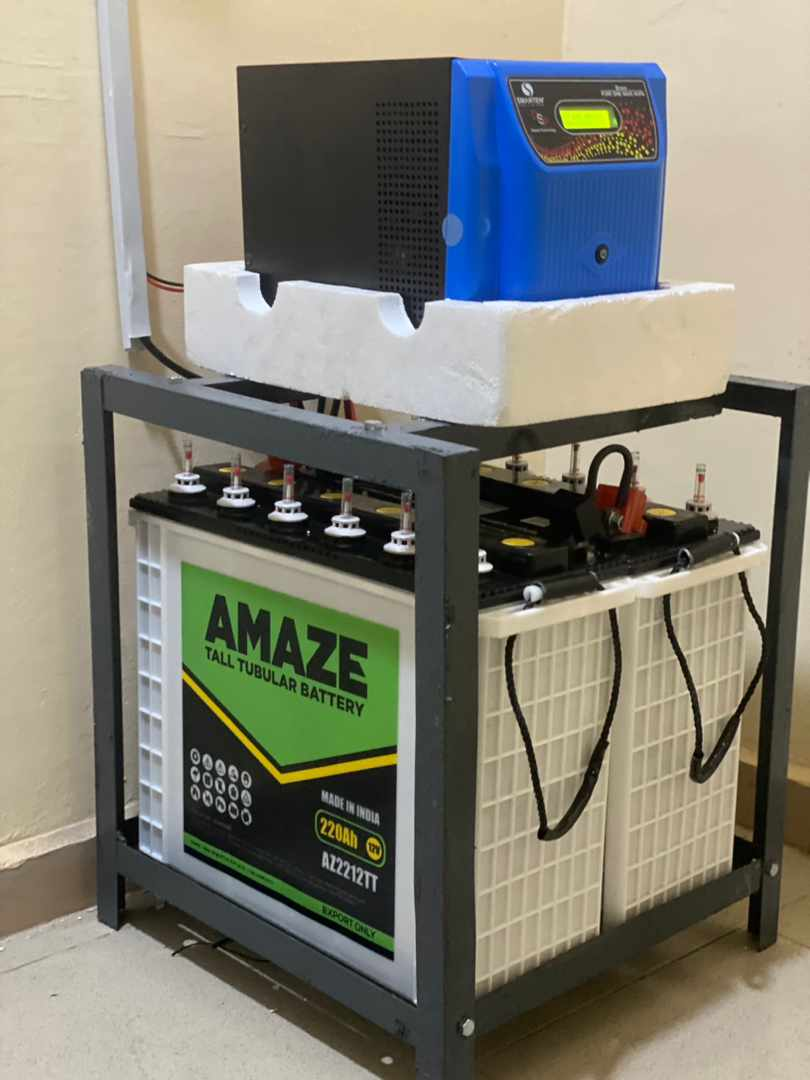
The solar companies, the battery distributors, the installation guys and others in the market are not the villains. Their growth model is a direct function of grid failure.
Stable electricity does not just help Nigerians; it disrupts a very profitable market that has quietly organised itself around the assumption that stability is never coming.
Powerbanks
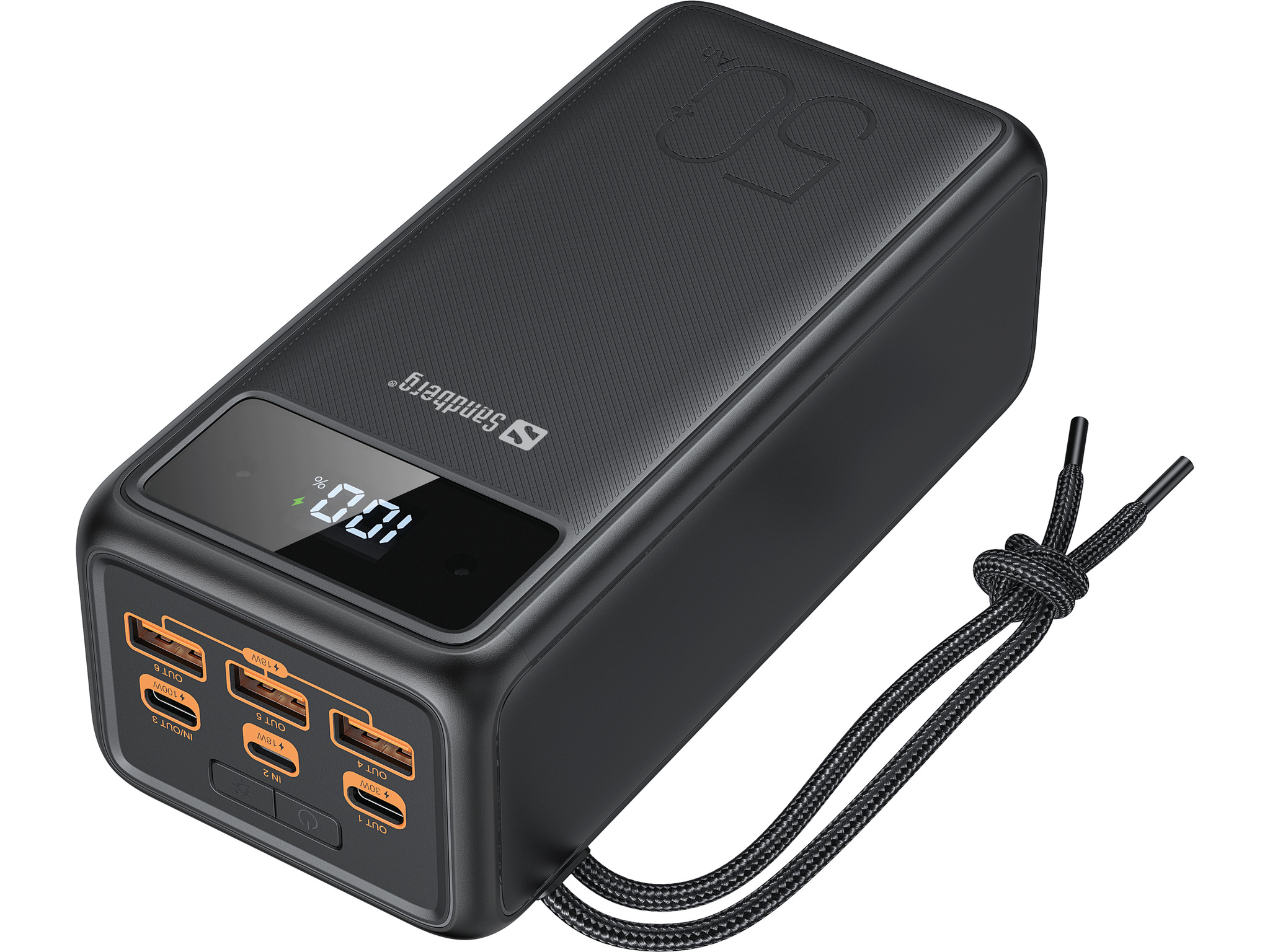
Walk into any Nigerian home, hostel, or office and you will find at least one. Most people carry two. Nigeria experienced 12 national grid collapses in just 2024 alone.

The powerbank is a coping mechanism. It is what you buy when you have accepted, somewhere deep and quiet, that the state will not provide.
That acceptance is perhaps the most dangerous thing of all. When people stop expecting, they stop demanding. When they stop demanding, the system faces no real pressure to change.
Dysfunction, tolerated long enough, stops feeling like dysfunction. It starts feeling like just how things are.
The Hidden Incentive Structure
Nobody is sitting in a room plotting to keep Nigeria in the dark. That is not how these things work.
What exists is a web of people whose income, comfort and relevance are structured around the problem persisting.
We have the fuel importers, generator dealers, DisCo officials insulated from accountability because Nigerians have built workarounds and reduced the volume of their outrage, and politicians with interests in the energy sector who understand, on some level, that a functional grid reorganises power in ways that do not favour them.
The reform process keeps moving. Committees are set up. Ministers apologise publicly. Tariffs are reviewed, and yet the light does not come.
Sinclair's observation was not about stupidity. It was about incentive. Intelligent people will consistently fail to solve a problem if solving it costs them something.
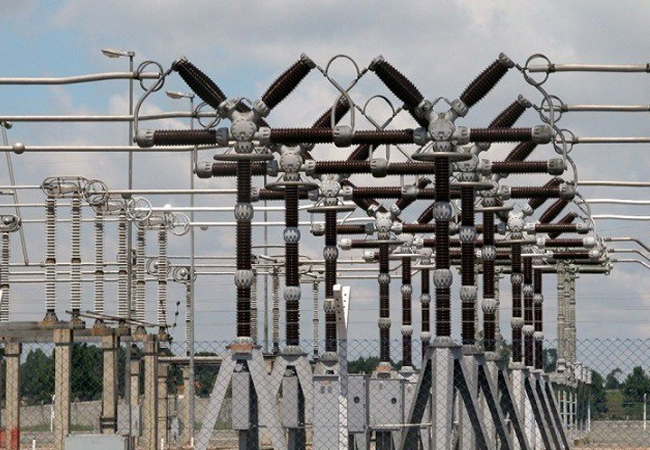
Nigeria's power sector is not broken because no one knows how to fix it. It is broken because enough people benefit from it staying that way and those people tend to be closer to the decisions than the rest of us are to our next power cut.
The real question is not when power will improve. It is who profits if it doesn't and whether those people are anywhere near the people making the decisions.
Social Insight
Navigate the Rhythms of African Communities
Bold Conversations. Real Impact. True Narratives.
Until those two lists stop overlapping, the generators will keep running.