Why Horror Movies Are Surprisingly Good for Your Mental Health
Horror movies may look terrifying, but research shows they can help with emotional regulation, stress resilience, bonding, and even mental health.
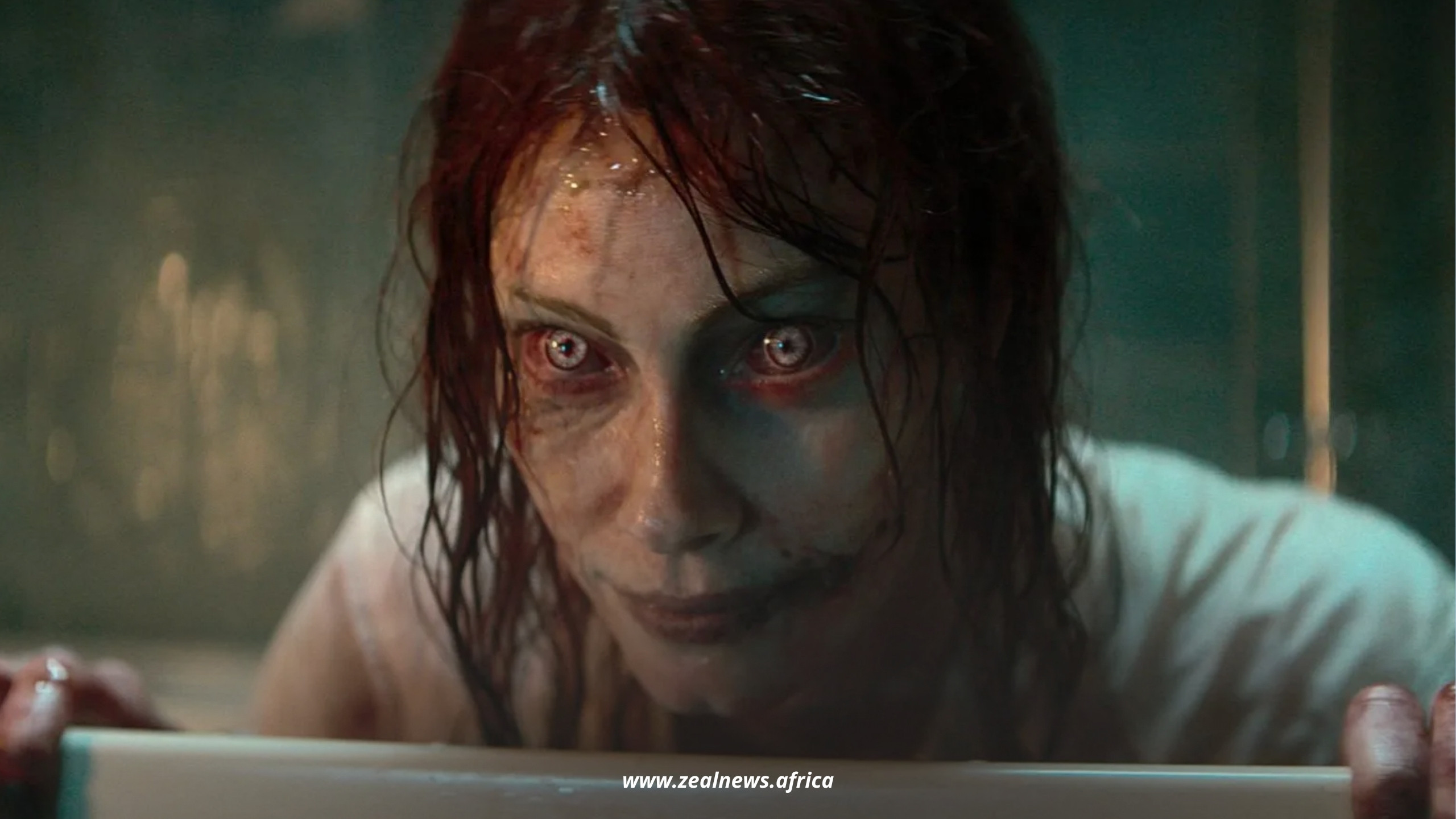
If you are a lover of horror movies, you have probably been told by your African parents how you are actively inviting evil into your life, or that only people with "spiritual problems" go looking for trouble on a Friday night.
Your aunties have prayed over you. Your mum has asked if school is doing something to your brain. And still, you pressed play.
Turns out, you were onto something.
Science, actual peer-reviewed, published-in-journals science, is increasingly making the case that watching horror movies is not just harmless fun. It might actually be doing your mental health a quiet favour. Here is why.
Your Brain on Fear Is Actually Your Brain at Work
When a jump scare hits and your chest nearly caves in, your body is performing. Horror movies trigger what psychologists call the fight-or-flight response, a primal survival mechanism that floods your system with adrenaline, endorphins, and dopamine.
These are the same chemicals your body produces when you exercise or fall in love.
Once the credits roll and you are still alive on your couch, those chemicals produce a wave of euphoria and satisfaction, a genuine mood lift that comes from surviving something, even if that something was entirely fictional.
The key phrase there is "get through it." The relief after sustained tension is where a lot of the mental payoff lives.
Horror Movies Are Low-Key Exposure Therapy
Exposure therapy is a real, evidence-backed psychological treatment in which patients confront fears in a controlled, safe environment, gradually and repeatedly, until the fear loses its grip. Horror movies do something surprisingly similar.
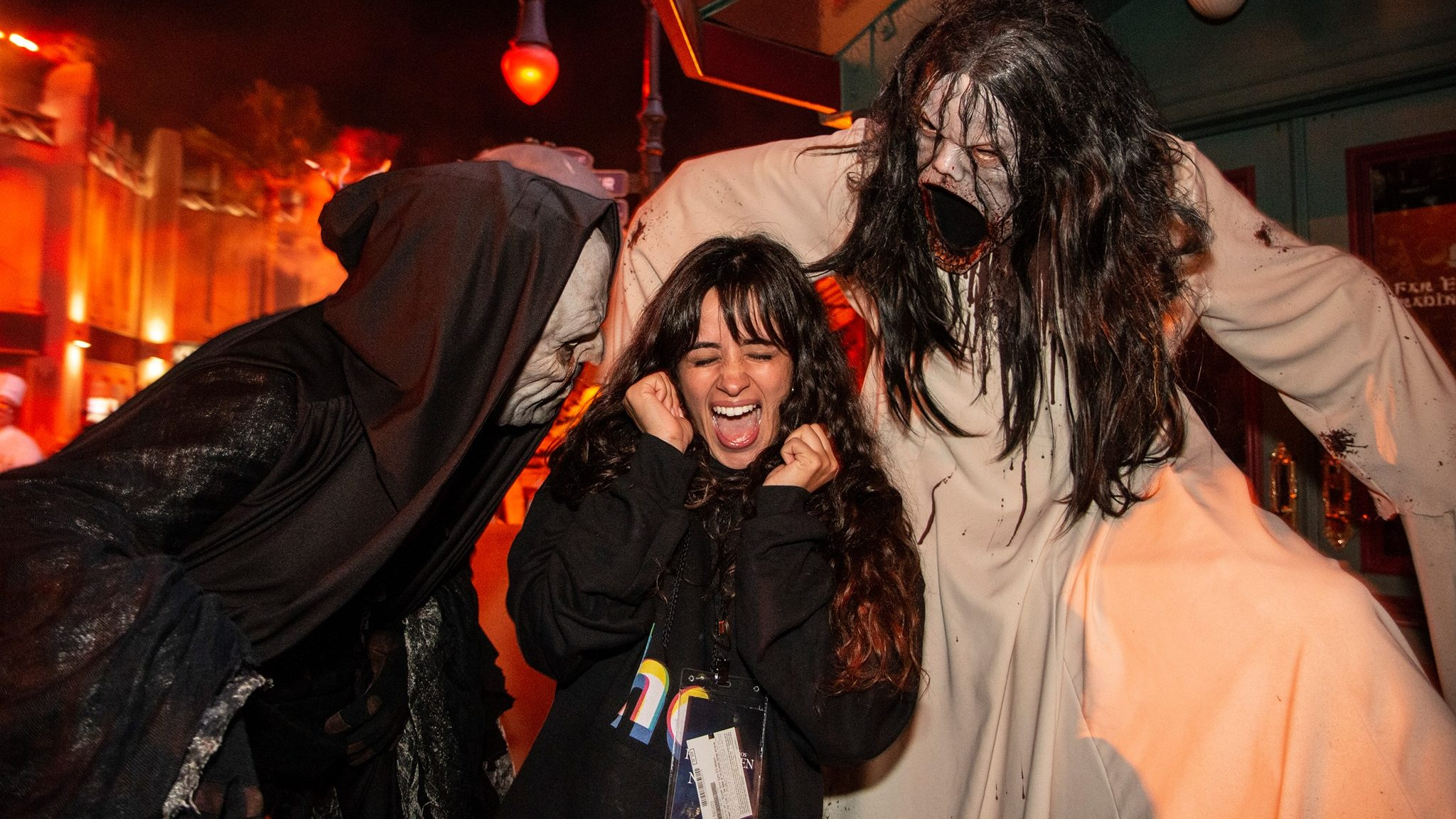
Research published in the Journal of Personality and Individual Differences in 2021, co-authored by psychologist Mathias Clasen, set out to investigate whether people who regularly watch scary movies showed better mental health outcomes during the early days of the COVID-19 lockdown.
They found out that horror fans reported more psychological resilience under stress than those who avoided the genre entirely.
Clasen's explanation is compelling. When you engage in what he calls "recreational fear activities" — watching scary movies, visiting haunted houses, even reading horror fiction — you are actively practising emotion regulation.
You are teaching your nervous system how to sit inside discomfort without collapsing. That is a transferable skill.
Matthew Strohl, a philosophy professor at the University of Montana and author of Why It's OK to Love Bad Movies, describes it this way: you gain distance from your fears. You gain a sense of control over them through repeated, fictional exposure.
Because you know you are watching a movie, you hold the wheel, even when the monster does not.
It Gives You Control Over Something When Life Won't
This is something that probably hits close to home if you are a young African navigating a difficult economy, unreliable infrastructure, and a general sense that very little is within your power. Horror movies let you choose your fear.
Most things that stress us out are not things we can turn off. But a horror movie is a stressor that has a remote. You can pause it, rewind it, and watch the monster get killed at the end.
However, it is important to note that voluntary engagement is very key.
Choosing fear, on your own terms, is a small but meaningful act of control that your brain registers and rewards.
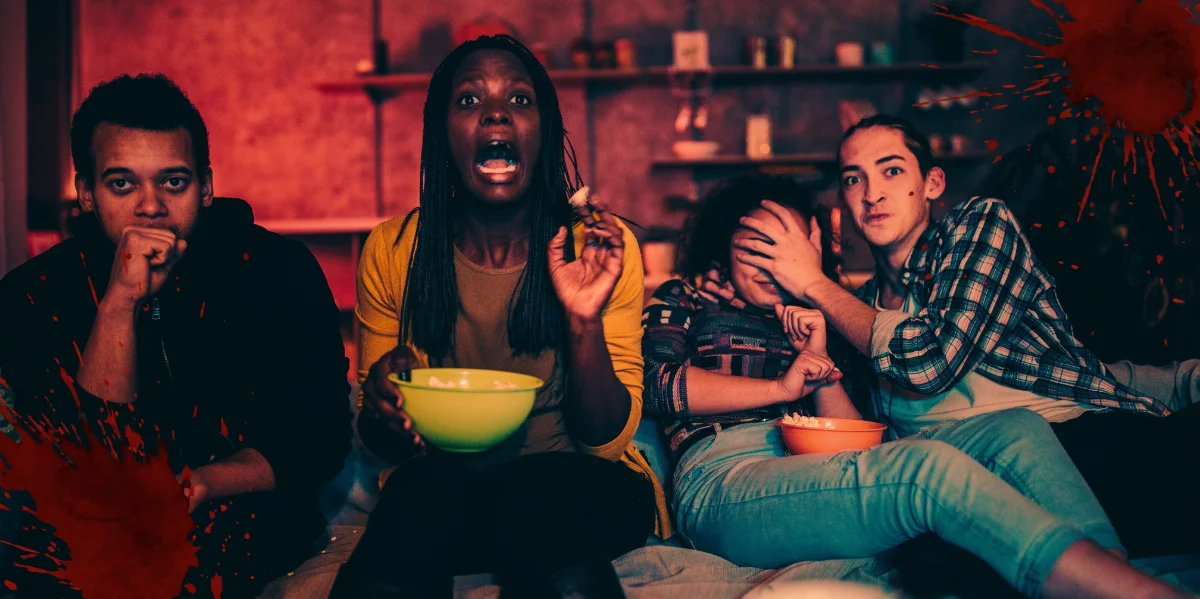
Watching Scary Movies With People Is Actually Good Bonding

You know that thing where everyone presses together on the sofa the moment something sinister happens on screen? There is science behind that too.
Psychologist Shelly E. Taylor's "tend and befriend" theorydescribes how shared stress, the kind horror movies reliably manufacture, can actually strengthen social bonds. When your body perceives a threat, one of its responses is to draw closer to the people around you.
Shared fear becomes shared relief, and that cycle is a surprisingly effective glue for relationships.
Research backs this up. A 2022 study in the Journal of Media Psychology, led by Dr. Coltan Scrivner, categorised horror fans into three types.
There are the Adrenaline Junkies, who enjoy the immediate rush; White Knucklers, who push through the discomfort for a sense of personal growth; and Dark Copers, who use horror to process real-world darkness and come out feeling that their own life, by comparison, is manageable.
All three types reported meaningful psychological payoffs from their horror consumption. A horror movie night is low-key community care.
It Teaches You to Sit With the Uncomfortable
One of the most underrated benefits of horror, especially for a generation drowning in anxiety, is that it builds what researchers call emotion regulation skills.
A 2020 paper on horror consumption noted that regularly watching the genre may help viewers "build emotion regulation skills that can be utilized to ameliorate the psychological distress that accompanies dysphoric events."
Put simply, horror trains you to feel bad without panicking.
What to Watch This May
If your ancestral protection system (aka African parents) will allow it, May 2026 is a genuinely excellent month for horror. Here are four worth your time:
Hokum(May 1, in theatres)
Obsession(May 15, in theatres)
Passenger(May 22, in theatres)
Backrooms(May 29, in theatres)
So the next time someone tells you horror movies are ruining your spirit, you can tell them, politely, that the Journal of Media Psychologydisagrees. Then press play.