Foods That Naturally Lower Cortisol and Ease Stress
High stress levels can keep cortisol elevated for long periods, impacting sleep, mood, and overall wellbeing. Certain foods contain nutrients that may help the body regulate its stress response more effectively.

=

Stress is a natural response the body uses to handle pressure, but when it becomes constant, it can keep cortisol, the primary stress hormone, elevated for long periods. When this happens, the body can begin to feel the effects in different ways, including fatigue, poor sleep, mood changes, and reduced focus.
While stress cannot be completely avoided, research shows that daily lifestyle choices, including diet, can influence how the body regulates cortisol.
Certain foods contain nutrients that support the nervous system, reduce inflammation, and help the body return to a more balanced state.
This is where nutrition becomes important. What you eat does not remove stress entirely, but it can play a role in how strongly your body responds to it.

These are 10 foods that may help support lower cortisol levels and ease stress over time.
1. Leafy Greens
Spinach, kale, and similar vegetables are rich in folate, a nutrient linked to improved mood regulation and reduced stress sensitivity. They also support gut health, which plays a key role in how the body manages stress signals.
2. Dark Chocolate
Dark chocolate with a high cocoa content (70% and above) contains flavonoids that may help reduce stress hormone activity. In moderate amounts, it can support mood balance and promote a calmer physiological response.
3. Green Tea
Green tea contains L-theanine, an amino acid that has been associated with increased relaxation without causing drowsiness. In a randomised, double-blind, placebo-controlled trial, the salivary cortisol response to a cognitive stressor was reduced following L-theanine consumption, while subjective stress also dropped significantly compared to placebo with no adverse effects on cognitive performance.
4. Fatty Fish (Salmon, Sardines, Mackerel)
Fatty fish are rich in omega-3 fatty acids, which help reduce inflammation and support brain function. These effects may contribute to improved stress regulation and more stable mood patterns over time.
5. Avocado
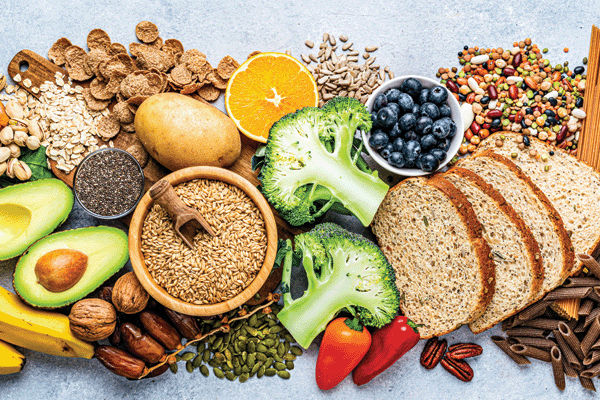
Avocados provide healthy monounsaturated fats along with magnesium, a mineral involved in nervous system regulation. Adequate magnesium intake is associated with improved relaxation and better sleep quality.
6. Legumes (Beans, Lentils, Chickpeas)

Legumes supply complex carbohydrates, fibre, and B vitamins that help stabilise energy levels. Stable blood sugar plays an important role in preventing stress-related energy crashes and mood fluctuations.
7. Berries
Blueberries, raspberries, and cranberries are rich in antioxidants that help reduce oxidative stress in the body. This supports cellular health and may indirectly improve the body’s stress response.
8. Nuts (Almonds, Walnuts, Cashews)
Nuts contain a combination of healthy fats, magnesium, and vitamin E. These nutrients support brain function and may help regulate the nervous system during periods of stress.
9. Eggs
Eggs are a high-quality source of protein and choline, a nutrient important for brain function and neurotransmitter production. This supports stable energy levels and cognitive balance.
10. Chia Seeds
Chia seeds are rich in omega-3 fatty acids and dietary fibre. These nutrients support cardiovascular and metabolic health, which can influence how the body responds to stress over time.
Diet alone does not eliminate stress, but it can influence how the body processes and responds to it. When combined with consistent sleep, physical activity, and recovery practices, nutrient-rich foods can support a more stable internal balance and improve overall resilience to stress.