The Story Behind How Port Harcourt City Earned Its Name
A British politician who never visited Nigeria got his name on one of West Africa's cities. The real story behind how a patch of Ikwerre fishing villages became West Africa's oil capital, coal railways, colonial engineering, and everything in between.
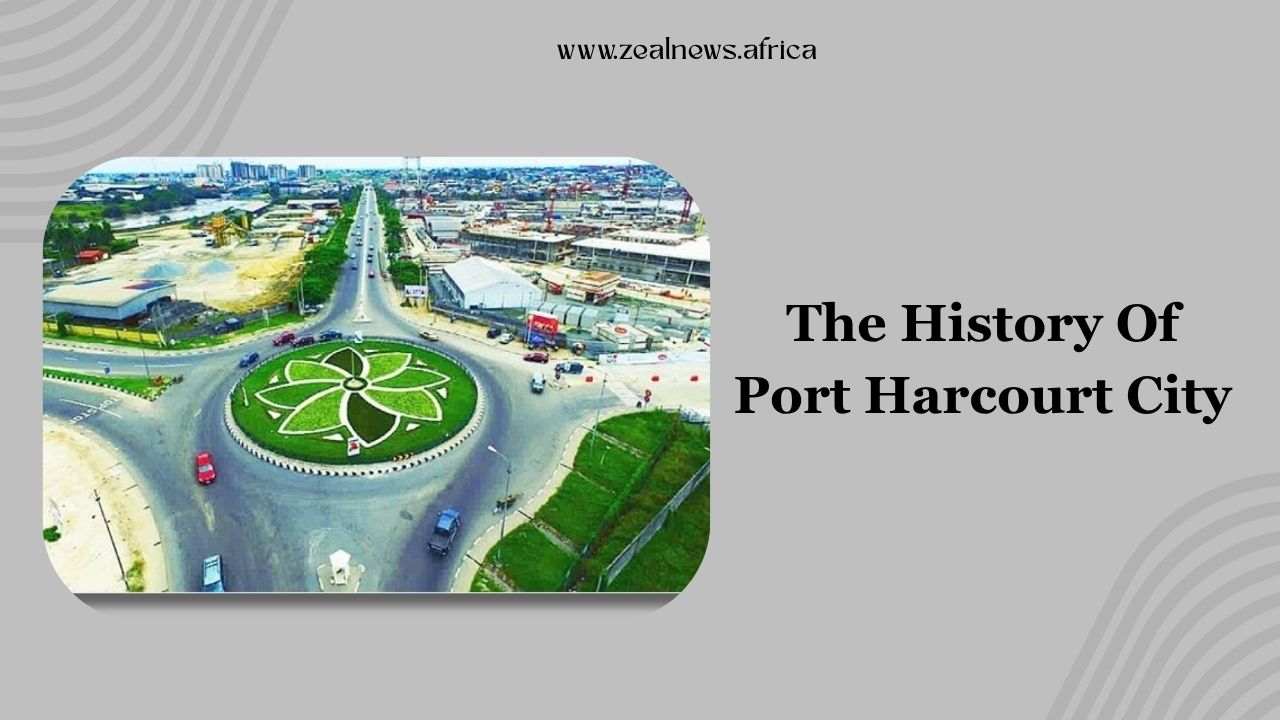
Every Nigerian knows Port Harcourt, the city lives in the national imagination as oil money, traffic, and part of the Niger Delta. People call it PH, others the Garden City, and while it's officially known as the Treasure Base of the Nation, being the capital city of Rivers State.
All of these names stack up like credentials, each one pointing at what the city became, but none of them point to where the name actually came from, and this is the story behind how the city was named.
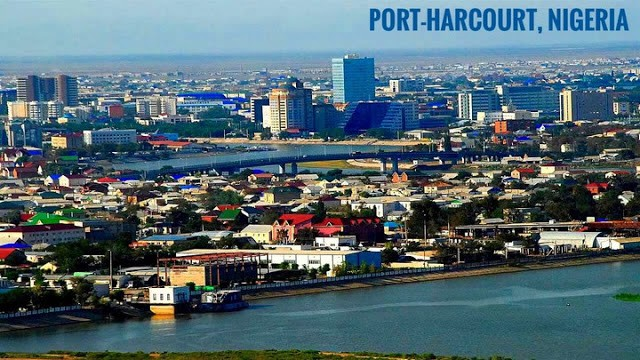
Port Harcourt is a port town and the capital of Rivers State, located in southern Nigeria. It lies along the Bonny River, an eastern distributary of the Niger River, about 41 miles (66 km) upstream from the Gulf of Guinea. The area is traditionally inhabited by the Ijo and Ikwerre (also spelled Ikweri or Ikwerri) people.
Port Harcourt is named after Lewis Harcourt, a British politician who served as Secretary of State for the Colonies between 1910 and 1915. He never set foot in Nigeria and never saw the creeks. He signed papers in London, and a city in the Niger Delta ended up carrying his name for over a century and is still being called so up till today.
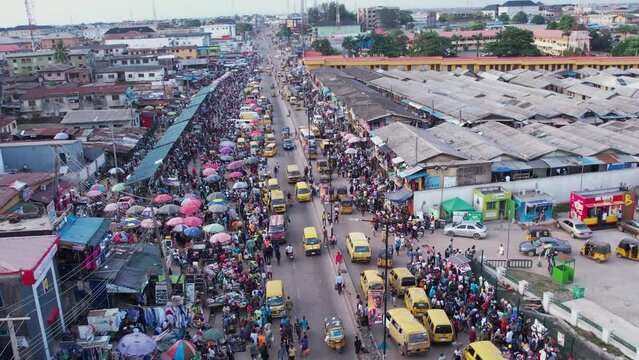
But the name is almost beside the point, the more interesting question is what the British actually built here, and why they chose this particular stretch of swampland to build it.
The answer to that is a story about coal, rivers, engineering ambition, and the kind of calculated investment that colonial governments only made when there was something serious to extract.
What Was Here Before the Port
The land that became Port Harcourt was not empty, and it was not unclaimed. The Ikwerre people had been living along these creeks long before any British surveyor arrived with a map and a mandate.
The area that became the city centre sat on a cluster of Ikwerre villages, the most significant being Rebisi. These were farming and fishing communities, rooted in the ecology of the Niger Delta, its waterways, its mangroves, its seasonal rhythms. Their economy did not need a port. Their geography did not need renaming.
The British arrived in the late 19th century and saw something different. They saw a natural harbour sitting at the convergence of the Bonny River and its tributaries. They saw deep water access close to the interior.
They saw the shortest viable route between the coast and the coal fields of Enugu, roughly 240 kilometres to the north. The Ikwerre villages were, in the colonial calculus, an inconvenience of geography.
The town was formally founded in 1913, and the Ikwerre communities were moved out of the land earmarked for infrastructure. There was no recorded consultation or any formal treaty. The British needed a port, and they built one.
The Coal Railway and the Real Reason This City Exists
Port Harcourt did not begin as a city, it began as a logistics solution. In 1909, the British discovered coal deposits in Udi, near Enugu. Coal was the energy currency of the early 20th century.
It powered steamships, ran locomotives, and kept the industrial economy moving. The problem was getting it out, and the Niger River route through Onitsha was too slow, too shallow in parts, and too dependent on seasonal water levels.
The colonial government needed a new plan. They surveyed the terrain, traced the river systems, and concluded that the eastern bank of the Bonny River offered the most efficient export corridor.
History
Rewind the Stories that Made Africa, Africa
A Journey Through Time, Narrated with Insight.
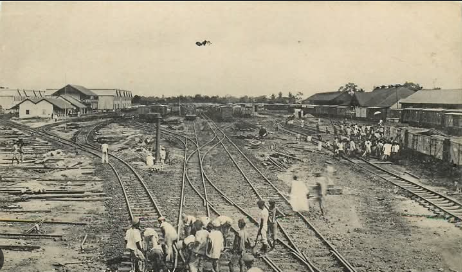
By 1913, construction on the Eastern Railway had begun, connecting the Enugu coalfields southward to the new port terminal, and in 1916, the line was operational. That railway transformed Port Harcourt almost instantly. Coal began moving in volumes the British had planned for.
Ships docked, workers arrived, and a colonial administrative structure went up alongside the wharves and warehouses. Within two decades, what had been a patch of creek-side villages had become the second largest port in British West Africa.
The engineering was genuinely impressive, even by today's standards. The dredging of the harbour to accommodate ocean-going vessels, the construction of the railway through difficult Delta terrain, and the building of a planned city grid on low-lying, waterlogged land were serious technical achievements.
The British were solving a real logistical problem, and they solved it well. The fact that they were doing it primarily to extract Nigerian resources does not cancel the scale of what they built. It just clarifies why they built it.
Oil Changed Everything the Coal Port Had Built
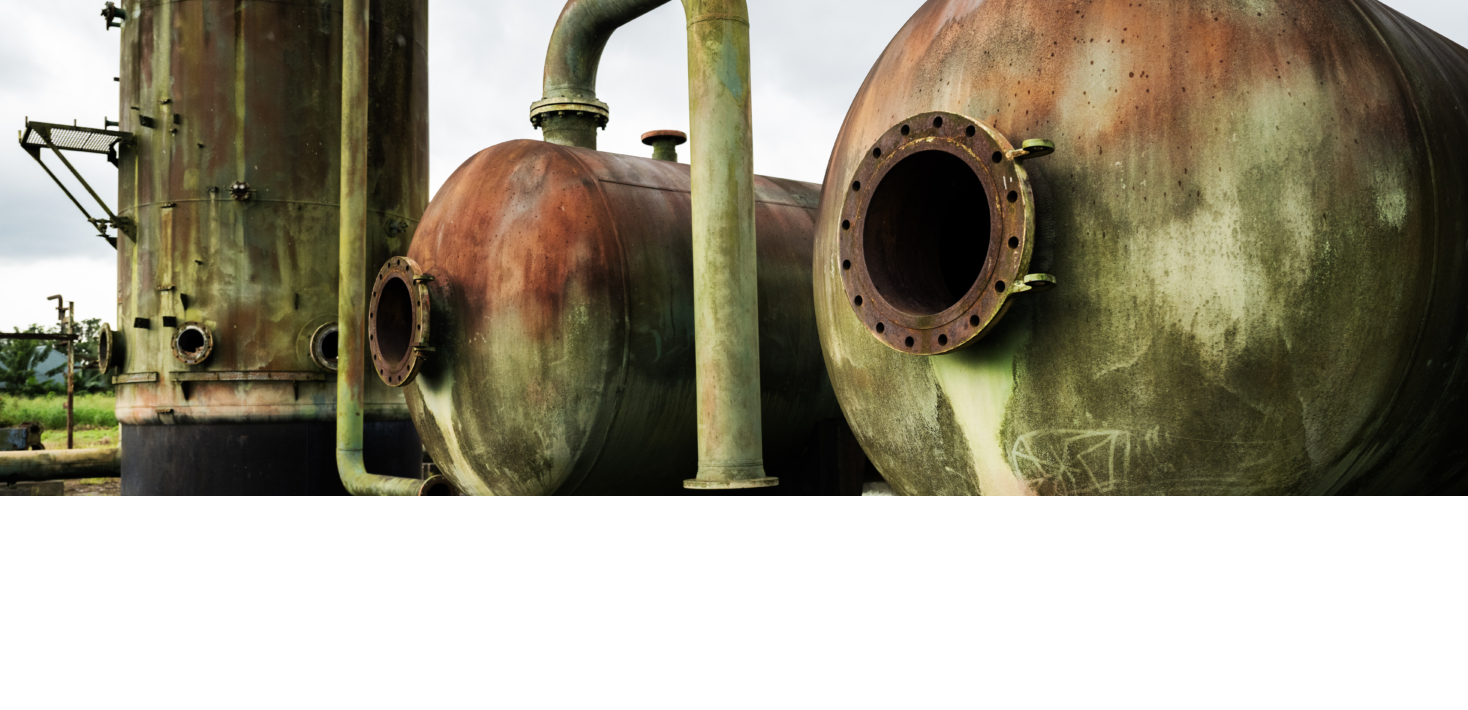

The coal era defined Port Harcourt's first four decades. Then, in 1956, Shell-BP struck oil in commercial quantities at Oloibiri, a small community in present-day Bayelsa State. The nearest major port with the infrastructure to handle large-scale export operations was Port Harcourt.
The timing was almost cinematic, and Nigeria was three years away from independence. A city built to export coal was about to become the nerve centre of what would become Africa's largest oil economy.
The Eastern Railway that had carried coal now served the petroleum industry's support logistics. The deep harbour that coal ships had used became critical infrastructure for oil service vessels, tankers, and the entire offshore supply chain.
Port Harcourt expanded rapidly, drawing in engineers, traders, civil servants, and workers from across Nigeria and beyond. The population that stood at around 7,000 at independence grew to over 180,000 by 1975, then past a million by the 1990s.
Companies that serviced the oil industry set up headquarters here. Expatriate communities grew. Real estate followed. The city that a British Secretary of State named in an office in London had become one of the most economically consequential urban centres on the African continent, not because of anything Lewis Harcourt planned, but because the ground beneath it kept producing things the world wanted.
The Garden City That the Delta Made and the Name That Stayed
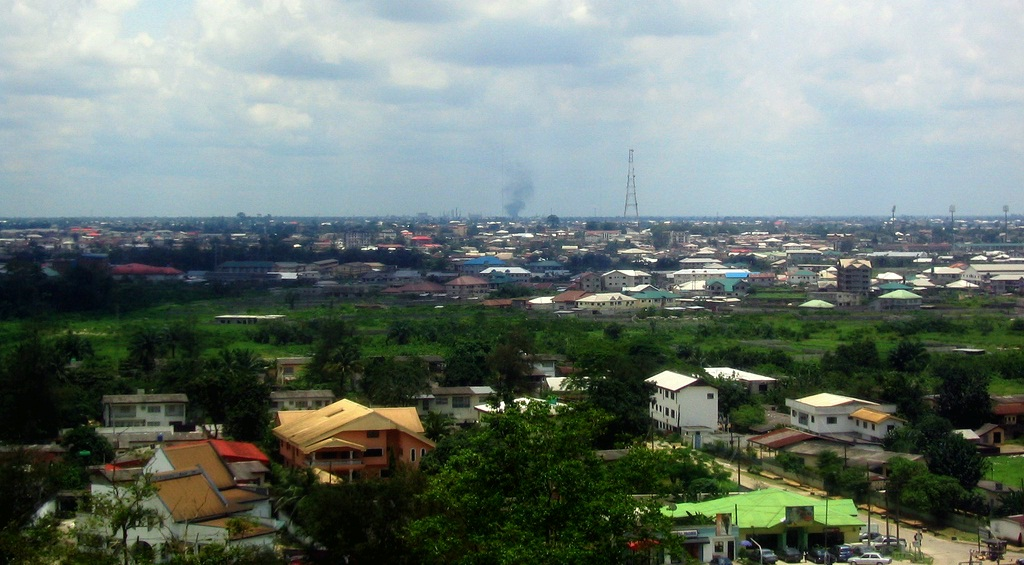
Port Harcourt earned its Garden City nickname early. The colonial administration, unusually deliberate in its urban planning for this particular site, designed wide streets, planted trees along major roads, and created residential layouts with green buffers.
The greenery was partly aesthetic and partly functional, the city sat in a humid, tropical zone where vegetation was easy, and the alternative, unmanaged swamp, was not.
The garden character faded as the city grew faster than any plan could contain. Oil wealth drew the population, and the population strained the infrastructure. The wide colonial roads became congested. The trees gave way to commercial buildings. The nickname survived even as the reality it described did not.
Nigeria has been independent since 1960. Port Harcourt has been a global oil city for nearly 70 years. Nobody has renamed it, and the Rivers State governments have had far more pressing battles to fight, militancy, environmental degradation from oil spills across the Delta, and a city infrastructure buckling under population pressure. A name change has not ranked as urgent.
But the Ikwerre and other host communities of the Niger Delta are still living with the consequences of what that port was built to do. Between pipeline vandalism, gas flaring, and decades of oil spills, communities across Rivers State live with environmental damage that no compensation payment has meaningfully addressed.
History
Rewind the Stories that Made Africa, Africa
A Journey Through Time, Narrated with Insight.
The extraction logic that built the port in 1913 is the same logic that has governed the oil industry's relationship with the Niger Delta for the past seven decades. Lewis Harcourt never came to see the city bearing his name.
The coal that created it is gone, and the oil that made it matter is running down. What remains is a city of over three million people built on a foundation that was always about getting something out, rather than building something lasting for the people already there.
The port still operates. The name is still on every map, and the question of who the city was actually built for has never really been answered.