Should You Brush Your Teeth Before or After Breakfast?
Reports reveal that millions of people may be brushing their teeth at the wrong time every morning. New insights on oral hygiene reveal why brushing before breakfast can better protect tooth enamel, reduce acid erosion, prevent cavities, and improve long-term dental health without drastically changing your daily routine.
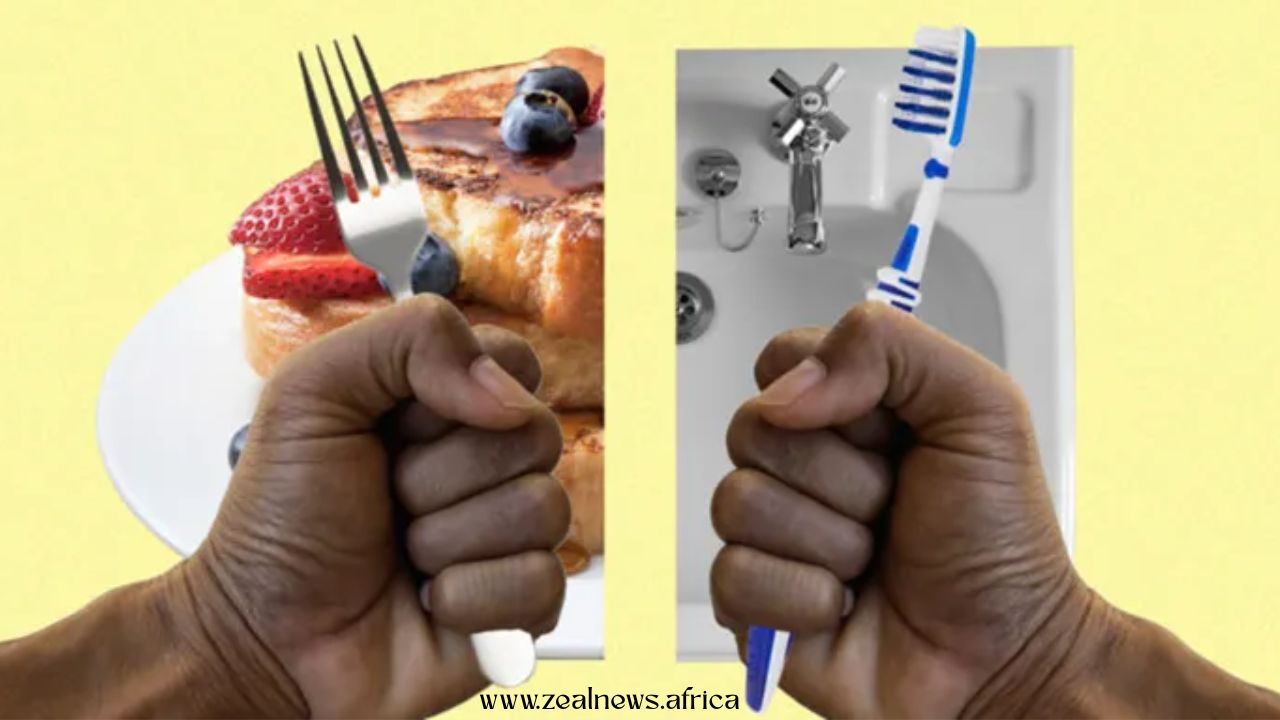
For many people, brushing their teeth is the very first thing they do after waking up. Others wait until after breakfast, believing it makes more sense to clean away food particles before stepping out for the day.
But according to dental experts, the timing of your morning brushing routine may play a bigger role in oral health than most people realize.
A published article as reported by Health explained this long-running debate through insights from Dr. Steven S. Toth, an associate professor of Diagnostic Sciences at Rutgers School of Dental Medicine. His explanation sheds light on why many dentists advise brushing before breakfast instead of immediately after eating.
Why Dentists Recommend Brushing Before Breakfast
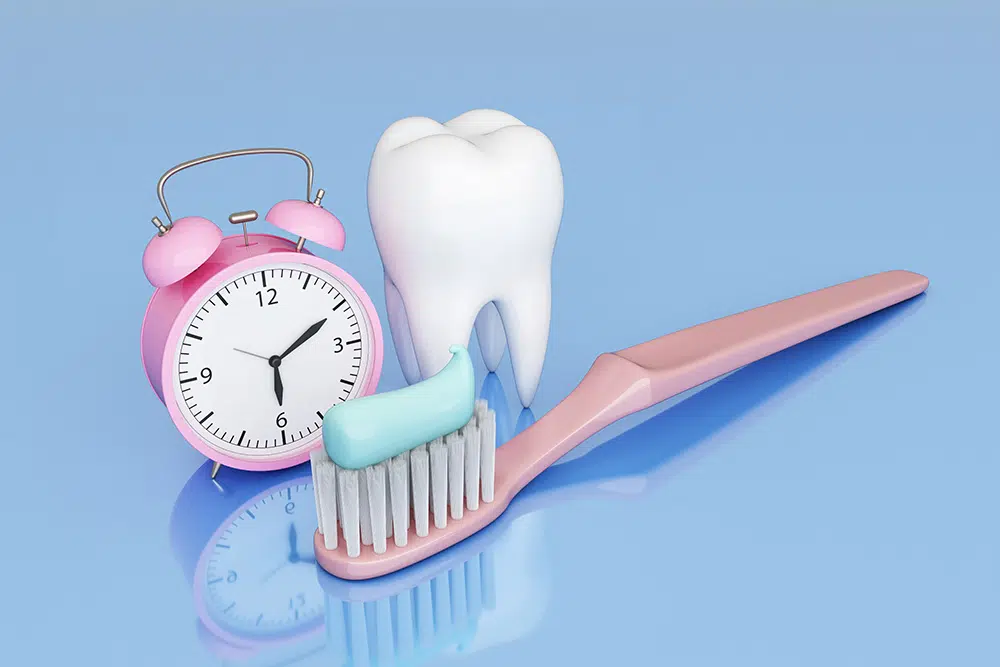
During sleep, saliva production naturally decreases. Saliva plays a critical role in protecting the mouth because it helps wash away bacteria and neutralize acids that contribute to tooth decay and bad breath. With less saliva overnight, bacteria multiply more easily and form plaque on the teeth by morning.
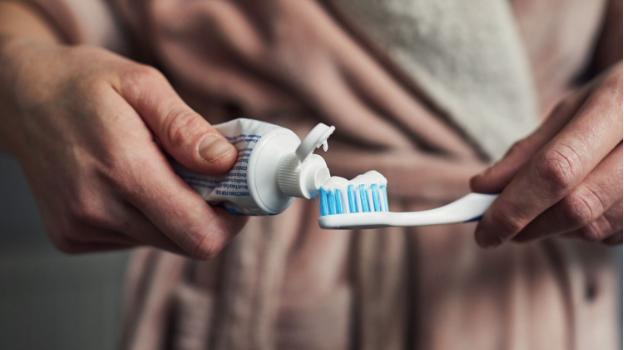
According to Health’s interview with Dr. Toth, brushing first thing in the morning removes that plaque buildup while also applying fluoride directly to the enamel. This strengthens the teeth before they are exposed to food, sugar, and acidic drinks.
The concern with brushing immediately after breakfast is that many common breakfast items, including coffee, fruit juice, and soda, temporarily weaken tooth enamel because of their acidity.
Scrubbing the teeth during that weakened state can gradually wear down enamel over time, increasing the risk of sensitivity and erosion.
The Problem With Brushing Right After Eating
Many people assume brushing immediately after meals is healthier, but dentists say timing is important. If breakfast includes acidic foods or beverages, experts recommend waiting at least 30 minutes before brushing again. This allows saliva enough time to neutralize acids and help remineralize the enamel naturally.
It is also reported that rinsing the mouth with water after breakfast can help reduce acidity before brushing later. For people who still prefer brushing after meals, waiting is considered the safer option for long-term enamel protection.
Interestingly, dentists say brushing twice within a short morning window is usually unnecessary if the first brushing session was done properly with fluoride toothpaste.
How to Keep Your Breath Fresh Without Brushing Again in the Morning
Fresh breath remains one reason many people prefer brushing after breakfast. Nobody wants to walk out of the house after eating without feeling clean . However, dental experts say there are other effective ways to maintain oral freshness without risking enamel damage.
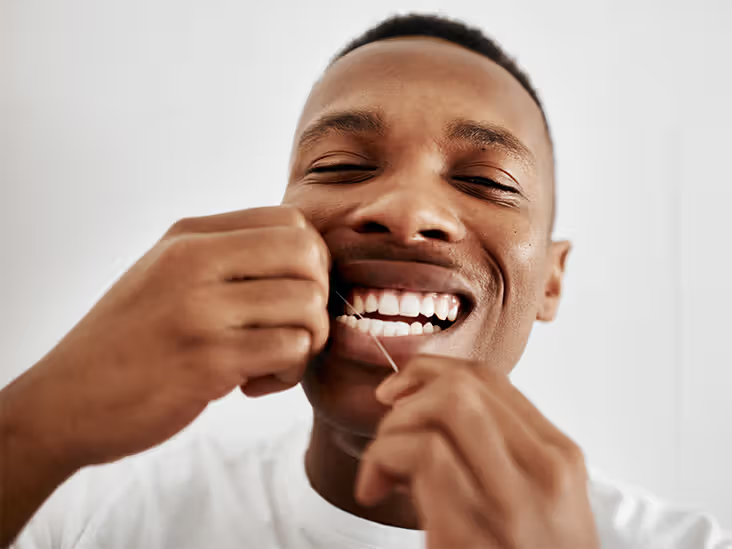
Health outlines several alternatives that work without requiring a second round of brushing ranging from using alcohol-free mouthwash, chewing sugar-free gum, and cleaning the tongue with either a toothbrush or tongue scraper. The tongue often holds odor-causing bacteria that develop overnight and are commonly missed during regular brushing.
Even something as simple as rinsing with plain water after eating can help wash away food particles and dilute acids in the mouth.
The message from this is that oral health is not only about brushing regularly but also about brushing strategically. For most people, brushing before breakfast appears to offer the best balance between cavity prevention, enamel protection, and maintaining healthy teeth over time.