Frontals Are Giving Young Women Traction Alopecia, And Many Don't Know It
Lace frontals are one of the most popular protective styles on the continent, but they may be quietly destroying your hairline. Here's what traction alopecia actually is, why African women are most at risk, and what to do before the damage becomes permanent.
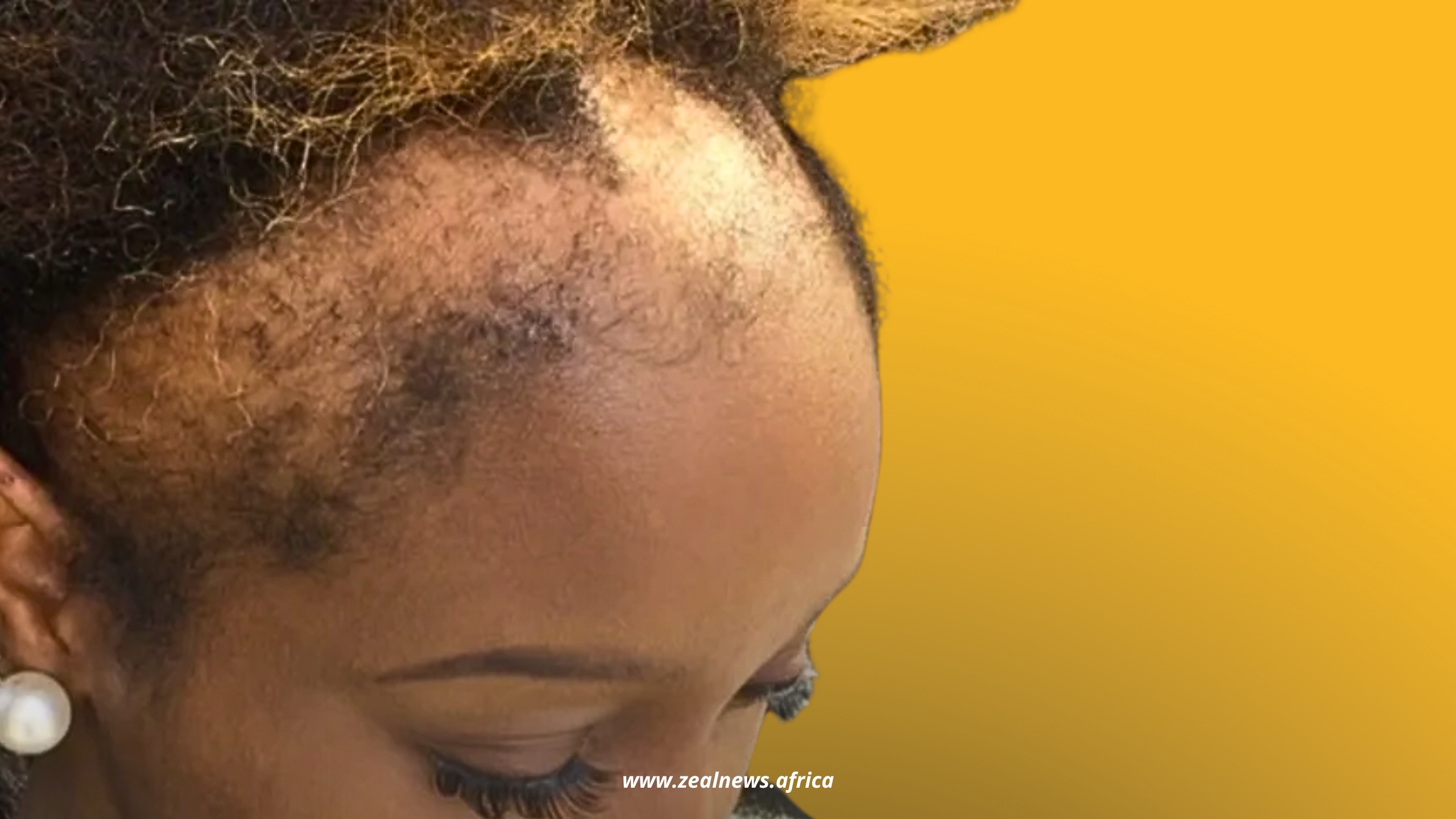
You have noticed it. Maybe it was in a bright bathroom mirror, or under harsh fluorescent lights at work. A little too much forehead. A hairline that seems to start further back than it used to.
You blamed stress, or maybe you told yourself your edges were just "shedding." But the truth is your hairline might be receding, and your beloved lace frontal could be the reason why.
Traction alopecia is a form of hair loss caused by sustained tension on the hair follicles. It doesn't happen overnight, and that is exactly why it is so dangerous.
It creeps in slowly, masked by the very style meant to make you look polished and put-together. By the time you notice it, the damage may already be deep.
What Is Actually Happening to Your Follicles
The hair follicle is not indestructible. When your frontal is glued down to your hairline and laid flat, baby hair and all, that adhesive is not just sitting on your skin. It is anchoring the wig to the most vulnerable stretch of your scalp, the marginal hairline where the follicles are already the most delicate.
Every time you press down that lace, tie a silk scarf to melt the glue or peel it off in a single aggressive motion, you are creating mechanical trauma at the root level.
Removing adhesives from the scalp can cause hair loss along the frontal hairline through mechanical damage to hair follicles from excessive pulling.
In the early stages, traction alopecia is reversible. But if the pulling force continues for too long, follicles are permanently destroyed and hair loss becomes irreversible.
That window between "fixable" and "permanent" is narrower than most women realise, especially when they are switching from one frontal install to the next without giving their hairline any time to breathe.
Why African Women Are at Higher Risk
Women of African descent are at higher risk because the shape of African hair follicles makes the hair more susceptible to damage from rough or tight hairstyles.
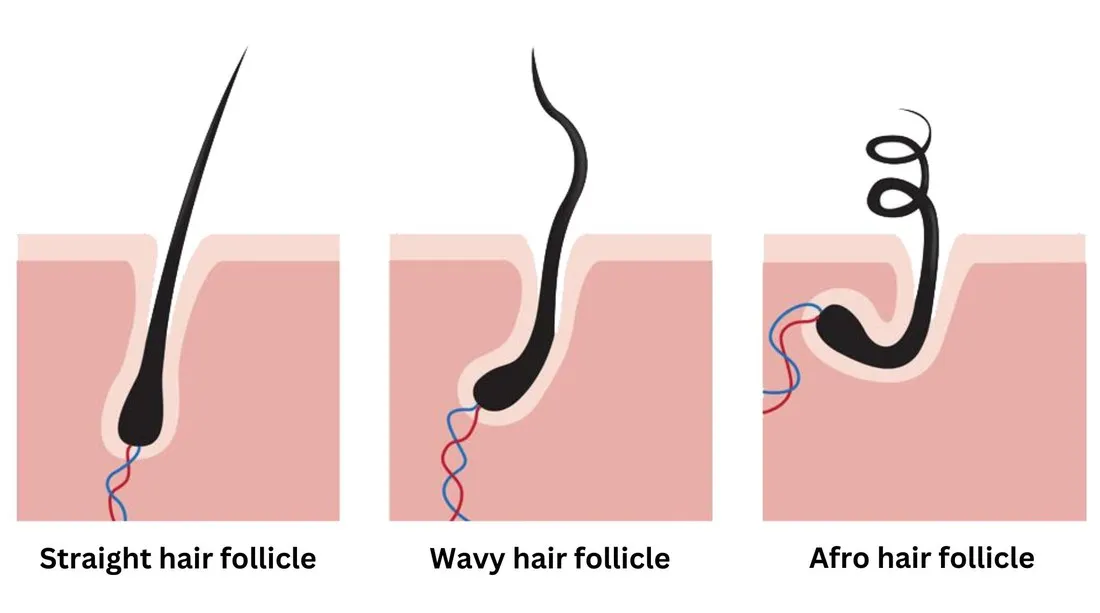
The naturally curled structure of Afro-textured hair means the follicles sit at a curved angle in the scalp, which puts them under additional mechanical stress when tension is applied compared to straighter hair types.
Traction alopecia affects one-third of women of African descent who wear traumatic hairstyles for a prolonged period of time.
The risk increases with the extent of pulling, the duration of traction, and the use of chemical relaxers.
Add glue, add a bi-weekly install schedule, add the habit of slicking down the baby hairs with edge control and a hard brush and you have the perfect formula for a receding hairline by your mid-twenties.
The Signs You Are Probably Ignoring
The problem with traction alopecia is that its early symptoms are easy to dismiss. Early on, traction alopecia might show up as small bumps on your scalp that look like pimples.
Then comes itching, tenderness around the hairline, and fine, wispy hairs where there used to be fuller growth. Many people tend to attribute the changes to "seasonal shedding," which is exactly how months of damage go unaddressed.
The technical term for those fragile, miniaturised hairs you see stubbornly sitting at the very front of a receding hairline is the "fringe sign" and it is a red flag.
If you are running your fingers along your hairline and it feels thin, sparse, or shorter than it once was, do not wait.

The Glue Is the Villain Here

Not all frontal damage comes from the tension of tight cornrows underneath. The adhesive itself deserves serious scrutiny.
Glues like Got2b Glued are especially notorious for leading to hair loss along the hairline.
Beyond the glue, glue extensions and double-sided tape can block scalp pores, damage follicles, and induce permanent harm, resulting in hair dryness, scalp irritation, tension headaches, and ultimately thinning or bald patches.
Glueless frontals are not automatically safe either, if the wig cap is too tight, if the elastic band is pulling across the edges constantly, or if the style underneath is too tight.
Every layer of tension adds up.
What You Can Actually Do About It
Start by giving your hairline a real break — not a one-week break before your next install, but genuine, sustained rest.

Glueless wig. Credit: Hermosa Hair
Wear glueless wigs loosely, or lean into protective styles that do not require your edges to bear any weight.
Switching immediately to loose, protective hairstyles to prevent further damage is one of the first steps, alongside avoiding heavy extensions, tight buns, or any style that pulls on the scalp.
Scalp care matters just as much as what you put on top of your head. Massage the hairline to stimulate blood circulation.
Keep the skin clean and free of product buildup. If you are seeing signs of thinning, consult a dermatologist before the situation moves from reversible to permanent.
For advanced cases, treatments like corticosteroid injections or platelet-rich plasma therapy exist, and in cases of permanent hair loss, surgical options like hair transplants may be considered.
The lace frontal is not going anywhere and neither should your hairline. The two can coexist, but only if you stop treating your edges like they are invincible.
Meta description: Lace frontals are one of the most popular protective styles on the continent — but they may be quietly destroying your hairline. Here's what traction alopecia actually is, why African women are most at risk, and what to do before the damage becomes permanent.
Tags: #HairCare, #TractionAlopecia, #BlackWomen'sHealth, #Beauty