Cultural Appropriation, Context, and the Nuance the Internet Keeps Ignoring
Cultural appropriation is real, but the internet keeps flattening it into aesthetics and outrage. Understanding power, context, and exploitation matters more than viral accusations.
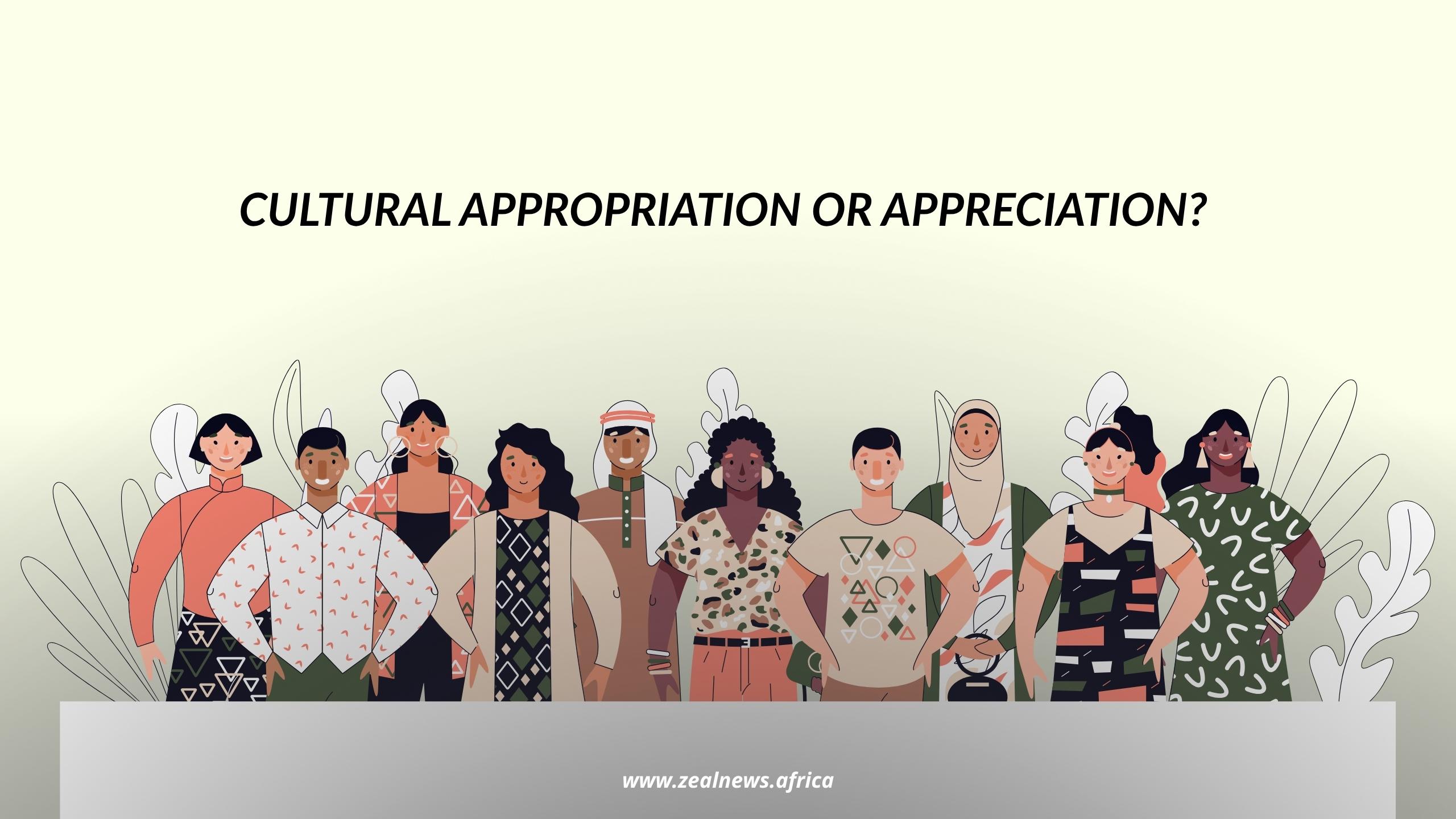
The internet has never met a term it couldn't flatten into a weapon.
"Gaslighting" now means anyone who disagrees with you. "Traumatic experience" is what happens when your favourite show gets cancelled.
And "cultural appropriation", a term with real historical weight and real stakes, has become the go-to accusation for anyone doing anything adjacent to a culture that isn't theirs.
White girl wears box braids? Appropriation. Non-Indian person prepares curry? Appropriation. Korean pop group dresses "hip-hop"? Appropriation.
Sometimes, yes, but more often than not, the word is being fired without a single thought about what it actually means or what it was coined to do.
That is a problem.
What the Term Actually Means
Cultural appropriation, at its core, is about power.
It describes what happens when a dominant group adopts elements from a marginalised culture, usually without credit, compensation, and understanding, while the people those elements belong to are simultaneously punished or mocked for them.

It is not just "person from Culture A does something from Culture B." It is the power imbalance and erasure.
It is the fact that Black women have been told their natural hair is unprofessional for decades while non-Black women wear the same styles on runways and are called edgy and fashion-forward.
It is the fact that indigenous spiritual practices were criminalized in the same countries where non-Indigenous people now sell those same practices as wellness retreats for $800 a session.
The harm isn't in the borrowing. It is in who profits, who gets erased, and what gets lost in translation.
That context is the entire argument, and the internet keeps throwing it in the bin.
Where the Internet Goes Wrong
The usual scenario we find on the internet goes like this: someone sees a person from outside a culture engaging with an element of it, skips every question about power or intent, and hits post.
Culture
Read Between the Lines of African Society
Your Gateway to Africa's Untold Cultural Narratives.
The discourse that follows is usually about aesthetics, rarely about structural harm.
Kim Kardashian's shapewear brand was originally named "Kimono" — that is appropriation. A non-Japanese tourist doing a tea ceremony respectfully because they find it beautiful? That is just a person living.
The internet, somehow, treats both with the same energy.
This flattening matters because it makes the conversation impossible to have seriously. When everything is appropriation, nothing is.
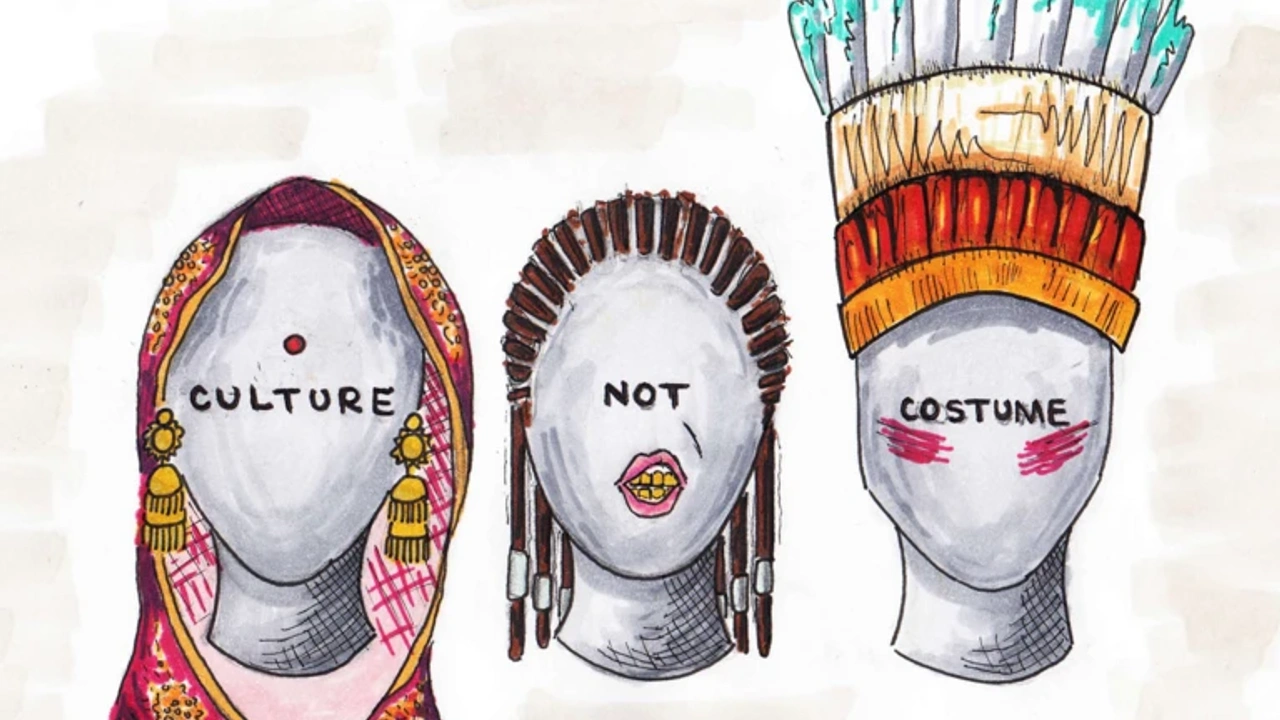
When you call a white teenager problematic for listening to Afrobeats, you have used up the same moral urgency that should be reserved for, say, a corporation mass-producing sacred Indigenous symbols as Halloween costumes.

These are not equivalent situations. Treating them like they are doesn't protect marginalized cultures. It just makes progressivism look exhausting and unserious.
The Line Between Appreciation and Exploitation
There is a genuine, functional difference between cultural exchange and cultural exploitation, and it comes down to a few honest questions.
Is there acknowledgment of where something comes from? Is the originating community benefiting in any way, or being actively harmed? Is the element being used stripped of its significance and repackaged as trend? Is there a power dynamic being reinforced?
A Black American rapper sampling Fela Kuti with no credit is a conversation aboutintellectual property and African musical legacy. A non-African DJ doing the same, making millions, while African artists struggle to distribute their music globally, is a structural problem.
A Japanese fashion house being inspired by West African textiles is worthy of scrutiny. A West African designer using denim, a fabric with European origins, is just fashion.
The direction of power and extraction matters.
The Cost of Getting It Wrong
Every time someone weaponizes "cultural appropriation" incorrectly, two things happen.
First, it alienates people who might otherwise be genuine allies and learners.
Second, and more importantly, it dilutes the actual cases, the ones involving exploitation, erasure, and generational harm, into background noise.
Afua Hirsch said it well when she pushed back on media conversations that reduced the whole debate to "is it okay for white people to do this." That framing, she argued, misses the broader architecture of racism and imperial extraction that makes certain acts harmful in the first place.
Culture
Read Between the Lines of African Society
Your Gateway to Africa's Untold Cultural Narratives.
The system is the problem, not usually the individual act.
Call It What It Is, But Know What It Is First
Cultural appropriation is real. It has caused measurable harm to real communities.
It deserves to be named clearly and called out loudly when it actually happens, but that requires doing the homework — understanding context, power, and history before reaching for the accusation.
The internet doesn't owe marginalized cultures laziness on their behalf. If anything, they deserve precision.