Pardons, Remissions and Commutations: What Five Governors Did on Nigeria’s 66th Independence Day
Independence Day took on a different meaning for some Nigerian inmates as governors in five states granted pardons, releases, sentence reductions and commutations.

Nigeria's 66th Independence anniversary came with the usual speeches and celebrations on Thursday. In five states, however, some of the day's official announcements concerned people behind correctional-centre gates.
Governors announced pardons, releases and the commutation of death sentences to life imprisonment, affecting inmates and convicts whose cases had been reviewed under their constitutional powers of mercy.
What Governors Did Across Five States
In Plateau State, Governor Caleb Mutfwanggranted absolute pardon to 130 inmates and commuted the death sentences of four others to life imprisonment.
The four are Zuhumnan Musa, Jeremiah Aese, Pam Lang and Thoma Danboyi. Mutfwang's decision followed consultation with the State Advisory Council on the Prerogative of Mercy.
In Adamawa, Governor Ahmadu Fintiri pardoned and released nine inmates. He also commuted the death sentence of Saidu Abdullahi to life imprisonment, acting on the advice of the state's Advisory Committee on the Prerogative of Mercy.
Kogi had101 beneficiaries. Governor Usman Ododo said 94 people were granted mercy, while seven received remission of sentence. The state's seven-member advisory council had reviewed case records, representations and correctional reports and visited correctional centres before making its recommendations.
In Enugu, Governor Peter Mbahapproved pardon, release and commutation of sentences for 13 inmates. The state said some death sentences were commuted to life imprisonment, with reports of ill health and proven reform in character among the factors behind the recommendations.
In Taraba, Governor Agbu Kefasannounced clemency for 24 inmates whose cases had been reviewed.
Independence, Seen From the Prison Cell
Independence is usually spoken about in terms of a country: Nigeria taking charge of its own affairs in 1960, building its institutions and deciding its future.
For someone serving a prison sentence, freedom is much more immediate.
It can be the order that sends them home. It can be a sentence reduced after years in custody and for someone on death row, it can be the difference between a death sentence and life imprisonment.
The governors were exercising an existing constitutional power on a day built around the idea of freedom, but the decisions themselves were far more specific than the symbolism of the anniversary. Each one was tied to an individual case, a sentence and, in some instances, a record of conduct or circumstances considered before mercy was granted.
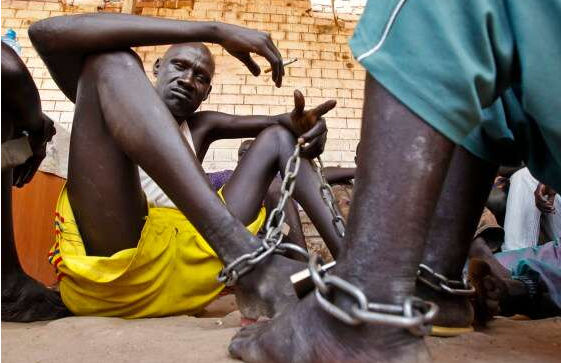
Kogi's review process, for example, considered age, health, time served, conduct in custody, remorse, rehabilitation, vocational skills, family and community support, the interests of victims and public safety.
The Power Behind the Decisions
This power comes from Section 212 of Nigeria's Constitution.


It allows a state governor to grant a pardon, grant a respite, substitute a less severe punishment or remit all or part of a punishment for an offence created by state law. The governor must exercise the power after consulting the state's Advisory Council on the Prerogative of Mercy.
That provision accounts for the different language used in this year's announcements. In Plateau and Adamawa, death sentences were commuted to life imprisonment. In Kogi, seven sentences were remitted. Elsewhere, governors announced pardons and releases.
The decisions therefore did not produce one single outcome. They gave different people different forms of relief, with some leaving correctional centres and others remaining in custody under a different sentence.