10 Currencies Soaring Against the U.S. Dollar
The US dollar is slipping, and some currencies are surging. From the Israeli shekel’s surprising 20% jump to the Nigerian naira’s policy-driven rebound, here are the 10 strongest currencies against the dollar in 2026 and what’s driving their rise.
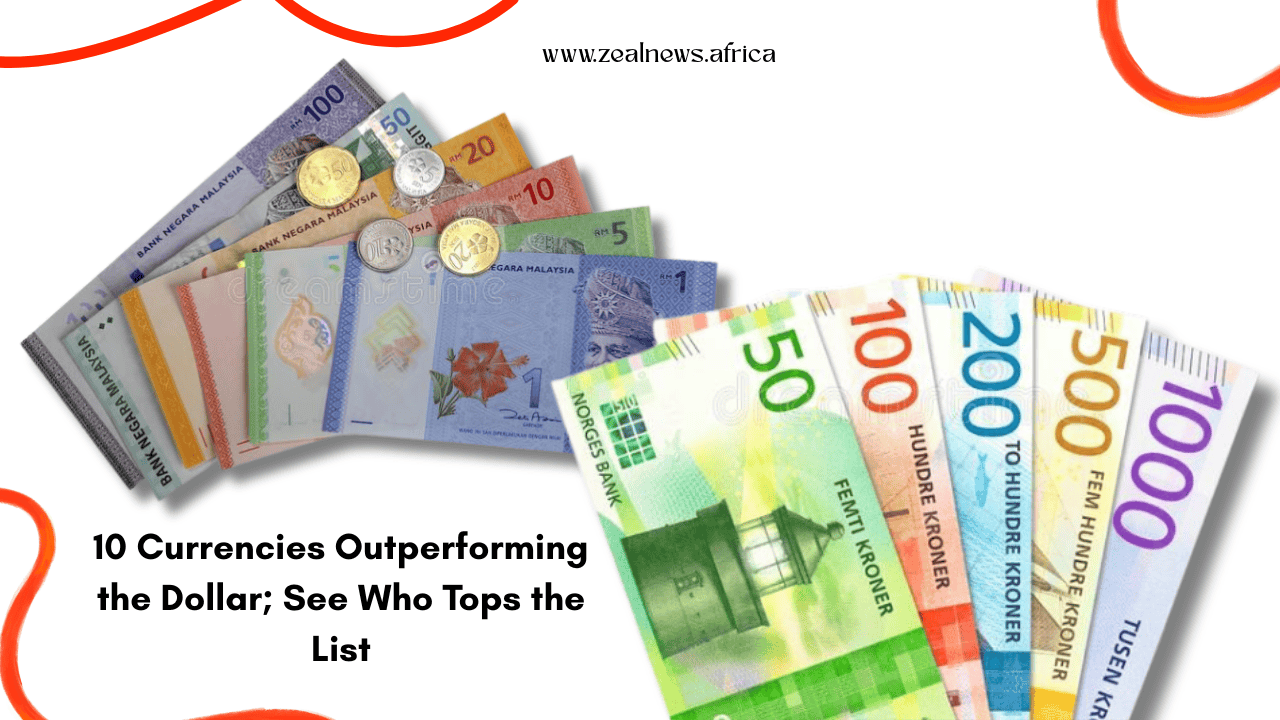
The US dollar has had a rough year. Market unease over the Trump administration's unpredictable policy environment, earlier expectations of Federal Reserve rate cuts, and shifting global capital flows have all chipped away at the greenback's value.
The result: a wave of currencies posting double-digit gains against the dollar, some from expected corners, some from surprising ones.
Using data from Trading Economics, Visual Capitalist ranked the ten best-performing currencies from countries with annual GDP above $250 billion. The gains are year-over-year, as of April 6, 2026.
1. Israeli Shekel — +20.2%
The biggest winner is also the most counterintuitive. Israel has been at the centre of active military conflict since late 2023, yet its currency has outperformed every other major economy against the dollar over the past year.
The Bank of Israel attributes the shekel's strength to the resilience of the Israeli economy, strong export performance, and sustained foreign direct investment; factors that have continued to draw capital into the country even amid war.
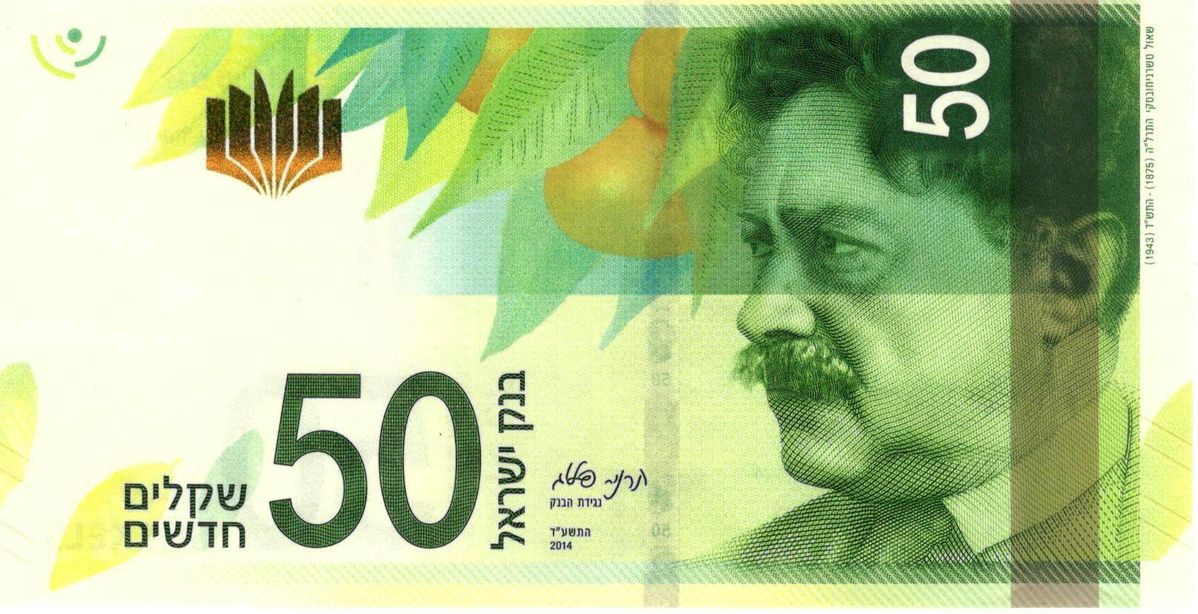
A 20.2% gain against the dollar in one year is not just impressive; for a conflict economy, it is remarkable.
2. Colombian Peso — +19.7%
Colombia's peso is the second-biggest gainer, up 19.7% against the dollar. The country has benefited from elevated commodity prices. Colombia is a significant oil and coffee exporter, alongside improved investor sentiment and relatively stable monetary policy.
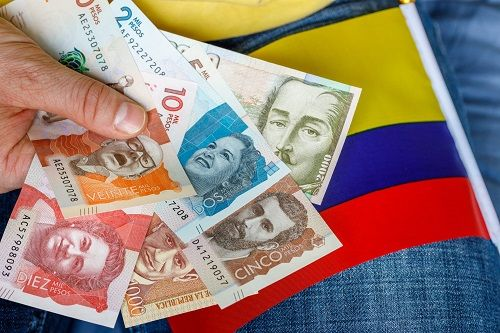
The peso's recovery is notable given how sharply it had fallen in prior years, and signals a broader re-rating of Colombian economic fundamentals.
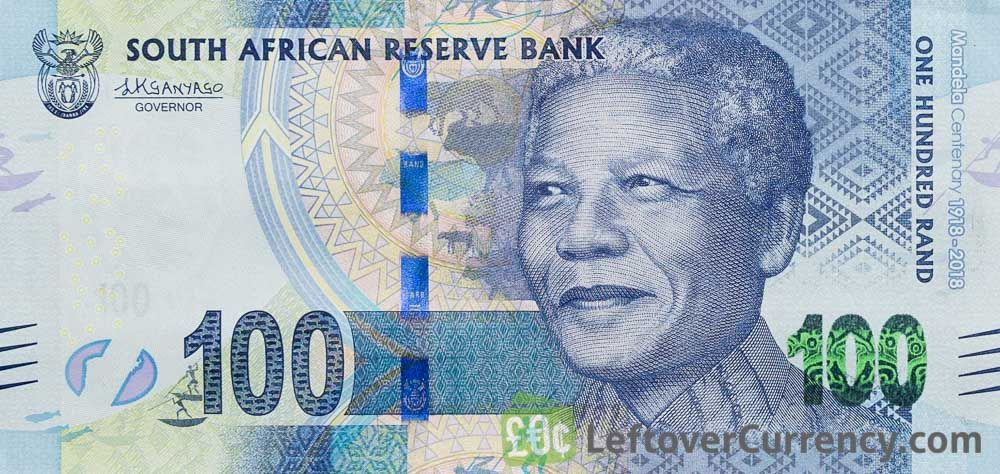
3. South African Rand — +16.4%
The rand gained 16.4%, driven by a combination of recovering commodity demand, improved political stability following South Africa's Government of National Unity formed in 2024, and the global dollar pullback.
South Africa remains exposed to global risk sentiment and China's economic health, but the past year has seen consistent inflows into rand-denominated assets as investors searched for yield outside the US.
4. Mexican Peso — +16.4%
Tied with the South African rand at 16.4%, the Mexican peso has been one of the standout performers of the past two years. Higher interest rates relative to the US, record levels of foreign direct investment; partly driven by nearshoring as companies shift supply chains closer to the US, and a booming tourism sector have all supported the peso.
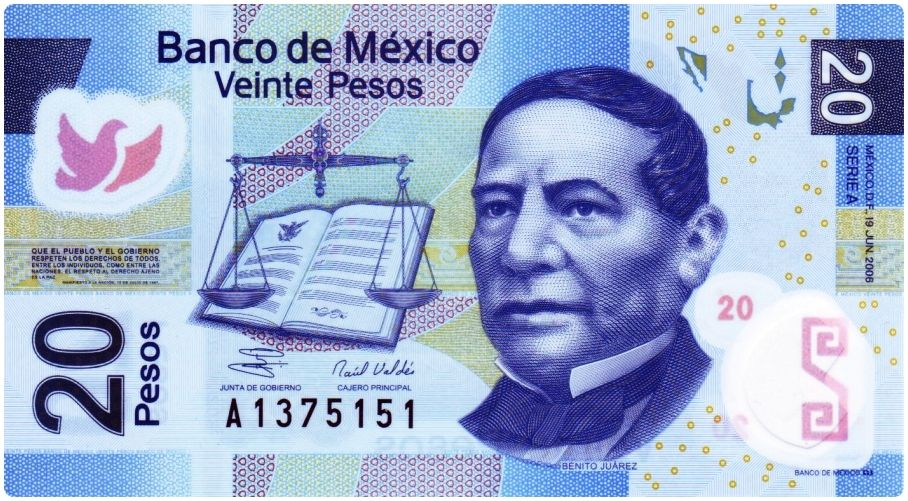
Mexico's economic proximity to the US works both ways, but in this cycle, it has been a clear advantage.
5. Australian Dollar (AUD) — +14.8%
Australia's dollar gained 14.8%, helped by the country's strong commodity export base, particularly iron ore and liquefied natural gas, and steady demand from Asian trading partners.
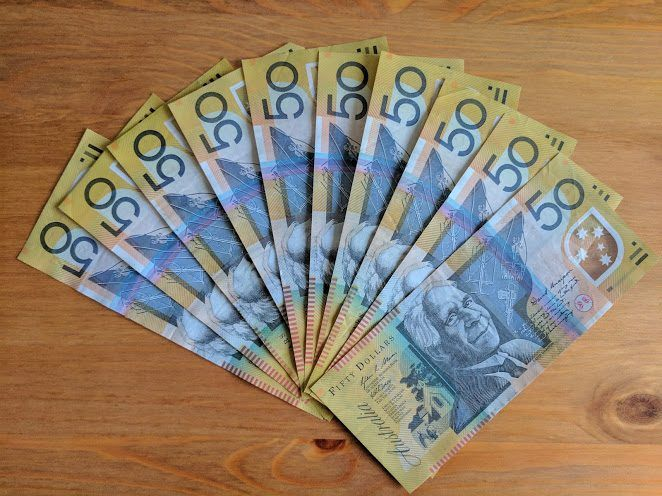

The Reserve Bank of Australia's relatively cautious approach to rate cuts, compared to the US Fed, also kept the interest rate differential in Australia's favour for much of the year.
6. Brazilian Real (BRL) — +14.5%
Brazil's real posted a 14.5% gain against the dollar, recovering from years of volatility. Elevated agricultural commodity prices, a narrowing fiscal deficit, and rising investor confidence in Brazil's economic management have all contributed.
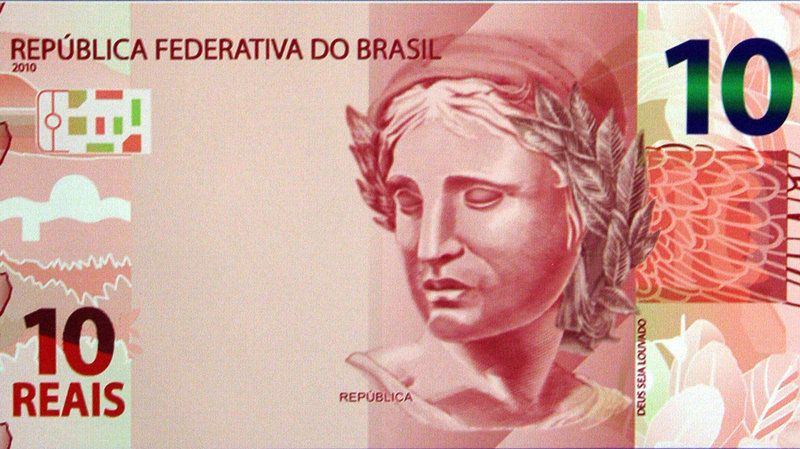
Brazil remains one of the world's largest exporters of soybeans, beef, and oil, sectors that have seen strong global demand and high prices over the past year.
7. Nigerian Naira (₦) — +13.5%
Nigeria makes the list, and the 13.5% gain against the dollar is not a statistical accident. It reflects a genuine policy-driven shift. The Central Bank of Nigeria's high interest rate environment, currently at 26.5%, has attracted foreign portfolio investment and supported the naira.
Diaspora remittances surged to an estimated $600 million per month, injecting sustained dollar supply into the market. Nigeria's exit from the FATF grey list in October 2025 improved its standing with international investors.
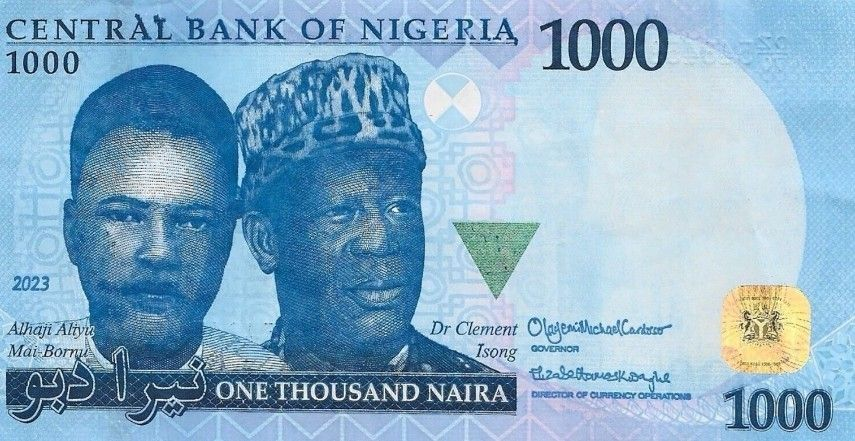
The official-to-parallel market gap, once over ₦100, has narrowed to less than ₦35, a sign of improved market confidence. As of early April, the naira trades around ₦1,380 to the dollar at the official window, compared to around ₦1,580 a year ago.
8. Norwegian Krone (NOK) — +12.7%
Norway's krone gained 12.7%, underpinned by the country's position as one of Europe's largest oil and gas producers. With European energy markets still in restructuring mode following the Russia-Ukraine war, Norwegian gas exports remain in high demand.
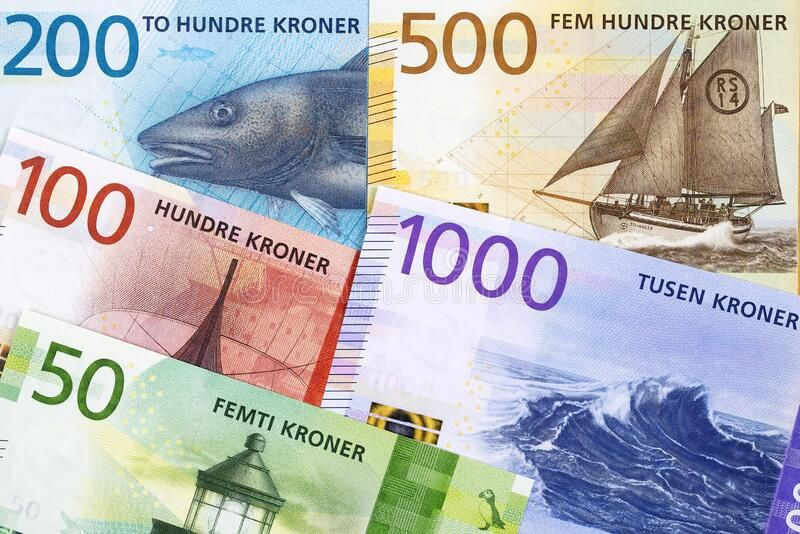
The krone also benefits from Norway's sovereign wealth fund, the world's largest, which provides a powerful backstop for the country's macroeconomic stability.
9. Kazakhstani Tenge (KZT) — +12.3%
Kazakhstan's tenge gained 12.3%, reflecting the country's role as a major oil and metals exporter. Kazakhstan has benefited from elevated commodity prices and growing trade flows with both China and Russia, its two largest trading partners, as those countries rerouted supply chains away from Western markets.
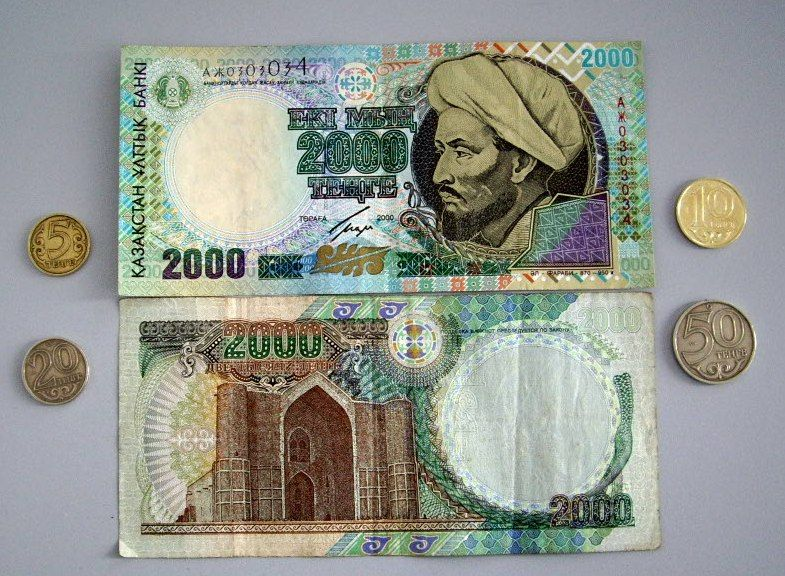
The tenge's gains come despite ongoing currency management by the National Bank of Kazakhstan, which has intervened periodically to prevent excessive appreciation.
10. Malaysian Ringgit (MYR) — +11.2%
Malaysia rounds out the list with an 11.2% gain against the dollar. The ringgit's recovery has been driven by strong semiconductor and electronics exports, improving tourism receipts, and Bank Negara Malaysia's steady monetary policy stance.
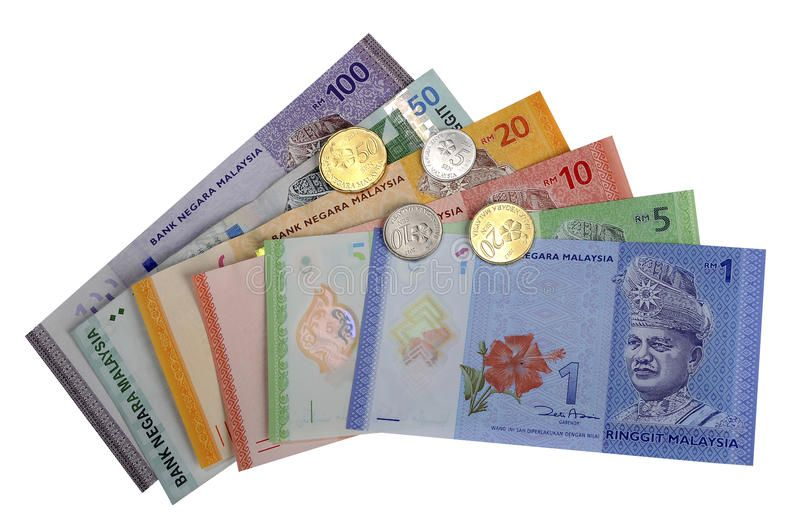
Malaysia is a major hub for global chip supply chains, and sustained demand for semiconductors, despite broader tech sector volatility, has kept export revenues healthy and demand for ringgit elevated.
The Bigger Picture
Every currency on this list has benefited from something the dollar has lost: certainty. Analysts point to market concern over the US administration's unpredictable trade and foreign policy moves as a key driver of dollar weakness.
When investors are unsure of where US policy is heading, they diversify, and that diversification has flowed into currencies with stronger fundamentals or higher yields.
A weaker dollar is not inherently bad news. US exports become cheaper and more competitive globally. Investors holding assets in other currencies see their dollar-denominated returns improve even without underlying growth.
But for the countries watching the dollar fall, the challenge is sustaining these gains, especially as geopolitical risk remains elevated and global oil markets continue to absorb the shocks of the Iran war.
For Nigeria specifically, the 13.5% gain is real progress. But it is progress built on high interest rates, diaspora inflows, and oil revenues; all of which are subject to external shocks. The structural work of sustaining the naira's strength, long after the tailwinds fade, is still ahead.