4 Dangers of Eating Ata Esha (Rotten Tomatoes) Every Nigerian Needs to Know
The white substance inside Ata Esha is not fermentation. It is a fungus producing aflatoxin; the same carcinogen classified by the WHO alongside tobacco and asbestos. Even cooking can't destroy it. These are 5 medical reasons to stop buying the cheaper tomatoes.
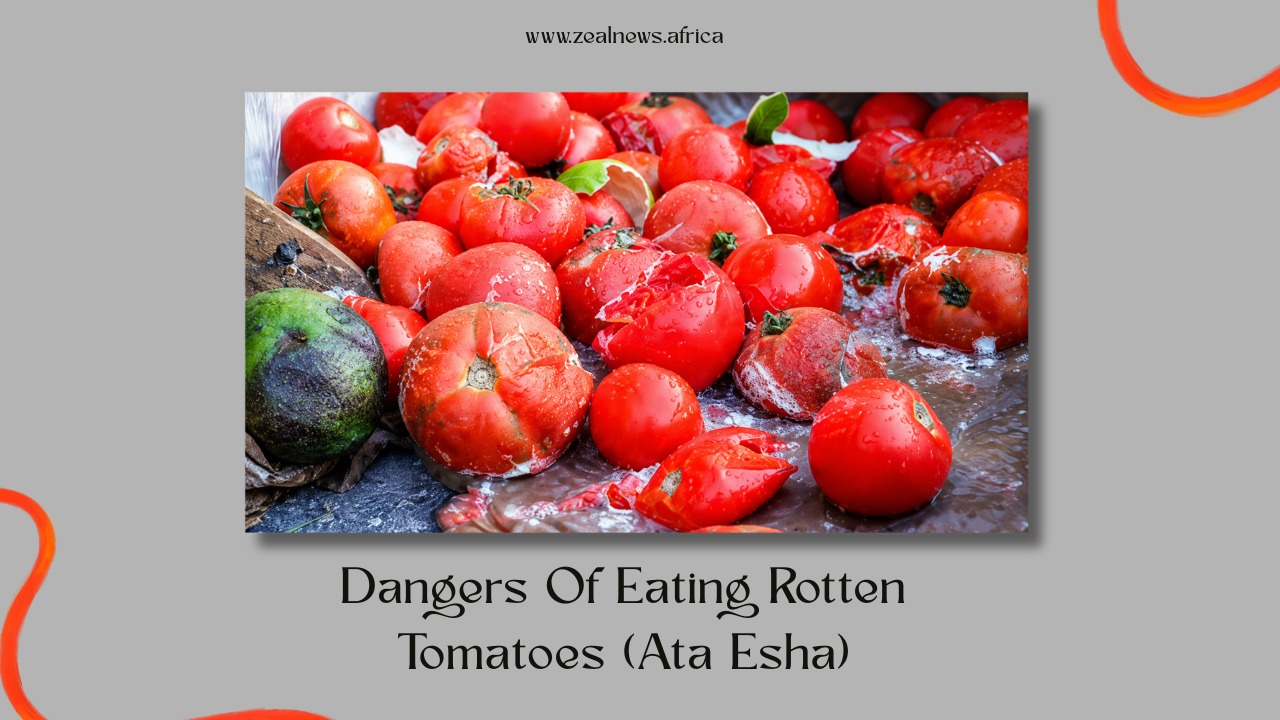
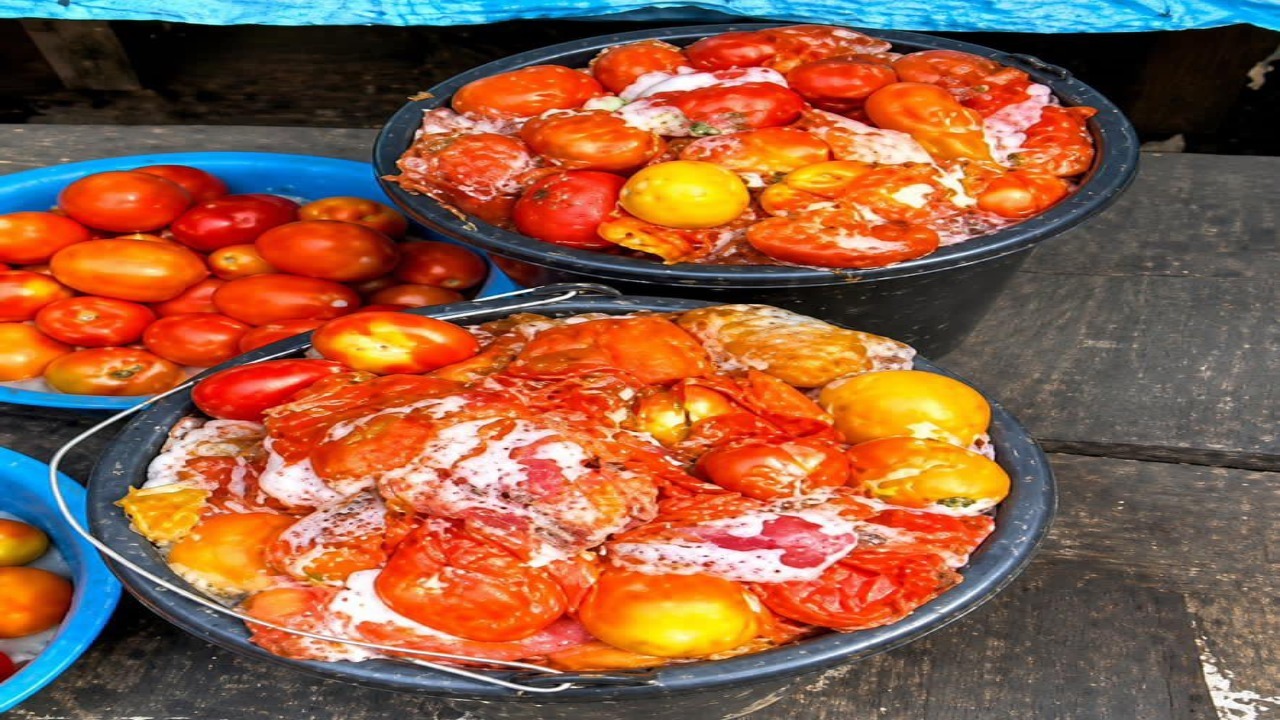
Every day, across Nigerian markets from Oyingbo to Kasuwan Kurmi, millions of Nigerians buy rotten tomatoes because they cost less. They go home, wash them, cook them, feed their families, and believe the heat made everything safe.
The heat did not make everything safe. Here is what is actually happening inside those tomatoes and inside the bodies of the people eating them.
1. The White Stuff Inside Is Not Fermentation. It Is Fungi Producing a Cancer-Causing Toxin.
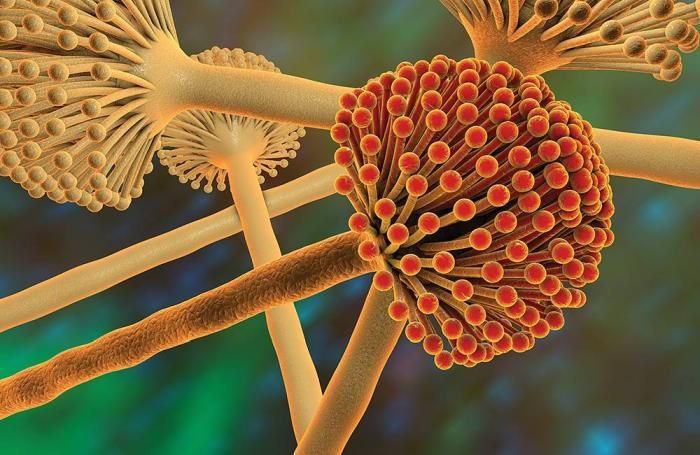
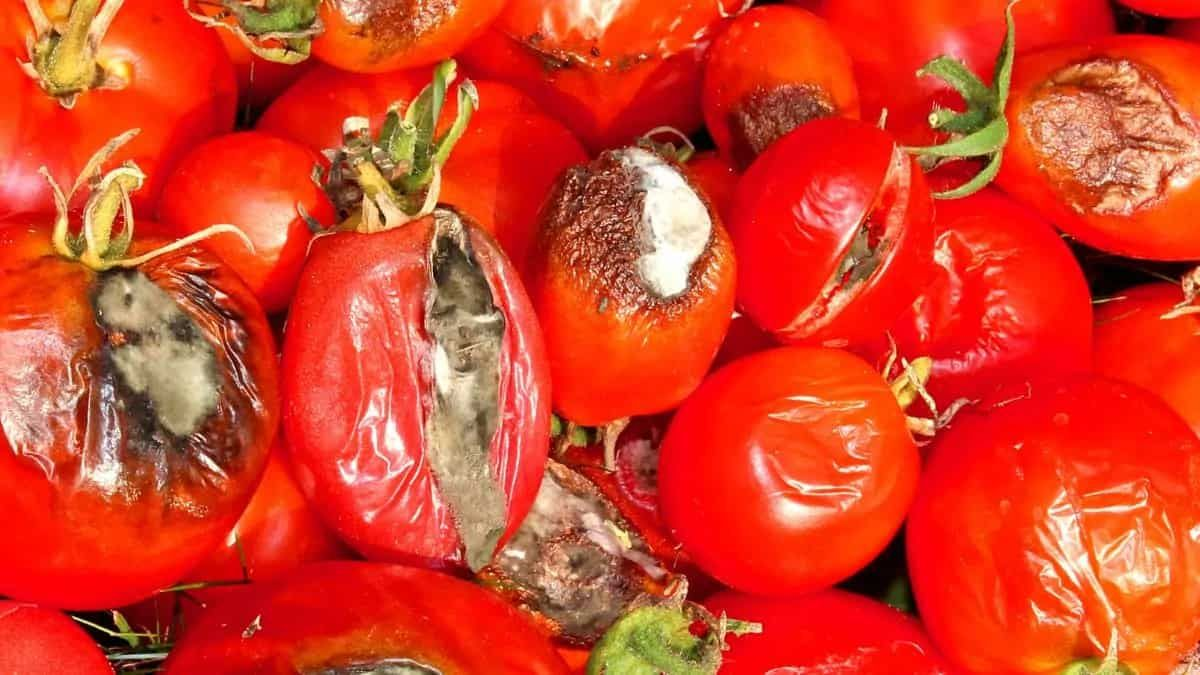
The most dangerous lie about Ata Esha is that the white substance visible inside the rotten tomato is simply fermentation at work. It is not. What you are looking at is the active growth of a fungus called Aspergillus, and Aspergillus produces a toxin called aflatoxin.
Aflatoxin is not a bacterium you can kill with heat. It is not a mould spore you can wash off with water. It is a chemical compound produced by the fungus that remains in the food long after the organism that created it has been destroyed.
You can boil the tomato for an hour, and the aflatoxin stays. You can fry it at high temperature, and the aflatoxin stays. The World Health Organisation classifies aflatoxin B1, the most common type found in contaminated food, as a Group 1 carcinogen. That is the same classification given to tobacco smoking and asbestos.
2. It Causes Liver Cancer. Not Eventually. Consistently, With Documented Evidence.
The liver is the organ most directly targeted by aflatoxin exposure. When you consume aflatoxin regularly, which is exactly what happens when rotten tomatoes are a weekly or daily ingredient in your cooking, the toxin reaches the liver through the digestive system and begins disrupting normal cell function.
Aflatoxin B1 is metabolised by liver enzymes into a compound called aflatoxin B1-8,9-epoxide, which binds directly to DNA. This DNA binding causes mutations.
These mutations accumulate over time. Accumulated mutations in liver cells are the biological definition of hepatocellular carcinoma, the most common form of liver cancer.
Nigeria already has one of the highest liver cancer rates in the world. The country sits in a region where aflatoxin exposure from contaminated food is a documented and ongoing public health crisis.
The connection between Ata Esha consumption and this liver cancer burden is not speculative. It is the conclusion of nutritionists, food scientists, and public health researchers who have been raising this alarm for years without sufficient public response.
Popular health educator and medical doctor Aproko Doctor stated this plainly in a viral advisory: aflatoxin has been shown to cause liver cancer in adults. The warning came from a doctor. It was shared by millions. Nigerians are still buying the cheaper tomatoes.
Regular aflatoxin consumption causes DNA mutations in liver cells that lead to hepatocellular carcinoma, the most common form of liver cancer.
3. If You Have Children Eating This, You Are Stunting Their Growth and Suppressing Their Immunity.
Adults face the cancer risk. Children face something more immediate.
In children, chronic aflatoxin exposure does not wait for cancer to develop. It interferes with protein synthesis, the biological process through which the body builds and repairs tissue.
It suppresses immune function, reducing the child's ability to fight infections that a healthy immune system would handle without complication. And it directly causes stunted growth, a condition known as aflatoxicosis-related growth retardation, which has been documented extensively in sub-Saharan African children with high aflatoxin exposure.
A child eating food cooked with Ata Esha regularly is not just eating a cheaper tomato. They are receiving regular doses of a toxin that is actively working against the biological processes responsible for their development.
The stunted growth you see in malnourished Nigerian communities is not caused by food shortage alone. Aflatoxin exposure from contaminated food, including rotten tomatoes, is a documented contributing factor.

The immune suppression is particularly significant in Nigeria's disease environment.
A child with compromised immunity in a context where malaria, typhoid, and respiratory infections are endemic is a child at higher risk of dying from diseases that proper nutrition and an uncompromised immune system would help them survive.
4. The Bacteria Growing Alongside the Fungus Are Causing the Food Poisoning You Keep Blaming on Something Else.
Aflatoxin is the long-term threat. The bacteria in Ata Esha are the immediate ones.
Research on spoiled tomato samples in Nigerian markets identified the presence of Staphylococcus aureus and Bacillus species in the same rotten tomatoes carrying Aspergillus contamination.
Staphylococcus aureus is the bacterium responsible for some of the most severe forms of food poisoning, capable of causing nausea, vomiting, abdominal cramping, and diarrhoea that begins within hours of consumption and can become dangerous without medical attention.
The pattern of illness is familiar to most Nigerian households. Someone eats a meal and, within hours, feels unwell. The family attributes it to stress, or to something they ate outside, or to the weather, or to a spiritual attack.
The possibility that the tomatoes used to cook the stew were contaminated does not enter the conversation because Ata Esha has been used for so long that it no longer registers as a risk factor.
The Lagos State Consumer Protection Agency has formally warned that boiling, frying, or cooking spoiled tomatoes does not make them safe to eat. The bacteria and the toxins they produce can survive or persist through heat in ways that render normal cooking insufficient as a decontamination method.
The food poisoning episodes attributed to restaurant meals, to contaminated water, to outside food, are in many cases caused by the rotten tomatoes used as a base ingredient in the stew.
Conclusion
Fresh tomatoes are not always accessible. That is a real and legitimate constraint that food policy, agricultural investment, and market reform need to address.
But the solution to expensive fresh tomatoes is not a fungus-contaminated, bacteria-laden, aflatoxin-producing alternative that is causing liver cancer, stunting children, suppressing immunity, and producing food poisoning episodes that Nigerian households have absorbed as a normal part of life.
Inspect your tomatoes before you buy them. Firm texture. No white patches, no sunken dark spots, no liquid leaking from the bottom, and no sour or fermented smell.
These are not luxury standards. They are the minimum conditions for food that is not actively harming the people who eat it. The price difference between a fresh tomato and Ata Esha is not savings. It is a deferred payment to a much larger bill.