The Strait of Hormuz Has Been Reopened. For Now, But Is The Crisis Over?
After five weeks of war, blocked tankers, and a midnight bombing threat, Iran finally opened the Strait of Hormuz. What it took to get here will shock you, and what comes next should worry everyone.
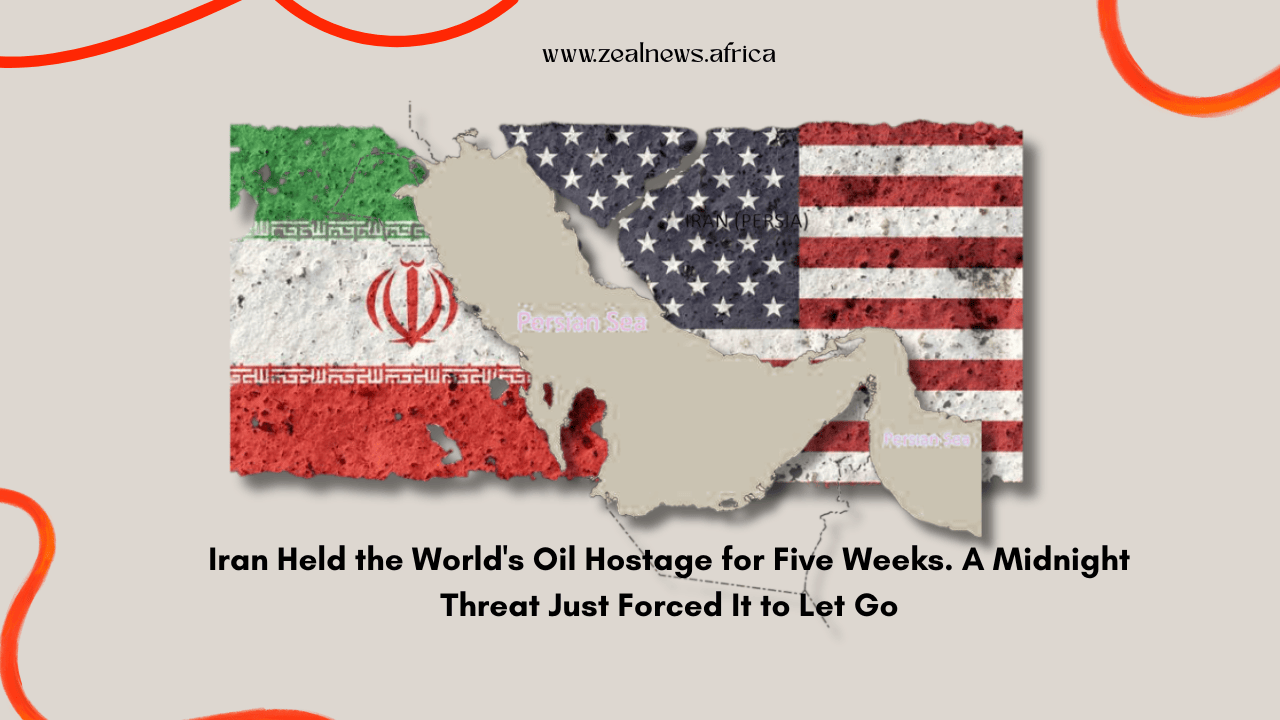
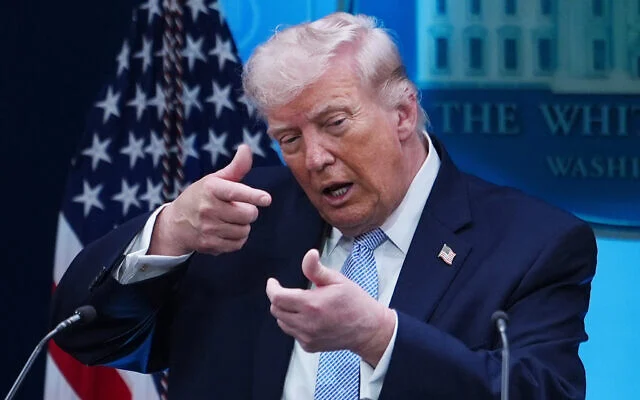
On April 7, 2026, US President Donald Trump announced a two-week suspension of planned military strikes against Iran, hours after threatening the "complete demolition"of the country's civilian infrastructure. The condition: Iran had to reopen the Strait of Hormuz. Iran agreed. But what brought the world to that moment, and what it means now that the strait is technically open again, is the story that matters.
This is not a tension that escalated gradually. It is an active war, and the strait's closure was an act of war. Understanding both is essential to understanding what the reopening actually resolves, and what it does not.
How the Crisis Started
On February 28, 2026, the United States and Israel launched coordinated airstrikes across Iran, assassinating Supreme Leader Ali Khamenei and dozens of senior officials, and killing over a hundred civilians. Iran's retaliation was immediate.
The Islamic Revolutionary Guard Corps (IRGC) declared the Strait of Hormuz closed, threatening to "set ablaze"any vessel that attempted to cross it.
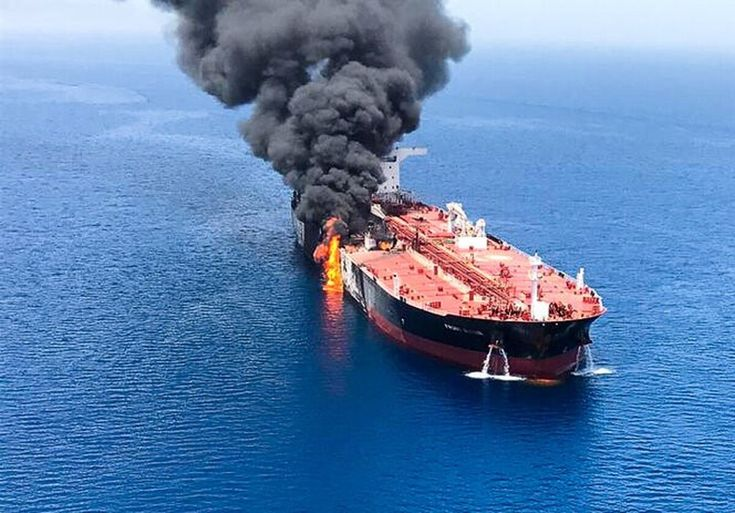
By March 2, no tankers in the strait were broadcasting tracking signals, indicating near-zero traffic. The US-flagged Stena Imperativewas struck twice at the port of Bahrain, killing one port worker.
Iran made 21 confirmed attacks on merchant ships in the first two weeks alone. Shipping insurers pulled war risk coverage entirely, making passage economically impossible for most owners.
The numbers tell the scale of the collapse. Before the war, roughly 138 vesselstransited the strait daily. That fell to single digitson some days in March; a 95 percent decline. Between 13 and 15 million barrels of crude oil per day were stranded or unable to move.
RECOMMENDED READ:10 Surprising Things That Pass Through the Strait of Hormuz (That Have Nothing to Do With Oil)
Brent crude surpassed $100 per barrel on March 8 for the first time in four years, peaking at $126 per barrel. The International Energy Agency called it the largest supply disruption in the history of the global oil market.
Iran's Selective Blockade, And Who Got Through
Iran's closure was not a blanket ban. It was a geopolitical sorting mechanism; one of the most consequential uses of a waterway as a foreign policy instrument in modern history.
Iranian Foreign Minister Abbas Araghchi formally named six countries whose ships could pass, after coordination with Iranian authorities: China, Russia, India, Pakistan, Iraq, and Bangladesh. Beyond this core list, several others secured passage through direct diplomacy.
RECOMMENED READ: List of Countries Allowed by Iran to Pass Through the Strait of Hormuz
Japan's LNG carriers were allowed through. Turkey received clearance for multiple vessels. Malaysia's tankers were granted access after high-level talks between Kuala Lumpur and Tehran. Thailand and Indonesia also secured passage following bilateral engagement.
The rule Iran applied was explicit. In a letter to the International Maritime Organization dated March 22, Tehran clarified that ships from nations that "neither participate in nor support acts of aggression against Iran"could transit. The US, Israel, and countries deemed to have aided them were locked out entirely.
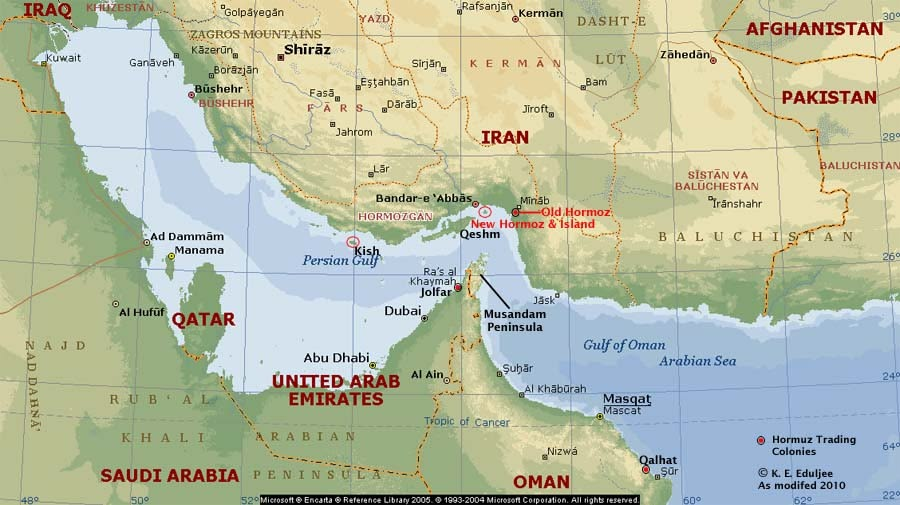
The financial dimension made Iran's leverage even clearer. Ships were being routed through Iranian territorial waters under a pre-approved vetting system that Lloyd's List described as a "toll booth" mechanism. Iran's parliament simultaneously drafted legislation to formalise a $2 million transit fee per vessel, institutionalising Tehran's authority over the route as a matter of law, not just wartime leverage.
The Deadlines, the Threats, and the Deal
For weeks, Trump issued ultimatums that came and went. On March 30, he threatened to destroy Iran's power plants, oil wells, Kharg Island, the country's primary export hub, and desalination plants. Iran held firm, with its military dismissing what it called "arrogant rhetoric."Iranian President Masoud Pezeshkian said publicly he was prepared to die for his country.
The final standoff arrived on April 7. Trump set an 8 p.m. Eastern deadline: reopen the strait or face the destruction of every bridge and power plant in Iran within four hours. Iranian civilians formed human chains around power plants. Then Pakistan intervened.
Prime Minister Shehbaz Sharif and Field Marshal Asim Munir brokered a last-minute agreement. Trump posted on Truth Social that he was suspending attacks, subject to Iran's "complete, immediate, and safe"opening of the strait.
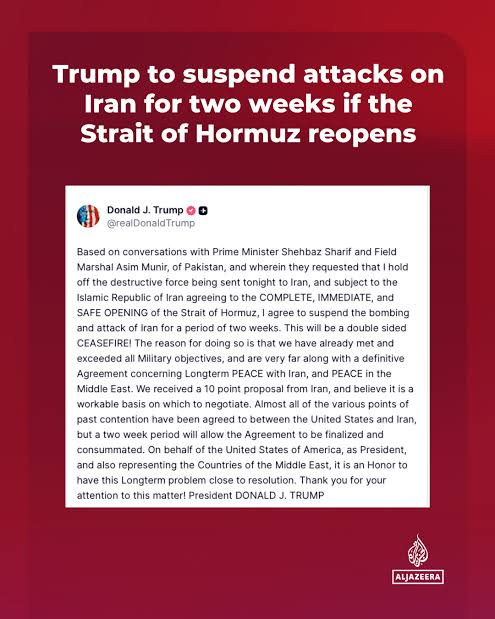

Iran confirmed: safe passage would be possible for two weeks, via coordination with its armed forces. Peace talks were announced to begin April 10 in Islamabad.
But the IRGC Navy issued a warning alongside the ceasefire announcement: the strait would "never return to its former state,"particularly for the US and Israel. Iran also threatened that if conflict continued, it could signal Houthi allies in Yemen to close the Bab al-Mandab Strait, through which an estimated 10 percent of global trade also moves.
What This Means for Nigeria and Africa
Nigeria sits in an awkward position. As an oil producer, with typical output around 1.3 to 1.5 million barrels per day, higher global prices generate stronger export revenues and boost fiscal receipts.
Fitch Solutions marginally upgraded Nigeria's 2026 GDP growth forecast to 4.4 %, citing this upside (up from a previous forecast, often cited as 4.3% in earlier 2025 analysis), driven by a rebound in domestic demand, improved manufacturing, and increased oil production, predicted to be the fastest growth rate in four years.
But the downstream picture is different. Nigeria's deregulated fuel market passed global price shocks directly to consumers, with petrol prices rising to N1,245 per litre.
Fitch revised Nigeria's 2026 inflation forecast upward to 15.5 percent, from 12.3 percent before the conflict. The gains at the top of the economy are real. So is the squeeze at the bottom.
One institution emerged as an unexpected regional stabiliser. The Dangote Refineryramped up refined product exports to nearly 500,000 tons in March, with European buyers sourcing jet fuel from the facility as Middle East supply collapsed.
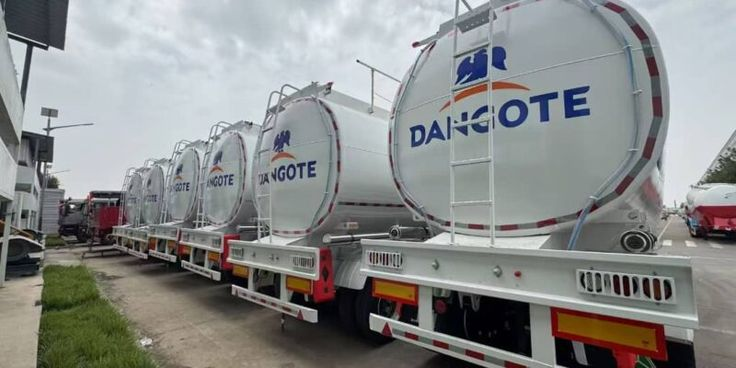
Nigeria, for the first time, became a meaningful buffer in a global energy crisis.
Across the continent, the toll is broader. Fuel shortages hit Ethiopia, Kenya, Mauritius, and South Sudan. Nigeria, Ghana, and South Africa were rationing electricity and blending petrol with ethanol.
The fertilizer disruption, around 30 percent of global fertilizer trade transits Hormuz, struck during the March-to-May planting season, raising food security risks well into 2027.
The strait is open. The war is not over. And the underlying question — who controls the most consequential 34 kilometres of water in the global economy — remains completely unresolved.