10 Surprising Things That Pass Through the Strait of Hormuz (That Have Nothing to Do With Oil)
When the Strait of Hormuz is disrupted, it’s not just oil at risk. Here are 10 critical global lifelines that pass through this narrow corridor, and what happens when they stop.
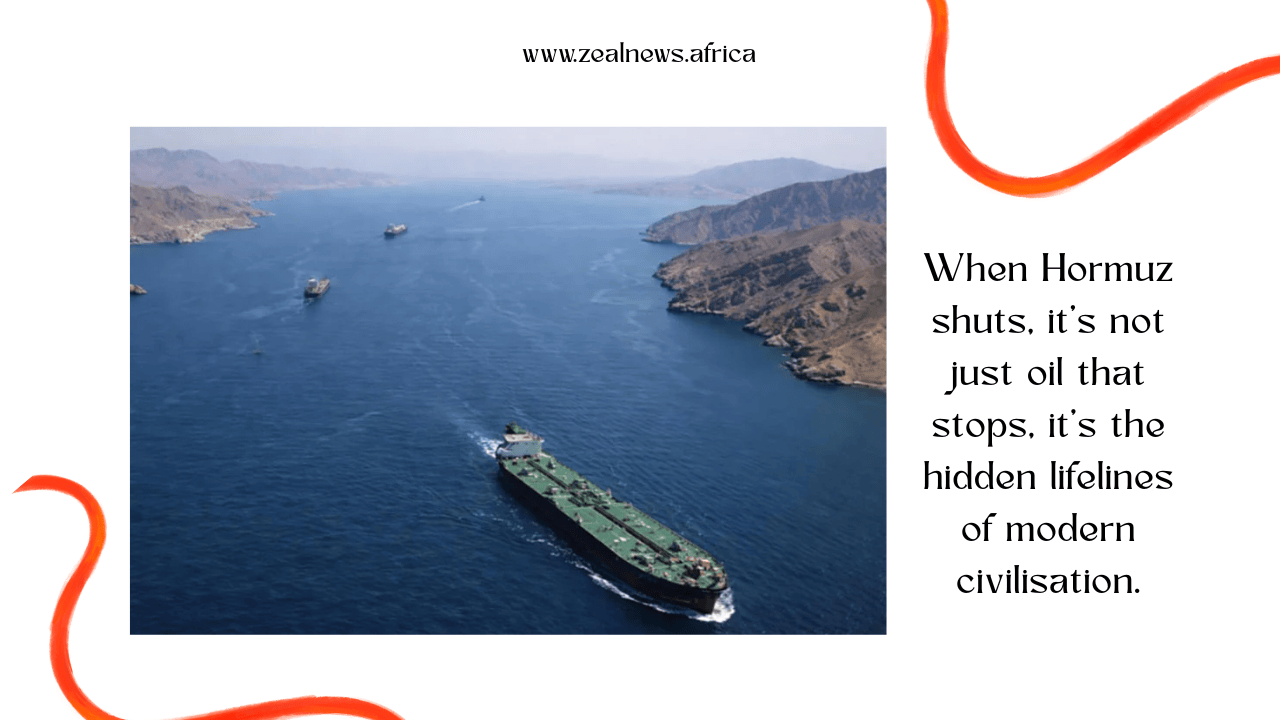
Everyone talks about oil when the Strait of Hormuz makes headlines. And yes, one in every five barrels of oil consumed on earth moves through this 33-kilometre corridor.
But oil is only part of the story. The strait is quietly carrying the raw materials of modern civilisation through its waters every single day. Here are 10 more commodities affected by the Straits of Hormuz crisis.
1. Liquefied Natural Gas (LNG)
Before you switch on a light in Tokyo, heat your home in Berlin, or run a factory in Shanghai, there is a reasonable chance the energy behind it passed through Hormuz.
Qatar, the world's single largest LNG exporter, sits entirely behind the strait with no alternative exit route. It wasn’t recently that Quarter was able to move towards Hormuz exit after months of stalled shipments.
Roughly 20 percent of global LNG trade depends on safe passage through Hormuz.
LNG is not just for heating homes. It generates electricity across Asia and Europe at a scale that makes it foundational to modern industrial life.
When the Strait closes, Qatar has nowhere to send it, and has already been forced to declare Force Majeure on its supply contracts, leaving buyers scrambling worldwide.
2. Fertilizer
This one does not get nearly enough attention. The Gulf region is one of the world's dominant producers of the nitrogen-based compounds that keep global agriculture alive.
The region produces nearly half the world's urea and 30 percent of its ammonia, and roughly one-third of all globally traded fertilizer transits the strait.
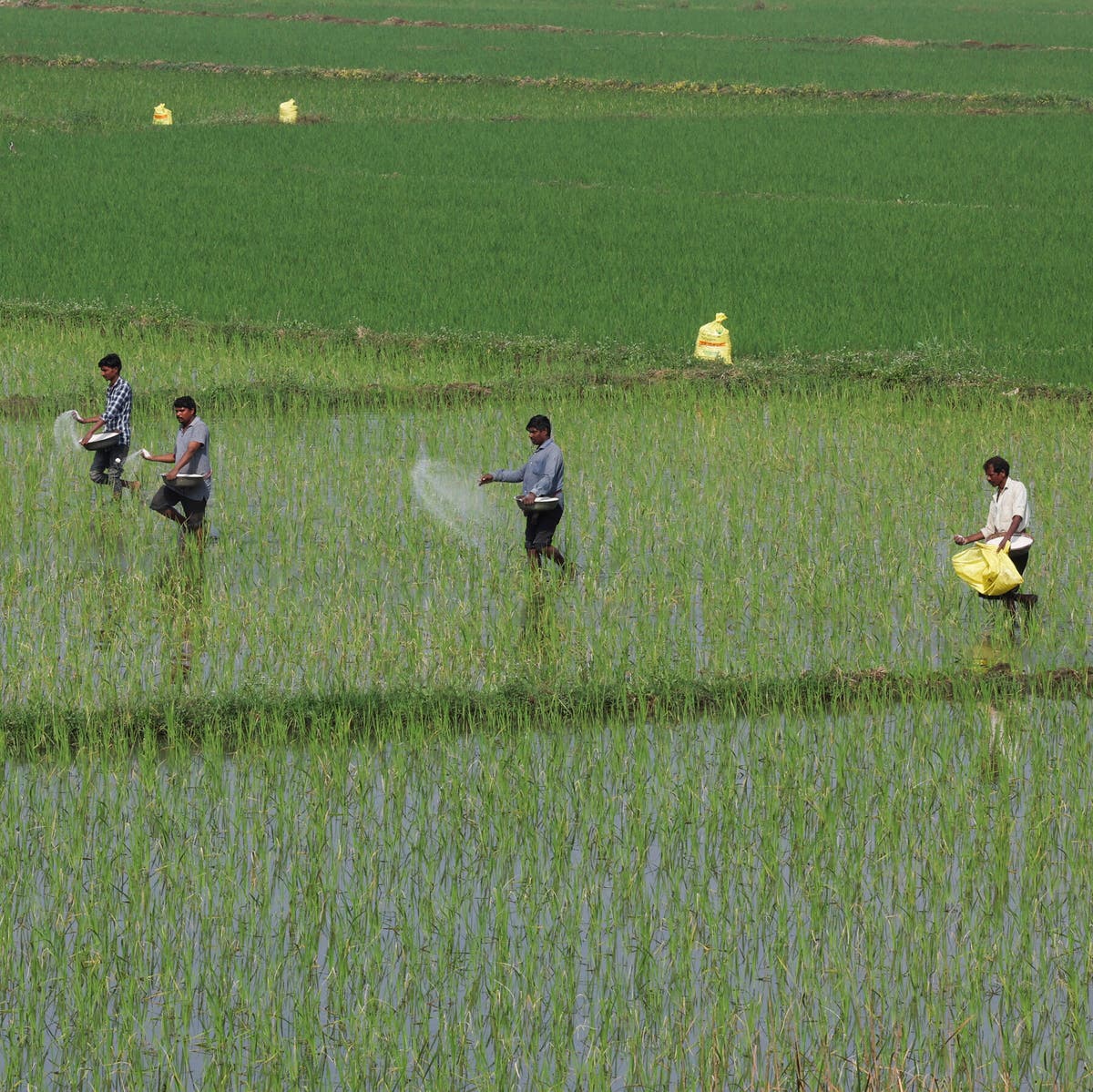
Urea and ammonia are not exotic chemicals. They are the reason crop yields are high enough to feed eight billion people. Block Hormuz during spring planting season, as is happening right now, and you are not just disrupting a commodity market.
You are threatening harvests of corn, wheat, and soy months before a single crop even goes into the ground.
3. Aluminum
Look around the room you are sitting in right now. The laptop, the car parked outside, the window frames, the packaging on your last delivery; aluminum is in all of it. The Middle East accounted for roughly 21 percent of unwrought aluminum imports in 2025, a share that had been steadily growing.
Gulf nations have invested enormously in aluminum smelting, powered by cheap local energy. When Hormuz closes, that supply line snaps, and manufacturers from Germany to Detroit feel the shortage ripple through their production lines within weeks.
4. Helium
Most people think helium is for party balloons. In reality, it is one of the most strategically critical industrial gases on earth, and Qatar is one of its largest producers.
Helium is essential for MRI machines in hospitals, semiconductor chip manufacturing, fiber optic cable production, and space rocket systems. It cannot be easily synthesised or substituted.
When Hormuz is disrupted, helium shipments stall, and the consequences reach hospital radiology departments and microchip fabrication plants simultaneously. It is one of those quiet dependencies the world never notices until it is gone.
5. Sulfur
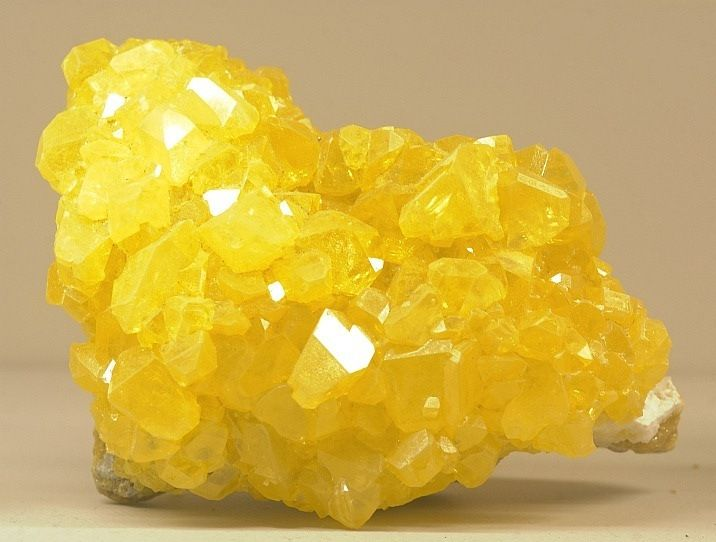
Sulfur does not make headlines. It never will. But it is a critical raw material in the production of sulfuric acid, one of the most widely used industrial chemicals on earth, involved in manufacturing everything from batteries and fertilizers to steel processing and water treatment.
The Gulf's oil refining operations produce enormous quantities of sulfur as a byproduct, much of which is exported globally through Hormuz.
Disrupt the strait and you quietly tighten supply across a web of industries most consumers have never heard of, but whose outputs touch their lives daily.
6. Petrochemicals and Plastics Feedstocks

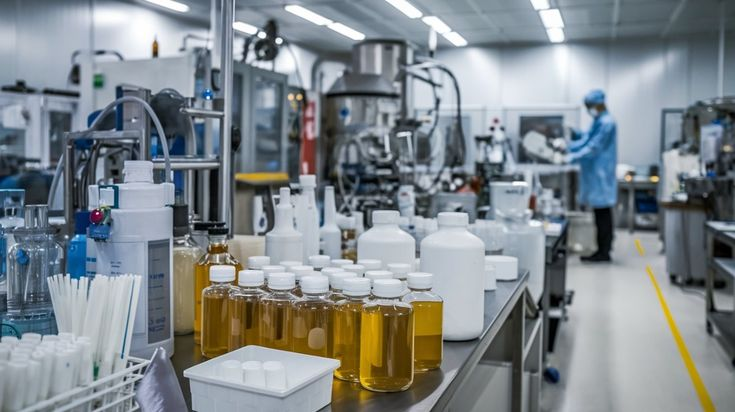
Every plastic product, every bottle, container, medical device, car component, electronic casing, begins life as a petrochemical feedstock.
The Gulf exports vast quantities of ethylene, propylene, and other raw chemical building blocks that feed plastics manufacturing plants across Asia and Europe. Substantial amounts of petrochemicals and plastics feedstocks flow through Hormuz and into many industries.
A prolonged closure does not just raise prices; it creates genuine supply shortages in manufacturing sectors that have very little buffer stock and almost no alternative sourcing at the scale required.
7. Pharmaceuticals and Chemical Inputs
The pharmaceutical industry's dependence on Gulf chemistry is one of its least-discussed vulnerabilities. Many active pharmaceutical ingredients and the chemical solvents used in drug manufacturing derive from petrochemical feedstocks exported through the strait.
Additionally, medical-grade gases, packaging materials, and laboratory chemicals all transit Hormuz in significant volumes.
A prolonged closure does not trigger an overnight medicine shortage, but stretch it across months and hospital supply chains begin to feel strain in ways that are very difficult to reverse quickly.
8. Steel and Metals
Gulf nations export not just raw materials but processed metals, including steel products and metal alloys used in construction, automotive manufacturing, and heavy industry.
The region's access to cheap energy has made it a competitive producer of energy-intensive metals. When Hormuz closes, global metals markets tighten.
Construction projects slow. Manufacturing input costs rise. And the compounding effect spreads across infrastructure development pipelines in Asia, Africa, and Europe; regions heavily dependent on affordable Gulf-sourced materials to build roads, bridges, and buildings.
9. Food Imports
Here is the often-forgotten reverse flow. The Gulf states, Saudi Arabia, the UAE, Kuwait, Qatar, import the vast majority of their food through the same strait their exports exit through.
These are largely desert nations with minimal domestic agricultural capacity. Rice, wheat, sugar, dairy, and fresh produce all arrive by sea through Hormuz.
The war has caused a systemic stress on the Gulf Cooperation Council economic model, not just because exports are blocked, but because the populations of these wealthy nations suddenly face their own supply vulnerabilities on the import side simultaneously.
10. General Consumer Goods
Beyond the industrial commodities, Hormuz carries a steady flow of containerised general cargo: electronics, textiles, automobiles, appliances, and consumer goods serving the Gulf's combined population of over 50 million people.
Major global ports in Dubai, Abu Dhabi, and Kuwait are all locked behind the strait.
Shipping giants Maersk and Hapag-Lloyd have already suspended Middle Eastern routes, meaning these ports are not just export-disrupted; they are import-starved too. The shelves do not empty overnight. But within weeks, the gaps begin to show.
What Else Should You Know?
The Strait of Hormuz is not an oil story. It is a civilisation story. It carries the fuel that powers your lights, the nitrogen that grows your food, the aluminum in your car, the helium in your hospital's MRI scanner, and the chemicals in your medicine cabinet, all through one narrow, geopolitically volatile corridor.
When that corridor closes, the world does not just run low on petrol. It runs low on the raw materials that hold modern life together.
That is what makes Hormuz irreplaceable, and its disruption genuinely dangerous for every person on earth, whether they live five miles from the strait or five thousand.