The Dark Side of the “Japa” Dream Many Africans Hide
Behind the glamorous social media posts, many Africans abroad silently battle loneliness, depression, burnout, and the pressure to appear successful. What are the hidden mental health struggles of migration?
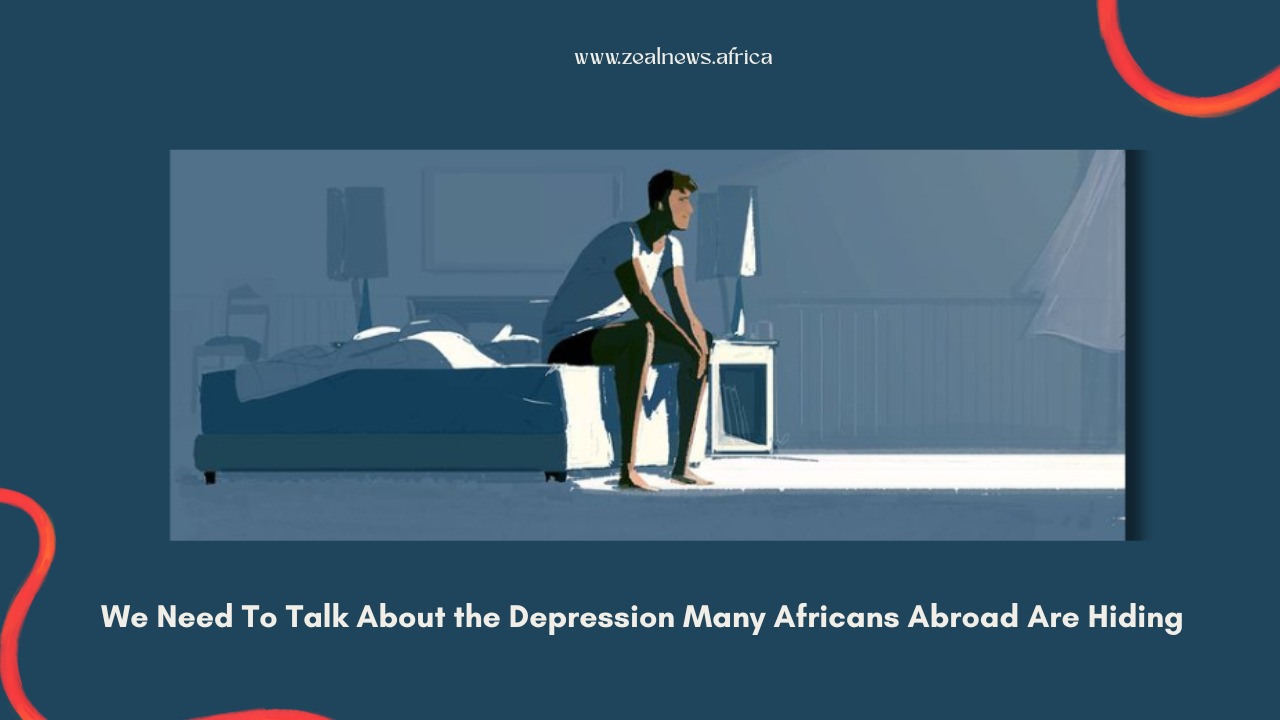
For many Africans, relocating abroad is still viewed as one of the greatest symbols of success. The moment someone moves to Canada, the United Kingdom, the United States or anywhere in Europe, the narrative immediately changes. Family members begin introducing them differently.
Friends suddenly see them as people who have “made it.” Social media posts are filled with congratulatory messages, while relatives proudly announce that another family member has finally traveled overseas in search of a better life.
Over time, migration has become heavily romanticized across African societies. Living abroad is often associated with financial comfort, peace, opportunity, and stability. The struggles are rarely part of the conversation.
What people see instead are pictures in winter jackets, aesthetically pleasing apartments, airport photographs, and social media captions about “soft life.” As a result, many Africans abroad feel pressured to maintain the illusion that relocating automatically solved every problem they once had.
But behind many of these carefully constructed images are immigrants quietly battling depression, anxiety, loneliness, and emotional exhaustion while trying desperately not to disappoint the people who believe they are thriving.
The Pressure To Appear Successful Abroad Is Emotionally Exhausting
One of the biggest emotional burdens Africans abroad carry is the pressure to appear successful at all times. The expectations begin almost immediately after relocation. Family members assume life has instantly improved because the person now earns in dollars or pounds. Friends back home expect visible progress.
Communities begin to see the individual as proof that hard work eventually pays off. The person abroad slowly becomes a symbol rather than a human being allowed to struggle openly.

This pressure creates an exhausting cycle of performance. Many immigrants feel unable to admit they are struggling because acknowledging emotional difficulties often feels like admitting failure.
There is a fear that people back home will not understand. After all, how can someone living abroad still complain when millions of people are trying to leave the continent in search of the same opportunity?
As a result, many Africans abroad continue pretending everything is fine while privately falling apart. Social media makes this even worse because the internet rewards appearances far more than honesty.
A smiling picture posted online reveals nothing about the reality behind it. Nobody sees the exhaustion of working multiple jobs just to survive. Nobody sees the emotional toll of constantly converting currencies before buying basic necessities.
Nobody sees the panic attacks caused by immigration uncertainty, the loneliness of returning to an empty apartment after long work shifts or the quiet emotional breakdowns hidden behind cheerful phone calls home.
Many immigrants are surviving psychologically difficult realities while simultaneously trying to protect everyone else from knowing the truth.
Loneliness And Emotional Disconnection Are Becoming Common Immigrant Experiences
Another painful reality many Africans abroad experience is the deep loneliness that comes with migration. Relocating often means losing immediate access to community, familiarity and emotional support systems that once felt natural.
Diaspora Connect
Stay Connected to Home
From Lagos to London, Accra to Atlanta - We Cover It All.
Things that previously seemed ordinary suddenly become deeply missed. Family gatherings become video calls. Weddings are attended through livestreams. Parents grow older from a distance. Childhood friendships slowly become weaker as everyone moves forward with separate lives.
Over time, many immigrants begin existing in an emotional in-between space where they no longer fully feel connected to home, yet never completely feel accepted in their new environment either. Back home, they are now viewed as “the one abroad,” while abroad they are constantly reminded that they are outsiders trying to adapt to unfamiliar systems and cultures.
This emotional disconnection can become incredibly isolating.
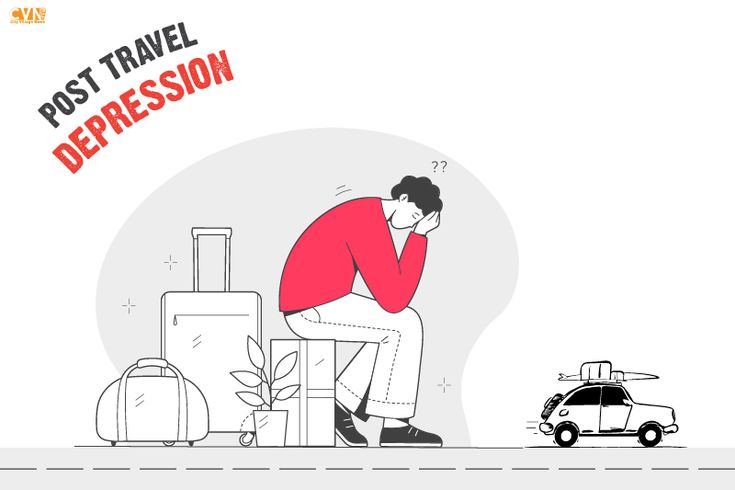
For many Africans abroad, especially first-generation immigrants, daily life eventually becomes centered almost entirely around work and survival. Building new friendships is difficult. Cultural differences make forming deeper relationships harder. Work schedules become exhausting. The emotional energy required to simply adapt leaves little room for joy, rest or meaningful connection.
In many cases, loneliness slowly transforms into depression without people even realizing it.
Financial Success Abroad Does Not Automatically Guarantee Happiness

Financial improvement, which is often seen as the ultimate reward of migration, also does not automatically guarantee happiness. While many Africans abroad may eventually earn more money than they did at home, financial stability alone cannot solve emotional suffering.
Human beings need more than income to feel fulfilled. People need community, emotional safety, meaningful relationships and rest.
Unfortunately, many immigrants never truly get the opportunity to experience these things because survival becomes their primary focus. Life gradually turns into a continuous cycle of work, bills, responsibilities and pressure.
Some immigrants support entire families financially while trying to remain emotionally stable themselves. Others are dealing with burnout from constantly working long hours in environments that leave little room for balance or recovery.
The pressure from home can sometimes intensify these struggles. The moment someone relocates abroad, expectations often increase dramatically. Relatives begin requesting financial support more frequently.
Emergencies become the responsibility of the person overseas. The assumption becomes that living abroad automatically means wealth, even when the person may actually be struggling financially themselves.
This creates another emotional burden many immigrants carry silently. They feel responsible for solving everyone else’s problems while barely managing their own mental health privately.
Africans Abroad Need More Room For Honesty And Support
Despite all of this, conversations about the emotional realities of migration remain limited within many African communities. There is still a tendency to reduce relocation stories into simple narratives of success or failure, without acknowledging the complicated emotional experiences that exist in-between.
People are either expected to be endlessly grateful or completely regretful, with very little room for honest discussion about how emotionally difficult migration can actually be.
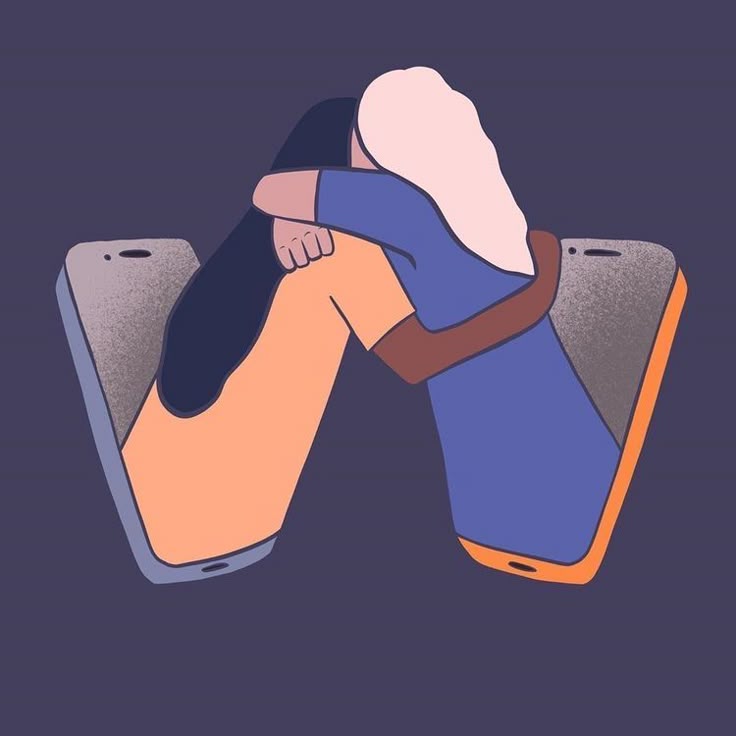
The truth is that many Africans abroad are tired. Some are lonely. Some are deeply depressed. Some are emotionally disconnected from themselves and the people they love. Some are questioning whether the sacrifices still feel worth it, but feel too guilty to say it out loud because so many others would gladly trade places with them immediately.
Diaspora Connect
Stay Connected to Home
From Lagos to London, Accra to Atlanta - We Cover It All.
Creating more honest conversations around mental health and migration is important because silence only deepens the problem. Africans abroad should not have to perform happiness constantly just to protect other people’s expectations. There should be room for honesty without shame, empathy without judgment and vulnerability without accusations of ingratitude.
Relocating abroad can absolutely change lives positively. Many immigrants build fulfilling careers, find stability and create opportunities they may never have had otherwise. But acknowledging those positives should not erase the emotional difficulties that often come with leaving home and rebuilding life from scratch in unfamiliar environments.
Because sometimes the people posting the happiest pictures are also the ones struggling the hardest privately.