Ghana Rallies for National Clean-Up: Citizens, Council, and Leaders Join Forces!
Ghana is set to launch a two-day national clean-up exercise on July 10-11, 2026, spearheaded by President John Mahama and Vice President Professor Naana Jane Opoku-Agyemang. This initiative, a response to recent devastating floods, aims to boost sanitation and reduce flood risks across seven regions. Key stakeholders, including the Christian Council, are rallying support for the campaign, which emphasizes sustained environmental responsibility.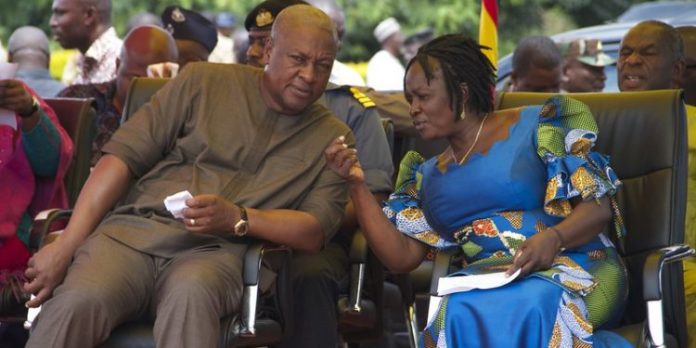
President John Mahama and Vice President Professor Naana Jane Opoku-Agyemang are set to lead a two-day national clean-up exercise on Friday, July 10, and Saturday, July 11, 2026. This initiative aims to significantly improve sanitation and reduce the heightened risk of flooding across affected regions in Ghana. The exercise is a direct measure adopted by the Post-Flood Mitigation Committee, formed in response to the devastating June 29 floods that impacted Accra and various other parts of the country.
The recent floods, which prompted this urgent national response, tragically claimed about 35 lives, affected 38,802 individuals, and destroyed more than 7,000 households. The government has since directed the Ministry of Finance to release crucial funds to support relief operations in the impacted communities, underscoring the severity of the situation and the commitment to recovery.
A broad spectrum of stakeholders is expected to participate in the cleaning campaign, including the President and Vice President, Members of Parliament (MPs), Metropolitan, Municipal and District Chief Executives (MMDCEs), traditional leaders, security agencies, Ministers of State, Chief Executive Officers of state institutions, political appointees, and residents. Greater Accra Regional Minister Linda Ocloo confirmed the participation of the President and Vice President, although their specific locations will remain undisclosed beforehand. This element of surprise is intended to effectively assess the preparedness and actions of various Metropolitan, Municipal and District Assemblies (MMDAs).
The nationwide exercise will commence in seven regions, with a strong focus on crucial activities such as desilting drains, clearing refuse, weeding, and sweeping public spaces. These spaces include markets, lorry parks, recreational areas, and communal waste collection points. MMDAs have been specifically directed to collaborate with waste management companies to ensure the provision of necessary equipment like waste trucks, gloves, and shovels at designated collection points to facilitate the clean-up efforts.
In Greater Accra, the initiative has been branded as “Green Heart,” while the overarching national theme for the exercise is “Our Actions, Our Future: Cleaning Ghana After the Floods.” The Regional Minister, Linda Ocloo, will personally oversee activities across several key areas within Greater Accra, including the Accra Metropolitan Assembly (AMA), Ayawaso, Okaikwei North, Ayawaso West, Tema, and La Nkwataman, ahead of the anticipated heavy rains.
While the initiative has been largely welcomed, some observers have voiced criticisms, arguing that periodic clean-up exercises alone are insufficient to resolve Accra’s persistent flooding challenges. Addressing these concerns, Madam Ocloo clarified that this exercise is not a standalone intervention but forms an integral part of a broader, comprehensive sanitation agenda by the government. She emphasized that tackling the country's deep-rooted sanitation issues demands sustained investment and a shared responsibility among the government, local authorities, and residents. As part of this broader strategy, the government has also reintroduced the National Sanitation Day initiative, to be observed on the first Saturday of every month.
The Christian Council of Ghana has enthusiastically welcomed President Mahama’s call, describing the initiative as timely and pivotal for renewing national attention to improved environmental sanitation and responsible community stewardship. In a statement signed by Rev. Dr. Cyril G.K. Fayose, General Secretary, the Council stressed that Ghana’s sanitation challenges necessitate not only robust policies and institutional actions but also enduring changes in attitudes and behavior. They underscored environmental cleanliness as both a civic duty and a sacred responsibility, drawing on biblical principles of humanity’s stewardship of creation.
Further demonstrating its commitment, the Christian Council recalled the recent launch of its own “Environmental Care and Cleanliness Programme,” themed “A Clean Environment – Our Responsibility!” The Council urged Christian denominations, churches, para-church organizations, ecumenical bodies, and the general public to actively participate in the national exercise. They advocated for embracing cleanliness as a continuous responsibility rather than an occasional undertaking, believing the initiative would bolster volunteerism, patriotism, and active citizenship. They also invited corporate bodies, development partners, and other stakeholders to support their program from May 2026 to May 2028.
Parliament has endorsed the President’s “General Clean up” declaration, pledging to mobilize constituents for participation. Beyond the immediate clean-up, some citizens have also called for stricter enforcement of environmental and physical planning laws, including the demolition of structures on waterways, to address the root causes of persistent flooding across the country. This comprehensive approach aims to galvanize citizens and institutions toward sustainable improvements in environmental sanitation and public health nationwide.