5 Reasons MTN Says Its Network Is Still Bad Despite the 50% Tariff Increase
MTN's Chief just explained the reasons behind MTN's poor network. If you are an MTN user, you should probably read this to know the reasons behind their delivery failure.

Nigerians did not exactly react calmly when telecom companies increased tariffs by 50 percent earlier this year. People complained online, threatened to port to other networks and demanded to know why they were suddenly paying significantly more for services that still behaved like they were being powered by prayer and luck.
But because mobile data in 2026 is as essential as electricity and food, most people eventually paid anyway.
The money came in. The frustration stayed the same.
That frustration was at the centre of an Ask Me Anything session held by MTN Nigeria last week in Lagos, where the company’s Chief Corporate Services and Sustainability Officer, Tobe Okigbo, faced the question almost every Nigerian mobile subscriber wants answered: if Nigerians are paying more, why does the network still struggle so badly?

According to Okigbo, the reasons are far more complicated than many subscribers realize. Some of them are structural problems affecting the entire country. Others raise difficult questions about MTN’s own delivery promises after the tariff increase.
Here are five major reasons MTN says its network quality is still struggling despite earning significantly more revenue in 2025.
1. Nigeria uses mobile networks for literally everything
One of the biggest points Okigbo made during the session was that Nigeria’s telecom infrastructure carries far more responsibility than networks in many other countries.
In places with stronger communication infrastructure, people often have multiple systems supporting daily communication. Homes have broadband internet. Offices rely on fibre connections. Landlines still exist in some areas. Mobile networks act as an additional layer rather than the entire system holding the country together.
Nigeria works differently.
For millions of Nigerians, the mobile network is everything at once. It powers WhatsApp calls, online banking, POS transactions, remote work, YouTube streaming, business operations and virtually every form of digital communication happening daily across the country.
That means millions of people are constantly competing for bandwidth on the same infrastructure.

According to MTN, this creates severe congestion around heavily populated areas and overloaded cell towers. When too many devices connect to the same base station simultaneously, service quality drops for everyone connected to that tower.
This is not unique to Nigeria, but the scale of dependence on mobile infrastructure in the country makes the pressure unusually intense.
2. Fibre cuts are destroying the network every single day
Perhaps the most shocking part of MTN’s explanation involved the scale of fibre-optic cable destruction happening across Nigeria.
Latest Tech News
Decode Africa's Digital Transformation
From Startups to Fintech Hubs - We Cover It All.
According to the company, MTN experienced 9,218 fibre cuts in 2025 alone. Across the entire telecom industry, Nigeria recorded over 19,000 fibre cuts within the same period.
In the first quarter of 2026 alone, there had already been nearly 6,000 additional cuts.
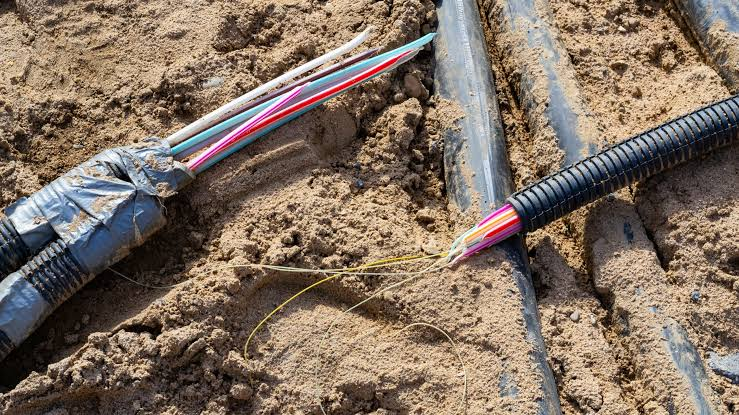
MTN says it currently experiences between 27 and 45 fibre cuts every day.
The biggest cause is road construction. Okigbo explained that about 70 percent of these incidents happen when construction projects accidentally damage underground telecom cables during excavation work.
The rest come from vandalism and cable theft.

The problem is bigger than many subscribers realize because telecom infrastructure is interconnected. A fibre cut in one state can affect network quality in another state entirely.
According to MTN, a damaged cable in Kogi can affect users in Abuja, while disruptions in Ogun can impact connectivity in Lagos.
The company also explained that repeatedly repairing damaged cables weakens signal quality over time. Eventually, entire fibre lines need to be replaced rather than repaired.
In simple terms, Nigeria’s telecom infrastructure is being damaged faster than operators can comfortably maintain it.
3. Powering telecom sites in Nigeria is extremely expensive
Another major issue affecting network quality is electricity.
Telecom infrastructure requires constant power to function properly, but Nigeria’s unstable power supply means operators rely heavily on generators and alternative energy sources to keep sites running.
According to MTN, between 20 and 30 percent of operational costs currently go into power alone.
In 2025, the company reportedly spent more than N800 billion simply maintaining existing operations without even accounting for major new network expansion projects.
That money went into generator fuel, maintenance, repairs, staffing and infrastructure protection.
The costs have continued increasing due to inflation, fuel prices and foreign exchange pressures.
Latest Tech News
Decode Africa's Digital Transformation
From Startups to Fintech Hubs - We Cover It All.
MTN also disclosed that it spent N887 million on infrastructure security in just the first quarter of 2026 because telecom equipment theft and vandalism remain persistent nationwide problems.
This means a significant portion of telecom revenue is not going into expansion or upgrades. It is being spent simply keeping the current network alive.
4. Infrastructure deployment is slower than Nigerians expect
One of the biggest criticisms subscribers have raised since the tariff increase is the gap between what telecom operators promised and what users have actually experienced.
MTN and Airtel reportedly earned a combined N5.16 trillion in the first nine months of 2025 following the tariff increase. At the same time, telecom companies committed to approximately 12,000 site upgrades in 2026.
But according to the figures discussed during the session, only about 300 new or upgraded sites had been delivered so far.
Okigbo explained that telecom infrastructure deployment is not immediate because equipment manufacturers such as Huawei and ZTE build many systems on request rather than keeping large inventories waiting in warehouses.
According to him, telecom equipment must first be ordered, manufactured, shipped into Nigeria, cleared through customs, transported to deployment sites and then installed before subscribers notice improvements.
That process takes months.
While this explanation reflects how telecom infrastructure deployment genuinely works globally, it also raises difficult questions about planning timelines and whether operators should have anticipated demand earlier once tariff increases became inevitable.
For subscribers paying significantly higher prices today, the waiting period understandably feels frustrating.

5. MTN says poor service is also bad for business
Perhaps the most interesting point Okigbo made during the session was that poor network quality does not actually benefit MTN financially.
According to him, operational costs remain high whether customers enjoy good service or terrible service. The generators still consume fuel. Staff salaries still need to be paid. Infrastructure still requires maintenance.
If subscribers become too frustrated to actively use the network, MTN loses revenue without reducing costs.
In other words, the company insists its incentives are aligned with subscribers because better network quality ultimately benefits MTN too.
That explanation may be true, but it does not erase subscriber frustration.
Latest Tech News
Decode Africa's Digital Transformation
From Startups to Fintech Hubs - We Cover It All.
MTN reportedly received over 1.6 million customer complaints in 2025 across phone calls, emails, social media platforms and physical service centres. Meanwhile, the Nigerian Communications Commission’s own reports continue identifying dropped calls and unstable connectivity as persistent industry problems.
For many Nigerians, the issue is no longer understanding why the network struggles. The real issue is how long they are expected to keep paying more while waiting for meaningful improvement.