You Know Nnamdi Azikiwe. You Know Murtala Muhammed. But Who Is the Man on Your ₦10 Note?
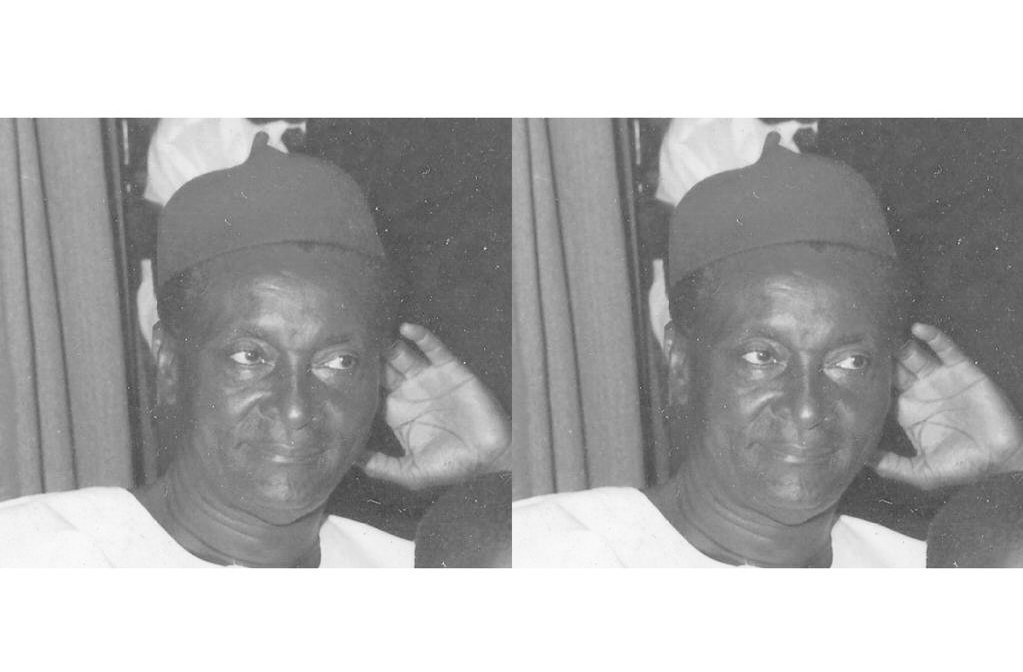
Alvan Ikoku has been on the ₦10 note since 1979. He built Nigeria's first indigenous private secondary school, fought the British colonial government for decades, and died having never seen the full fruits of what he planted. Most Nigerians have never heard of him.
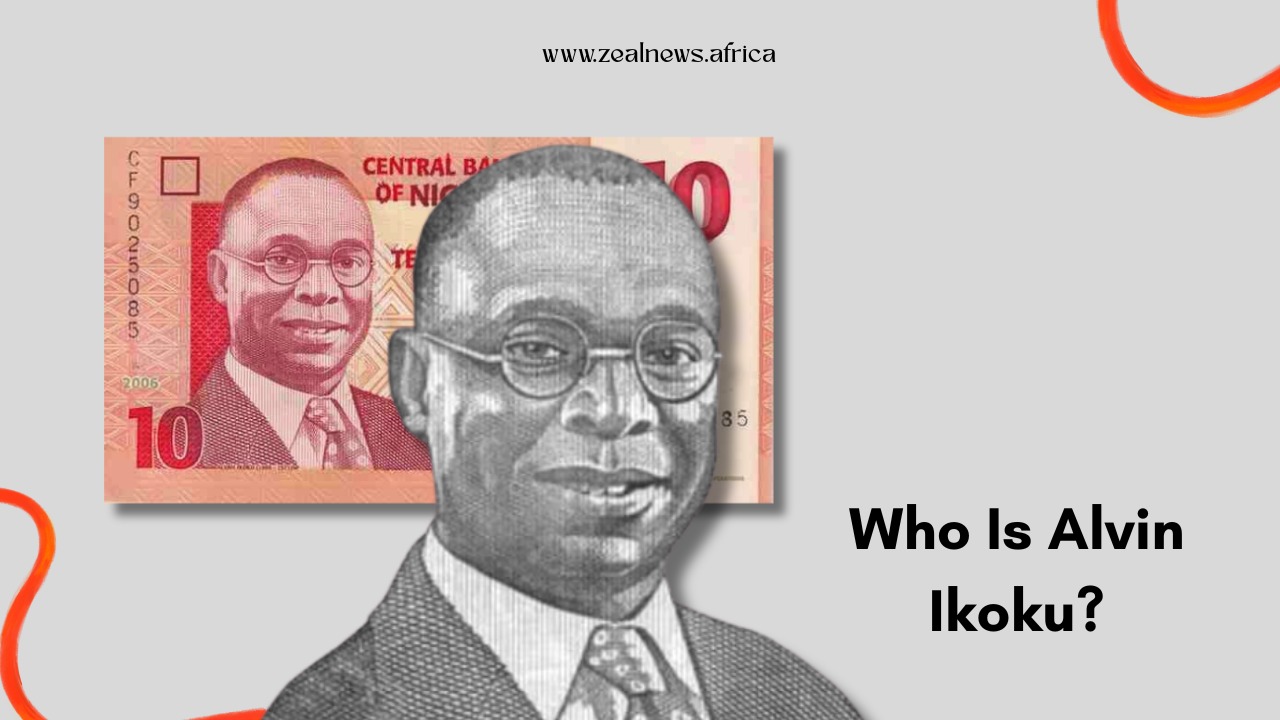
You have spent a thousand times.
At the tuck shop after school, scrambling for Trebor sweets and Tom Tom. At the bus stop, pressed into a conductor's sweaty palm. At the market, I flipped across a counter without a second glance.
That small, battered note, the one that could barely buy anything even before inflation made a mockery of it, has passed through your hands more times than you can count.
And the man staring at you from the front of it? You have never once stopped to ask his name.
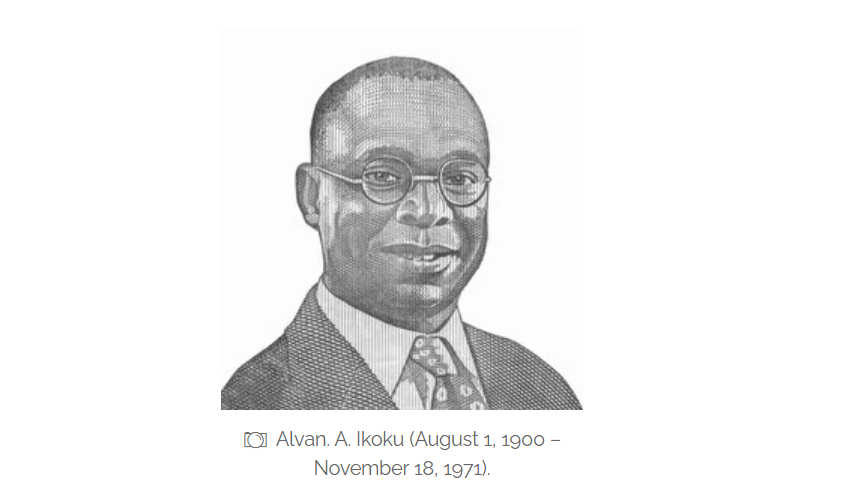
His name is Alvan Azinna Ikoku. The fact that most Nigerians are unaware of it is, in itself, a national scandal.
Born Three Months After His Father Died
Alvan Azinna Ikoku was born on August 1, 1900, in Amanagwu, Arochukwu, in present-day Abia State, into a wealthy merchant family. The name Azinna was not chosen casually. It means "coming after your father", because Ikoku was born three months after his father's death. He arrived in the world already carrying loss, and spent the rest of his life building things that would outlast him.
Although an Igbo man from Arochukwu, his mother was an Efik woman from Calabar, which meant Ikoku grew up moving between worlds, between languages, communities, and ways of seeing. That early fluency in difference would shape everything he later fought for.
He was not born into struggle. He was born into comfort. And he chose to struggle anyway.
The Man Who Built a School With His Own Hands, Then Ran It for 39 Years
In 1932, Ikoku founded Aggrey Memorial College, the first indigenous private secondary school in Nigeria, located in Arochukwu, Abia State, named after the Ghanaian teacher and missionary James E.K. Aggrey, who had been his own mentor.
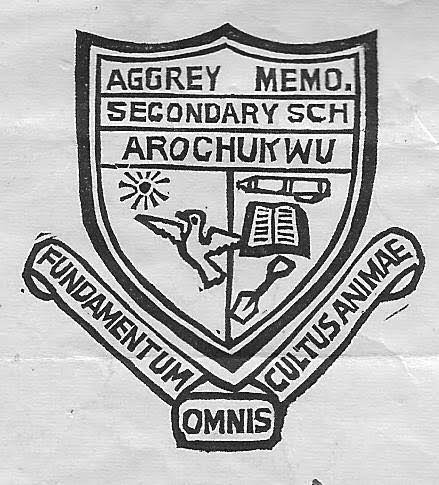
Think about what 1932 Nigeria looked like. The British were firmly in charge. The idea that a Nigerian man would build his own school, name it after a Black African mentor, not a colonial administrator, not a missionary, not a European, and run it on his own terms was a quiet act of defiance so loud it echoes a century later.
At Aggrey, where he served as principal for 39 years, Ikoku introduced carpentry as a subject, which he called "the Education of the Hand." Students were able to make their own desks, chairs, and tables all by themselves.
In a colonial education system designed to produce clerks and servants for the empire, Alvan Ikoku was teaching Nigerian children to build things with their own hands. That was not a curriculum decision. That was a philosophical statement.
The Fighter Nobody Taught You About
In 1946, after several constitutional changes allowing more Nigerians into the legislative chambers, Ikoku was nominated to the Eastern Nigeria House of Assembly and assigned to the Ministry of Education.
In 1947, he became part of the Legislative Council in Lagos as one of three representatives of the Eastern Region.
History
Rewind the Stories that Made Africa, Africa
A Journey Through Time, Narrated with Insight.
Once inside, he did not play politics quietly. Ikoku fostered considerable government interest in the Nigeria Union of Teachers, becoming instrumental in the Legislative Council's acceptance of 44 NUT proposals amending various educational ordinances.
He did encounter resistance through much of the 1950s, when the Colonial Government repeatedly rejected his NUT recommendations to introduce uniform education in Nigeria.
Forty-four proposals. Rejected repeatedly. And he kept going.
After national independence, Ikoku and his union were vindicated, when these recommendations became the basis for education policy in the new nation.
The free primary education system that millions of Nigerians benefited from? The policy foundation was built on the work of a man most of those same Nigerians cannot name.
The Son Who Ran Against Him, And Won

Now here is the detail that no history class will teach you, because Nigerian history education prefers its heroes uncomplicated.
Alvan Ikoku and his son, Samuel Goomsu Ikoku, were political rivals. Samuel won an election against his father at the Eastern Regional Assembly elections on March 15, 1957.
Father versus son. In a public election. In 1957.
Samuel Goomsu Ikoku went on to become one of Nigeria's most prominent radical politicians, a leftist intellectual who spent years in exile. The father built institutions through the system. The son tried to burn the system down and rebuild it. Both of them, in their own ways, were trying to fix the same country.
The Ikoku family tree alone is a Nigerian history course nobody is offering.
Well, What Else Should You Take Note Of?
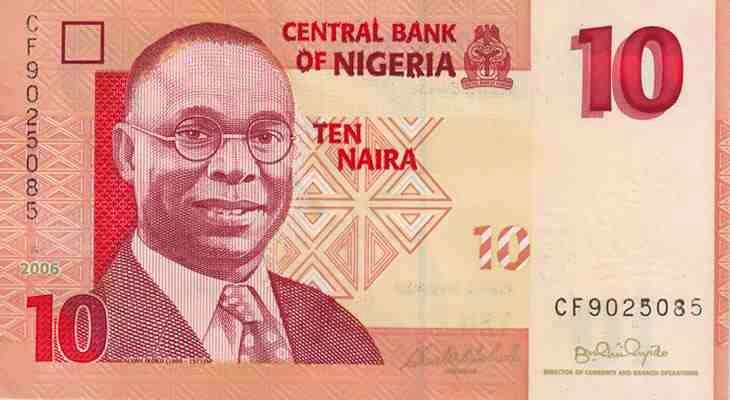
Alvan Ikoku's portrait has been featured on Nigeria's 10 naira note since 1979. That is over four decades of his face in Nigerian wallets, Nigerian palms, Nigerian pockets, spent on sweets, on bus fares, on things so small and so routine that nobody ever looked up long enough to ask who he was.
The Central Bank did not put a politician on the ₦10 note. They did not put a military general, or a businessman, or a chief. They put a teacher. A man who believed so completely in education as the engine of a nation that he spent 39 years running a school, fought the colonial government for decades, and died in 1971 having never seen the full fruits of what he planted.
Nigeria put a teacher on its money. Then forgot to teach anyone who he was.
That contradiction is not accidental. It is the same country that underfunds its schools while printing his face on currency. That strikes teachers during salary disputes while his portrait sits quietly on a note worth less every year.
That honours his memory in name; there is an Alvan Ikoku Federal College of Education in Owerri, a road in Maitama Abuja, hostels at universities across the country, while systematically dismantling everything he stood for in practice.
History
Rewind the Stories that Made Africa, Africa
A Journey Through Time, Narrated with Insight.
Alvan Azinna Ikoku was born three months after his father died, named for the grief of arrival, and spent 71 years building a country that would spend him on sweets without knowing his name.
The next time a ₦10 note passes through your hand, look at him properly.
He earned that look.