Thinking of Trading Crypto? Read This Before You Download Any App
Thinking of trading crypto in 2026? Before you download any exchange app, here are five critical things every beginner needs to understand about security, fees, volatility, and how the market really works.
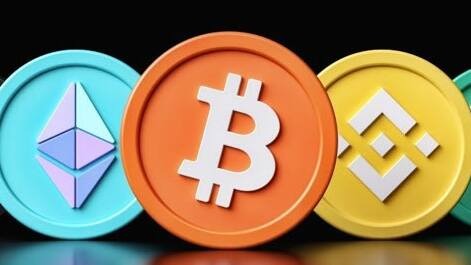
Bitcoin is shaky, high today, low tomorrow. The Middle-East conflict is dealing with the crypto market, making the digital assets more unstable than they should be.
And yet, somehow, your timeline is still full of people talking about the next big trade.
Here is why: 2026 has turned out to be a strange year for crypto.
Institutions are pouring money in, Bitcoin ETFs are pulling in billions, and analysts are split right down the middle — some calling it the start of a new bull run, others warning of an extended crypto winter.
The noise is loud, and for a young person in Africa trying to figure out if now is the time to jump in, it can feel impossible to know what to do.
The FOMO is real. But before you tap "Download" on whatever app your friend just sent you, there are five things you absolutely need to know.
The App Store Is Not a Safety Net
A lot of people assume that if an app made it on the Google Play Store or Apple App Store, it must be legit.
But, that is not how it works. Scam exchanges, fake "copy trading" bots, and cloned versions of real platforms slip through app review processes all the time. And once your money is in, good luck getting it out.
Before you trust any platform with your money, do your homework.
Look up whether the exchange is registered with afinancial regulator. Check if they have a verifiable physical address and published audit reports.
For African users, also check if the platform complies with your country's central bank guidelines because many African regulators have issued specific frameworks around crypto.
If a simple Google search turns up zero credible information about the company behind the app, walk away.
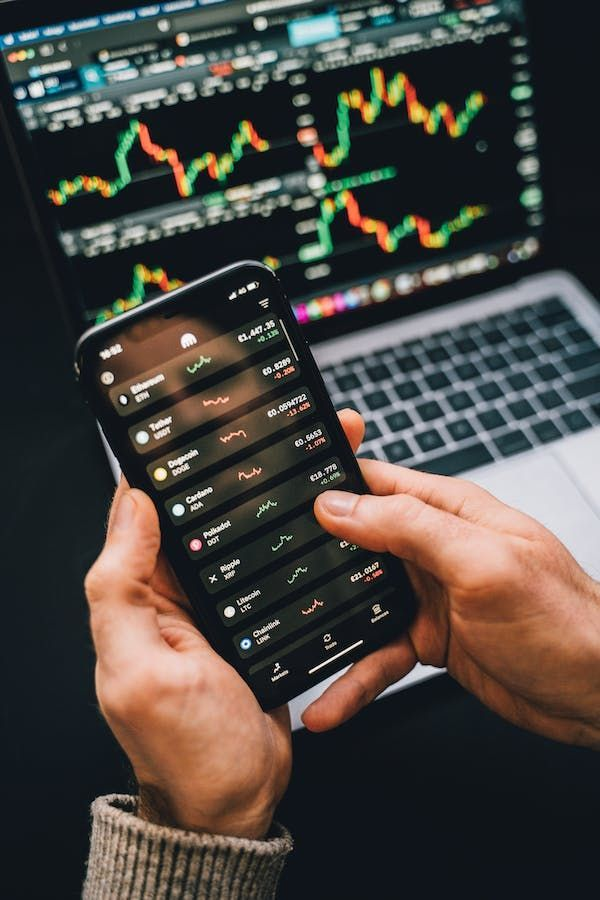
Understand What You're Actually Buying
Crypto is not a stock. There are no underlying company earnings, no dividends, and absolutely no government insurance protecting your funds if things go wrong.
What you are buying is adigital asset whose value is driven largely by sentiment, speculation and liquidity.
It also helps to know the difference between what you are trading.
Bitcoin and Ethereum are established coins with real liquidity. Tokens are a different story; many are tied to projects that may never deliver anything.
Stablecoins like USDT are pegged to the dollar and are more predictable, which is why stablecoins have become the number one use case in crypto right now, especially for payments across Africa.
Also understand the difference between trading and investing.
Most apps are designed to push you toward frequent buying and selling, because that is how they make money. In a volatile market, that is a quick way to lose everything.
Fees Will Eat You Alive

Here is something most new traders learn the hard way: fees are everywhere, and they add up fast.
Spread fees, maker and taker fees, withdrawal fees, and conversion fees are embedded into almost every transaction. On some platforms, a N10,000 trade can carry hidden costs of up to 15% once you account for everything.
Watch out especially for "zero-fee" platforms. They make their money on the gap between the buy and sell price, which means you are always paying, just not in an obvious way.
Before you commit to any app, read the full fee schedule. If the platform makes it hard to find that information, that is already a red flag.
Your Security Is Your Responsibility
Exchanges get hacked. It has happened to some of the biggest names in the industry, and it will happen again.
The core principle to understand here is that if your crypto is sitting on an exchange app, you don't truly own it. The exchange does. What you have is an IOU.
For anything beyond small trading amounts, consider moving assets intoa non-custodial wallet, one where you hold the private keys.
At a minimum, turn on two-factor authentication, use a unique password for every platform, and set up withdrawal whitelists so your funds can only be sent to pre-approved addresses.
These steps take ten minutes and could save everything.
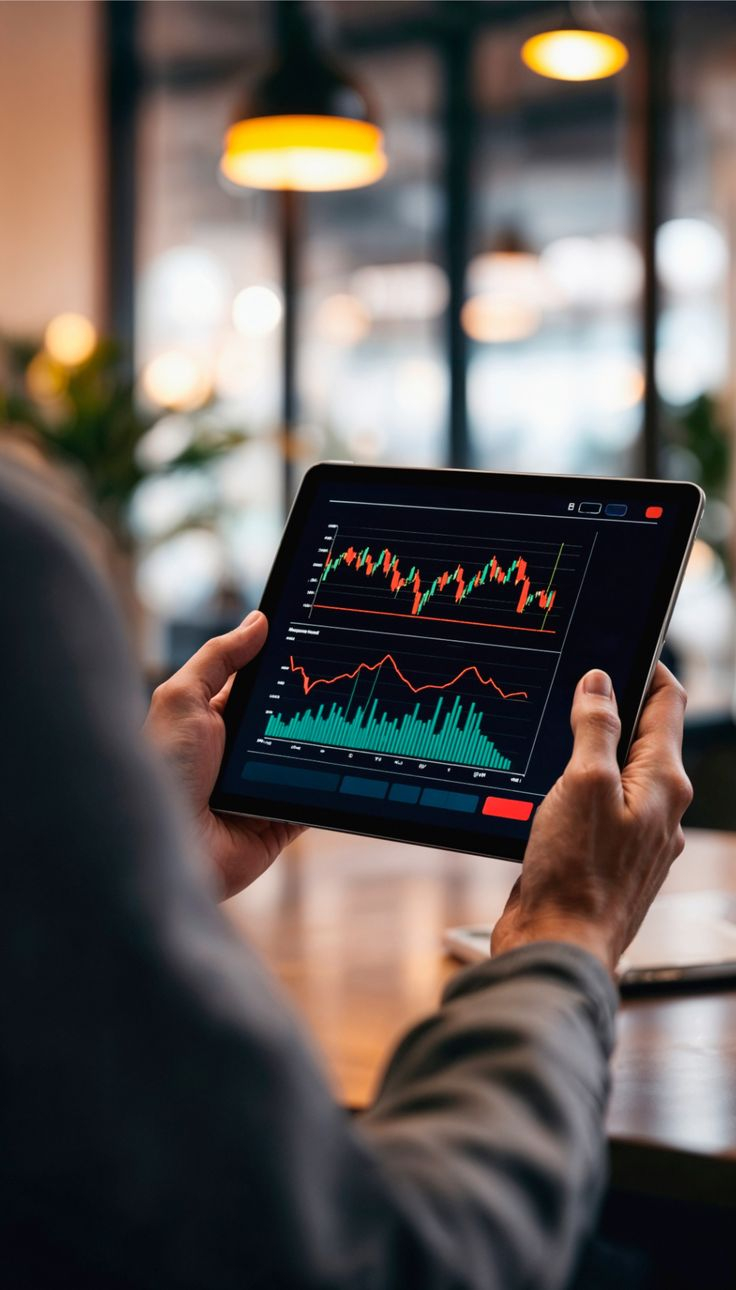
Start Small and Treat It Like School
Many reputable platforms offer demo or paper trading modes that let you practice without risking real money. Use them.
For your first 30 days of live trading, only put in what you would comfortably spend on a night out, money you can afford to lose entirely. Because honestly, those first few weeks are tuition, not investment.
Crypto apps are engineered to trigger emotion. The charts, the push notifications, the green candles are all designed to keep you engaged and trading.
Discipline is the skill that separates people who build wealth in this space from people who lose it.
The market right now is noisy, complex, and full of opportunity for people who approach it with their eyes open. None of this is meant to scare you off, it is meant to put you ahead. The best trade you will make is an educated one. Do your homework before the download.