They Didn't Choose Their Parents: Do Nepo Babies Still Deserve the Blame?
The Nepo vs Lapo debate has taken over Nigerian social media, but is it fair to blame nepo babies for their privilege? This essay examines inherited power, online flaunting, and accountability in a deeply unequal society.

If you have been anywhere near Nigerian space on the alphabet app lately, you have seen the Nepo baby vs Lapo baby debate completely take over timelines.
The trend and phrases gained spotlight on the Nigerian social media spacesin 2025 and it started innocently enough. Someone posted about billionaire Femi Otedola's memoir, questioning what advice someone born into wealth could possibly offer. Then the floodgates opened.
On one side are kids born with golden spoons, whose parents' contacts could literally change their lives overnight. On the other, the hustlers who started from the trenches with nothing but audacity to work through a broken system.
Recently, another debate started. It was targeted at nepo babies who are influencers. And, not because they create content like any other person but because their content is basically them flaunting their wealth and luxury in a country where millions are striving to live through each day.
Netizens are quick to point out that some of these nepo babies are children of those in power or those who are pushing and benefitting from those in power.
And, in this viral chaos, it is important to ask this question: is it actually fair to blame nepo babies for simply existing?

What Even Is a Nepo Baby?
"Nepo baby" means nepotism baby, someone whose career got a serious head start because of who their parents are. Or a person with parents rich in both money and contacts.
In Nigeria, the popular ones in the entertainment industry include Davido, DJ Cuppy, Falz, Temi Otedola. These are people who had studio access before their first hit, direct connections to industry gatekeepers, and financial safety nets that most of us can't even imagine.
Compare that to "Lapo babies," named after LAPO Microfinance Bank, representing everyone grinding from zero advantages. We are talking about artists like Olamide who came up from Bariga streets, Asake whose parents were small earners, or Timaya who literally hawked plantain as a kid. People who turned struggle into art, pain into platinum hits.
Nepo babies are not limited to music studios or movie sets. They also show up online as lifestyle influencers, soft-launch millionaires, and luxury content creators whose visibility comes not from a craft, but from proximity to power.
These are the children of politicians, contractors, oil magnates, and political insiders. Their platforms are not built on talent or service, but on access.
Let's Not Pretend the Privilege Doesn't Exist
To be honest, nepo babies have unfair advantages. When Davido dropped "Dami Duro" in 2011, he was not recording in somebody's backroom studio. His father is Dr. Adedeji Adeleke, a billionaire businessman who owns Adeleke University.
DJ Cuppy, daughter of Femi Otedola (one of Nigeria's richest men), grew up with opportunities most see in movies. Elite schools, international networks, a surname that opens doors. Falz? His dad is Femi Falana (SAN), one of Nigeria's most respected lawyers. Choosing music over law was a privileged choice with no fear of poverty lurking at the back of his mind.
These advantages are the difference between unlimited takes versus one shot. Between networking at exclusive events versus sliding into DMs hoping for replies. Between "my dad knows someone" and "I know nobody."
Social Insight
Navigate the Rhythms of African Communities
Bold Conversations. Real Impact. True Narratives.
There is, however, a thin line between privilege and provocation. That line is often crossed online. And this is why the backlash intensifies. Some nepo babies turn inherited wealth into content. Luxury vacations, designer wardrobes, exotic cars, private jets, posted casually, sometimes daily.
In isolation, wealth display is not a crime. But in a country battling inflation, unemployment, and failing public infrastructure, these performances land differently.
What angers people is context. When the wealth being flaunted is tied to political power, government contracts, or public office, it stops feeling aspirational and starts feeling insulting. It becomes a reminder of how resources circulate upward while ordinary Nigerians struggle to access basics.
The problem deepens when there is no transparency, no acknowledgment, no self-awareness. Wealth is presented as personal achievement rather than inherited advantage. Privilege becomes the aesthetic.
But They Didn't Choose Their Parents
And this is where it gets tricky. Can we blame someone for the family they were born into? Genuinely?

Nobody decides, "Let me be born to a billionaire today." Davido did not apply to the Adeleke family. They just were. And asking them to reject advantages? That is asking someone to pretend they can't see what is right there.
The question is not guilt. It is whether they acknowledge the privilege and what they do with it.

Talent Still Matters Though
Now, privilege opens doors, but doesn't guarantee you will stay. Davido may have had access, but he has been dropping hits for over a decade. Multiple awards, Grammy nominations, genuinely moving culture. Now, that is pure talent and work.
Falz created a whole lane with witty wordplay and social commentary. "This Is Nigeria" sparked national conversations. Yes, he had resources, but he used them meaningfully.
The problem is not the talent, it is the access inequality. For every nepo baby who makes it, how many equally talented Lapo babies never got discovered?
This is where responsibility enters the conversation. Nepo babies are not guilty for being born privileged. But criticism becomes fair when privilege is monetized, or weaponized against public reality.
Flaunting wealth without context, mocking struggle, or presenting inherited power as hustle invites scrutiny. Visibility comes with consequences.
The System Is the Real Villain
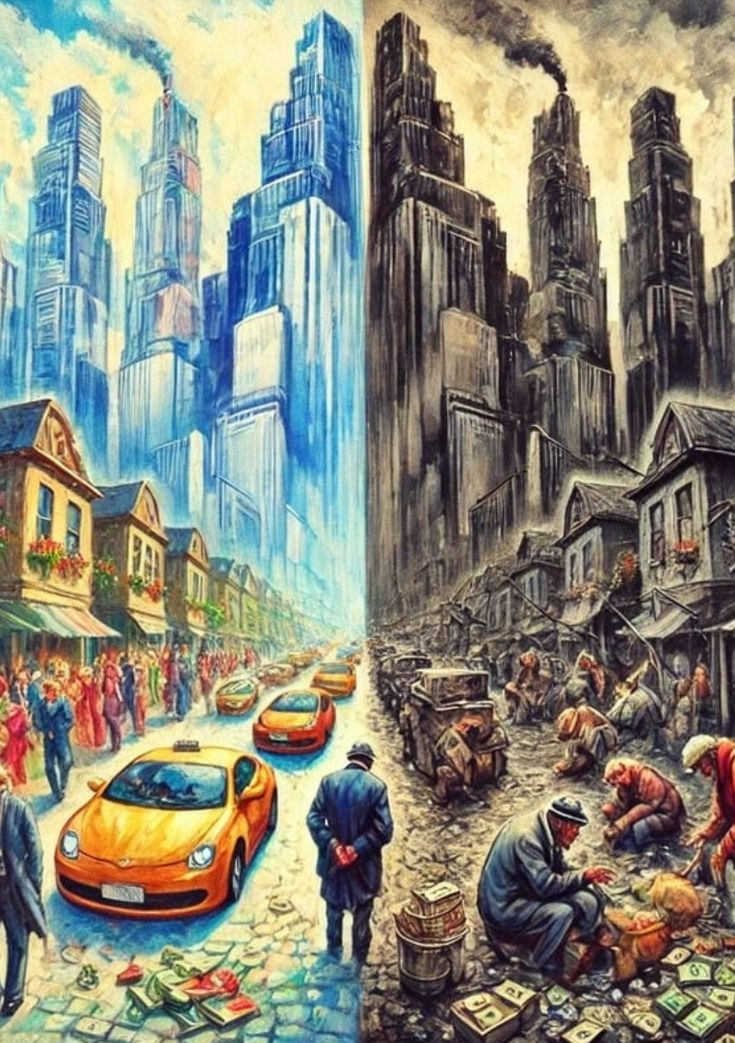
The issue is not individual nepo babies, it is the system making nepotism necessary for success. Why are Nigerian top companies and industries so incredibly hard to break into without connections? Why do we prioritize familiar names?
The Nepo vs Lapo debate reveals Nigeria's class divides. Who gets to dream versus who is just surviving.
Instead of canceling nepo babies, we need a mature conversation. Nobody chooses their parents. But choosing to publicly perform inherited power, especially power rooted in the state, comes with responsibility.
Social Insight
Navigate the Rhythms of African Communities
Bold Conversations. Real Impact. True Narratives.
Nepo babies can exist without being resented. What people reject is a system where privilege is loud, unexamined, and constantly rewarded, while merit struggles to breathe.
Both Nepo and Lapo babies can coexist. The real crisis begins when access replaces talent, when surnames matter more than skill, and when the children of power dominate spaces without acknowledging the systems that lifted them there.
That, not their existence, is why the anger persists.