Expressive Fashion vs. Conservative Society: Why Is Everyone So Bothered by What We Wear?
African men have always dressed expressively, from agbada and coral beads to face paint and flowing robes. So why does modern expressive fashion threaten conservative society?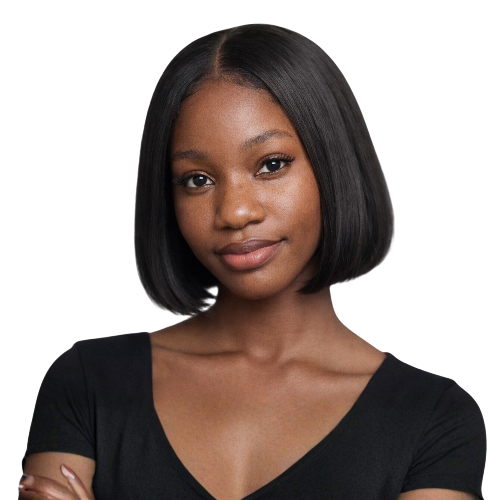
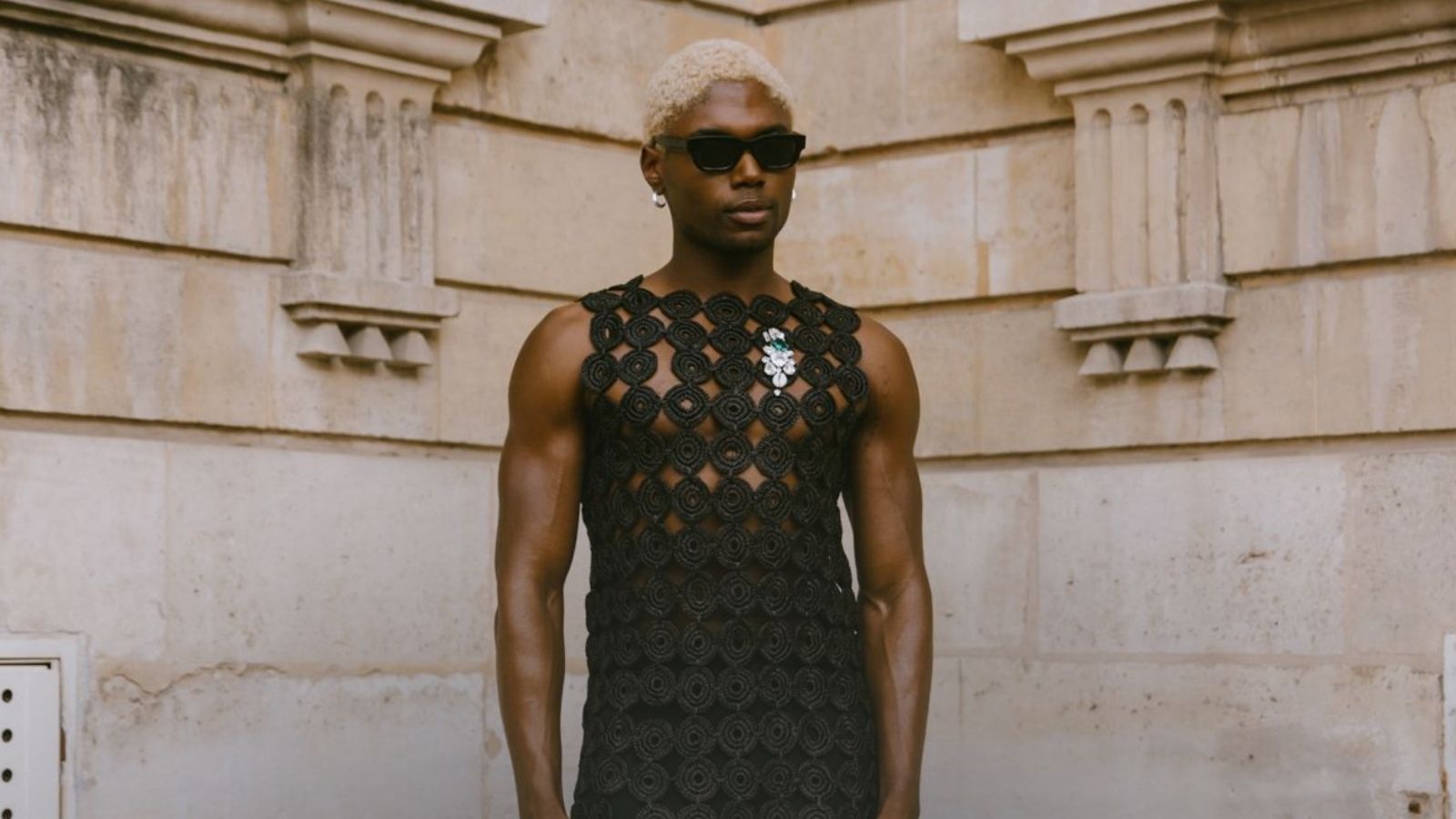
A man steps out in a sheer top, a baggy linen pants, and kohl-lined eyes. Before he is done strutting, strangers online have ruled on his sexuality, his upbringing and his respect for tradition.
After events like GTCO Fashion Weekend, the same argument returns: is expressive fashion creativity, or an attack on masculinity?
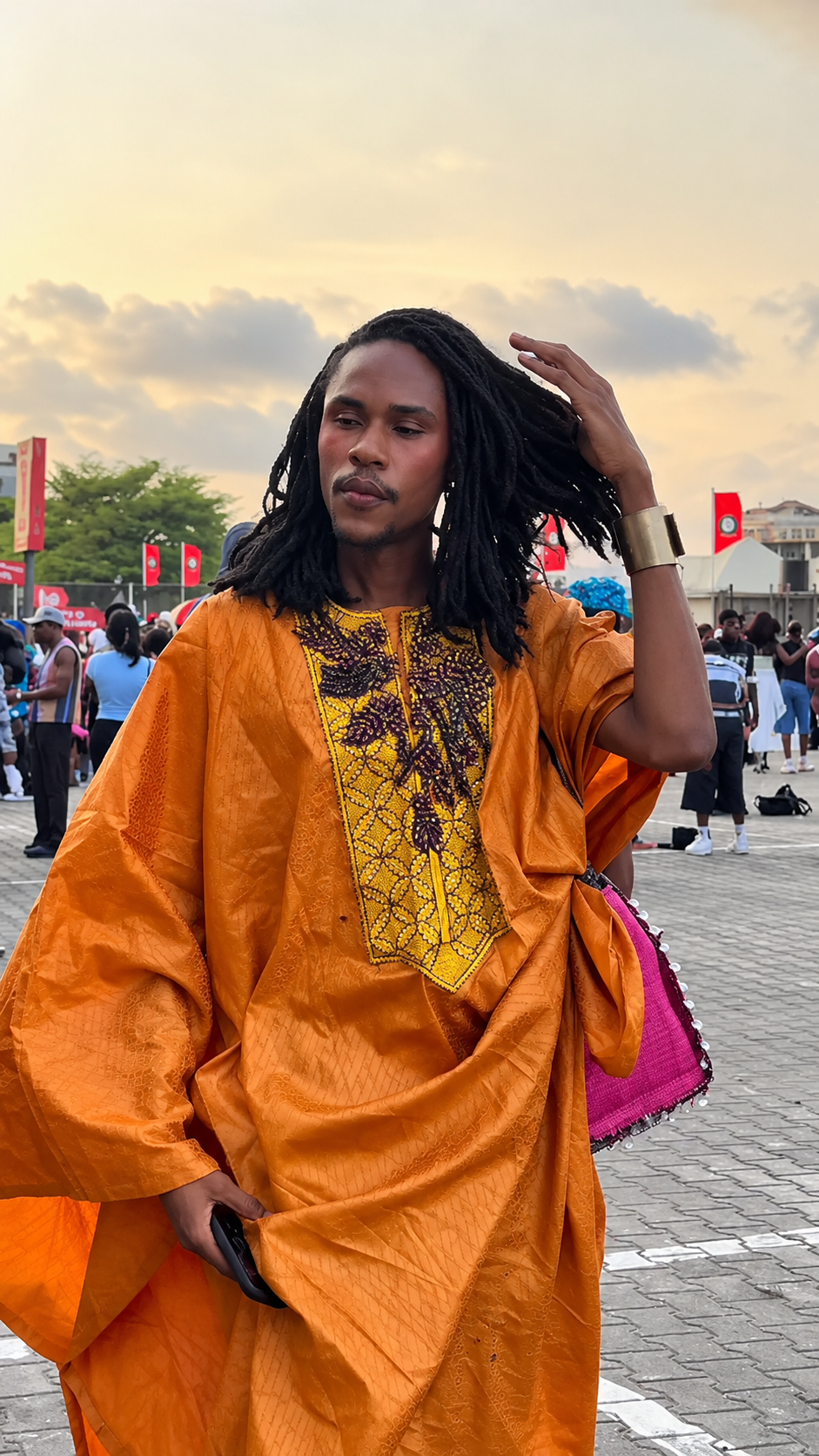
Because many seem to assume African men have always dressed plainly, when, in fact, history says otherwise.
Why Expressive Fashion Triggers Conservative Society
Conservative society treats clothing as some sort of moral compass. Trousers, plain shirts and muted colours signal a “real man”, while softness, colour and ornament signal something suspicious, something concrete enough to attack masculinity and question sexuality.
That is why a fitted lace jacket or a painted nail is immediately seen as a threat.
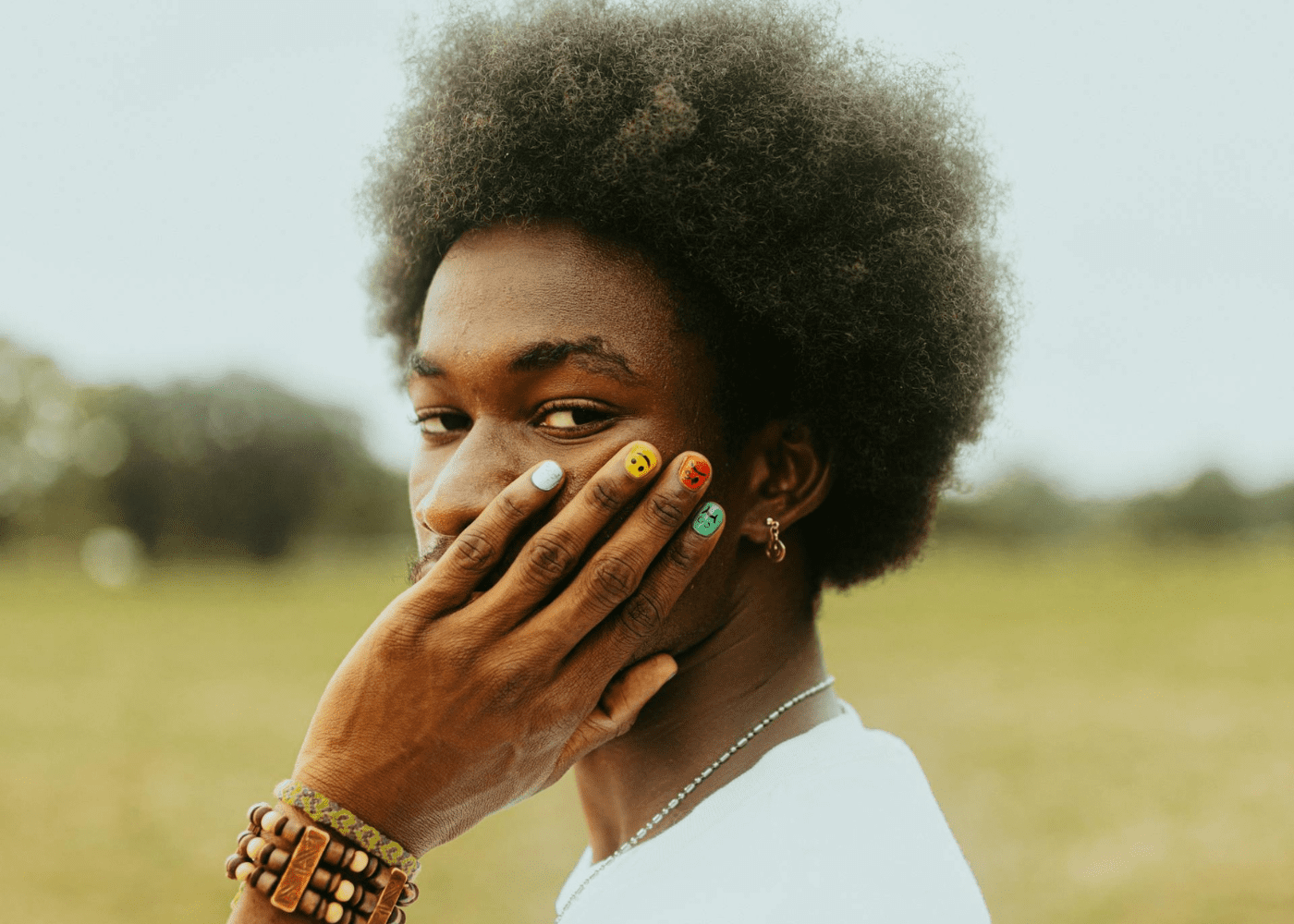
The outrage is largely not about the fabric or style. Clothes are visible, public and easy to police, so they become the front line for anxieties about gender roles, sexuality and “the way things used to be.”
The irony is that the way things used to be looked very different from what is being defended.
Expressive Menswear Was Part of African Culture First
Across the continent, men have long dressed with flair. We can see it in the cases of Yoruba men wearing agbada, Hausa men, the babban riga, Igbo chiefs, the coral beads, red caps and wrappers, and Asante kings, gold and kente.
Then there are the Wodaabe of the Sahel, whose young men paint their faces, line their eyes and adorn themselves to compete in the Gerewol, a beauty contest judged by women.
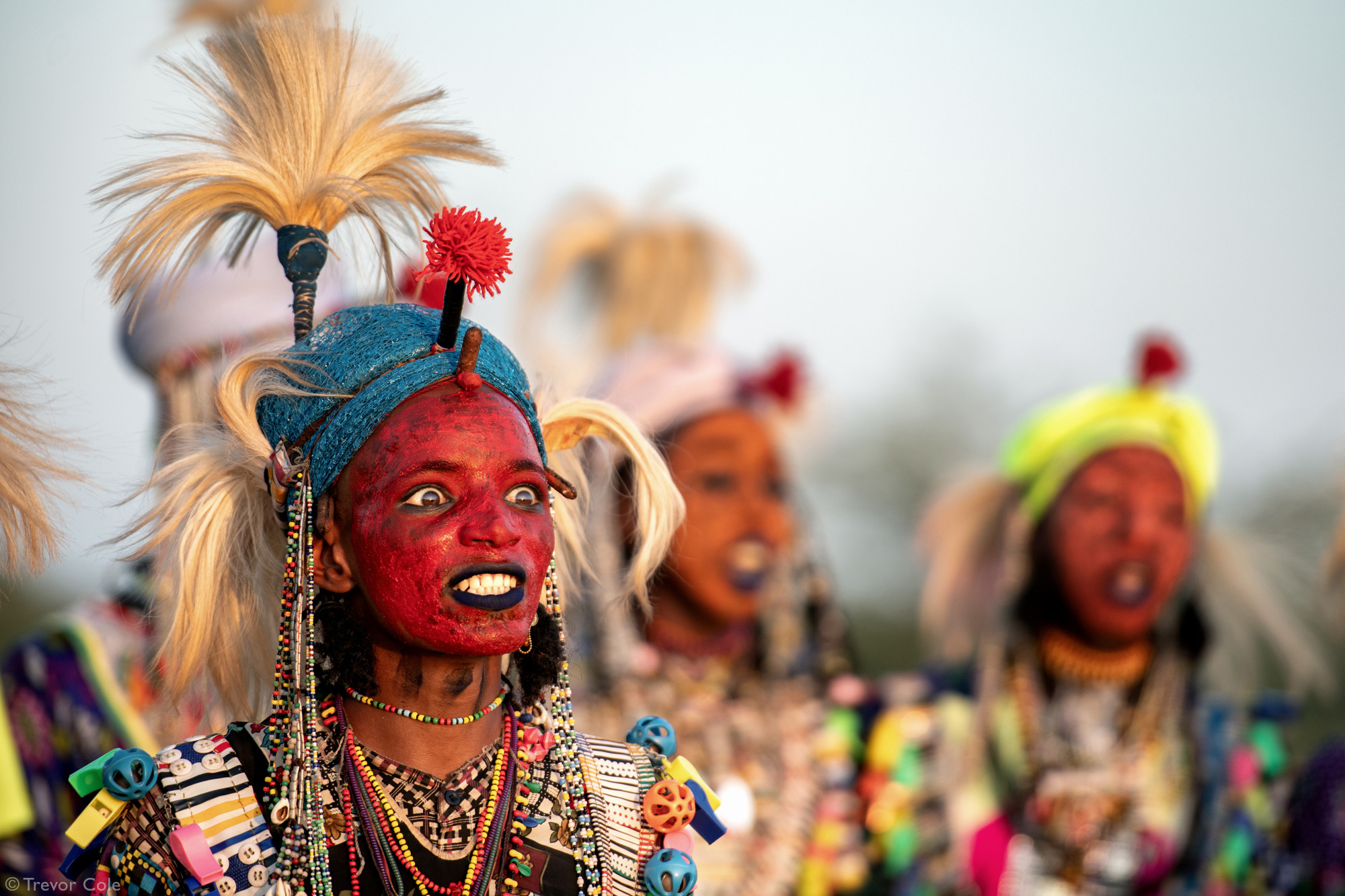
Here, a man taking visible pride in his looks is a social strength. Maasai warriors braid and colour their hair and wear beadwork, and Zulu men wear beaded collars and decorated skins.
Nobody was calling these men less masculine. Adornment was status, spirituality and identity.
Practical African Fashion for Hot Weather

Much of this dress was also built for the climate. Wide agbada sleeves and loose robes let air move across the body. Wrappers and draped cloth are cool, adjustable and easy to wear in humidity.
Light cotton and hand-woven textiles breathe in heat, and head wraps and turbans shield the sun. In Sahelian regions, flowing layers protect against dust and glare while keeping the wearer cool.
Under these historical facts, the “foreign” argument collapses. A man in a skirt-like wrapper or loose, open-chested layers is dressing in a way his ancestors understood as sensible.
How Colonialism Boxed African Fashion Into Gender Rules
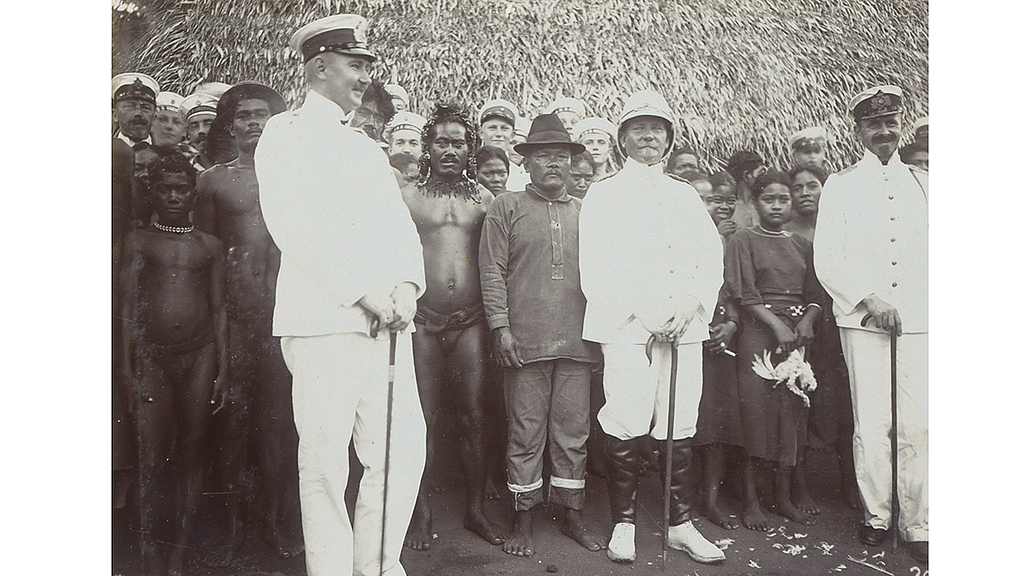
Colonial rule did not just take land and resources. It also imposed a dress code and a moral code.
Missionaries and colonial administrators framed African dress, with its exposed skin, beadwork, wrapped cloth and body adornment, as primitive or indecent.
Schools, churches and offices demanded European clothing. Trousers and Western suits were tied to “civilisation,” employment and respect.
Along with the clothes came a rigid, Victorian idea of gender: men are plain, rational and hard, while women are decorative and soft. Many African societies had more flexible ideas about gender roles, titles and presentation.
Colonial law also criminalised same-sex relationships, and those laws survive in many former colonies today, often defended as “African values” even though they were written by the colonisers.
So when a man is told his outfit is “un-African,” it is worth asking what rulebook that is being quoted from. The discomfort with male expression is, in large part, inherited. It was packaged as modesty and handed down as tradition.
Masculinity and Fashion: Why Clothes Became a Test of Sexuality
Colonial gender rules left behind a fragile version of masculinity, one that has to be proven constantly and can apparently be lost through a bold colour or a sheer sleeve.
Under that logic, any man who plays with fashion is treated as a suspect, and his clothing becomes grounds for investigating his sexuality.
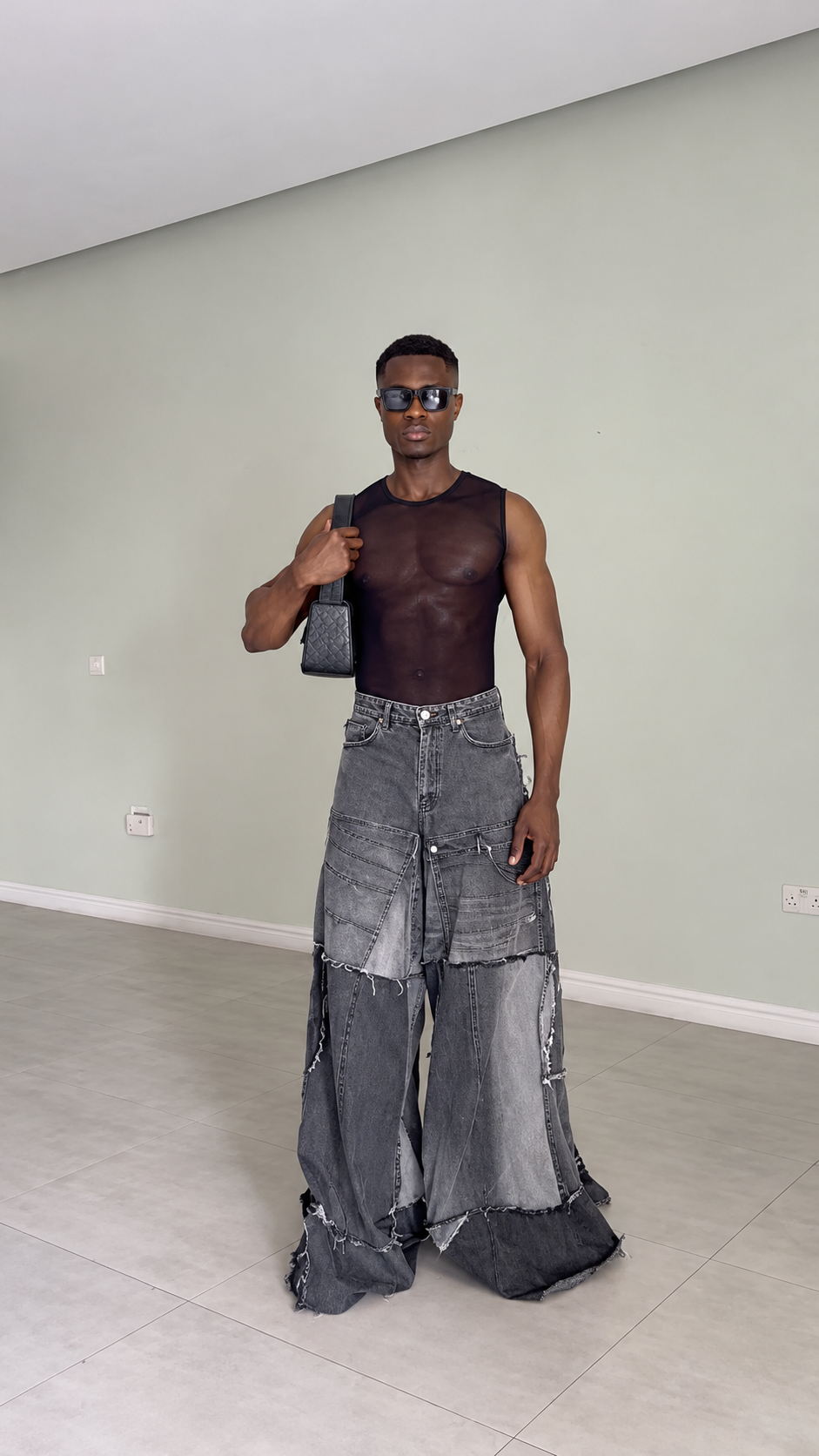
This narrows options for men to a small box of acceptable looks and polices them with ridicule. A man who wants to wear jewellery, pearls or crop tops is told he is attacking masculinity, as if masculinity were so weak that fabric could break it.
It also ignores a basic fact: clothes do not determine desire. Plenty of straight men dress expressively, and plenty of gay men dress conventionally.
Treating outfits as evidence of sexuality is lazy thinking dressed up as concern for culture.
Expressive Fashion Today
Contemporary Nigerian and African designers are reviving the same ideas their grandparents wore: structured wrappers, bold embroidery, beadwork, flowing silhouettes and gender-neutral tailoring.
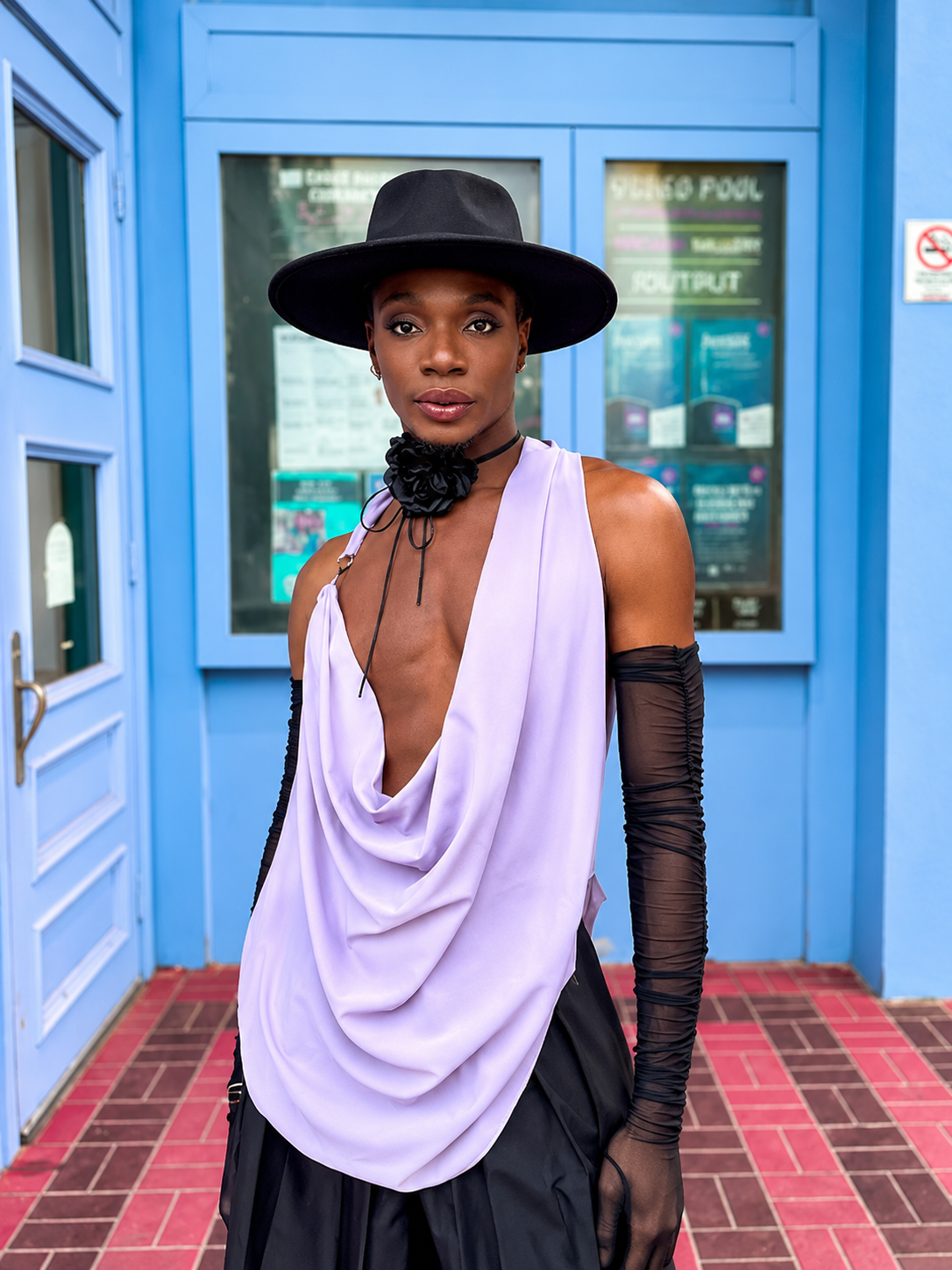
Gender-fluid fashion in Africa is often a return to older, wider definitions of dress, even when it arrives in modern cuts and social media posts.
That does not mean everyone must like it. Taste is personal, and conservative society is entitled to its preferences.
However, there is a gap between “I wouldn’t wear that” and “he must be attacking our culture.” The first is an opinion. The second is a demand for control.
Why Is Everyone So Bothered by What We Wear?
Clothes are never only clothes. They carry history, power and the unresolved question of who gets to define African identity.
For many people, defending a narrow idea of male dress feels like defending culture itself, even when that idea came from a colonial classroom rather than a village square.
The question we should be asking is: which tradition are we protecting? If it is the one with agbada, beads, face paint and wrapped cloth, then expressive fashion is not the enemy. If it is the one that arrived with missionaries and tailored suits, then it is worth admitting that it was borrowed too.
Africans have always dressed to say something. The conversation worth having is not whether men should be allowed to express themselves, but why we ever agreed to stop.