Who Named Your Favourite Ankara Print? Meet the Togolese Women Called the Nana Benz
The Nana Benz of Togo built fortunes controlling the wax print trade, naming patterns and shaping West African fashion. Discover their influence and legacy.
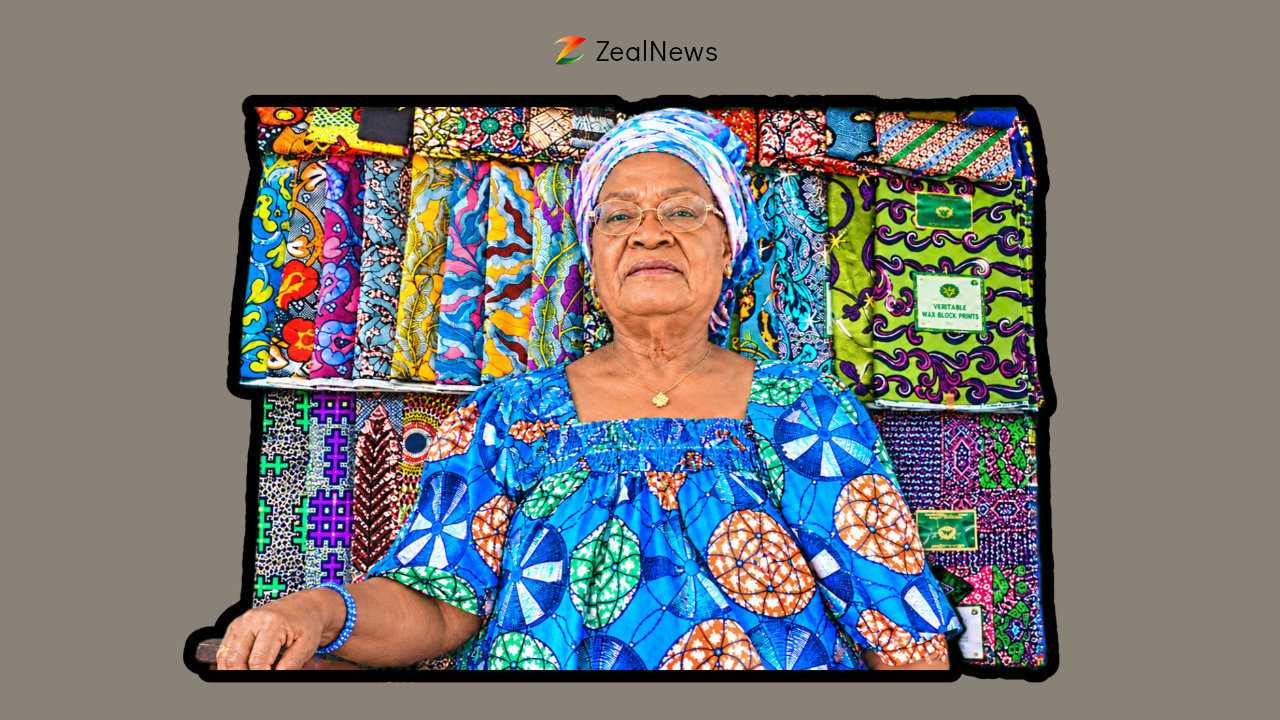
In Nigeria, many people simply call it Ankara. Before African wax prints became familiar features of weddings, celebrations, church services and everyday wardrobes, a group of Togolese women had already recognised their commercial and cultural power.
They built fortunes selling colourful fabrics, controlled access to sought-after patterns and helped shape what women across West and Central Africa wanted to wear.
They became known as the Nana Benz, a name that reflected both their status and their wealth. “Nana” is a term of respect associated with mothers and grandmothers, while “Benz” referred to the Mercedes-Benz cars many of them could afford through their textile businesses.
Their story is not simply about women who became rich selling cloth. It is about how they helped turn a foreign-manufactured textile into a fashion language that millions of Africans could recognise, interpret and make their own.
How Togolese Women Took Control of the Wax Print Trade
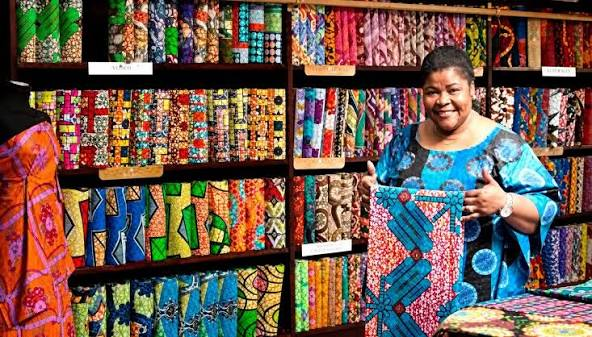
The history of African wax print is more complicated than its name suggests. The fabric's manufacturing origins are connected to European attempts in the nineteenth century to reproduce Indonesian batik, a traditional textile technique that uses wax to create patterns resistant to dye.
Dutch manufacturers, particularly the company that became Vlisco, adapted the process for West African markets. English manufacturers also entered the trade. By the late nineteenth century, these colourful, patterned fabrics were reaching West Africa through European commercial networks.
But producing the fabric was only one part of the business. Understanding what African consumers wanted was another.
During the 1940s and 1950s, Togolese women began building their position in the textile trade, initially sourcing fabrics through Ghana and European trading companies. By the late 1950s, Lomé had become an increasingly important centre for distribution. The women bought cloth in large quantities and supplied retailers and traders from neighbouring countries.
Their influence grew considerably between the 1960s and early 1980s. Some secured exclusive distribution rights for particular patterns, meaning a specific design could be associated with one trader who controlled its wholesale supply. A successful Nana Benz could hold exclusive rights to many patterns, giving her considerable influence over what entered the market.
This was not ownership of the textile factories. European companies still manufactured the cloth. The Nana Benz controlled a valuable part of the commercial chain between manufacturers and consumers.
Their influence also extended beyond buying and selling. They understood regional preferences, advised manufacturers on colours and designs, and gave names to patterns that were sometimes identified by numbers in factory catalogues. A design could acquire a new identity through the women who sold it.
The V&A documents a Vlisco pattern called Speed Bird, known by different names across West Africa, including Air Afrique in Togo and Rich Today, Poor Tomorrow in Ghana. Another design, Santana, was named after influential Togolese trader Madame Santa Anna Nelly, who secured exclusive rights to it.
The women were therefore doing something that went beyond distribution: they were helping create the cultural meaning and commercial identity of the fabric.
The Fashion Language They Built and the Empire They Lost
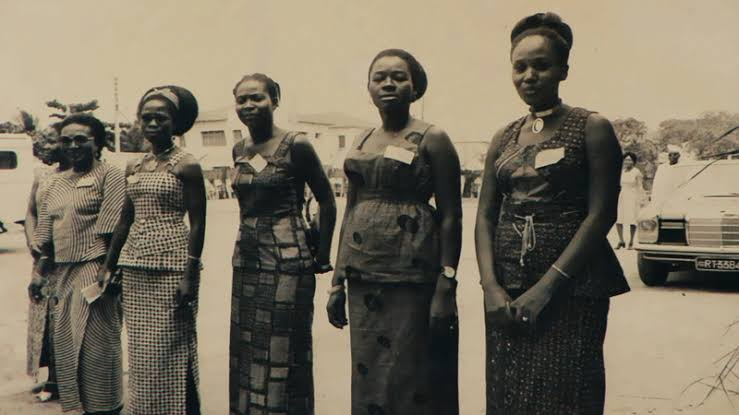
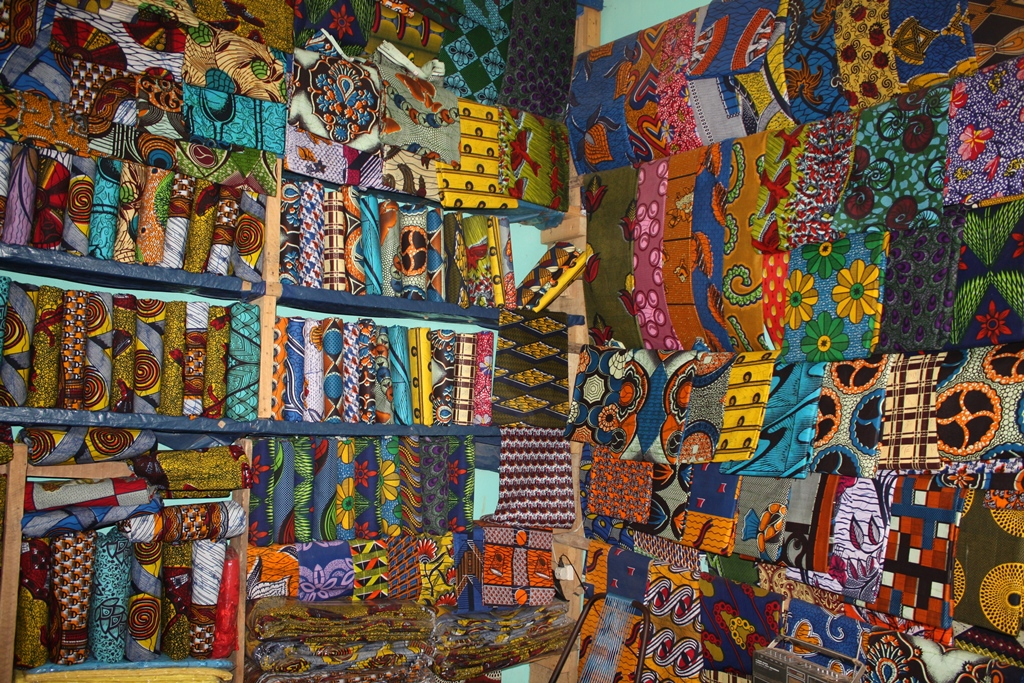
Wax prints became more than colourful material for making clothes. Their patterns could communicate status, relationships, humour, political opinions, wealth and personal identity. A woman could select a design because of its colours, its name, the message attached to it, or the statement she wanted her outfit to make.
This made the Nana Benz important to fashion in a way that conventional retail statistics cannot fully capture. They understood that people were not buying cloth simply because they needed something to wear. They were buying designs that could be recognised, discussed and interpreted.
Their influence also helped turn Lomé's Grand Marché, particularly Assigamé, into a major regional textile trading destination. Traders came from across West Africa to buy fabrics. At their height, the Nana Benz were powerful businesswomen whose economic influence extended into national politics.
Scholars describe the women’s relationship with President Gnassingbé Eyadéma’s government as one of mutual benefit: favourable trading conditions, including low tariffs, in return for support for the ruling establishment. In the 1970s, the textile trade was considered as significant as Togo’s phosphate industry, the country’s main export.
But the business model began to weaken. The 1994 devaluation of the CFA franc, economic liberalisation and changes in European distribution arrangements disrupted the market. The United Africa Company's trading operations were taken over by Vlisco, which gradually dismantled the exclusive arrangements that had helped the Nana Benz build their fortunes. From the early 2000s, cheaper Chinese-made African print textiles intensified competition.
Dédé Rose Gamélé Creppy, known as Maman Creppy, the youngest and last living Nana Benz, died in June 2023 at 89. Her daughter, Yvette Sivomey, continues the trade and works with manufacturers to revive old patterns.

Today, African print fashion is a much larger and more competitive industry, with manufacturers, traders, designers, tailors, and consumers shaping its direction. Yet the Nana Benz remain an important part of its history.
They did not invent wax printing, and they did not manufacture every fabric they sold. What they did was build a powerful market around it, give patterns identities that travelled across borders, and make cloth an expression of African taste and social life.
The next time a familiar print catches your eye at a market, a wedding or on a fashion runway, remember that its story may have passed through Lomé, where a group of women understood something long before the fashion industry began calling it branding: a fabric becomes valuable not only because of how it is made, but also because of what people see in it.