Crypto Savings vs. Bank Savings: Where Should Your Idle Money Actually Live?
Crypto savings and traditional bank savings may chase the same goal, but they operate very differently, with yield, liquidity, risk, and accessibility shaping where your idle money or digital assets should actually live.
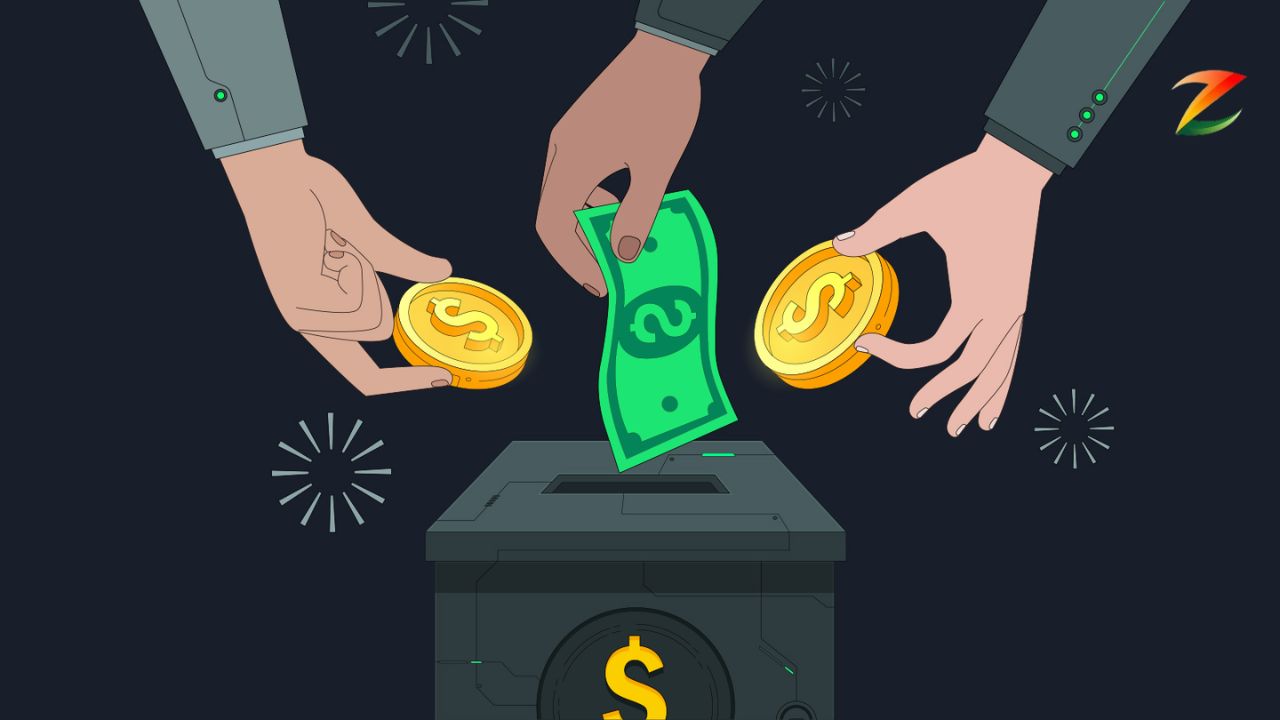
Most people open a savings account and forget about it. The money sits, the interest trickles in at a pace that barely registers, and life moves on. That arrangement has always worked, or at least felt like it worked, for decades.
It worked because it was and is still familiar, easy to understand, and built around a simple idea: preserve capital, earn some interest, and access funds when needed.
But a growing number of people are sitting on digital assets and asking a different question: should my crypto assets just sit there too?
The comparison between crypto savings products and traditional bank savings accounts sounds like a tech-versus-tradition debate, but it is really about something simpler: making idle assets do more.
Both products actually chase the same goal. What separates them is everything else, the risk structure, the access model, the yield potential, and what kind of saver each one was built for.
Same Goal, Different Architecture And Modus Operandi

A traditional bank savings account is capital-preservation in its simplest form. You deposit fiat money, the bank lends it out at a higher rate, and you collect a modest return.
The whole system is backed by regulation, deposit insurance, and decades of institutional trust. For emergency funds, short-term reserves, or anyone who needs instant fiat access, it remains hard to beat on reliability alone.
Crypto savings products are structured differently from the ground up. They are not designed to grow your cash, they are designed for people who already hold digital assets and want those assets earning yield instead of collecting dust.
The underlying mechanics vary: some platforms lend your crypto to institutional borrowers, others run it through liquidity pools or staking protocols. The common thread is that idle holdings become productive holdings.
So the real comparison is not which product sounds more modern. It is which product fits where you actually are and what you are trying to do with the money (or the crypto) you already have.
Yield, Liquidity, and What You Are Trading Off
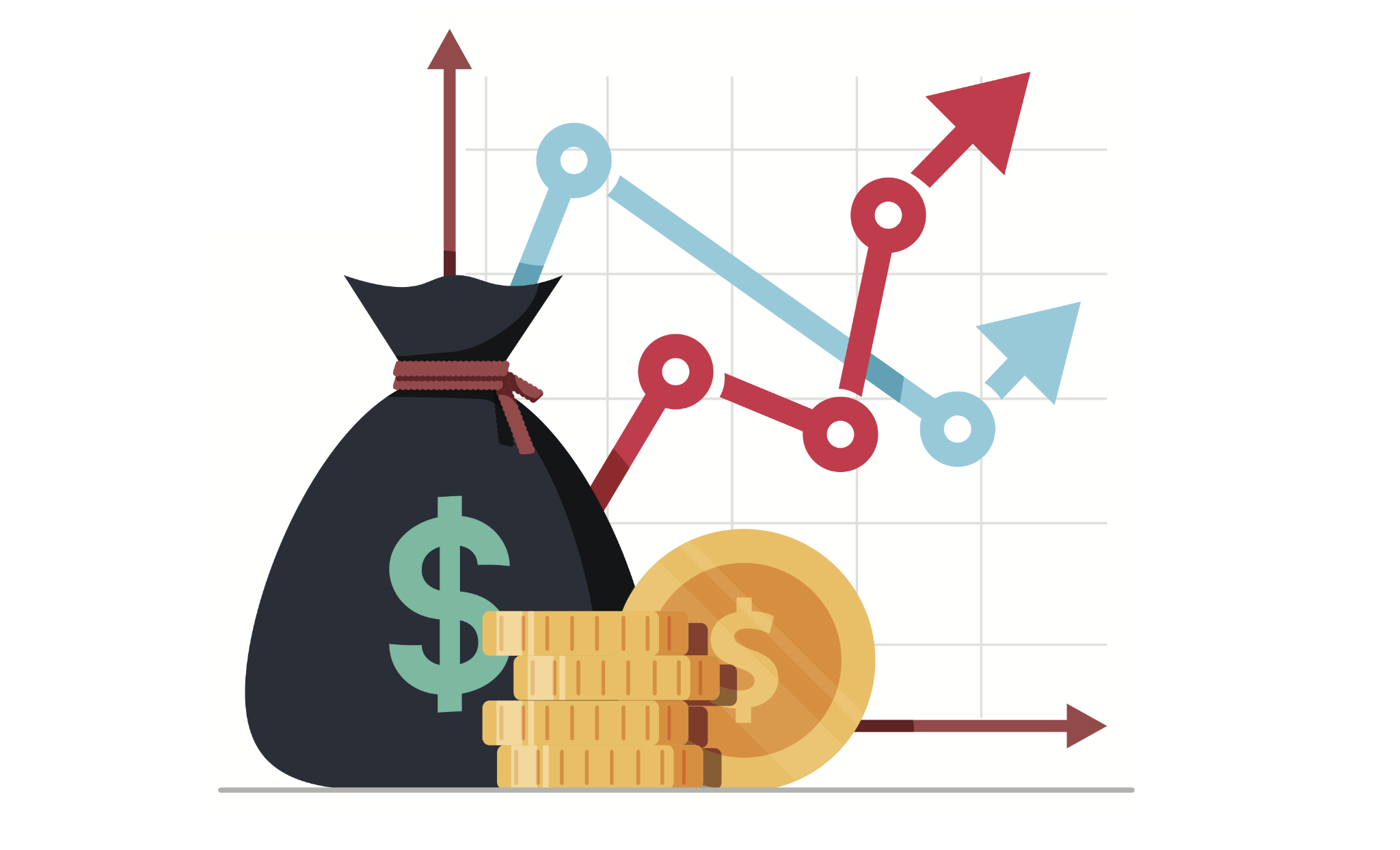
The yield conversation is where things get interesting. Traditional savings accounts in most markets are offering rates that barely keep pace with inflation, often below two percent annually.
Crypto savings products, particularly those denominated in stablecoins, can offer significantly higher returns. That difference is real, but it does not mean crypto savings is automatically the smarter move.
Higher yield comes attached to different risks. Crypto platforms are not covered by deposit insurance schemes. If a platform runs into insolvency issues, user funds can be at risk.
Stablecoin products carry their own considerations around peg stability and underlying reserve quality. None of these are deal-breakers, but they are trade-offs that bank savings accounts do not carry.
Liquidity is the other variable. Bank savings accounts are generally accessible at any time with no penalty. Crypto savings products are split into two categories: flexible options where you can withdraw whenever you want, and fixed-term options where your assets are locked for a defined period in exchange for better rates.
If you need immediate access to funds, the flexible type is closer to a bank account in practice. Fixed-term products demand more planning.
The Benefits and the Downsides, Side by Side

Traditional bank savings accounts:
The upside is quite straightforward — regulatory protection, deposit insurance in most jurisdictions, no exposure to crypto market volatility, and fiat access whenever you need it.
For anyone managing emergency funds or saving toward a near-term goal, these qualities matter more than chasing yield.

The downside is equally clear as well. Returns are thin and in high-inflation environments, keeping money in a traditional savings account can mean losing purchasing power in real terms. There is also no meaningful way to extract more yield without taking on additional financial products.
Crypto savings products:
The upside is the yield potential, especially for long-term holders and stablecoin users. Instead of sitting on idle digital assets, you put them to work. Flexible products preserve your access. For people already committed to crypto as part of their financial strategy, this is a logical extension of that position.
The downside is platform risk, the absence of regulatory backstops, and the fact that returns are not guaranteed in the way bank interest is. Crypto savings also requires a baseline level of technical comfort and an active relationship with a platform. It is not as set-and-forget as a bank account.
Who Each One Is Actually Built For

If your priority is simplicity, fiat access, and knowing your principal is protected by law, a traditional savings account is the right tool. It is not glamorous and it's definitely not going to generate life-changing returns.
But for emergency funds, near-term savings goals, or anyone not yet comfortable with digital asset platforms, it does exactly what it is supposed to do.
Crypto savings products are built for a different type of saver, one who already holds digital assets and does not want those holdings sitting unproductive. Long-term holders, stablecoin users, and people optimizing for capital efficiency rather than cash access will find this model more relevant.
The key word is "already", you are not converting cash into crypto to chase yield. You are making what you already have work harder.
The most honest truth to note here is not a ranking. The two products serve different roles in a portfolio. A bank savings account handles stability, fiat access, and short-term security. A crypto savings product handles the productivity of idle digital holdings. For the right user, they are not competing, they are complementary.
The question is never which one sounds smarter. It is which one fits where your money or your crypto actually sits right now.