The Influence of Cinema on Fashion Trends
Cinema has shaped fashion trends for decades, influencing how people dress through celebrities, emotional storytelling, social behaviour, and psychological identity formation.
Fashion has never and will probably not exist in isolation. What people wear is often shaped by what they see, admire, and emotionally connect with. For decades, cinema has remained one of the strongest forces behind that influence, quietly dictating trends through characters, celebrities, aesthetics, and cultural moments that move beyond the screen and into everyday life.
Long before social media influencers existed, films were already shaping how people dressed. Audiences watched actors carry themselves with confidence, elegance, rebellion, or mystery, and many attempted to recreate that identity through clothing.
Cinema does not simply sell outfits; it sells emotion, status, personality, and aspiration. That is why fashion inspired by movies often spreads faster than ordinary clothing trends.
Throughout history, iconic films have altered global fashion patterns. The Matrix popularised long leather coats and futuristic dark aesthetics in the late 1990s. Top Gun reignited bomber jackets and aviator sunglasses.
More recently, films like Barbie triggered a surge in pink-themed fashion and hyper-feminine styling globally. These trends extended far beyond cinemas because audiences emotionally attached themselves to the characters and the worlds they represented.
Celebrities and actors also amplify this effect. When a popular actor appears repeatedly in a certain style, fans begin associating that look with attractiveness, success, or relevance.
In many cases, people are not consciously copying fashion itself; they are attempting to imitate the feeling attached to the person wearing it. This psychological phenomenon is deeply rooted in admiration and identity formation.
Why Audiences Copy What They See on Screen
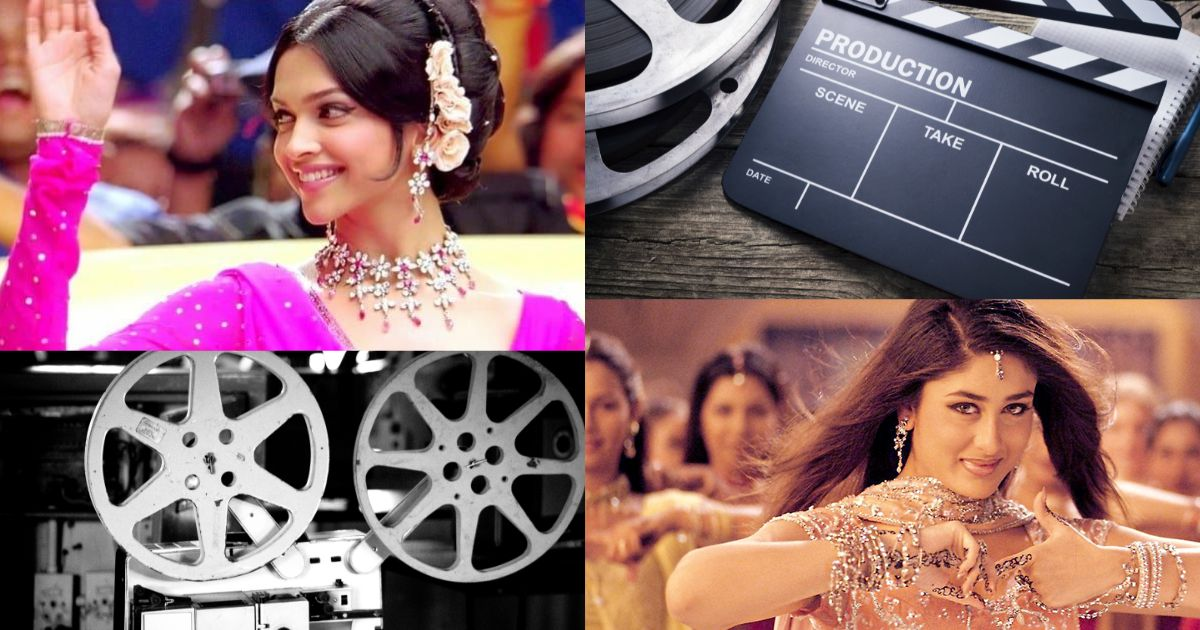
Cinema influences social behaviour through group acceptance. Once a style becomes associated with a successful movie or admired celebrity, it often gains cultural legitimacy.
People adopt the trend not only because they personally like it, but because it signals belonging to a larger social conversation. This is particularly visible among younger audiences, where fashion becomes tied to online trends, fandom culture, and peer validation.
The relationship between cinema and fashion has become even stronger in the social media era. A movie release no longer ends in theatres. Clips circulate on TikTok, Instagram, and X, allowing outfits and aesthetics to spread globally within hours. Fashion brands now collaborate directly with film studios because they understand that cinema creates emotional marketing stronger than ordinary advertising.
Psychologically, cinema-driven fashion trends also reveal how visual storytelling shapes human behaviour. People often use clothing to project identity, confidence, rebellion, sophistication, or desirability.
When films repeatedly associate certain styles with admired characters, viewers subconsciously internalise those connections.
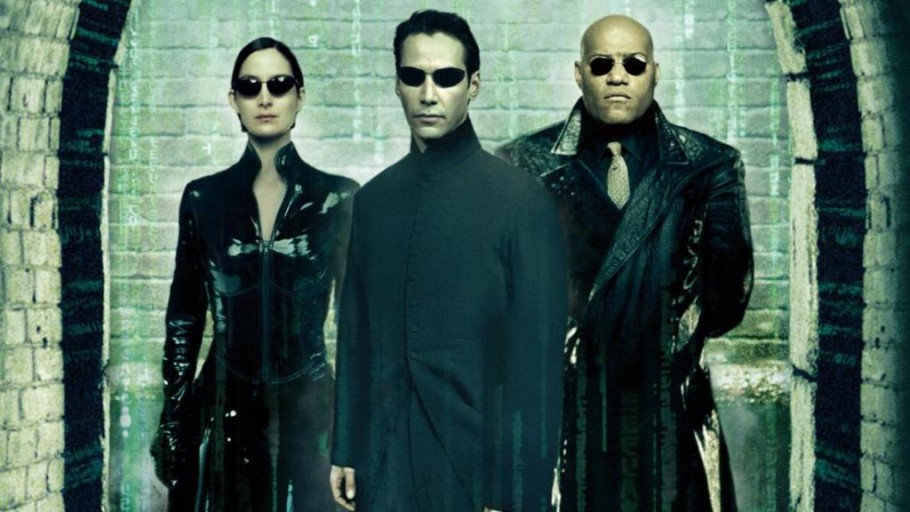
A leather jacket may begin to symbolise confidence. A luxury suit is associated with power. Fashion becomes less about fabric and more about emotional storytelling.
Cinema’s influence also extends into cultural perception. Different film industries shape regional fashion identities across the world. Hollywood helped globalise Western fashion aesthetics, while Bollywood heavily influenced traditional and modern South Asian fashion trends.
In Africa, the growing visibility of Nollywood has increasingly contributed to conversations around local fashion, luxury styling, and modern African identity.
It's worth noting that, cinema influences fashion because films do more than entertain. They create aspiration, emotional attachment, and social imagination. What begins as costume design on a movie set often evolves into real-world identity and cultural behaviour.
In many ways, cinema has become one of fashion’s most powerful unofficial runways, shaping not only what people wear, but how they see themselves.