Countries That Contribute the Least to Climate Change but Pay the Highest Price
They barely warm the planet, yet they bury their dead after floods, storms, and droughts. This justice-driven listicle exposes the countries paying the highest price for a climate crisis they did not create and why climate change follows power, not responsibility.
Climate change is often framed as a shared global emergency. A crisis with no borders, no villains, no winners. That framing is convenient. It spreads responsibility so thin that accountability disappears.
In reality, climate change is deeply uneven. It has beneficiaries and victims. It has winners who built wealth by burning fossil fuels and losers who never had the chance to do the same. The atmosphere may be shared, but the damage is not.
The countries that pollute the least are losing the most. Not just land and livelihoods, but time, stability, and futures that were already fragile.
This is the quiet truth beneath the climate conversation. Climate change follows power, not responsibility.
Bangladesh
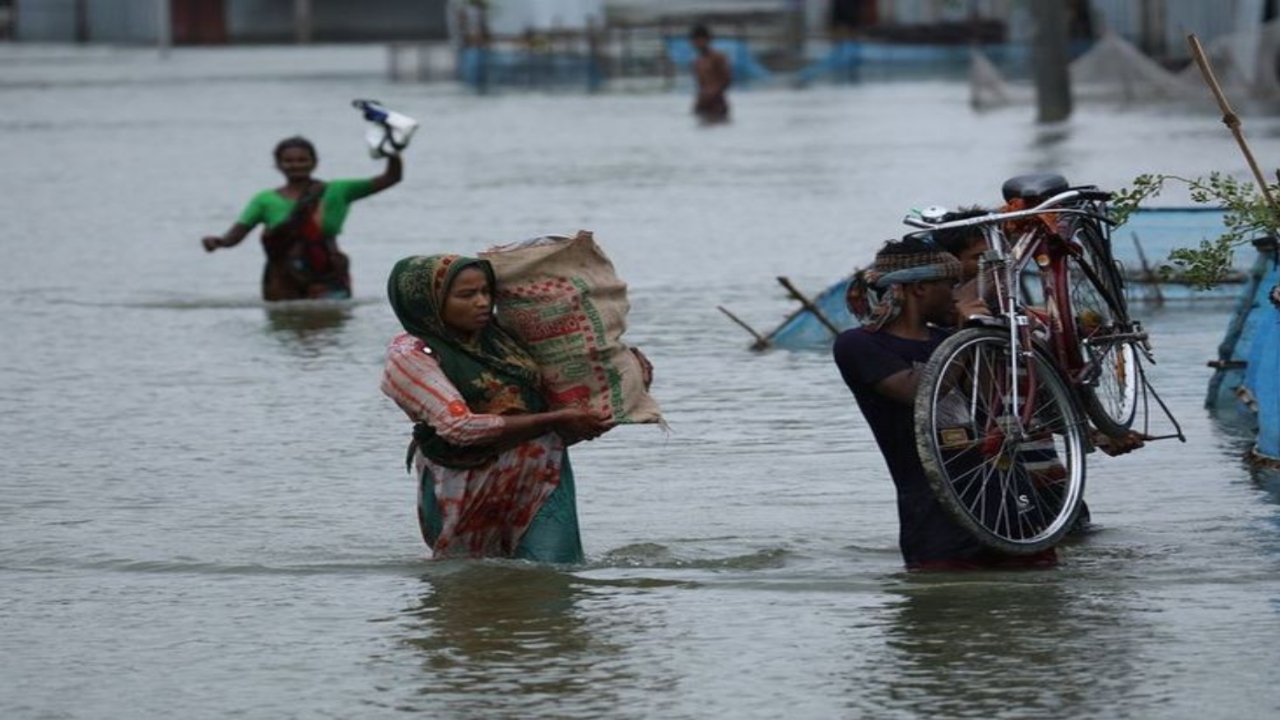
Bangladesh's position as a "climate ground zero" despite minimal historical contribution to global greenhouse gas (GHG) emissions is a clear example of climate injustice.
While the country is one of the lowest carbon emitters, responsible for less than 0.5% of global emissions, it is consistently ranked among the most vulnerable to climate change, often appearing in the top 10 on the Global Climate Risk Index.
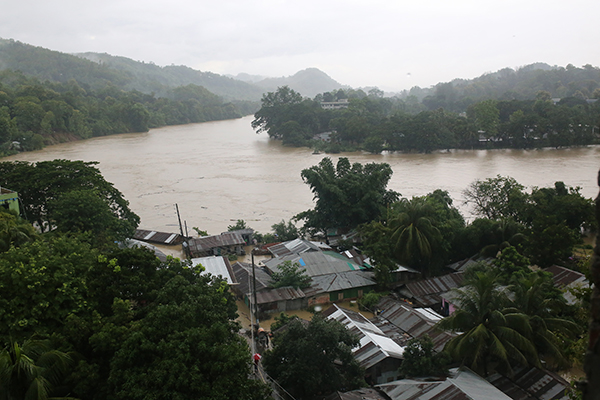
Large parts of the country sit just above sea level, threaded by rivers that sustain life and, increasingly, threaten it. As rainfall patterns grow more extreme, floods arrive faster and stay longer.
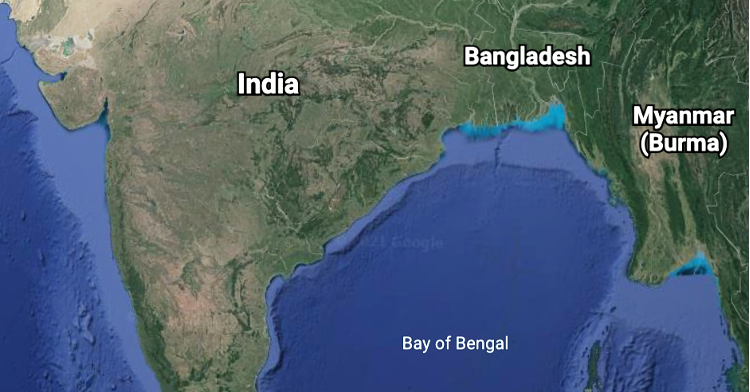
Cyclones now carry more destructive force, tearing through coastal communities and flattening homes that families spent years building.
What makes the damage especially cruel is repetition. A flood does not arrive as a once-in-a-generation catastrophe. It comes back every few years, sometimes every season, erasing recovery before it can take hold.
Farmland turns saline as seawater creeps inland, forcing farmers to abandon crops their families have grown for generations.
Bangladesh has become a global example of climate adaptation out of necessity, not choice. But adaptation costs money, and survival should not require constant innovation against a problem you did not cause.
This is climate change as inherited damage.
Mozambique
Mozambique’s climate story is one of sudden shocks layered on slow vulnerability. When Cyclone Idai hit in 2019, it wiped out entire neighborhoods, destroyed roads and hospitals, and displaced millions almost overnight. It was one of the worst storms ever recorded in the Southern Hemisphere.
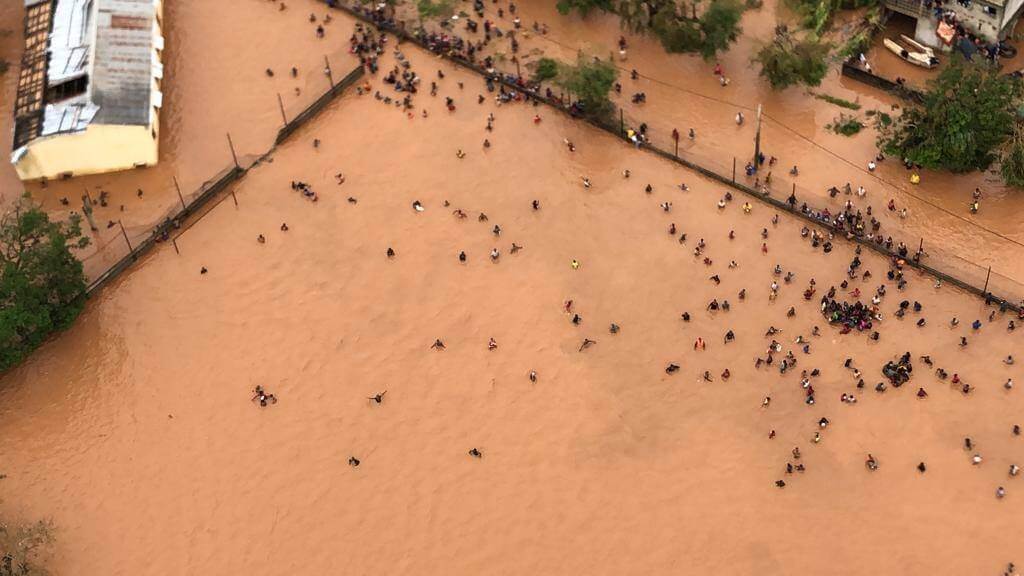
But the real damage unfolded after the headlines faded. Recovery was slow. Infrastructure that took decades to build vanished in days. Agriculture, which supports most households, became increasingly unreliable as droughts followed floods.
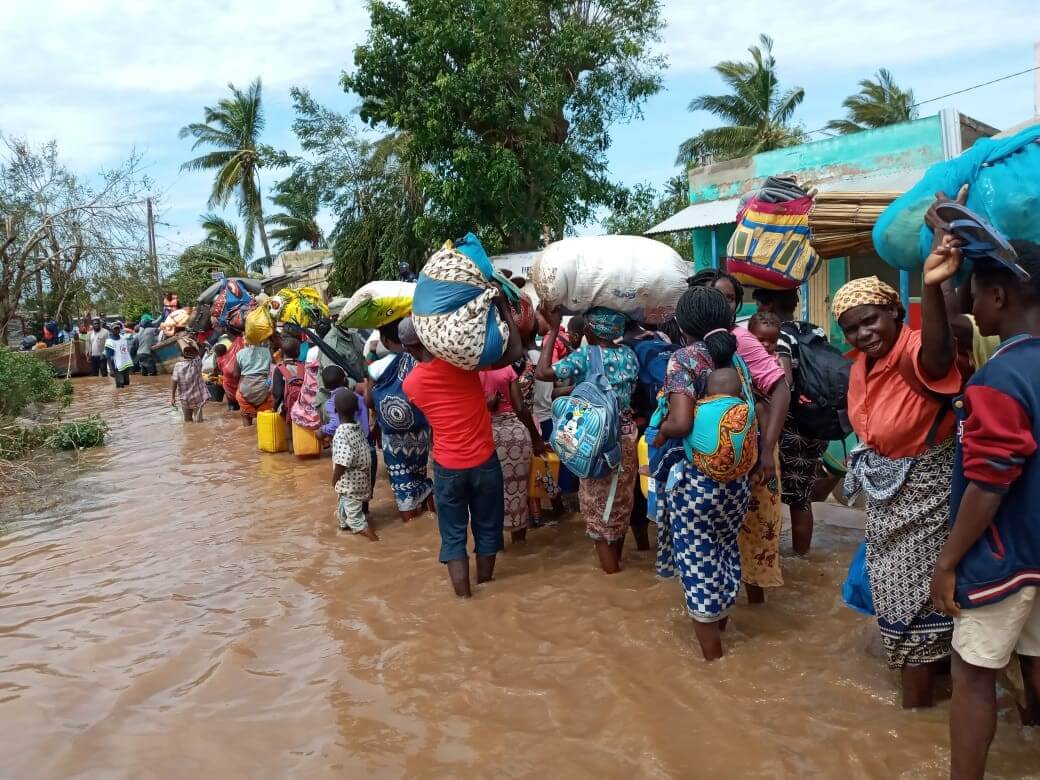
Each disaster pulls the country deeper into dependence on international assistance. Aid arrives, but often late and never enough to rebuild stronger systems. Temporary shelters replace permanent homes. Emergency food replaces long-term food security.
Mozambique did not gamble on fossil fuels. Yet it is gambling its future on whether the world will respond faster next time.
Low emissions do not mean low losses. They often mean low protection.
Haiti
Haiti’s climate vulnerability cannot be separated from its history. Long before climate change intensified storms, the country was already burdened by deforestation, debt, and political instability.
When hurricanes hit, they do not just damage infrastructure. They expose how little margin for recovery exists. Floods trigger landslides on bare hillsides. Crops fail, roads collapse, and entire communities are cut off from aid.
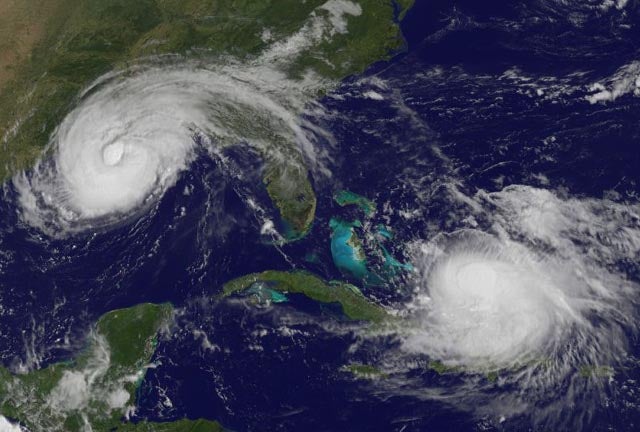

Each disaster compounds the previous one. Recovery never reaches completion before the next shock arrives. International support often focuses on immediate relief rather than long-term resilience, keeping Haiti locked in a cycle of emergency response.
Climate change here is not an isolated threat. It magnifies every existing weakness.
In Haiti, climate change is not a future risk, it is a permanent condition.
Maldives
The Maldives does not face climate change as an inconvenience. It faces it as a question of existence.
This island nation is made up of low-lying atolls that rise only slightly above the ocean. Rising sea levels threaten not just homes and tourism, but freshwater supplies, food security, and territorial sovereignty.
The government has invested in ambitious adaptation projects, including artificial islands and sea walls. These efforts are often praised internationally, but they are expensive and limited. No wall can fully protect against unchecked global warming.
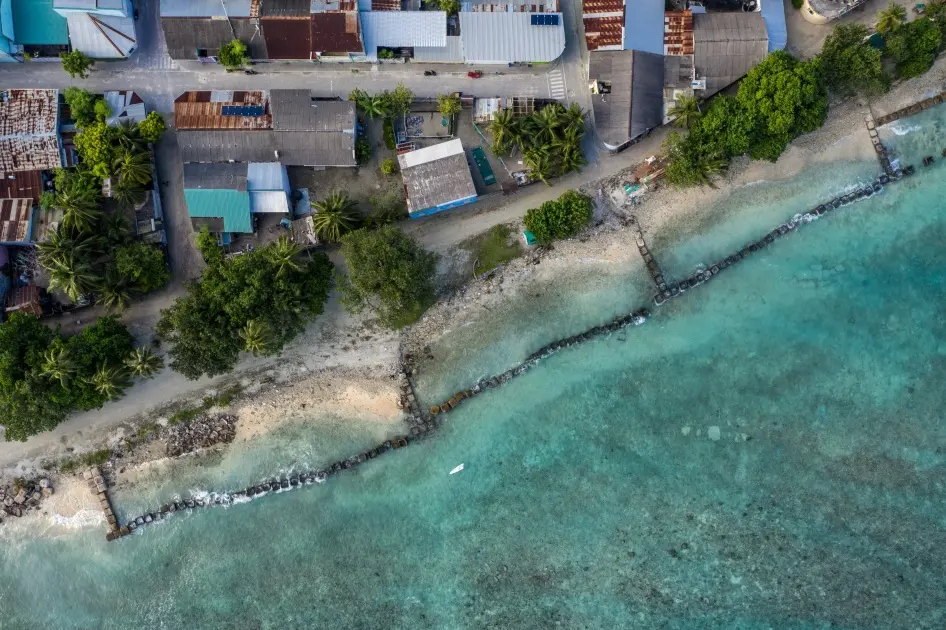
For the Maldives, climate change means negotiating international agreements while quietly planning for the possibility that the country may one day become uninhabitable.
When emissions are unequal, survival becomes a luxury.
South Sudan
South Sudan barely registers in global climate discussions, yet climate disasters define daily life for millions of its people.
Years of unprecedented flooding have submerged villages, destroyed livestock, and turned farmland into stagnant wetlands. Water lingers for months, making return impossible and disease inevitable.
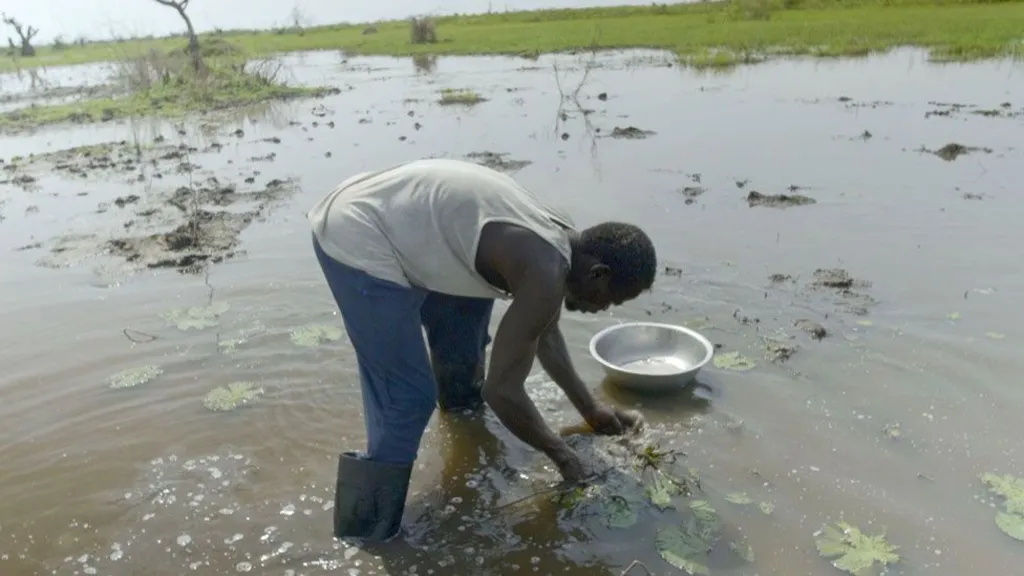
With limited infrastructure and ongoing political instability, the country struggles to respond. Communities are displaced repeatedly, not because they choose to move, but because staying becomes impossible.
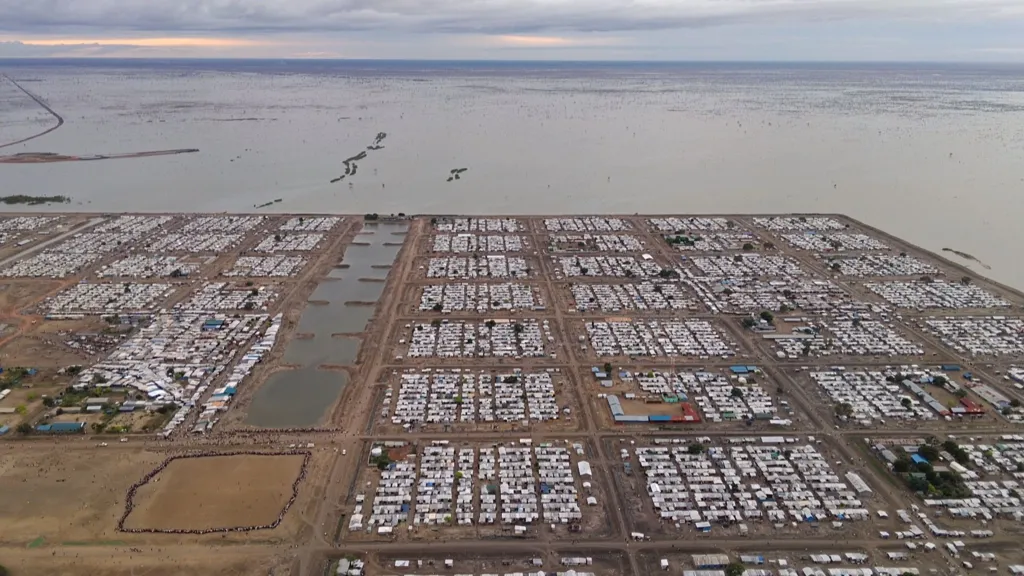
Aid fills immediate gaps, but long-term resilience remains out of reach. Climate change here does not arrive as a dramatic event. It arrives as slow, relentless erosion.
The damage is amplified not by emissions, but by lack of power.
What Else Do You Need To Know
The global climate crisis reveals a stark imbalance. The countries most responsible for warming the planet are generally the least exposed to its worst effects. They have stronger infrastructure, insurance systems, and financial reserves.
Meanwhile, low-emitting countries face extreme exposure with minimal buffers. When disaster strikes, it does not just destroy homes. It derails development, education, and economic progress.
Responsibility and vulnerability sit on opposite sides of the globe.
After climate disasters, recovery is shaped by access to money and political influence.
Wealthier nations rebuild faster because they can mobilize resources immediately. Poorer nations rely on international aid that often arrives slowly and with conditions attached.
Loans increase debt. Grants fall short. Climate pledges made at global summits rarely translate into funds when they are most needed.
Over time, this creates a widening gap where some countries bounce back and others sink further behind.
For many vulnerable countries, climate disasters erase years of development gains in a single season. Aid helps them survive but rarely transforms the systems that leave them exposed.
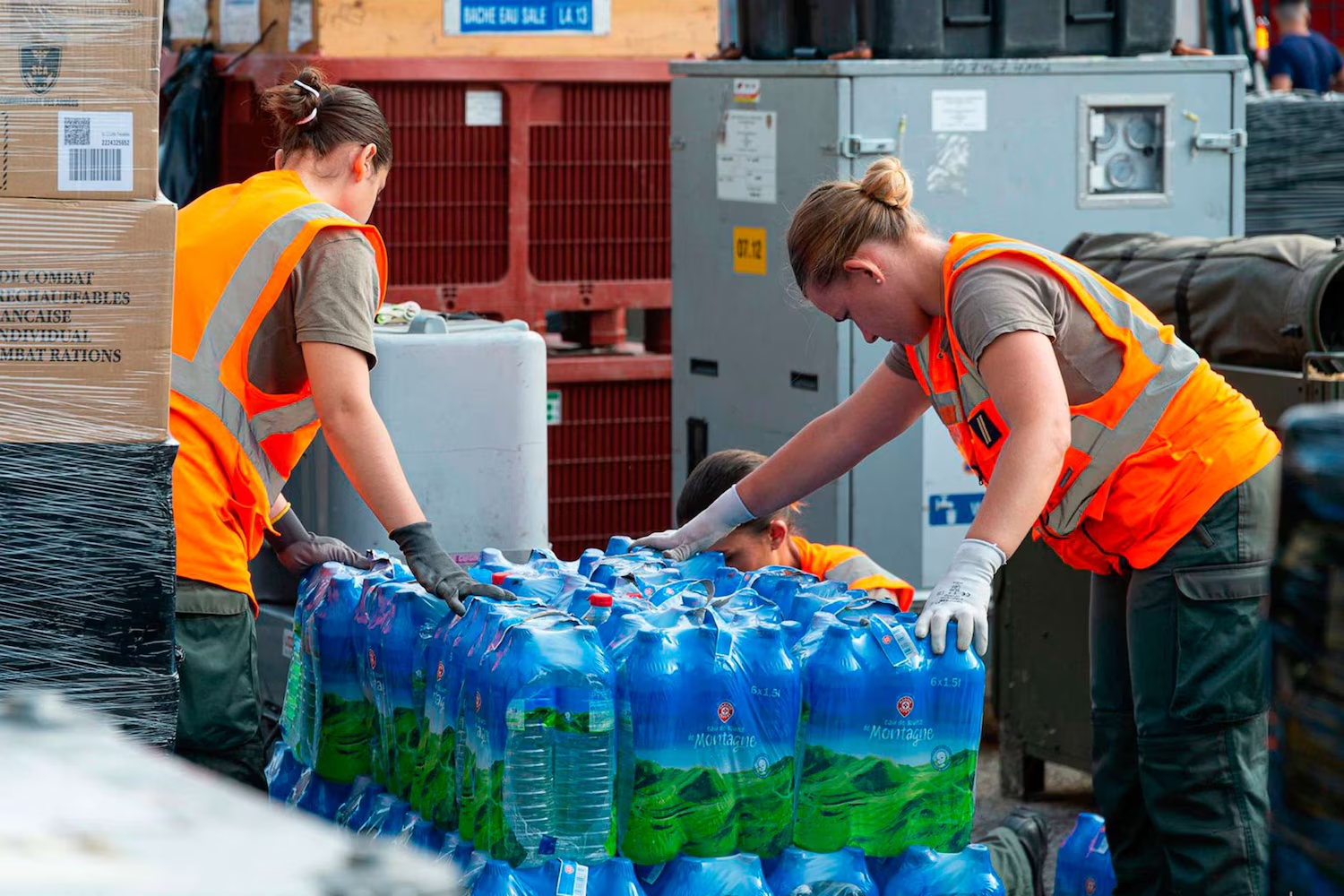
This creates a cycle where countries are constantly rebuilding the same fragile structures, never accumulating resilience.
This is not charity failure. It is system design failure.
Climate debt is the idea that countries which benefited most from fossil fuel-driven growth owe compensation to those now suffering the consequences.
This is not abstract morality. It is grounded in history. Industrialized nations extracted wealth while externalizing environmental costs. Those costs are now paid elsewhere.
Loss and damage funds acknowledge this reality, but current commitments fall far below actual needs. The gap between recognition and action remains wide.
Climate change is not only an environmental crisis. It is a debt crisis.
The Uncomfortable truth
Climate change does not punish those most responsible. It punishes those least protected.
It follows power, not responsibility. It amplifies inequality that already existed and locks vulnerable countries into perpetual recovery.
Until climate policy centers justice rather than symbolism, the same countries will keep paying the highest price for a crisis they did not create.
And the world will continue calling it unfortunate, instead of what it really is.
Unfair.