A Humanoid Robot Just Passed a Test Most Humans Would Fail
China’s Unitree G1 humanoid robot walked 130,000 steps in –47°C Arctic conditions while wearing a puffer jacket, setting a new record for autonomous robotics in extreme cold.
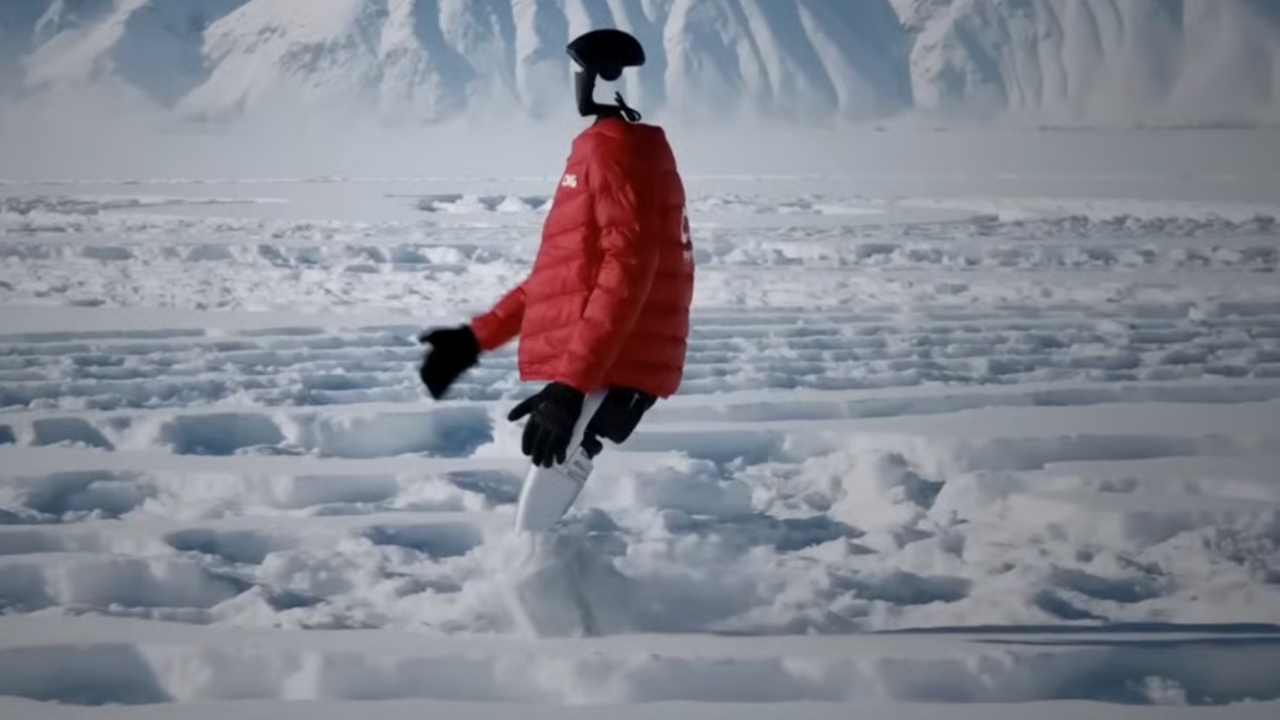
Imagine stepping outside in minus 47.4 degrees Celsius. Your eyelashes freeze. Your breath crystallizes in the air. Your feet scream for warmth. Now imagine doing that while walking 130,000 steps. That’s exactly what China’s Unitree G1 humanoid robot just accomplished, without a single issue.
The G1, developed by Hangzhou-based Unitree Robotics, completed a fully autonomous march across Xinjiang’s Altay regio n, tracing a Winter Olympics emblem on ice in the process.
To survive the Arctic-like cold, engineers dressed it in an orange winter puffer jacket with protective plastic sleeves for its legs and feet, a first for a humanoid machine wearing “human clothing” in an extreme test.
The secret behind the robot’s endurance is a combination of hardware and software ingenuity. Equipped with up to 43 joint motors and a maximum torque of 120 newton-meters, the 35-kilogram, 127-centimeter-tall G1 navigates treacherous snowy terrain using China’s BeiDou Navigation Satellite System.
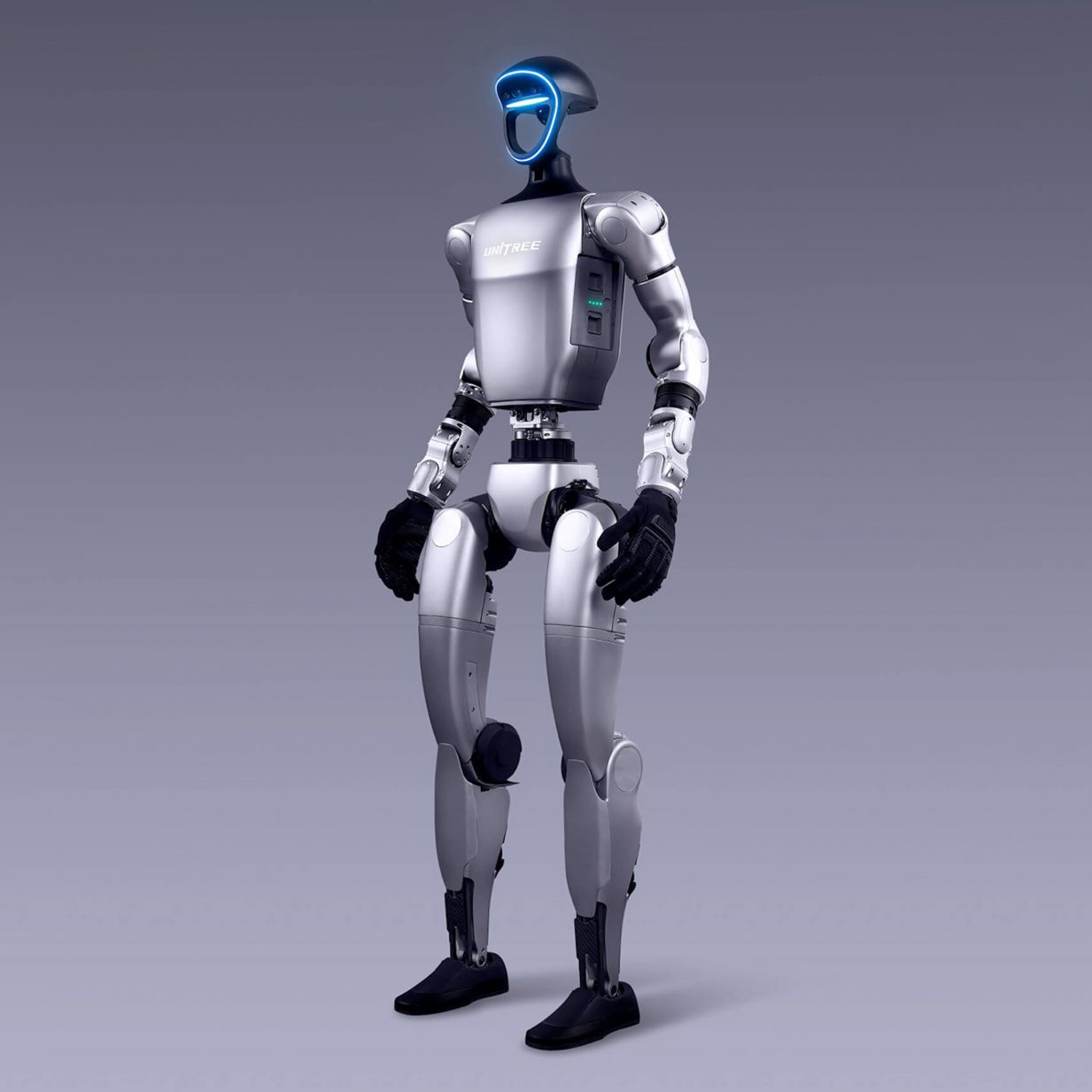
Real-time, centimeter-level positioning ensures every step is precise, while an adaptive path-planning system adjusts to slippery ice and uneven snow.
Unitree’s achievement is not just a technological showcase. It marks the first time a humanoid robot has walked autonomously in such extreme cold, proving that machines can now survive conditions that would stop most humans.
The G1 is part of a broader Chinese robotics revolution. Last year, Unitree shipped around 4,200 humanoid robots, capturing roughly 32% of the global market, surpassing competitors worldwide.
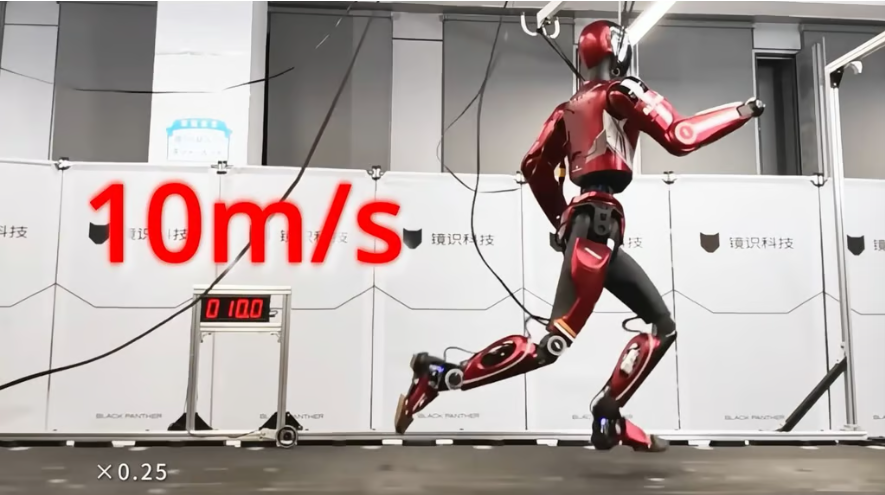
Other milestones include the Bolt robot sprinting at 10 meters per second, and plans to send the PM01 humanoid robot into space. Unitree’s H2 model even performs martial arts moves, from flying kicks to backflips, blending precision with agility.
This test shows that humanoid robots are no longer confined to labs or factories. They are stepping, literally, into environments once deemed impossible for machines. Extreme cold, high-risk terrain, and complex navigation challenges are now playgrounds for robots.
The G1’s 130,000-step march may feel absurdly specific, almost comical, but it is a glimpse of the future: machines that can endure harsh environments to perform tasks humans cannot.
In a world increasingly reliant on automation, the question is no longer whether robots will match human endurance. The question is whether humans can keep up with the robots.
Other Attempts to Take Robots Beyond Controlled Environments
There have been other attempts to push robots into extreme or challenging environments, but most are very different from the recent –47°C walk by China’s Unitree G1 humanoid robot.
Here’s a list of some notable examples:
1. NASA’s Valkyrie robot for hazardous missions
NASA developed a bipedal humanoid robot known as Valkyrie (also called R5) to support space and hazardous environment missions. Although it was designed for future space exploration tasks, like assisting humans on other planets, its development involved testing in constrained, unpredictable environments to simulate real-world hazards that humans cannot safely enter.
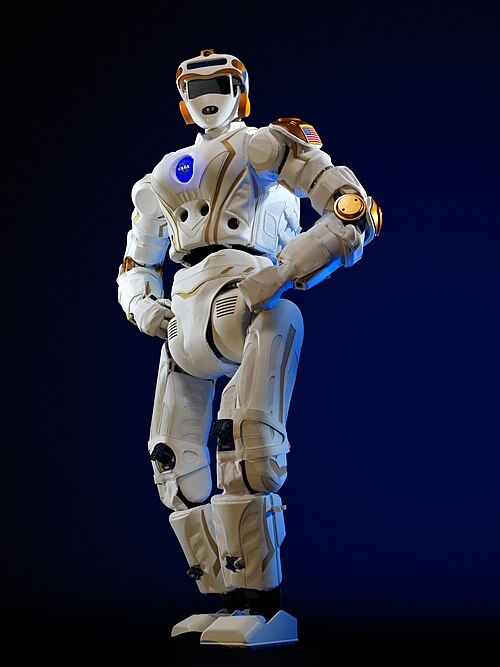
Valkyrie participated in robotics challenges and research to improve its stability and adaptability, though it did not undergo extreme environmental tests like sub‑zero Arctic conditions.
2. Boston Dynamics’ Atlas and PETMAN
Boston Dynamics has been a leader in humanoid locomotion research for years. Its Atlas robot was initially developed for disaster response under the DARPA Robotics Challenge, where robots had to navigate debris, climb rubble, and handle tools in simulated post‑disaster settings.
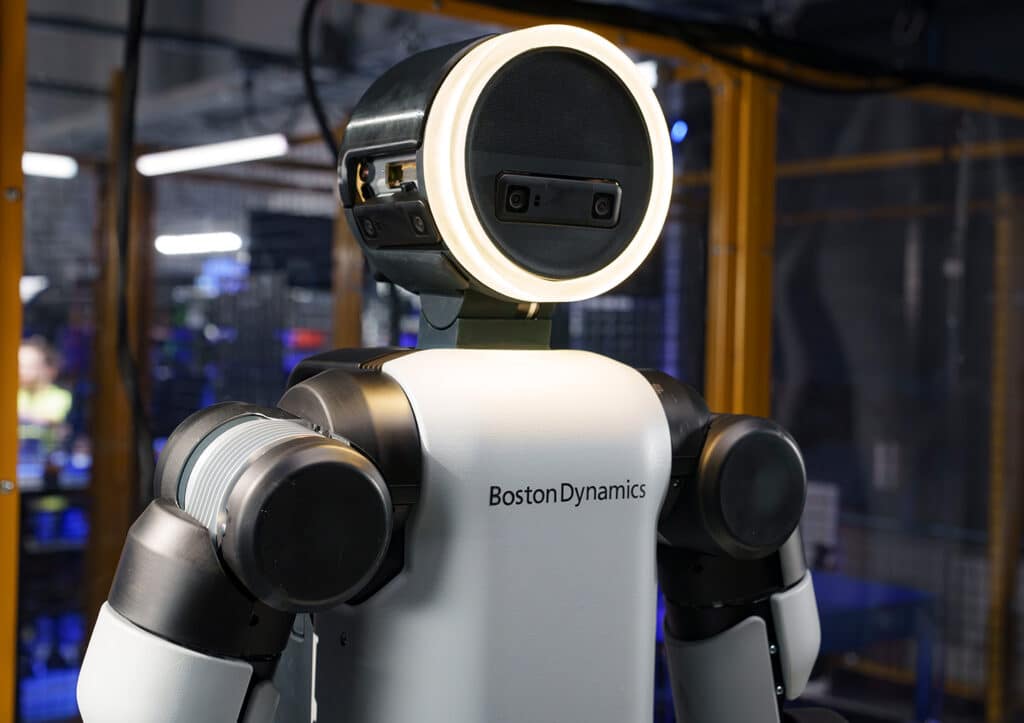
While these environments were rough and unpredictable, they were not extreme cold tests, but rather real‑world challenge courses designed to mimic collapsed buildings and hazardous rescue scenarios.
PETMAN, a precursor to Atlas, was built to test protective clothing for soldiers in chemical environments rather than environmental extremes, yet its motion control work laid groundwork for future adaptive robotics.
3. DARPA Challenges and mobility testing
Initiatives like the DARPA Subterranean Challenge put autonomous robots into difficult environments,dark, dusty, cluttered underground tunnels, to test their ability to navigate and map spaces without human help.

These competitions push perception and mobility systems rather than extreme temperature tolerance, but they are part of the same trend toward making robots operational in conditions that would be dangerous or impossible for humans.
4. Mixed robot‑human sport demonstrations
In 2025, multiple humanoid robots from Chinese research groups and companies competed in a half‑marathon event alongside human runners.
These robots were tested for endurance, balance, and navigation across a long outdoor course, and only a few completed the race, partly due to overheating and balance challenges rather than cold.
This event highlighted the current limitations of humanoid mobility in sustained, real‑world conditions.
What Sets The Unitree G1 test Apart?
What sets the Unitree G1’s –47.4°C walk apart from previous work is that it is the first recorded instance of a humanoid robot autonomously walking tens of thousands of steps in such extreme cold.
In short, robotics research has long aimed at getting machines out of controlled environments and into the real world, from disaster rubble to subterranean tunnels to long outdoor courses.
But the specific combination of humanoid form plus very low‑temperature autonomous operation is a new record, highlighting how quickly the field is advancing.