The Unit Economics Behind Successful Fintechs
Learn how successful fintech companies use strong unit economics to scale profitably. A simple breakdown of CAC, LTV, and fintech business models.

Fintech companies often look impressive from the outside
You can pay, invest, borrow, save, and track your money, all from your phone.
But behind the scenes, the real difference between fintechs that succeed and those that fail comes down to one thing:unit economics.
The “unit” is usually one customer.
Unit economics answer a simple question,
Does this business make money on each customer or transaction? If the answer is no, growth only makes the problem bigger.
What is unit economics?
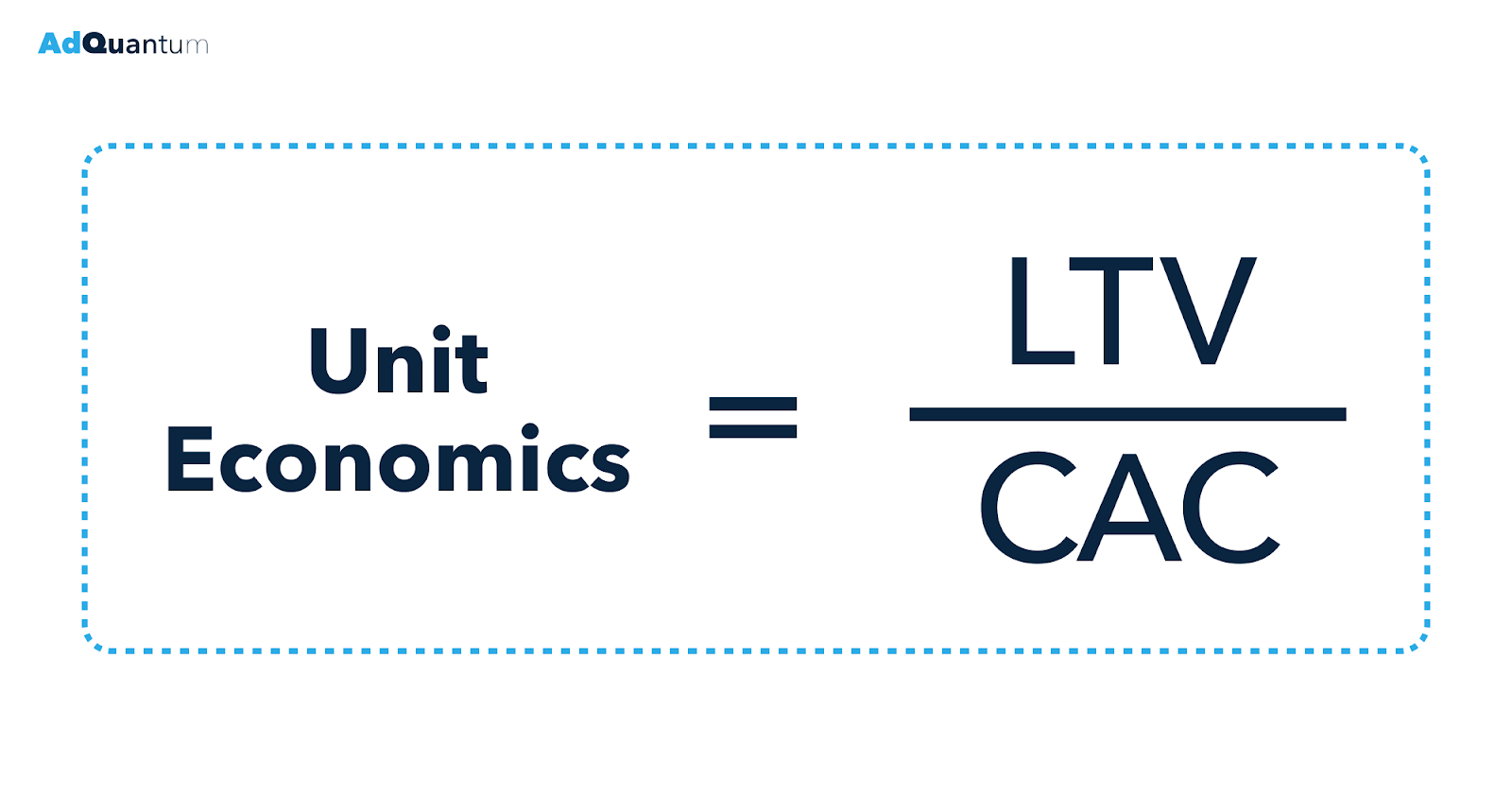
There are only two numbers you really need to understand.
1. Customer Acquisition Cost (CAC)
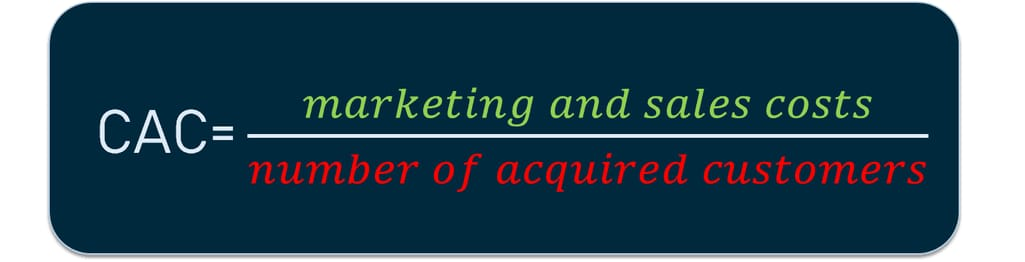
CAC is how much it costs to get one user.
This includes: Ads on Instagram, TikTok, Google Referral bonuses (“Get $10 for signing up”), Free cards, cashbacks, discounts, Identity checks and onboarding, Customer support
In fintech, CAC is often high because people don’t trust new money apps easily. Convincing someone to try a finance app is harder than convincing them to try a game or social app.
2. Lifetime Value (LTV)
LTV is how much profit one user brings in over time.
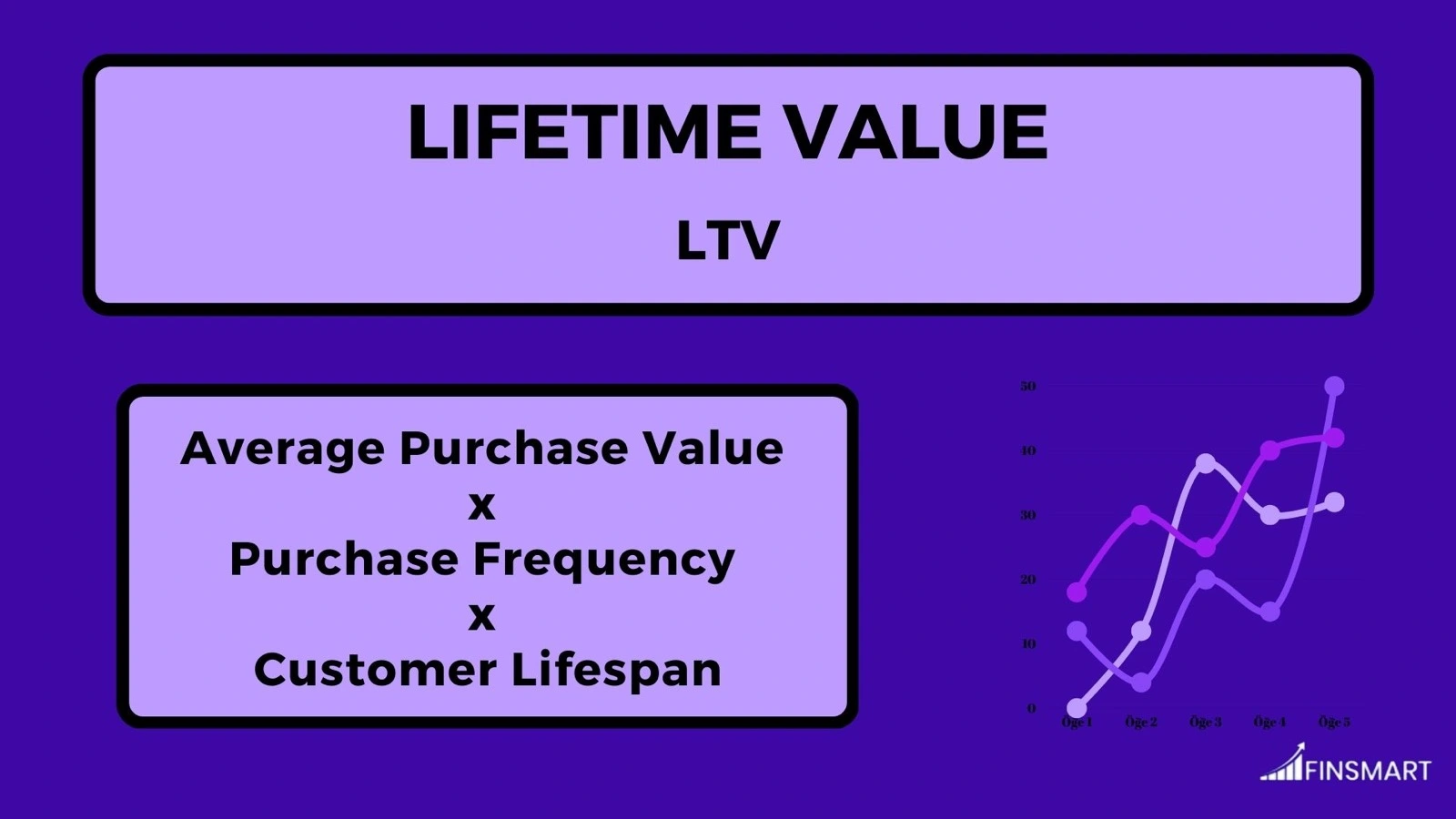
This can come from small fees on transactions, card usage (interchange fees), subscriptions or premium plans, interest on loans, using multiple products in the same app
If someone signs up, uses the app for years, and pays small fees along the way, their LTV becomes high.
The golden rule for a fintech to be healthy is, LTV must be higher than CAC
Many investors like to see: LTV ≈ 3× CAC
That means if it costs $50 to get a user, the company should earn around $150 from them over time.
Unit economics by fintech business model
Neobanks
Neobanks often acquire users cheaply through viral marketing, but profitability depends on whether those users actively spend or borrow. Interchange fees are thin, so neobanks rely on high transaction volume, subscriptions, or lending products to improve unit economics.Payments companies
Payments fintechs earn small margins on each transaction, often fractions of a percent. Their unit economics improve with scale. High volume, low fraud, and operational efficiency are critical. Even small improvements in costs can have a big impact.Lending and BNPL
Lenders can have excellent unit economics, but only if credit risk is managed well. Interest income must exceed defaults, funding costs, and operational expenses. Poor underwriting quickly turns good-looking growth into large losses.B2B fintech and SaaS
B2B fintechs often have the strongest unit economics. Subscription revenue, long-term contracts, and low churn create predictable LTV. While sales costs are high upfront, customer lifetimes tend to be long, improving profitability over time.
Why fintechs succeed or fail despite growth
Successful fintechs focus on fundamentals early.
They monetize customers sooner rather than later, optimize for customer quality, not just quantity, increase revenue per user through cross-selling, invest heavily in automation to reduce costs and delay aggressive expansion until unit economics are proven
They understand that sustainable growth comes from profitable units, not just rapid adoption.
Growth can hide poor fundamentals, but it cannot fix them. When external funding slows, weak unit economics become impossible to ignore.
Some fintechs grow rapidly while losing more money with every new customer.
Common mistakes include attracting users who never monetize, over-reliance on incentives and discounts, ignoring fraud and operational costs, expanding into new markets before fixing unit economics

Conclusion
If a fintech spends $100 to acquire a customer. That customer generates $10 in profit per month and stays for two years.
The Lifetime profit = $240 and CAC = $100
The fintech makes $140 in net value. If it can lower CAC or increase monthly profit, the business becomes even stronger.
That is the power of solid unit economics.
Strong unit economics turns growth into an advantage. Weak unit economics turns growth into a liability.