5 Accidental Discoveries That Led to Powerful Breakthroughs
Curious accidents turned into breakthroughs!, Read about how Penicillin, Microwave Oven, Post-it Notes, X-rays, and Teflon were discovered by accidents.
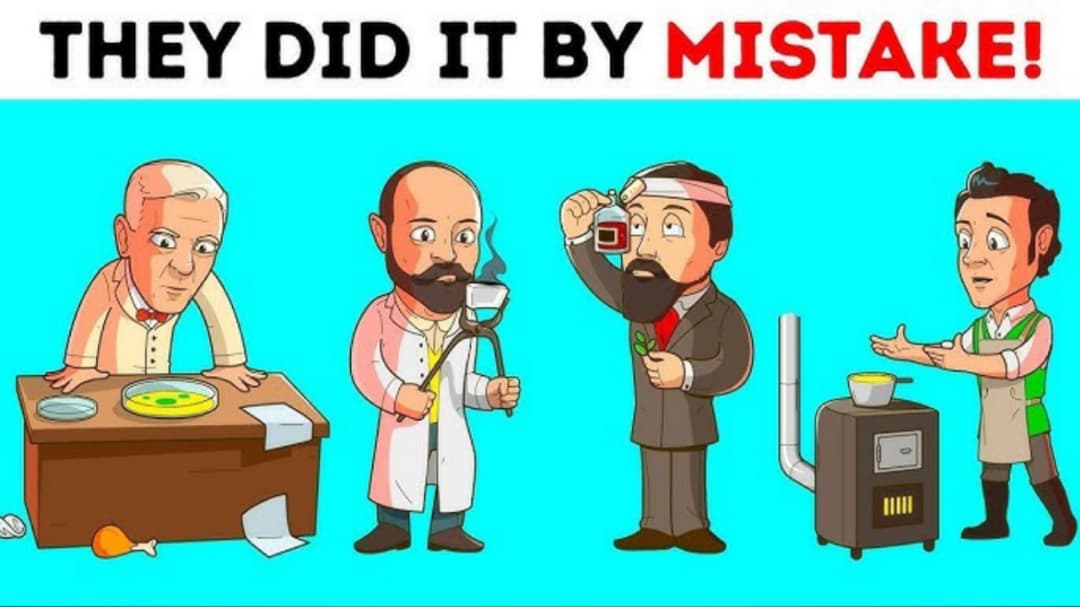
Not all great inventions were planned.
Some of the coolest things in the world were discovered by accident!
When people notice something unusual and get curious, it can lead to inventions that change the way we live.
We will be talking about the below five (5) accidental discoveries that led to powerful breakthroughs in this article.
Penicillin
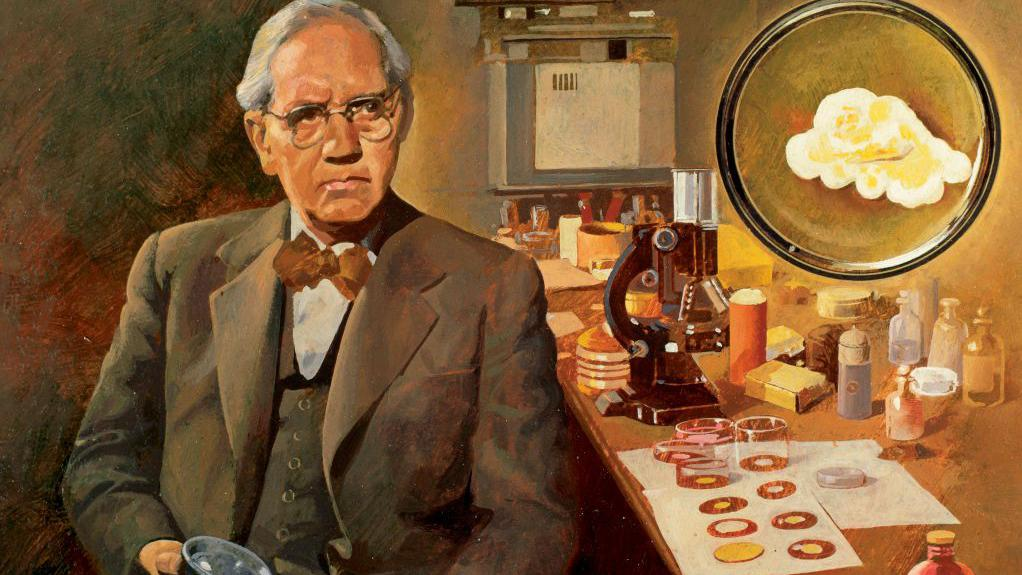
In 1928, a scientist namedAlexander Fleming was studying bacteria in his lab in London.
One day, he left some dishes of bacteria on his bench while he went on vacation.
When he came back, he noticed something strange: a mold had grown on one dish, and the bacteria around it were gone!
Fleming realized that the mold, called Penicillium notatum, could kill bacteria.
This discovery led topenicillin, the first antibiotic medicine.
Before penicillin, simple infections like strep throat or pneumonia could be deadly.
After its discovery, millions of lives were saved.
Fleming could have thrown the mold away, but he noticed it, and that changed the world.
Microwave Oven
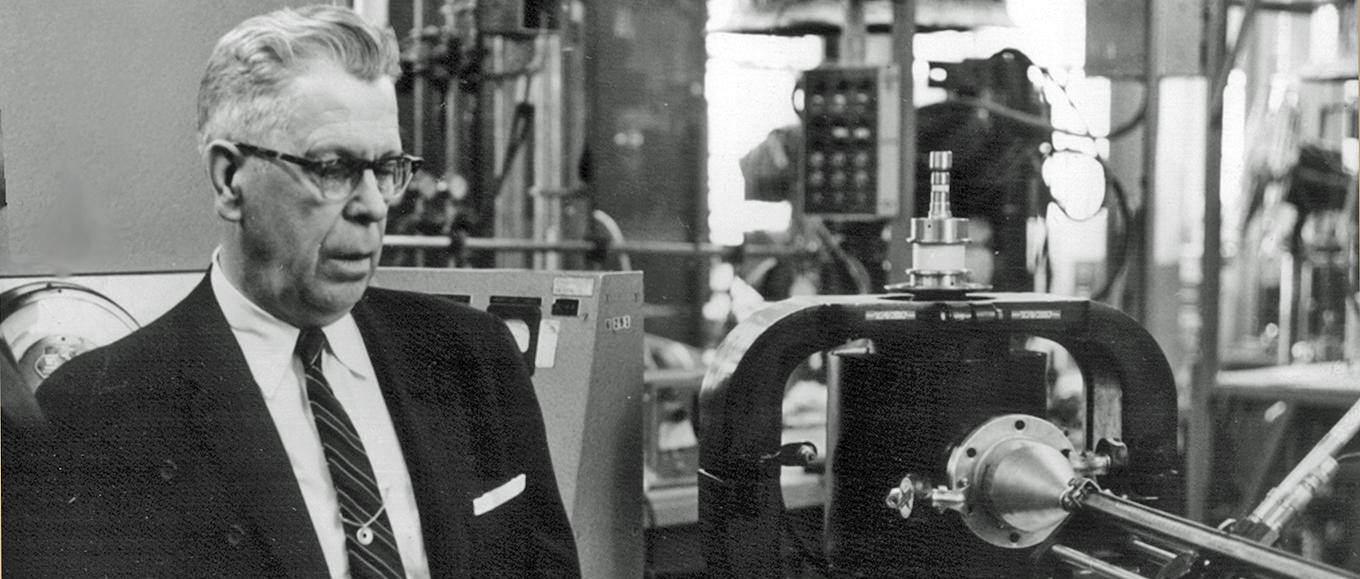
In the 1940s, EngineerPercy Spencer was working with radar equipment.
One day, he noticed a chocolate bar in his pocket had melted! Instead of ignoring it, he experimented. He tried popcorn kernels, they popped!
Spencer realized microwaves could cook food really fast.

He invented the first microwave oven in 1947. It was big and expensive at first, but eventually it became the kitchen appliance we all know today.
Imagine if Percy had ignored that melted chocolate. We might still be heating food over fire!
Post-it Notes: A “Failed” Glue

In 1968, scientistSpencer Silver at 3M was trying to make super-strong glue.
Instead, he created a weak, reusable glue that didn’t stick too hard. At first, it seemed like a failure, who would need glue that barely sticks?
A few years later, another 3M employee, Art Fry, had an idea.
He used the weak glue to keep bookmarks in his hymnal from falling out. And just like that, Post-it Notes came into existence!
They became one of the most popular office supplies in the world.
Sometimes what seems like a failure can turn into something amazing, if someone notices it and thinks creatively.
X-rays
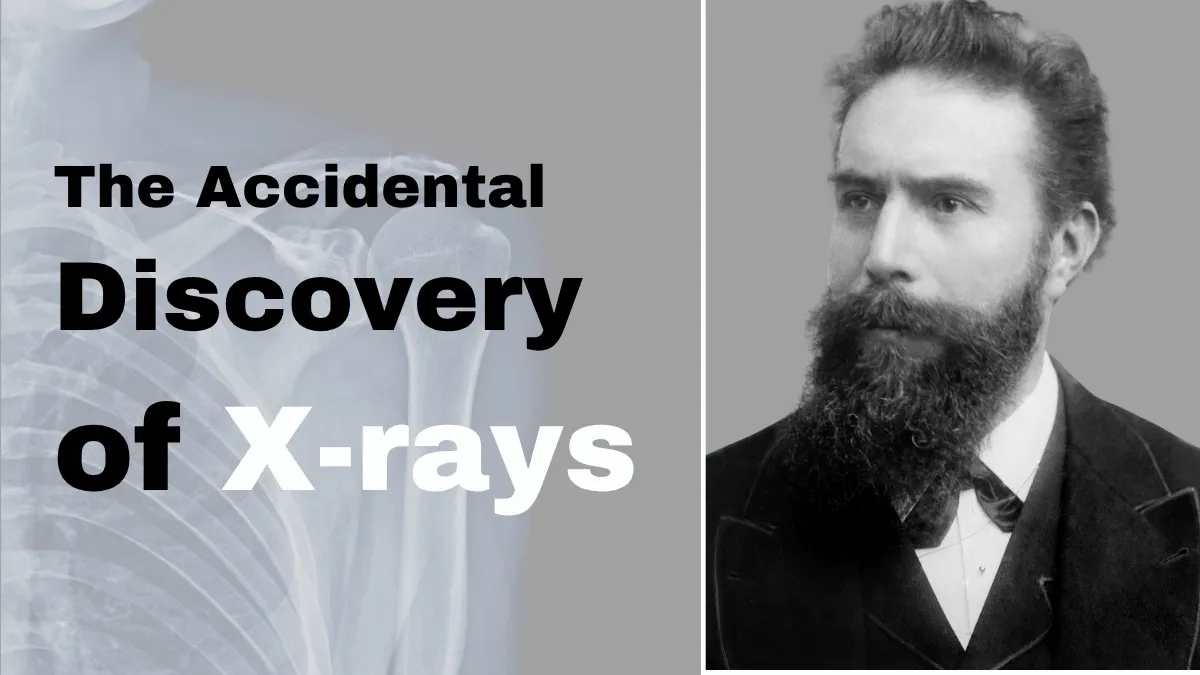
In 1895, German physicistWilhelm Conrad Roentgen was experimenting with cathode ray tubes.
He noticed that a screen across the room glowed, even though it wasn’t in the path of the tube. He realized a new type of ray could pass through objects, like his hand, and show shadows of the bones inside.
This led to X-rays, a breakthrough that lets doctors see inside the body without surgery.
Today, X-rays are used all over the world in hospitals.
Teflon – The Super Slippery Material
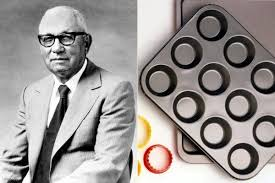
In 1938, American chemistRoy Plunkett was experimenting with gases.
One day, a cylinder of gas unexpectedly turned into a solid white substance. He discovered a super slippery material that didn’t stick to anything.
This accidental discovery became Teflon, now used in non-stick pans, industrial coatings, and even spacesuits.
Mistakes that made history
These stories all have something in common:
Observation Matters: Simply noticing something unusual can be the first step toward discovery. Fleming’s mold might have been thrown away if he hadn’t looked closely.
Curiosity Is Key: Seeing potential in accidents requires imagination and experimentation. Spencer didn’t ignore the melted chocolate; he explored what microwaves could do.
Failure Can Lead to Success: Not all discoveries work immediately. Silver’s weak adhesive seemed useless until Fry found a practical application.
Even today, scientists and inventors find new things when experiments don’t go as planned. The key is staying curious and keeping an open mind.
Penicillin saved millions of lives, the microwave oven made cooking faster and easier, Post-it Notes turned a failed glue into a global favorite, X-rays let doctors see inside the body, and Teflon created a super slippery material used worldwide.
Sometimes, the next big invention is hiding where you least expect it. The trick is to notice it, try it out, and be curious.
Who knows? Your next “accident” could change the world!