Africa at COP30 and the Growing Demand for Climate Justice
This article explains why climate justice matters to Africa, what African leaders raised at COP30, and how fairness, funding, and responsibility shape the continent’s climate demands.
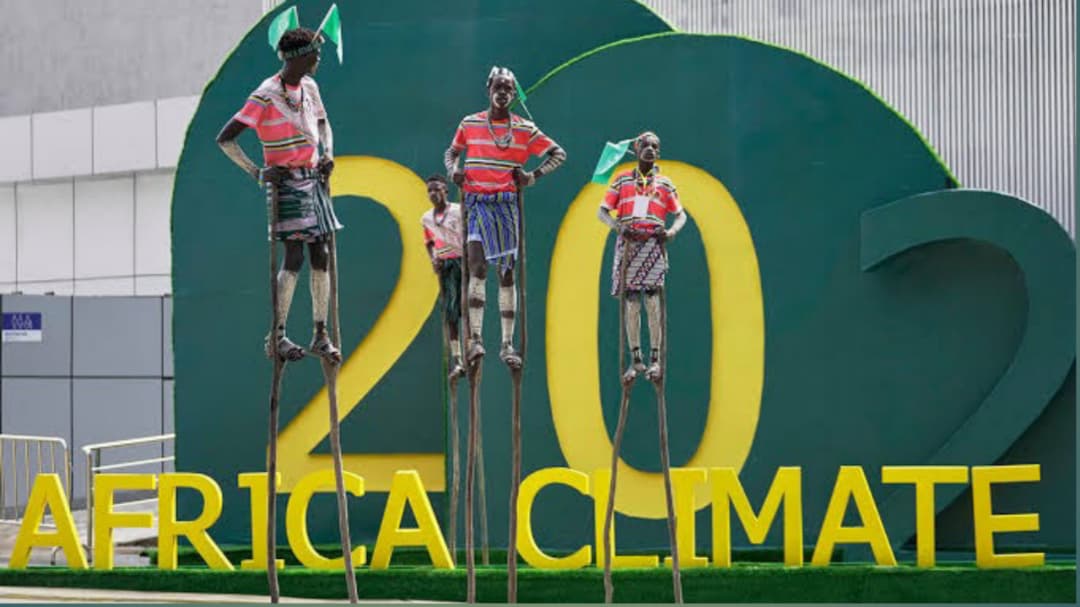
In November 2025, leaders from across Africa gathered at COP30 in Brazil to make their voices heard on climate change.
So basically, the continent, which contributes very little to global pollution suffers some of the worst effects, sent a clear message: the world needed to act fairly and responsibly.
African countries demanded climate justice, meaning help to deal with floods, droughts, rising heat, and other impacts that were already affecting millions of people
COP30 is a major climate meeting under theUN Framework Convention on Climate Change, where countries discuss how to slow down warming and help people deal with its impacts.
These meetings are happening because temperatures around the world are rising, mainly due to greenhouse gases released by burning fossil fuels like coal, oil, and gas.
Finance, Loss, and Damage
One of the main areas where Africa pushed for fairness was climate finance, money from wealthier countries to help vulnerable nations cope with climate change.
Such funding is meant to help countries build renewable energy, protect communities from floods, and strengthen farms against extreme weather.
African leaders noted that much of the available funding came as loans, which had to be repaid, adding to already high debt.
They demanded grants, funds that didn’t need repayment and long-term, easy-to-access support. They argued this was a fair way to help countries that had contributed little to global emissions.
Another key issue was loss and damage, harms caused by climate impacts that could not be prevented, like land lost to rising seas or homes destroyed by repeated floods.
Loss and damage is separate from adaptation; it supports communities when prevention is no longer possible. African leaders emphasized that rich countries, responsible for most emissions, had a duty to help cover these losses.
Fair Participation and a Just Transition
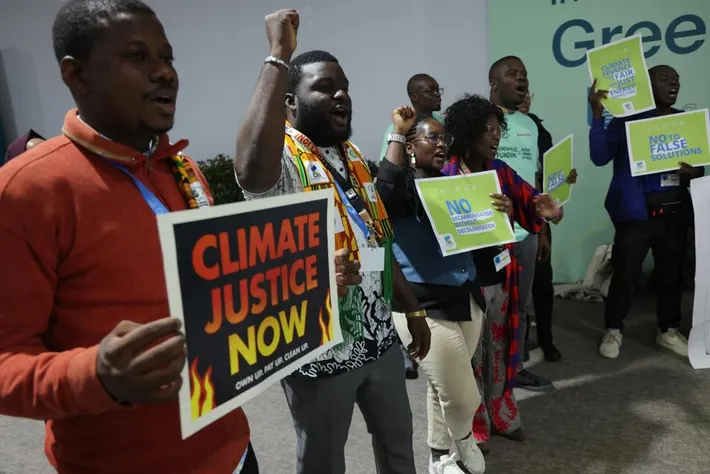
Africa demands climate justice at COP30
African countries also pushed for fairer participation in global climate decisions. They had often felt overlooked in past negotiations, and COP30 provided a platform to make their priorities known.
They highlighted the importance of development, such as expanding clean energy, creating jobs, and improving education. Africa’s voice would make climate solutions stronger and fairer.
The summit also focused on a just transition, moving to renewable energy in ways that benefit people and communities. African leaders wanted clean energy to create jobs, improve access to electricity, and support economic growth rather than hinder it.
Renewable energy could help many African countries achieve both climate and development goals.
People at the Center
Women and young people were also central to Africa’s climate justice message.
According toUN Women, women are often most affected by climate impacts, spending extra time collecting water or caring for families when resources are scarce.

Young people demanded action, reminding the world that their future depends on decisions made today. Their voices were strong at COP30 and in communities across Africa.
Conclusion
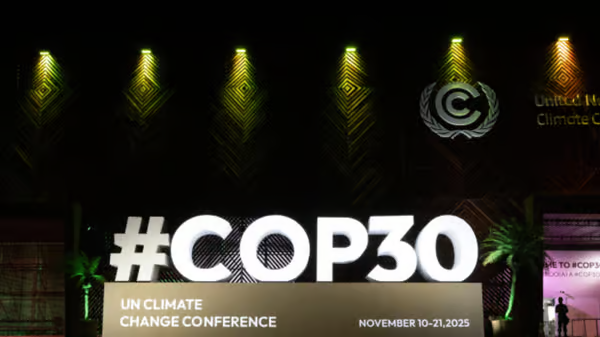
In simple terms, Africa’s message at COP30 was about fairness and chance.
The world should work together to make sure no country is left to handle climate change alone, especially when it does not contribute much to the problem.
They called for finances that help, policies that include everyone, and solutions that protect people’s rights to education, food, health, and growth.
Africa’s call for climate justice marks a growing confidence among countries that have historically been underrepresented in global discussions.