Patience Ozokwor: The Nollywood Legend Who Turned Into a Meme Queen
Patience Ozokwor didn’t just act in Nollywood, she became Nigerian pop culture. From her “Mama G” roles to the memes that made her a reaction-image legend, here’s how she built an iconic legacy.
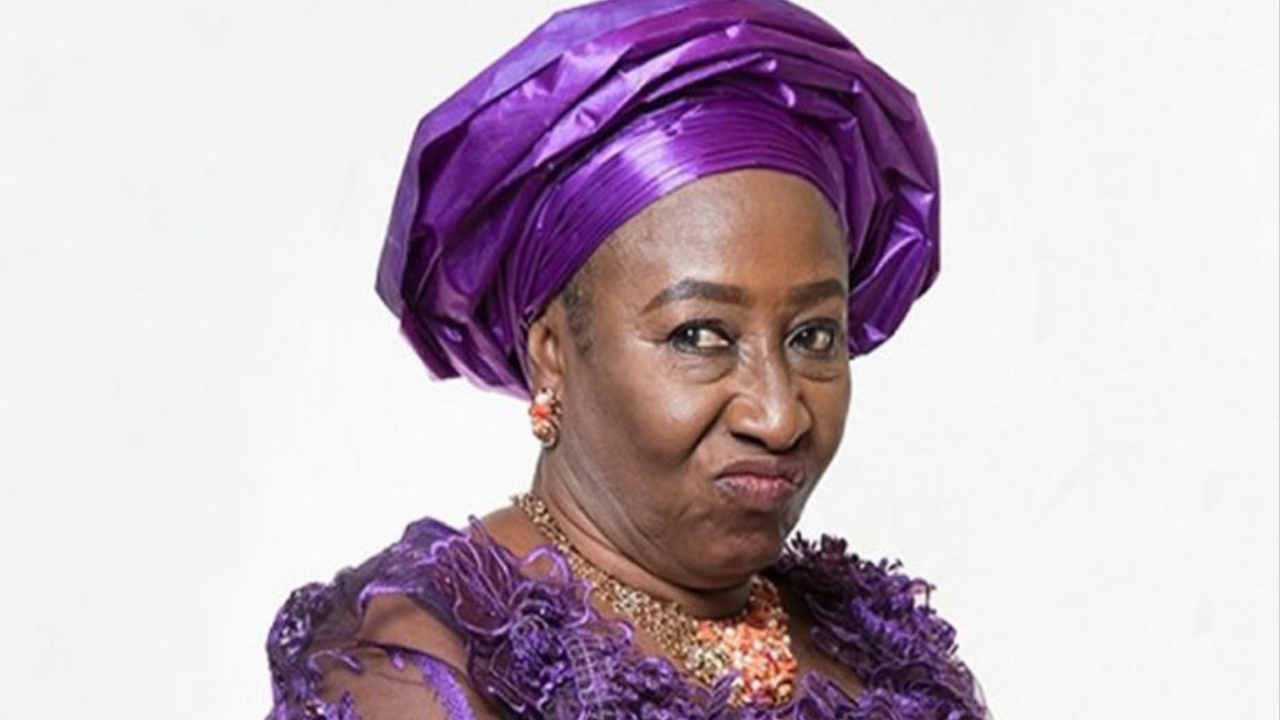
Before she became a familiar face on screens across Nigeria and the diaspora, Patience Ozokwor first learned how to hold an audience with her voice. She worked as an announcer and broadcaster with Radio Nigeria, sharpening the kind of timing that can’t be faked; when to pause, when to lean into a line, when to let silence do the work.
That training counts because it shaped the “command” people now associate with her. In many Nollywood films, presence is everything: the camera might be close, the room might be crowded, the dialogue might be fast, but the actor who controls the energy controls the scene.
Patience’s early years in broadcasting and drama helped her develop that control before the wider public even knew her name.
Her rise to mainstream recognition is often linked to key early screen appearances. Wikipedia notes that she rose to fame with a role in the 1999 film Authority, and that one of her first TV drama appearances was in the Nigerian Television Authority soap opera Someone Cares.
Those titles matter not just as milestones, but as evidence of range, moving between film and television, between different kinds of audiences, and between different styles of performance at a time when Nollywood itself was rapidly expanding.
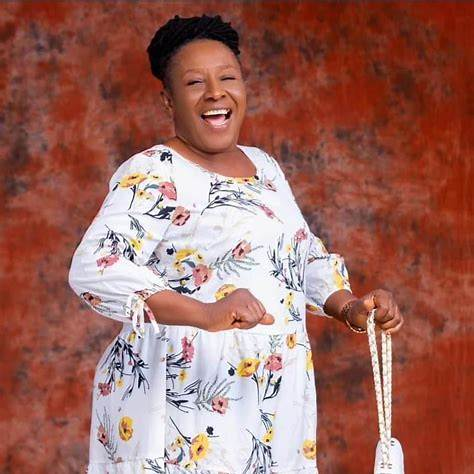
And then the filmography grew fast. She’s credited with appearing in over 100 films, a number that hints at how consistently in-demand she has been. Longevity like that doesn’t happen by luck. It comes from reliability (directors know you’ll deliver), adaptability (you can fit into different story worlds), and an instinct for what the audience wants (or fears) when you step into a scene.
“Mama G” And The Craft Behind The Fearsome Mother Figure
It’s hard to talk about Patience Ozokwor without talking about the nickname: “Mama G.” The name isn’t just a fan label; it’s a whole cultural shorthand. Say “Mama G” in Nigeria and many people immediately picture a specific vibe: strong will, sharp tongue, strict household, and the kind of stare that can silence a room.
That association didn’t appear out of thin air; it was built through repeated, memorable performances over years.
Part of her signature is how she plays authority. In many stories, her characters don’t have to do much to establish power, sometimes it’s the way she enters, the way she sits, the way she calls someone’s name. She can turn everyday dialogue into a warning just by changing the rhythm.
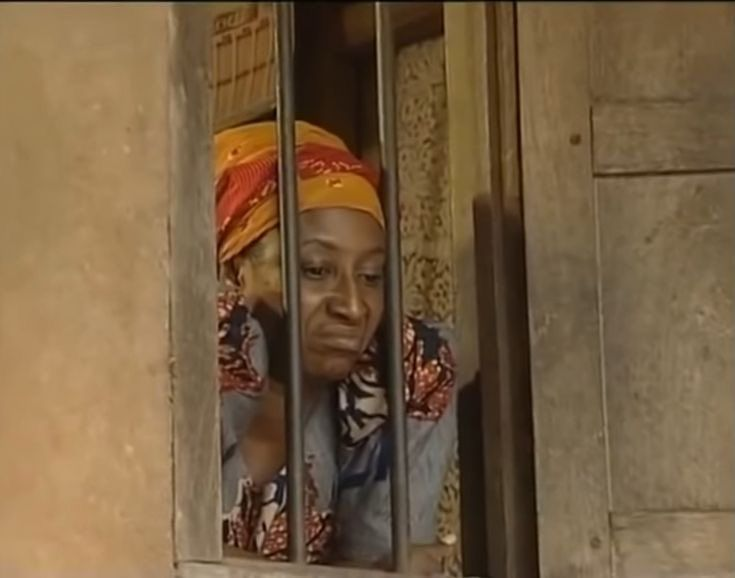
That’s a performance skill, not just “being loud” or “being wicked.” It’s the careful use of tone, facial expression, and pacing; tools that are even more effective because of her background in radio and broadcast work.
What makes her especially interesting is that the “tough mother” image isn’t one-note when she’s at her best. Even in roles where she’s positioned as an antagonist, she often gives the character a logic; sometimes it’s pride, sometimes insecurity, sometimes love expressed in a harsh way.
That’s why audiences react so strongly. It’s not only that she plays fear; it’s that she plays belief. Her characters usually believe they’re right, and that conviction makes them feel real, even when the story is dramatic.
In a way, “Mama G” became a genre element of its own. When she appears in a film, viewers come prepared: they expect conflict, warnings, pressure, family politics. And because Nollywood audiences are highly interactive; quoting lines, reacting online, recommending films by “that one scene”, an actor who can consistently deliver those moments becomes unforgettable.
Recognition And Legacy: Awards That Match The Influence
A career can be popular and still be underrated by official institutions. But Patiencehas also received major formal recognition; important because it signals respect from within the industry, not just outside it.
She won the Africa Movie Academy Award for Best Actress in a Supporting Role in both 2012 and 2013. Winning once is a stamp; winning twice, in back-to-back years, signals consistency; people didn’t just love one performance, they trusted her craft repeatedly.
Then, in 2023, she received the Industry Merit Award at the Africa Magic Viewers’ Choice Awards, an honour that’s less about a single role and more about lifetime impact. It’s the kind of recognition that essentially says: your work helped shape what this industry has become.
That combination; popular influence and institutional acknowledgement; is part of why her name stays relevant across generations.
New actors enter the scene every year, trends change, audiences shift, and yet certain figures remain reference points. She is one of those reference points: a standard for screen authority, comic timing, and memorable delivery.
Married at 19, she was widowed in 2000 and is a mother of three biological and five adopted children.
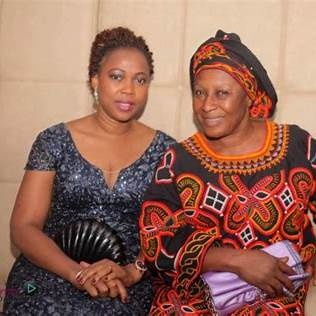

Her strong Christian faith has deeply influenced her life and career; after a spiritual conversion, she became a born-again evangelist while continuing to act in select films
Nigerian Pop Culture Star: The Memes, The Catchphrases, And Why She’s Always Trending
Here’s the thing about true pop-culture icons: they don’t stay inside the screen. They escape into everyday life;into jokes, captions, reaction images, skits, and social-media language. “Mama G” isn’t only a character label; it’s a meme engine.
A big reason she translates so well into memes is how expressive her performances are. Memes need clear emotion that reads instantly; shock, anger, suspicion, pride, “I’ve had enough,” “don’t try me,” “I know what you did.” Ozokwor’s face and body language deliver those emotions in bold, recognizable ways, so screenshots and short clips become perfect reaction content.
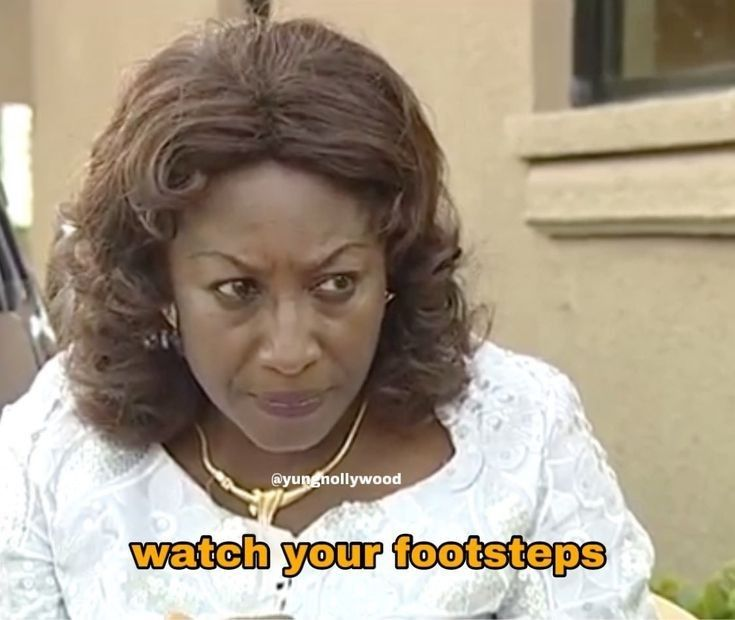
On social media, her image is frequently used to represent that “Nigerian parent” energy, especially the mix of strictness and drama that people joke about. Even when the meme is playful, it often carries a familiar cultural meaning: respect, boundaries, family expectations, and the comedy that comes from growing up around very serious adults.
One example of this meme culture is how her “Mama G” identity appears across hashtag conversations and viral posts on X (Twitter), where users riff on her persona in captions and edits.
What’s also interesting is that memes can extend an actor’s life beyond any single film. Someone who has never watched Authority or Someone Cares might still recognize Mama G from reaction images, skits, or WhatsApp forwards.
In that way, she becomes a bridge between “old Nollywood” and the current internet era. Her legacy isn’t trapped in DVDs or TV reruns; it’s alive in everyday digital language.
And memes don’t reduce her; they actually confirm her status. Not everyone becomes a meme in a respectful way. The people who do are usually the ones with unmistakable identity: one glance and you know the vibe.
That’s star power. It’s the same reason comedians and skit-makers borrow her energy for characters, and why fans still quote her style of delivery when they want to sound serious (or jokingly serious).
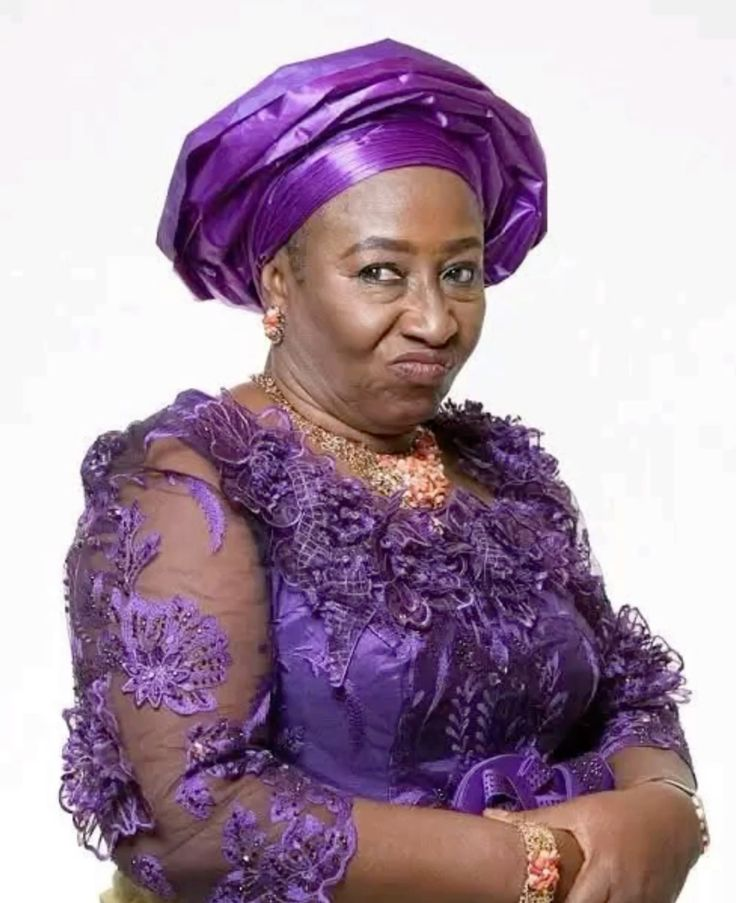
In Nigeria’s pop culture, that kind of presence is rare: the ability to be feared on-screen, celebrated off-screen, and continuously remixed online, without losing the core of what makes you iconic. That’s why “Mama G” doesn’t feel like a phase. She feels like a permanent part of the cultural vocabulary.