The 1960 Independence Spree: The Story Behind the “Year of Africa”
Why is 1960 called the “Year of Africa”? This article explores the 17 African countries that gained independence in one historic year and why it still matters today.
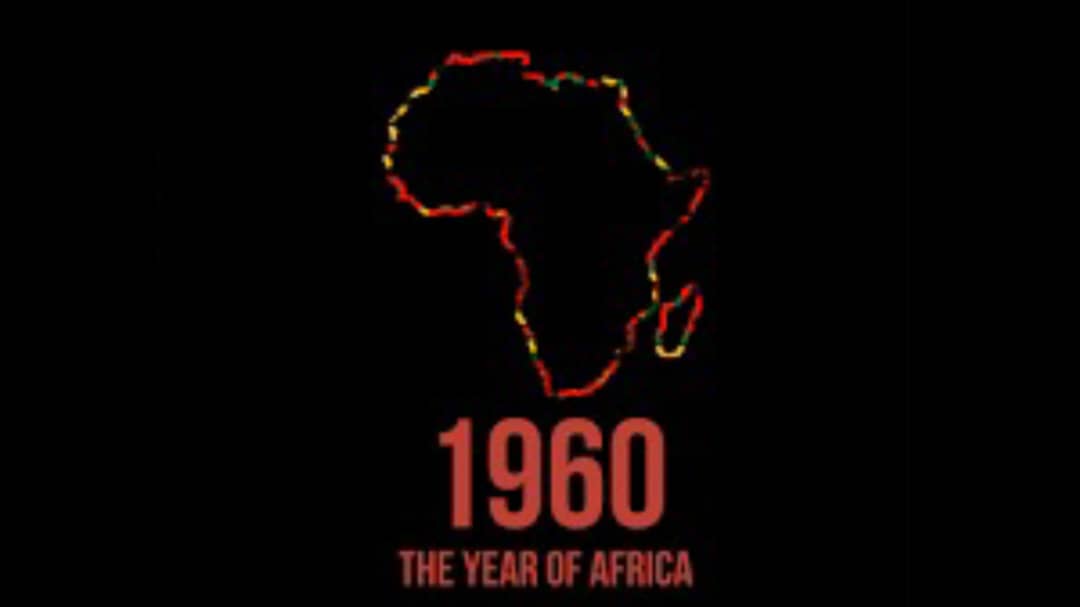
Do you know about the “Year of Africa,”? And if you do,do you know why it is called the year of Africa?
1960 is often referred to as the “Year of Africa,” and it actually stands out not because it marked the end of colonialism on the continent, but because it represented an unprecedented acceleration of independence.
In the span of twelve months, seventeen African countries formally broke away from European colonial rule, reshaping the political map of the continent almost overnight.
This was not merely a diplomatic shift, it was a psychological turning point. Across cities and villages, there was a shared sense that Africa was stepping into itself—armed with hope, political imagination, and the belief that self-rule would unlock prosperity, unity, and dignity.
While the outcomes would later prove uneven, the symbolism of 1960 remains unmatched in African history.
Seventeen Countries, One Historic Moment
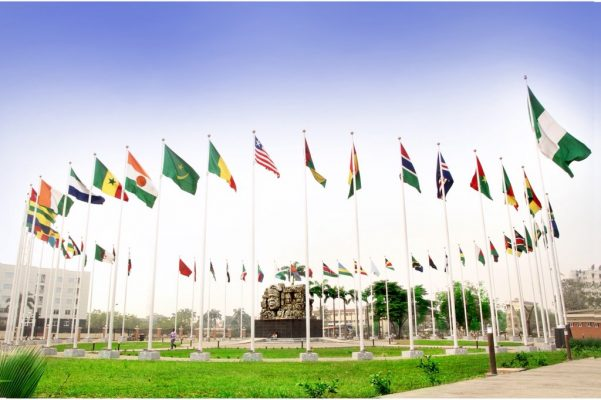
Between January and December of 1960, a diverse group of African nations emerged as sovereign states, many under vastly different circumstances but bound by a shared break from colonial authority.
Cameroon
Cameroon declared her independence on January 1, 1960, gaining independence from France after years of nationalist agitation.
It had previously been divided between British and French administration, making its independence both symbolic and complex.
Nigeria
Nigeria, often described as Africa’s giant, gained her independence on October 1, 1960. Although it was already a federation with a large population and political influence, independence brought optimism, but it also showed the deep ethnic and regional divisions that the nation had.
Togo
In West Africa, several French colonies transitioned rapidly and Togo became independent in April, by referendum in 1956, the country became an autonomous republic.
The victory of the Togolese Unity Committee, a nationalist movement, in legislative elections in February 1958 paved the way for independence.
Senegal
Senegal gained independence from France on April 4, 1960, as part of the Mali Federation, and then became an independent nation by August after the collapse of the Mali Federation. Leaders like Léopold Sédar Senghor in Senegal embodied a blend of political leadership and intellectual vision that defined the era.
Ivory Coast
Ivory Coast (Côte d’Ivoire) gained independence on August 7, 1960, under Félix Houphouët-Boigny, maintaining close ties with France and quickly becoming one of West Africa’s more economically stable states.
Mali
On June 20, 1960, the Mali Federation declared independence from France. Remember that Senegal left the federation in August 1960, also allowing the Sudanese Republic to declare independence as the Republic of Mali on September 22, 1960, which is now the country’s Independence Day.
Gabon
On the 17th of August, 1960, Gabon declared independence. Gabon was one of the four territories under the French Equatorial Africa control in 1910. The country earlier gained her full independence from France on July 15, 1960.
The Republic Of The Congo
The Republic of the Congo gained independence on August 15, 1960, after the country's 1958 referendum where 99% of Congolese people voted to join the French Community, establishing the country as an autonomous republic. Congo gained independence with Fulbert Youlou serving as president until 1963.
Madagascar
Madagascar gained her independence as a democratic nation on June 26, 1960. As of 1946, it was a territory overseed by the French. The island was declared an independent state inside the French Community in 1958.
Mauritania
Mauritania gained independence as a sovereign state on November 28, 1960,.
Despite objections from Morocco and the Arab League, Mauritania declared independence.
Burkina Faso
Burkina Faso declared independence as a sovereign nation on August 5, 1960, as the Republic of Upper Volta which was established as a French protectorate and under the administration of Thomas Sankara, who was killed in 1987, the country adopted the name Burkina Faso in 1984.
Chad
Two years after becoming a republic, Chad achieved independence on August 11, 1960.
The prime minister at the time, François Tombalbaye, thus became the first president of a country at the time of independence.
Democratic Republic Of The Congo
On June 30, 1960, the Democratic Republic Of Congo gained independence, although initially known as the Belgian Congo. The Belgian Congo therefore became the Democratic Republic of the Congo, and was subsequently renamed Zaire during Mobutu Sese Seko’s reign.
Somalia
The nation of Somalia got its independence on July 1, 1960. A former Italian colony, Somalia merged on the day it became independent with the former British protectorate of Somaliland in 1960 to form the Somali Republic.
Aden Abdulle Osman Daar, popularly known as Aden Adde, was a Somali politician who served as the first president of the Somali Republic from July 1, 1960 to July 6, 1967.
Benin
The Republic of Benin gained her independence on August 1, 1960, initially known as Dahomey. The country, renamed Benin in 1975, has had a tumultuous political history since independence.
Niger
Niger was proclaimed a republic on December 18, 1958, but gained her independence on August 3, 1960.
Central African Republic
The Central African Republic gained its independence on August 13, 1960. David Dacko was the first president of the Central African Republic, serving from the country's independence, until he was overthrown in a coup on January 1, 1966. Dacko later served a second, separate term as president from 1979 to 1981.
Conclusion: Independence Was the Beginning, Not the End
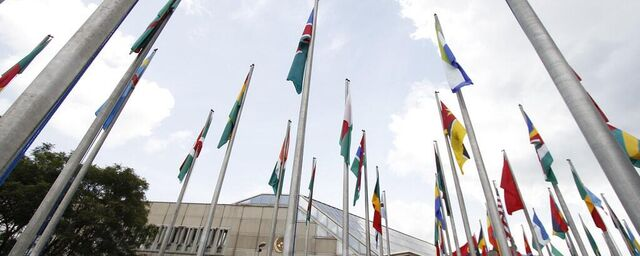
The “Year of Africa” was never a finish line, it was a starting point for the freedom of these nations.
While independence brought undeniable gains, it also revealed the limitations of inherited political systems, artificial borders, and economic dependency.
Yet, to judge 1960 solely by its challenges would miss its deeper significance. That year affirmed Africa’s right to self-determination, it shifted global power dynamics and forced the world to recognize African nations as political actors, not possessions.
More than sixty years later, the legacy of 1960 still shapes debates about governance, identity, unity, and progress across the continent. The questions raised then—about leadership, freedom, and responsibility—remain deeply relevant today.