Popular Slangs Used in Nigeria’s Fashion Space
A short piece on Nigerian fashion slangs, their meanings, and how language shapes style, confidence, and expression in Nigeria’s fashion space.
Nigerian fashion is not just about clothes—it’s about attitude, confidence, and expression. From the runways of Lagos Fashion Week to Instagram feeds, street corners, and weddings, fashion in Nigeria is alive, loud, and constantly evolving.
But alongside fabrics, silhouettes, and designers, there’s another element that shapes the fashion scene just as strongly: language.
Nigerians have a habit of bending language to fit culture, and fashion is no exception. Slangs, mostly influenced by Nigerian Pidgin, pop culture, music, and social media, have become the shorthand for describing style, aura, and presence.
You don’t just “look good”; you de hot. These expression cut across age, class, and location, even though usage can slightly differ depending on where you are in the country.
In a space where visual impact matters, slangs help amplify the feeling an outfit gives off.
They carry emotion, humor, and sometimes subtle shade. In many ways, Nigerian fashion slang reflects how Nigerians see style, not as something distant or elite, but as a lived, everyday performance.
Fashion Slangs and What They Really Mean
Steeze:
Perhaps one of the most popular fashion slangs, steeze goes beyond clothing.
It combines style, comfort, and carriage, someone with steeze doesn’t just dress well; they carry the outfit effortlessly.
It’s about how you walk, pose, and exist in what you’re wearing. Steeze cannot be forced, it’s either there or it’s not.
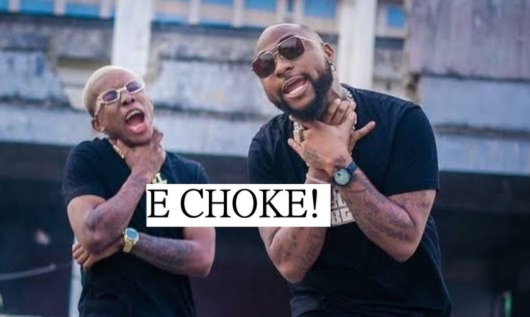
E Choke:
When an outfit is too good, so good it almost overwhelms, you'd definitely hear “e choke.”
It’s used for looks that are bold, extravagant, or perfectly styled to the point of being breathtaking.
In fashion conversations, e choke is the ultimate seal of approval.
Kak Up:
To kak up means to dress sharply or look fly. It’s commonly used when someone steps out looking intentionally put together, whether in streetwear, native attire, or high fashion.
If you're walking on the street and someone says, “You kak up today,” just know you did something right with your outfit.
Sope Purrr:
This slang is coated with drama, flair, and excitement rolled into one phrase.
Sope purrr is usually exclaimed in reaction to a stunning outfit, although it can also be used for other contextual expressions.
It’s playful, expressive, and often reserved for looks that deserve applause and screenshots.
Werey Dey Disguise:
This slang is actually layered. In fashion, it’s used to describe someone who is pretending to be lowkey or humble with their style, when in reality, they clearly know what they’re doing.
It’s that quiet luxury energy, simple outfit, expensive taste, undeniable drip.
Cut Soap For Me / Involve Me:
Originally about sharing secrets of success, in fashion this phrase is a request for inside information.
It could mean asking for a tailor’s contact, a plug for good fabrics, or styling tips.
Fashion in Nigeria thrives on shared knowledge, and this slang reflects that community spirit.
Ate:
Short, sharp, and affirming. Ate is used when someone—designer, stylist, or wearer—has done exceptionally well.
If a designer drops a collection and people say “Ate,” that’s high praise.
Take Ham Play Fess:
Often used as a response to compliments, this phrase signals confidence.
In fashion, it’s the equivalent of saying, “Yes, I know I look good and I can do even better next time.”
Baddie:
While often tied to behavior and personality, baddie has become a fashion term, especially for women who dress in certain styles.
It’s about owning your look and the attention that comes with it.

Together, these slangs dominate captions, comments, and conversations around #OOTD and street style, reinforcing a fashion culture that is confident, expressive, and deeply Nigerian.
More Than Words, It’s a Fashion Identity
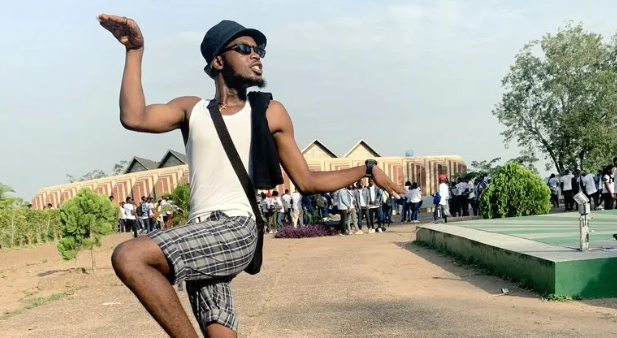
Nigerian fashion slang is more than trendy language, it’s cultural storytelling. Each phrase captures how Nigerians experience style: with humor, confidence, and a strong sense of self.
These slangs help bridge fashion and everyday life, making style accessible and communal rather than distant or exclusive.
As Nigerian fashion continues to grow on the global stage, this different slang will surely grow with it.
And if there’s one thing that’s clear, it’s this: in Nigeria, fashion isn’t just worn, it’s spoken.