The Unique Styles of Some Iconic African Musicians
This article talks about some iconic African musicians that use rhythm, culture, and storytelling to create powerful music that continues to inspire young people today.
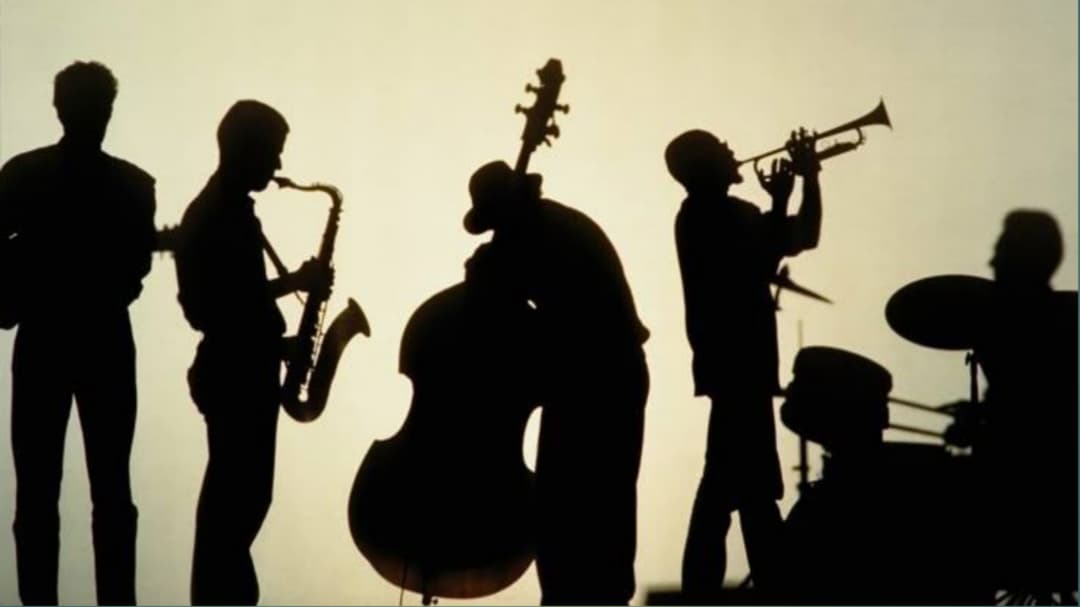
Africa is a continent full of amazing music.
Do we talk about the traditional rhythms or the modern beats?
African musicians have created sounds that people all over the world love.
Some musicians are called “iconic” because they have a style that is unique and unforgettable.
These musicians not only make great music but also tell stories, celebrate their culture, and inspire generations.
Let’s look at some of Africa’s most iconic musicians and what makes their style special.
Fela Kuti (Nigeria) – Afrobeat Legend
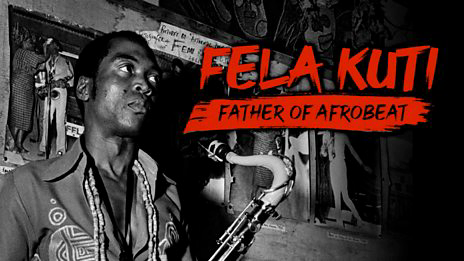
Born in 1938 and started his career in the1960s
Fela Kuti is called the father of Afrobeat, a music style that combines traditional Nigerian rhythms with jazz, funk, and strong horn sections.
His songs often had long grooves, heavy drums, and bass lines that made people dance.
But Fela was more than just a musician. He sang about politics and society, speaking out against corruption and injustice in Nigeria.
Even though he passed away in 1997, his style is still alive today.
Fela Kuti’s music reminds us that Afrobeat is not just for dancing, it’s for thinking too.
Lagbaja (Nigeria) – The Masked Afrobeat Storyteller
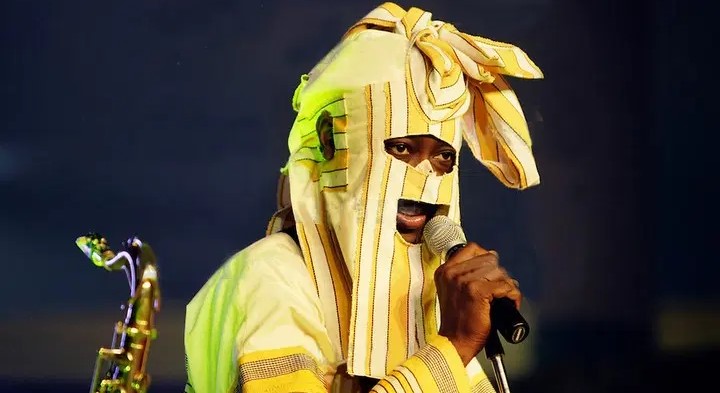
Born in 1960 and started his career in the early 1990s
Lagbaja was famous for performing while wearing a mask, which represented the everyday person.
His music spoke for ordinary people. His style mixed Afrobeat, jazz, highlife, and Yoruba rhythms. Lagbaja’s music was fun and lively but also carried strong messages about society and daily life.

He often used humor and storytelling to talk about serious issues.
Even after his death in 2023, Lagbaja’s style lives on. Many Nigerian musicians today use storytelling and social messages in their songs because of his influence.
Miriam Makeba (South Africa) – Mama Africa
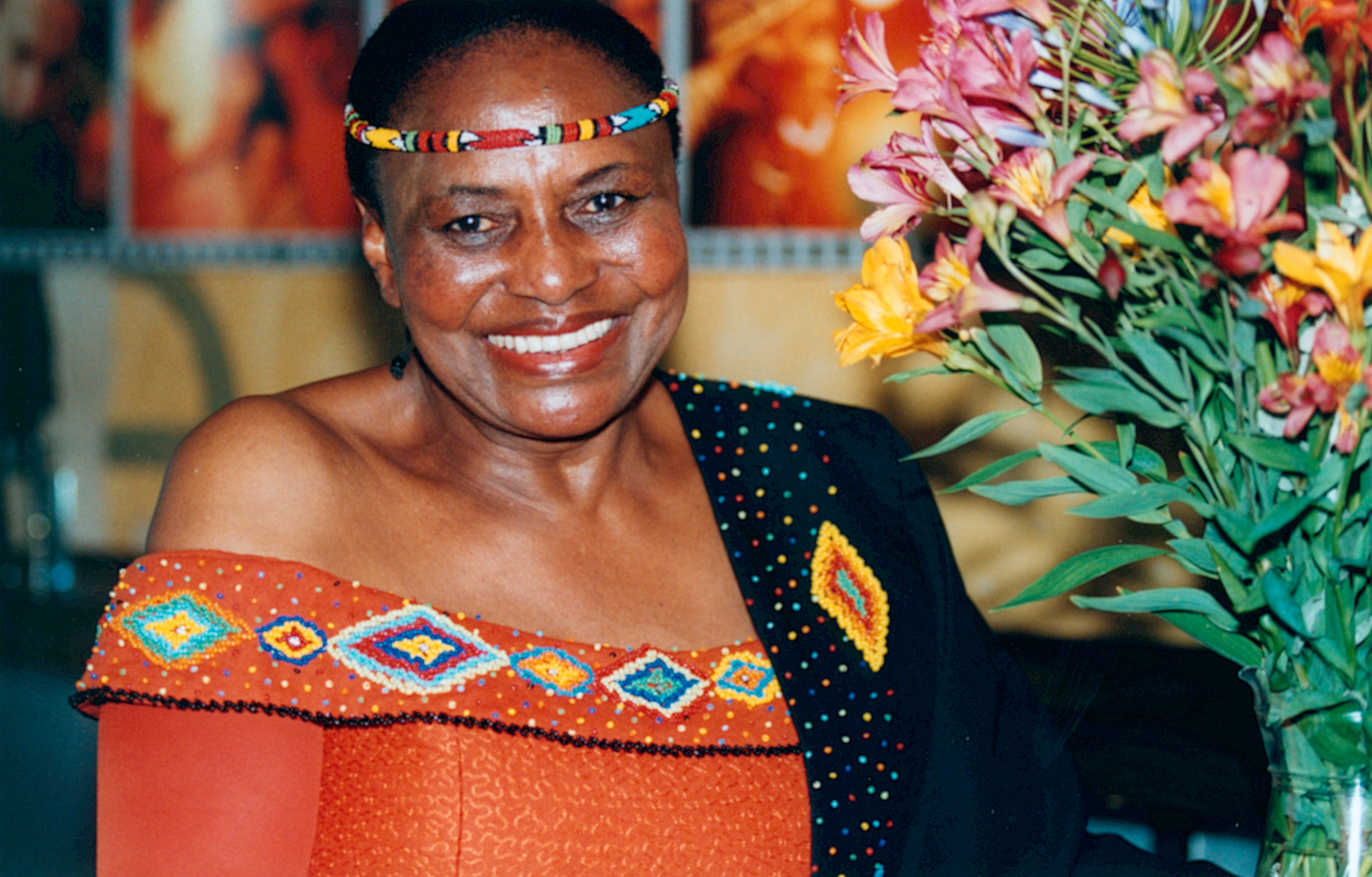
Born in 1932 and Started career in the 1950s
Miriam Makeba, known as “Mama Africa,” used her beautiful voice to sing about love, culture, and freedom.
She became famous for her fight against apartheid in South Africa.
Many of her songs were in indigenous languages, which gave her music a strong connection to African culture.
Makeba’s performances were full of charm, warmth, and emotion.
She could make a crowd feel her music deeply, even in countries far from Africa.
Although she passed away in 2008, her style is still alive.
Miriam Makeba showed that music can entertain, educate, and change the world at the same time
4. Angelique Kidjo (Benin) – Queen of Musical Fusion
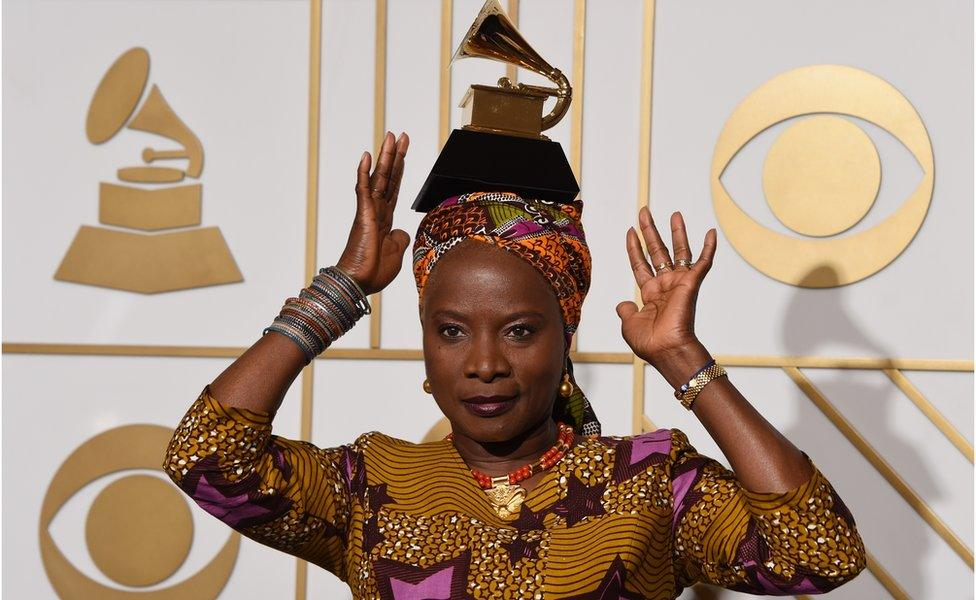
Born in 1960 and started her career in 1980s
Angelique Kidjo is famous for mixing African music with jazz, pop, and funk.
She often sings in multiple languages, including Fon, French, and English. Her performances are full of movement, dance, and colorful outfits, making her shows exciting and memorable.
Kidjo’s style is all about blending cultures while staying true to Africa.
She shows that African music can travel the world without losing its identity.
Even today, she continues to record new music and inspire young musicians to explore different styles while respecting their roots.
Angelique Kidjo proves that music can be both traditional and modern at the same time.
5. Beautiful Nubia (Nigeria) – Voice of Culture and Storytelling
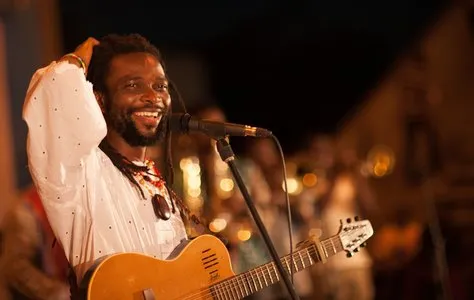
Born in 1968 and started his career in the Late 1990s
Beautiful Nubia is known for his deep and meaningful songs rooted in Yoruba culture. His music focuses on storytelling, wisdom, and traditional values.
He often sings in Yoruba and uses simple instruments to allow the message to stand out.
His style is calm, thoughtful, and educational.
His songs are still used today to teach young people about culture and history.
Youssou N’Dour (Senegal) – Master of Mbalax
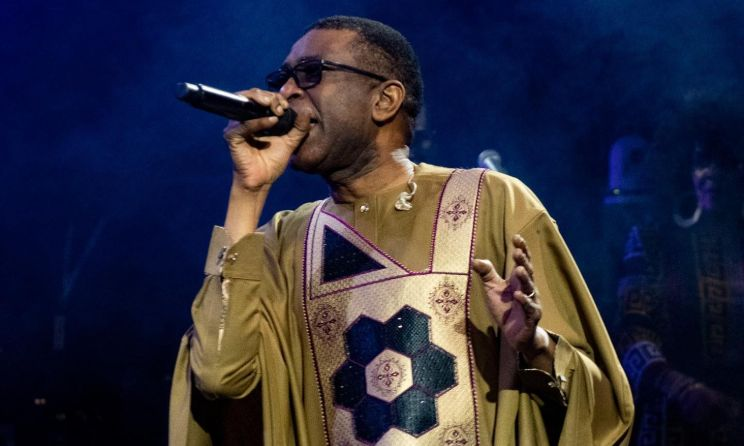
Born in 1959 and started his career: 1970s
Youssou N’Dour is a master of mbalax, a lively and fast Senegalese rhythm.
His high, expressive voice is instantly recognizable.
He mixes traditional African percussion with modern instruments like keyboards and guitars, creating music that is both fun to dance to and rich in culture.
N’Dour’s style is energetic and full of life.
He has worked with musicians all over the world, but his music always carries the sound of Senegal.
Today, he is still performing and recording, helping young people learn about Senegalese music.
Burna Boy (Nigeria) – Modern Afro-Fusion Star
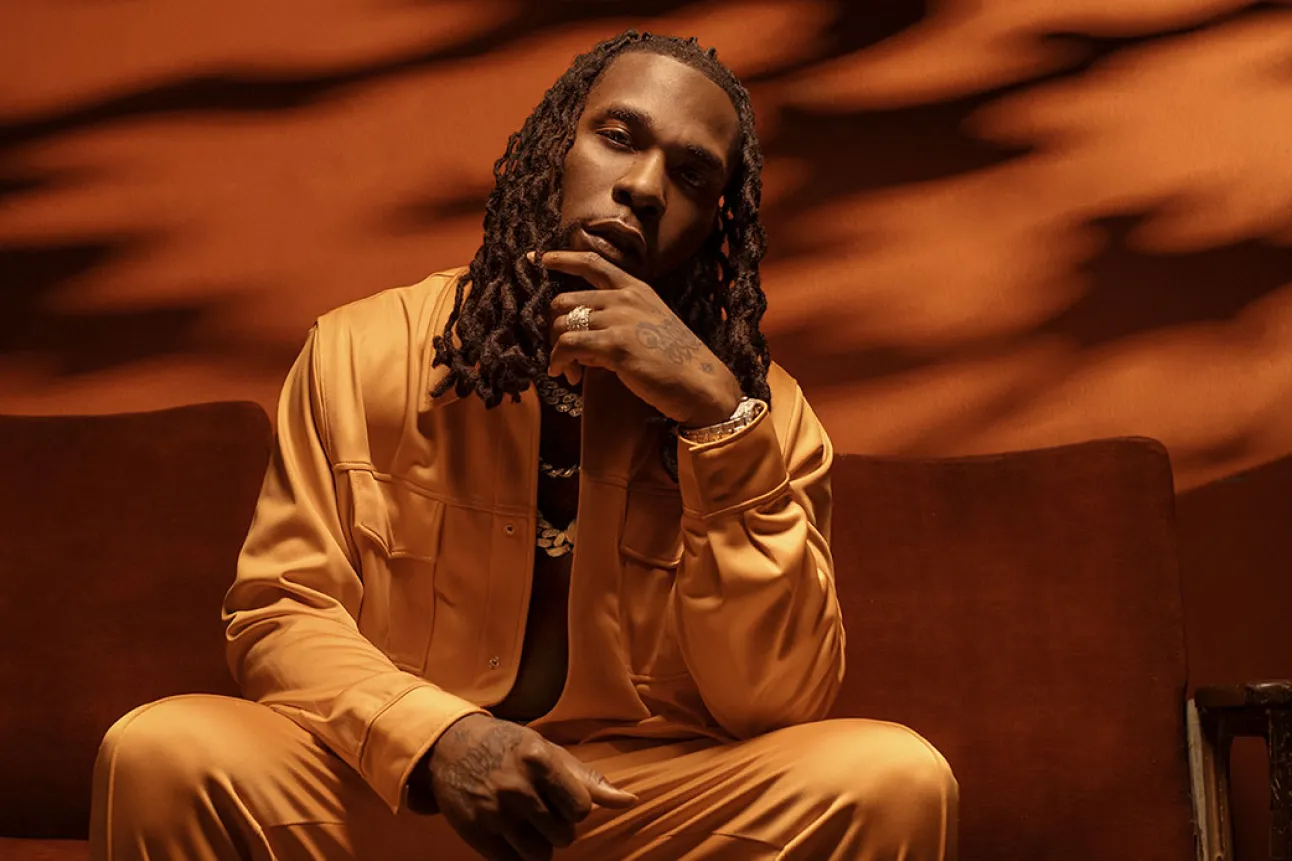
Born in 1991 and started his career in 2010s
Burna Boy is one of the biggest African stars today.
He combines Afrobeat, reggae, dancehall, and hip-hop to create his own unique style called Afro-fusion.
His voice is deep and expressive, and his songs often have catchy hooks that stay in your head.
Burna Boy’s music is a mix of traditional African sounds and modern global beats.
His performances are full of energy, and he connects easily with audiences. He shows that African music is alive and thriving.
Salif Keita (Mali) – The Golden Voice
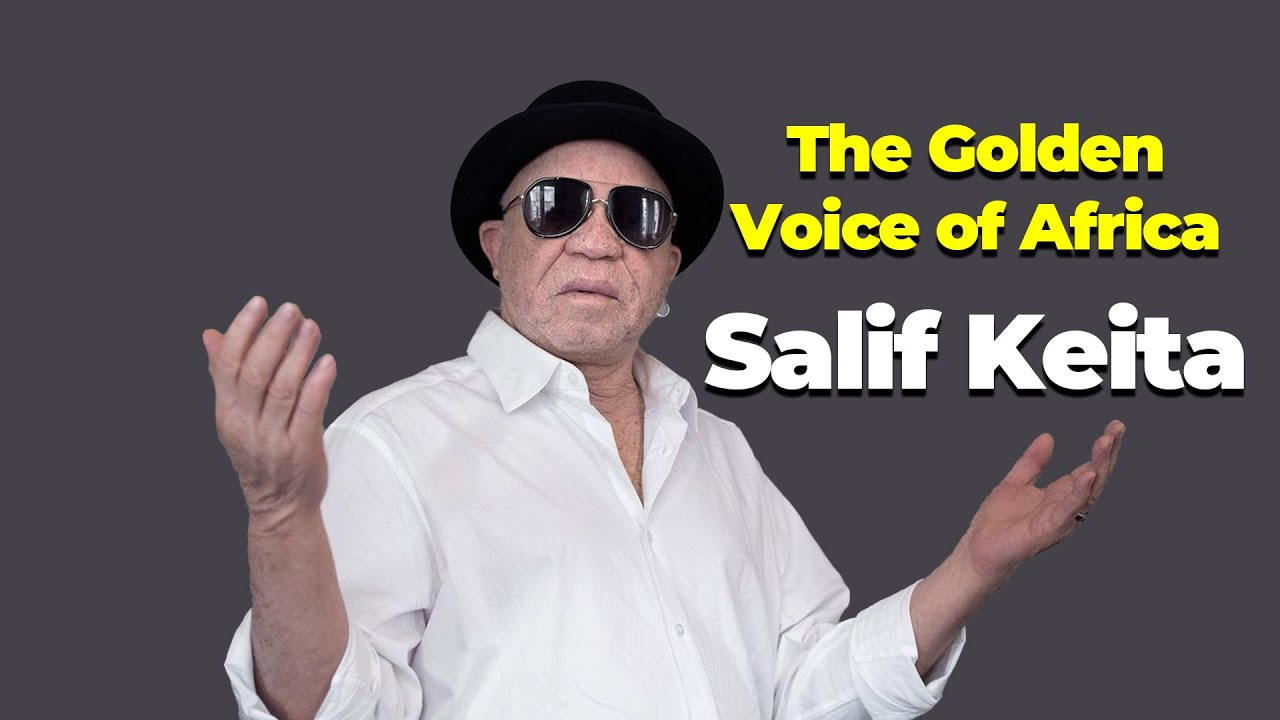
Born: 1949 and started his career in the 1960s.
Salif Keita, called the “Golden Voice of Africa,” has a smooth and emotional voice.
He uses traditional Malian instruments like the kora and balafon along with modern production.
His songs tell stories about life, love, and heritage.
Keita’s style combines old and new sounds, and it is still very influential today.
Many young African musicians look up to him and learn from his way of blending tradition with modern music.
Why Their Styles Are Special
What makes these musicians iconic is how they mix culture, rhythm, lyrics, and performance.
Fela Kuti’s Afrobeat makes people dance and think.
Lagbaja uses storytelling and humor to speak for everyday people through Afrobeat.
Miriam Makeba’s voice and activism inspire courage.
Angelique Kidjo fuses African and global sounds.
Beautiful Nubia uses storytelling and traditional sounds to keep Yoruba culture alive.
Youssou N’Dour keeps Senegalese music alive.
Burna Boy brings African music to the world stage.
Salif Keita shares Mali’s traditions with modern sounds.
Even though some of them have passed away, their music lives on. Young people still listen, dance, and get inspired by their rhythms and stories.
African music is more than just sound, it is identity, culture, and history, and these iconic musicians make sure it continues to shine.