The value of internships and summer jobs in shaping career paths
Internships and summer jobs are more than temporary roles, they shape careers. Learn how early experience builds skills, confidence, and long-term opportunities.
The Matthew Conversation We’ve All Had
“I keep getting rejected,” my friend Matthew said, frustration heavy in his voice.
Every role wants five to ten years of experience. I graduated two years ago. Where am I supposed to get that from?
If you’ve ever applied for a job and seen “minimum 5 or 10 years experience required” staring back at you like a bad joke, then you should know exactly how Matthew felt.
And there are high chances that you might have asked yourself the same question bothering my friend Matthew: How am I supposed to have years of experience when no one will give me a chance?
This conversation I had with Matthew wasn’t a new one entirely and I've seen it daily because it’s one many graduates, students, and early-career professionals keep having, quietly or out loud.
What most people don’t realize, though, is that experience doesn’t magically begin after graduation. It starts much earlier, often while you’re still in school, or even before you realize you’re building it.
That was what I tried to explain to Matthew: gaining experience doesn’t always mean landing a big, flashy job.
Sometimes, it looks like internships, summer jobs, volunteering, IT placements, collaborations, and saying “yes” to opportunities that don’t immediately look impressive on paper, but add up over time.
And if you’re reading this, consider this your shortcut, so you don’t have to go through the same stress Matthew did.
Why Internships and Summer Jobs Matter More Than You Think
Internships and summer jobs are often treated like optional extras, things you do if you have the time.
In reality, they are some of the most powerful career-shaping tools available, especially in a competitive job market of our present day.
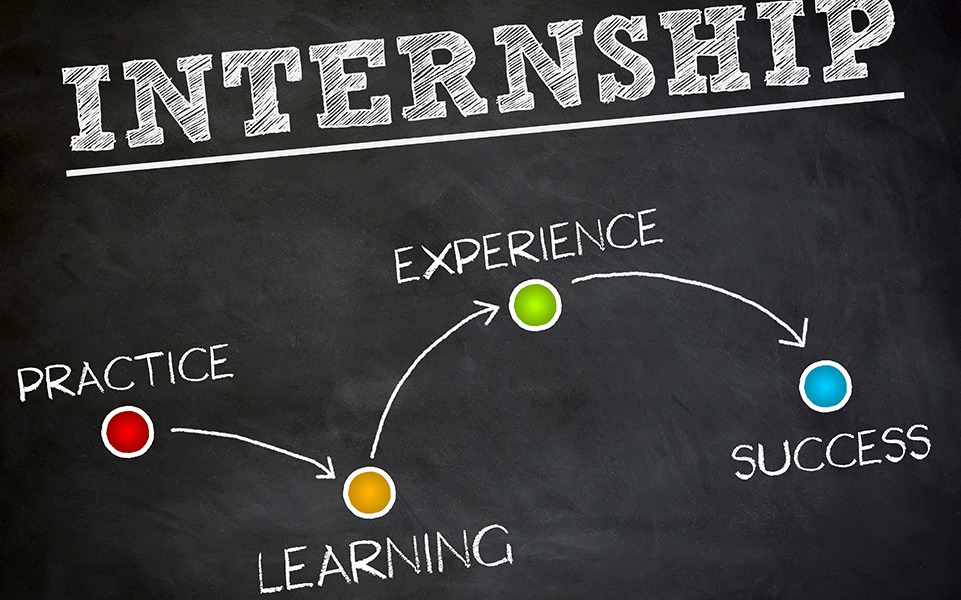
It's important to note that they bridge the gap between theory and practice. What you learn in classrooms, lectures, and online courses only truly comes alive when applied to real projects, real deadlines, and real people.
Internships turn knowledge into skill and skill into confidence.
They also provide industry exposure that no textbook can replicate. Interning in an organization teaches you the language of the field, the unspoken rules, the workflows, and the expectations.
You begin to understand how decisions are made, how teams collaborate, and what the day-to-day reality of the job actually looks like and not just what you read from books.
This exposure helps clarify career paths. Many people discover what they don’t want to do through internships and that’s just as valuable.

It’s better to realize early that a role isn’t for you than to commit years to the wrong direction. Think of internships as a “try before you commit” phase for your career.
From an employer’s perspective, internships signal initiative. A resume filled with relevant internships, volunteer roles, and summer jobs shows that you didn’t wait passively for opportunities, you created them.
Industry data across the Internet backs this up, over 56% of internships convert into full-time job offers, making them one of the most reliable entry points into long-term employment.
Then there’s networking and mentorship. Internships place you in rooms with people who’ve walked the path you’re trying to navigate. These relationships often lead to recommendations, referrals, and guidance that no job board can provide.
And beyond technical skills, internships build soft skills, communication, teamwork, adaptability, time management. These are the skills employers often value most, yet rarely teach explicitly.
Summer Jobs, Volunteering, and the Experience You’re Overlooking
Even when a summer job isn’t directly linked to your dream career, it still counts. That retail role? It teaches customer communication.
That event volunteering gig? Project coordination and teamwork. That unpaid design project for a campus organization? Portfolio work and references.
Summer jobs build work ethic, showing up on time, handling responsibility, managing pressure. They also introduce financial literacy: earning money, budgeting, and valuing your labor.
Let’s say you’re a graphic designer. If, during your five years at university, aside from your preferred course of study which is a topic for another day, and that you volunteered for events, collaborated on student projects, helped small businesses, or offered services online, that’s five years of experience, plus a portfolio, testimonials, and recommendations.
But if you sit back waiting for the “perfect” opportunity to arrive after graduation, it might or it might not, careers are rarely built by waiting.
The key is intentionality. Apply while you’re still a student, seek feedback, take on challenging tasks and document your achievements.
Every project completed is a line on your resume, a story in your interview, and proof of growth.
Experience Is Built, Not Granted
Well, for my friend Matthew, he eventually understood this. He stopped focusing on what he lacked and started building what he needed, piece by piece.
Internships, short-term roles, volunteer projects, they added up faster than he expected.
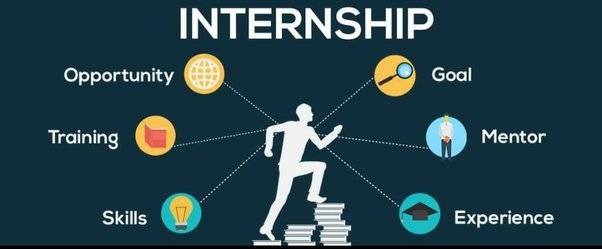
The truth is, you don’t wake up one day with ten years of experience. You accumulate it quietly, consistently, and intentionally.
Internships and summer jobs aren’t just résumé fillers. They’re stepping stones, shaping confidence, sharpening direction, and opening doors
So if you’re still in school, start now, if you’ve graduated, start where you are.
Experience isn’t something you wait for, it’s something you build and if you're very good at your craft and you have a proven track record, you might even be considered for a role that you don't have the number of years of experience they are looking for.