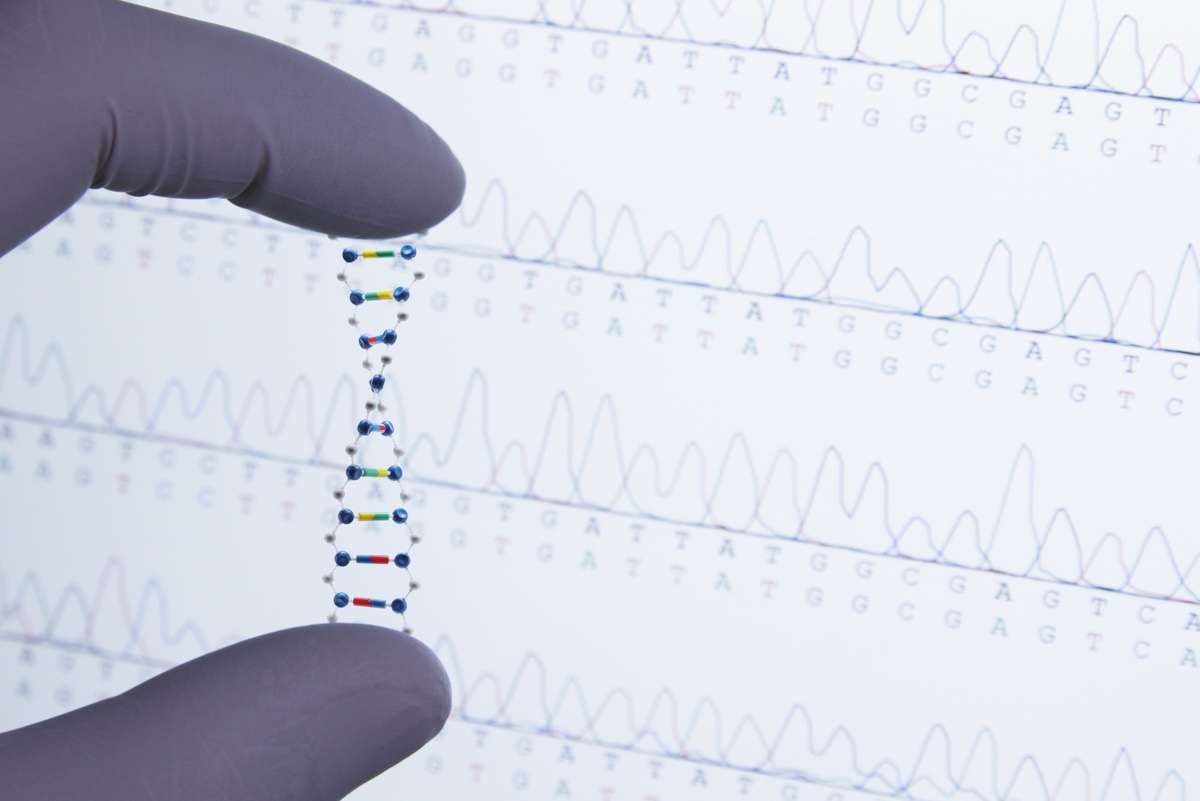
How DNA Testing Is Finally Answering The Question Slavery Tried to Erase
DNA testing is helping Black Americans reclaim identities slavery tried to erase—pinpointing African countries, ethnic groups, and heritage with scientific precision, and sparking a cultural awakening across TikTok, travel, and diaspora citizenship in 2026.

"I'm 64% Nigerian. 18% Cameroonian. 12% Ghanaian."
For the first time in 400 years, Black Americans can say these words with scientific certainty. Not just guesses or vibes. Not "somewhere in West Africa." Actual countries, actual ethnic groups and actual answers.
And the internet is having a cultural awakening about it.
The Technology That's Rewriting Black Identity
In recent times, when you take a DNA test from companies like 23andMe, AncestryDNA, or African Ancestry, you are not just getting random percentages. These companies analyze your genetic markers and compare them against massive databases of African DNA samples to pinpoint exactly which present-day countries and ethnic groups your ancestors came from.
AncestryDNA examines over 700,000 genetic markers and spans 22 distinct African regions, while 23andMe updated its African Ethnolinguistic Genetic Groups in November 2025 to include more than 250 Genetic Groups across Sub-Saharan Africa.
African Ancestry has helped over 750,000 people trace their roots using the world's largest database of African DNA with over 33,000 samples.
For the first time since the Middle Passage, descendants of enslaved Africans can look at a map and say: "That's where my people are from."
TikTok Is Making DNA Testing A Movement
Social media has turned ancestry testing from a personal journey into a full-blown Gen-Z cultural moment.
Major YouTuber IShowSpeed toured the entire African continent in early 2026 with his 50 million subscribers watching, and announced plans to take a DNA test to reveal his exact origins.
Black Americans flooded the comments saying his tour completely changed how they see Africa not as a symbol of poverty, but as 54 diverse countries with thriving cultures, modern cities, and deep history.
DNA testing videos on TikTok focus heavily on the entertaining and emotional aspects, with about one-quarter noting unexpected information about family or ancestry. People are posting their results and even planning trips to their ancestral homelands based on what they discover.
What The Results Actually Tell You
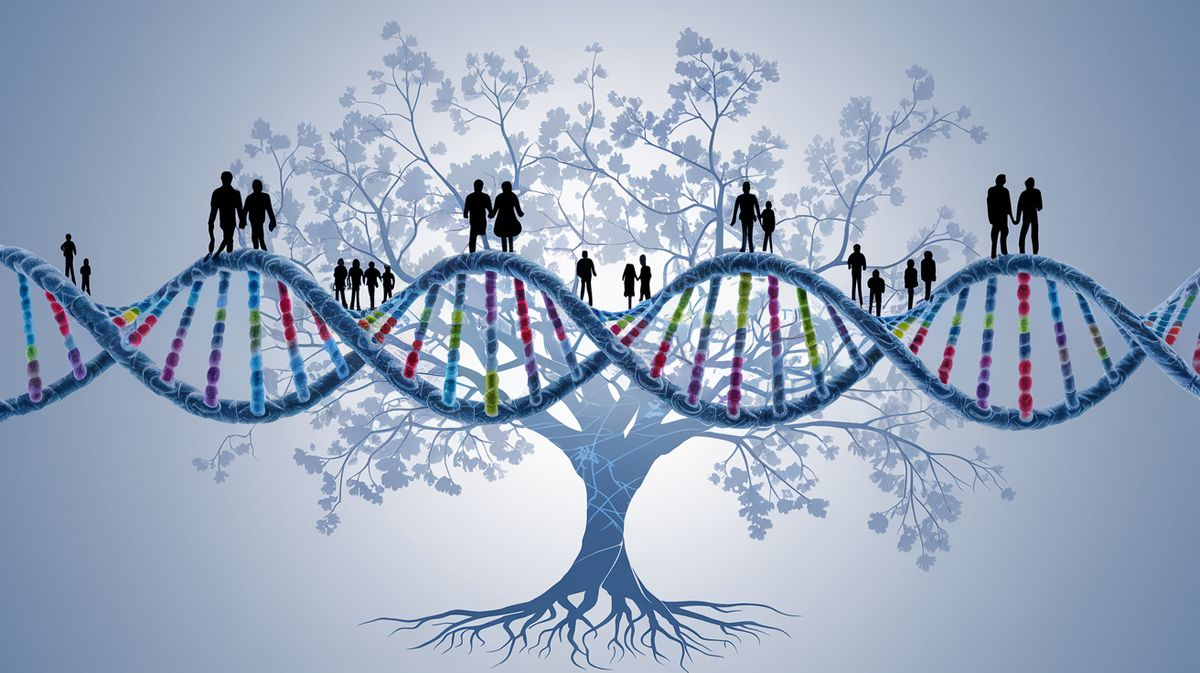
African Ancestry helps people trace their ancestral roots back to a specific present-day African country and tribe/ethnic group. You get:
- Regional breakdowns: Your DNA percentages from specific African regions (Nigeria, Cameroon, Ghana, Senegal, etc.)
- Ethnic group matches: Specific peoples like Yoruba, Igbo, Akan, Fulani, Mende
Diaspora Connect
Stay Connected to Home
From Lagos to London, Accra to Atlanta - We Cover It All.
- Migration patterns: How your ancestors moved across continents over centuries
- Haplogroups: Ancient lineages that connect you to populations from thousands of years ago
Results show regions or ethnic groups your ancestors came from, including nine in Africa, even if you can't find their immigration records. This is huge because enslaved Africans obviously did not come with paperwork as their origins were deliberately erased as a control tactic.
The Science Is Wild
Population researchers discovered that the average Black American is 17-18% European ancestry, but this varies significantly by location, with African Americans in the deep South having higher percentages of African ancestry, and South Carolina having the highest at 83%.
Genetic studies have also shown African Americans have more ancestry from populations near present-day Nigeria than anywhere else in Atlantic Africa, even though historical records show nearly half of enslaved people came from other regions.

Scientists think it is because of a later slave trade between the British Caribbean and mainland Americas that concentrated Nigerian genetics.
Why It Is A Good Initiative In 2026
Right now in February 2026, AncestryDNA is running a deal for just $29 (85% off), making ancestry testing more accessible than ever. Even state governments are jumping in. Illinois created a $500,000 pilot program distributing 1,600 free DNA kits to help African Americans recover their ancestral histories.
This timing matters. Dr. Gina Paige, co-founder of African Ancestry, said something powerful: "Black people should take the test as an act of resistance, because (our ancestry) was something we were never supposed to know."
Denying enslaved people knowledge of their origins was an intentional strategy to disconnect African Americans from their power, culture, and sense of self. Every DNA test is literally undoing that erasure.
And it is not just about knowing percentages. Ghana paused citizenship applications in February 2026 to make the process more accessible for diaspora members, after over 1,000 people obtained citizenship. People are using their DNA results to apply for dual citizenship in their ancestral countries and so other things they wouldn’t have thought of in a long time.
The Emotional Weight
When someone discovers they are 70% Nigerian after spending their entire life being told "you're just Black," that feels different. When you learn your maternal line traces back to the Igbo people, suddenly you are not just African American, you are Igbo-American.
You have a specific heritage. Specific traditions. A specific place you can point to on a map.
One ancestry test reviewer on TikTok said their results were "life-changing" because for the first time, they understood exactly where they came from.
That is the power of this technology. It is giving Black Americans something slavery tried to take forever: the answer to "where am I from?"
Diaspora Connect
Stay Connected to Home
From Lagos to London, Accra to Atlanta - We Cover It All.
And after 400 years, that knowledge is everything.