Ghana Suspends Citizenship Applications for Africans in the Diaspora Abroad
Ghana has paused citizenship applications for African descendants abroad, raising hard questions about Pan-Africanism, access, and trust. Is this policy reform or a quiet retreat from a bold promise?
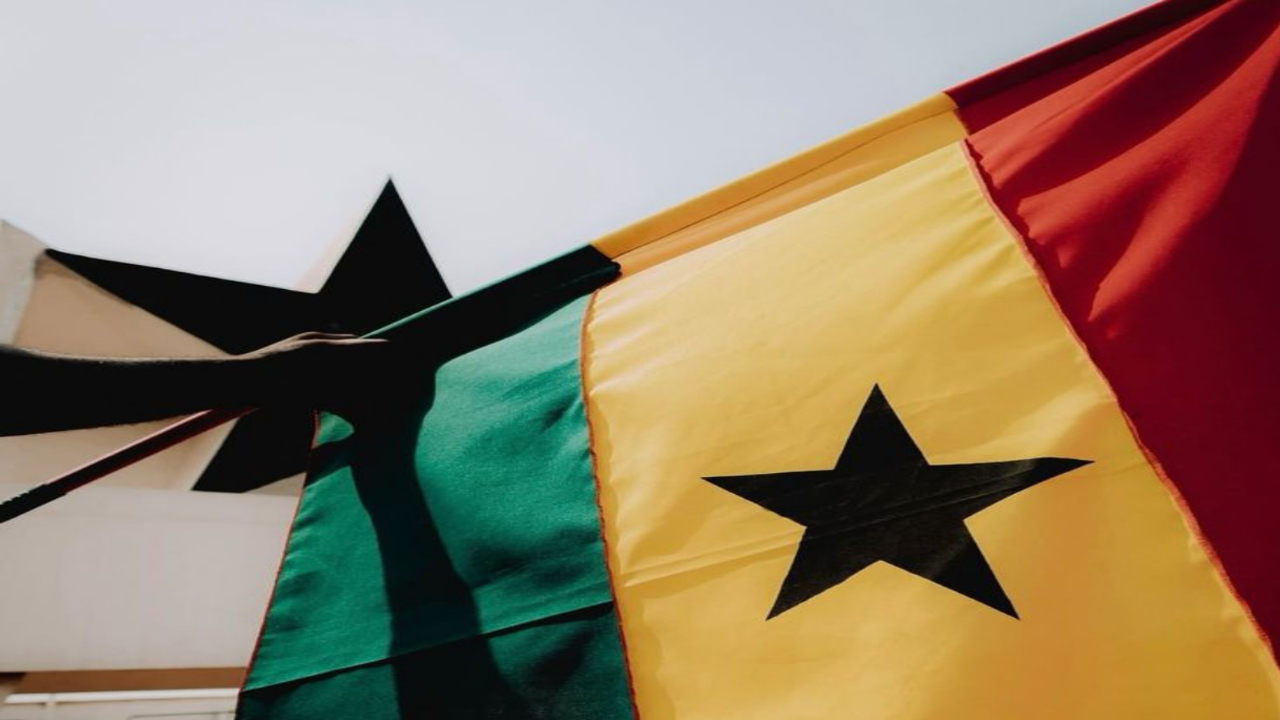
For nearly a decade, Ghana has positioned itself as the emotional and political gateway for Africans in the diaspora seeking reconnection.
From the Year of Return in 2019 to the steady granting of citizenship to members of the historical diaspora, the country has framed itself not merely as a destination, but as a moral homeland for people displaced by centuries of enslavement and colonial violence.
That narrative now faces a credibility test.
Ghana’s decision to pause citizenship applications for descendants of Africans living abroad is not, on the surface, a rejection of diaspora engagement.
The government has stated that the suspension is temporary and intended to review and improve the application process, making it more accessible and efficient.
Officials insist that processing will resume shortly, although no timeline has been provided.
Yet policy is judged not only by intention but by optics, timing, and consequence. This pause comes barely weeks after Ghana granted citizenship to US YouTuber IShowSpeed following his widely publicized tour across 20 African countries.
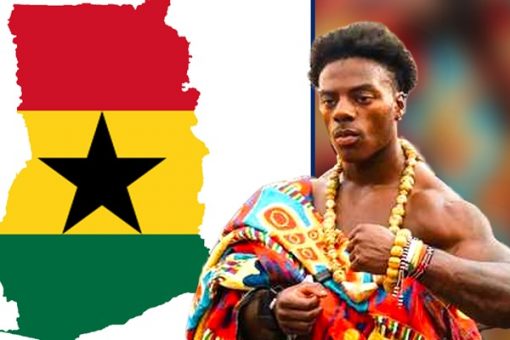
While the influencer’s citizenship was legally sound under Ghanaian law, the contrast between high-profile approvals and a blanket suspension for ordinary applicants has amplified questions that were already simmering beneath Ghana’s Pan-African branding.
The issue is not whether Ghana has the right to regulate its citizenship process. Every sovereign state does.
The deeper concern is whether Ghana can continue to claim moral leadership in Pan-Africanism while introducing uncertainty into one of its most symbolic initiatives. Citizenship, in this context, is not merely a legal document. It is a promise.
When such promises are paused without clarity, trust becomes the first casualty.
Citizenship as Soft Power, Not Charity
Since 2016, Ghana has issued roughly 1,000 citizenship certificates to members of the historical African diaspora. Beneficiaries have included global cultural figures such as Stevie Wonder and Yandy Smith. These grants were not acts of generosity alone. They were strategic.
Citizenship functioned as soft power, reinforcing Ghana’s image as a stable democracy, an investment destination, and a cultural anchor for Africans abroad.
By calling the diaspora its “17th region,” Ghana deliberately blurred the line between nationality and ancestry, offering belonging where other states offered only visas and tourist slogans.
Diaspora Connect
Stay Connected to Home
From Lagos to London, Accra to Atlanta - We Cover It All.
The suspension threatens to weaken that carefully built architecture.
Analysts cited by AFP suggest that the government is considering two major changes: a review of application costs and the introduction of stricter requirements to prove African ancestry.
On paper, neither proposal is unreasonable. Administrative systems must be sustainable, and citizenship should not be arbitrarily granted.
However, Pan-African citizenship initiatives operate in a space where documentation is historically fragmented.
Many descendants of enslaved Africans cannot trace lineage with the precision modern bureaucracies demand. Records were destroyed, altered, or never created in the first place. To impose rigid proof requirements risks excluding the very people these initiatives were designed to welcome.

International relations analyst Ishmael Hlovor, a lecturer and interational relations analyst at the University of Education,Winneba has warned that narrowing the definition of who qualifies as diaspora could undermine Ghana’s standing as a home for Africans abroad.

His argument is not ideological. It is practical. Once a policy moves from inclusive symbolism to selective gatekeeping, it ceases to function as soft power and begins to resemble ordinary immigration control.
That shift matters. Ghana is competing globally for diaspora capital, talent, and influence. Countries like Rwanda, Senegal, and even Caribbean states have expanded heritage-based residency and citizenship programs with clear frameworks and predictable processes. In this landscape, uncertainty is a disadvantage.
Citizenship, in this context, is not charity. It is diplomacy.
The Celebrity Effect and Public Perception
The timing of the suspension has inevitably entangled it with Ghana’s decision to grant citizenship to IShowSpeed. While the influencer’s nationality approval followed legal pathways, its visibility has distorted public perception of fairness and access.
Celebrity citizenships are not new. Nations routinely fast-track individuals who offer economic, cultural, or diplomatic value. What makes this case sensitive is the contrast it creates. While high-profile figures receive swift approval, ordinary applicants now face an indefinite pause and the possibility of stricter requirements.
This contrast feeds a damaging narrative: that Pan-African citizenship is becoming performative rather than principled.
Public trust in migration and nationality policies depends on consistency. When rules appear flexible for the famous and uncertain for everyone else, legitimacy erodes.
Even if the suspension is purely procedural, as Diaspora African Forum representative Erieka Bennet has suggested, perception often outweighs explanation in global discourse.
Bennet is correct in one sense. The government has not cancelled the program. It has paused it. But policy pauses without transparency invite speculation, particularly when they intersect with emotionally charged issues such as identity, ancestry, and historical injustice.
Diaspora Connect
Stay Connected to Home
From Lagos to London, Accra to Atlanta - We Cover It All.
The African diaspora is not a monolith. It includes descendants of enslaved Africans, post-colonial migrants, and second or third-generation Africans born abroad.
What unites them is a shared desire for recognition and belonging. When access to that belonging appears inconsistent, enthusiasm cools quickly.
Ghana’s challenge is not legal compliance. It is narrative coherence.
A Test of Ghana’s Pan-African Promise
Ghana began awarding citizenship to the historical diaspora in 2016, well before the Year of Return transformed the initiative into a global cultural moment. Since then, the program has served as both policy and symbolism, reinforcing Ghana’s claim to Pan-African leadership.
The current suspension does not nullify that legacy. But it does test it.
If the review process results in clearer timelines, transparent costs, and reasonable evident standards that acknowledge historical realities, Ghana may emerge with a stronger, more credible system.
A reformed process that balances integrity with inclusivity could restore confidence and set a benchmark for other African states.
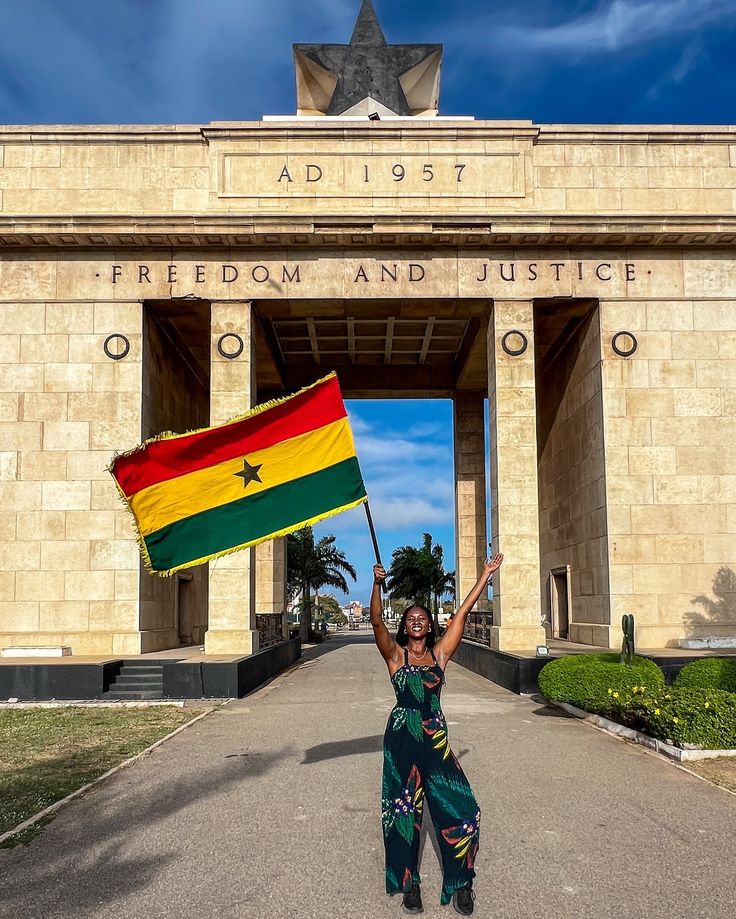
If, however, the pause leads to restrictive definitions of ancestry or prolonged uncertainty, the damage may extend beyond citizenship applications. It could weaken diaspora investment, slow cultural exchange, and dilute the emotional bond Ghana has carefully cultivated.
Pan-Africanism thrives on trust. It depends on the belief that historical wounds are acknowledged, not bureaucratized out of existence.
Ghana’s leadership has repeatedly affirmed its commitment to the diaspora. The next steps will determine whether that commitment remains visionary or becomes conditional.
This moment is not about one influencer or one administrative pause. It is about whether Ghana can translate Pan-African ideals into durable policy without losing the people those ideals were meant to serve.
Citizenship, once offered as an open door to history, must not become a moving target.