Saudi Arabia Scales Back Plans For Multi Billion Dollar Desert Megacity Project
Saudi Arabia has quietly scaled back The Line, its ambitious 100-mile desert megacity. Billions have been spent, targets revised, and questions are growing about what went wrong.
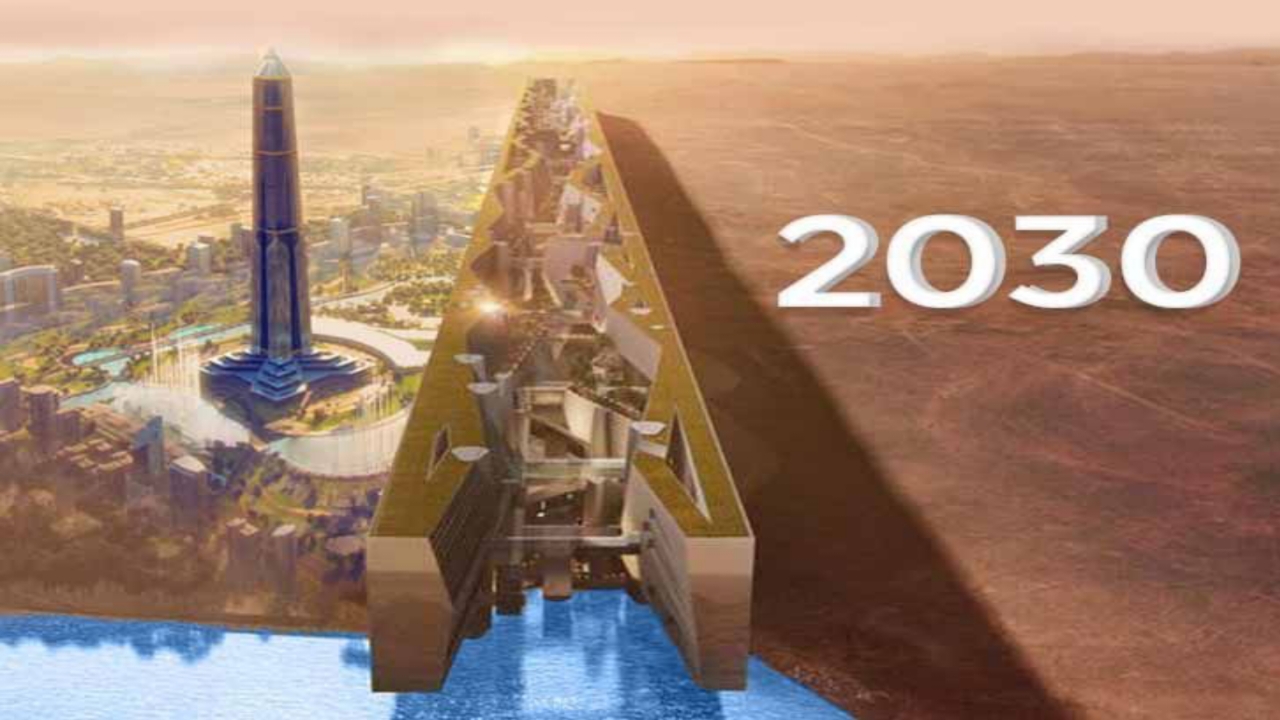
Saudi Arabia has significantly scaled down The Line, its headline-grabbing 170-kilometre linear city planned as the centerpiece of the NEOM development in the kingdom’s northwest desert, according to multiple reports and satellite observations.
Originally announced as a car-free, zero-carbon city designed to house up to nine million people by 2030, The Line is now expected to move forward in a far smaller form.
Officials have not publicly declared the project reduced, but revised timelines, muted messaging, and on-site activity suggest the first phase will cover only a small fraction of the original plan.
The shift marks a major retreat from one of the most ambitious urban concepts ever proposed.
From a 170-Kilometre Vision to a Limited First Phase
When Crown Prince Mohammed bin Salman unveiled The Line, it was presented as a radical alternative to conventional cities: a continuous vertical structure stretching across the desert, eliminating cars, roads, and urban sprawl. It sought to expand the company’s economy away from oil and towards real estate.
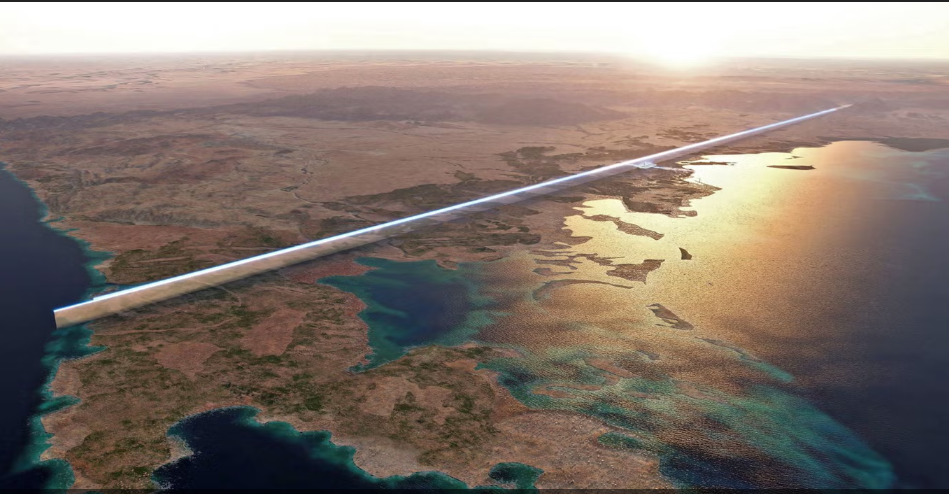
However, internal projections now point to an initial development of roughly 2 to 3 kilometres, rather than the full 170 kilometres. Population targets have also been revised sharply downward.
Instead of millions of residents by the end of the decade, estimates now suggest fewer than 300,000 people, with some analysts describing even that figure as optimistic.
Contractors and engineers previously assigned to the megastructure have reportedly been redirected to other NEOM projects, while some international consultants have exited the project altogether.
Financial Pressure and Practical Constraints
The primary drivers behind the scale-back appear to be financial and logistical.
Saudi Arabia’s Vision 2030 strategy relies heavily on oil revenues to fund large-scale diversification projects.
While oil prices initially supported aggressive spending, recent budget pressures and investor caution have forced reassessments across several initiatives.
Urban planners and engineers had long questioned the feasibility of maintaining a 170-kilometre mirrored structure in extreme desert conditions. Concerns included cooling demands, sandstorm exposure, transportation logistics within a linear structure, and long-term maintenance costs.
As funding tightened, these practical challenges became harder to ignore.
Billions Spent, Limited Public Explanation
Despite the change in scope, the Saudi government has not provided a detailed public accounting of how much has already been spent on The Line or how the revised plans affect earlier commitments.
Financial Times, however estimated that around fifty billion dollars had been spent on The Line project as of november.
The lack of formal acknowledgment has drawn criticism, particularly given the social and economic implications of the project.
Local communities, including members of the Huwaitat tribe, were displaced to clear land for NEOM. At the same time, young Saudi professionals were encouraged to see The Line as a gateway to future-focused careers in technology and urban innovation.
The absence of transparency has left many stakeholders uncertain about the project’s long-term direction.
Broader Implications for Vision 2030
The downsizing of The Line does not mean Saudi Arabia’s Vision 2030 agenda has failed, but it does highlight the risks of relying on highly ambitious megaprojects to drive economic transformation.

Several other large developments within the kingdom have also faced delays or revisions, reflecting a broader effort to align goals with financial and operational realities.
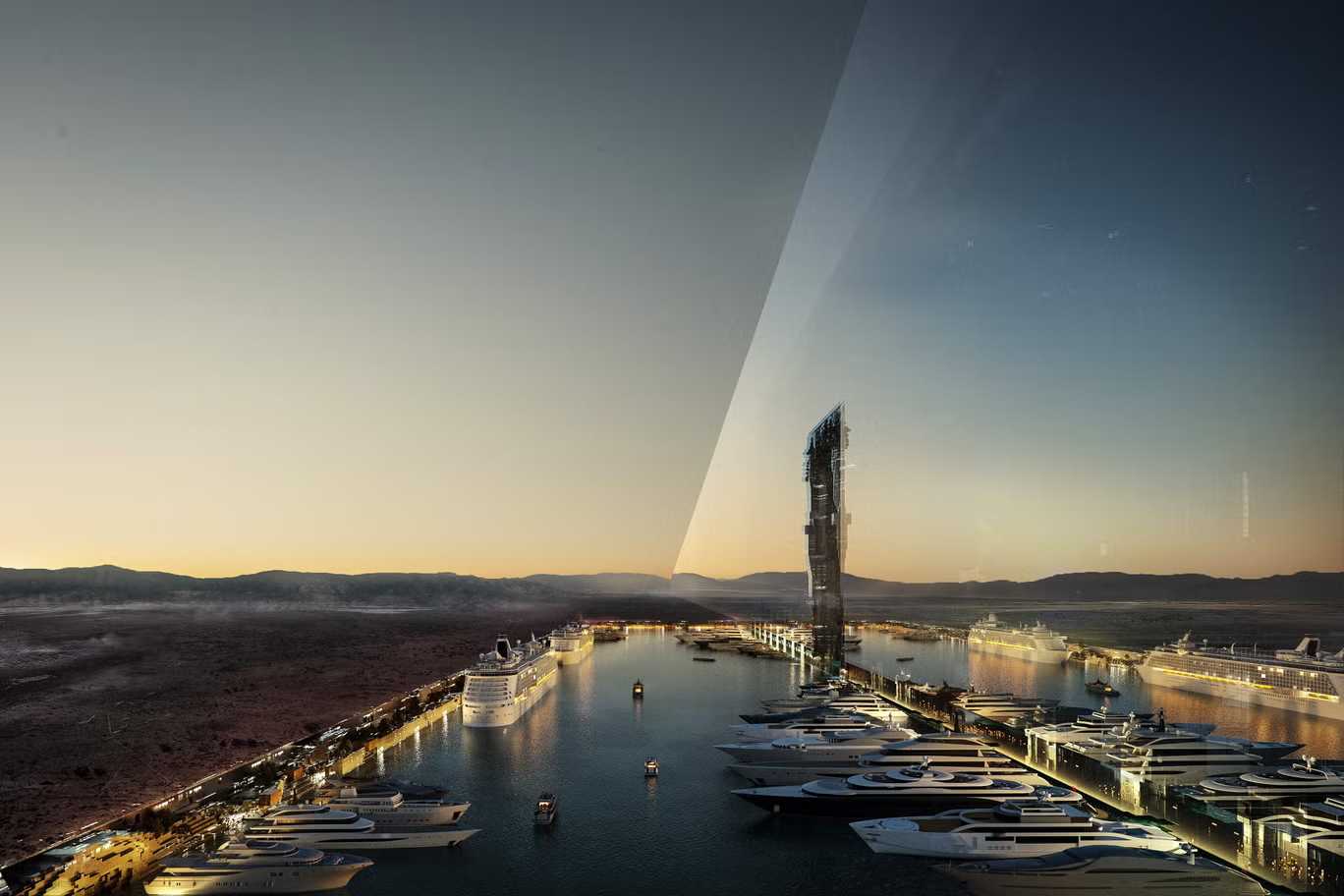
Urban development experts argue that smaller, incremental projects tend to deliver more sustainable results than large symbolic builds.
In this context, a reduced version of The Line could still serve as a pilot for dense, low-car urban living, provided lessons from the initial phase are openly addressed.
An Ambitious Idea, Now Under Reassessment
The Line remains officially active, but its original scale and timeline no longer appear realistic. What was promoted as a complete reimagining of urban life is now entering a more cautious and constrained phase.
For investors, citizens, and international observers, the central issue is no longer the ambition of the idea, but the lack of clarity surrounding its revision.
Without transparent explanations, the project risks becoming a case study in how bold visions can falter when execution, financing, and accountability fall out of alignment.