Is Venture Debt the Future of Startup Financing in Africa?
Is venture debt the future of startup funding in Africa? Learn how this growing option supports founders and strengthens the tech ecosystem.

For a long time, venture capital (VC) has been the main funding option for African startups. Founders pitch investors, raise equity, and give up ownership in exchange for growth capital.
This model helped build Africa’s early tech ecosystem, but today it is under pressure.
Funding has slowed, investors are more cautious, and valuations are lower.
As a result, many founders are asking an important question: Is there another way to raise money without losing too much control?
And tne answer gaining attention is venture debt.
What Is Venture Debt and Why Is It Gaining Attention in Africa?
Venture debt is a loan designed for startups.
Instead of selling shares to investors, a startup borrows money and agrees to repay it over time, usually with interest. Unlike traditional bank loans, venture debt providers understand startup risk and often offer more flexible terms.
In simple terms:
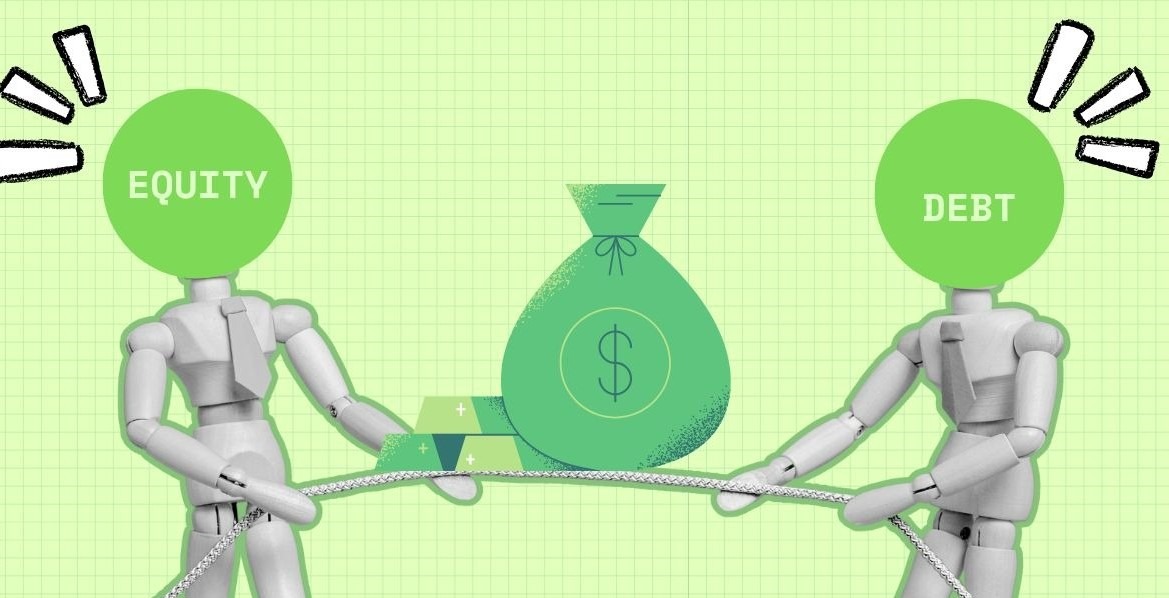
Equity funding means giving up part of your company
Venture debt means borrowing money while keeping ownership
African founders are becoming more financially strategic.
Instead of raising money just to grow fast, many are focused on sustainability, efficiency, and long-term value.
Venture debt fits well with this mindset because it supports disciplined growth.
Venture debt is especially attractive to startups that already have revenue.
These companies may not need a large equity round; they simply need extra capital to hire staff, expand slightly, improve their product, or survive a difficult market period.
How Venture Debt Helps Startups and the Risks to Consider

Venture debt offers several benefits that explain its growing popularity among African startups.

First, it helps startups extend their runway. Instead of rushing into another equity round, founders can use debt to buy time, often 12 to 18 months to grow revenue or improve their valuation.
Second, venture debt helps reduce dilution. Founders keep more ownership, which is especially important in early stages when companies are still undervalued. This also gives founders stronger bargaining power when they later raise equity.
Third, venture debt encourages smarter use of money. Because debt must be repaid, startups are forced to focus on revenue, cash flow, and operational discipline. This can lead to healthier businesses in the long run.
However, venture debt also comes with real risks.

Unlike equity, debt must be repaid, even if the startup struggles. If revenue drops or growth slows, repayments can become a serious burden. This makes venture debt unsuitable for idea-stage startups or businesses without predictable income.
There is also the issue ofcurrency risk. Many African startups earn revenue in local currency but borrow in foreign currency. Exchange rate fluctuations can increase repayment costs and put pressure on cash flow.
Finally, venture debt is still not widely available all overAfrica. Only a limited number of lenders offer it, and the terms are not always founder-friendly.
Is Venture Debt the Future of Startup Financing in Africa?
Venture debt is unlikely to replace venture capital in Africa, but it is also clear that equity alone is no longer enough.
In more mature startup ecosystems, companies use a mix of equity and debt.
Equity supports long-term growth and risk-taking, while debt is used to manage cash flow, fund expansion, or delay dilution.
Founders are no longer focused only on raising the biggest round possible. Instead, they are thinking carefully about ownership, sustainability, and control.
As more venture debt providers enter the market and startup ecosystems develop, debt financing is likely to become more common, especially for mid-stage startups with proven revenue models.
So, is venture debt the future of startup financing in Africa?
Not by itself.
But as part of a broader funding toolkit, venture debt is becoming an important piece of the puzzle.
For the right startups, at the right time, it offers a powerful way to grow without giving up too much of what they have built.
In that sense, venture debt is not just a trend, it is a sign of a more balanced and resilient future for African startups.