Bended Knees Don’t Mean Respect — But Does Yoruba Culture Agree?
In Yoruba culture, kneeling and prostrating are taught as respect—but lived experience complicates that belief. This essay interrogates greeting culture, performative respect, and what omoluabi should truly mean today.
Growing up as a Yoruba child, one thing that you will always be reminded of is respect. You are expected to gesticulate when greeting elders, use honorificswhen addressing them, recall the four-part day greetings even when you are running out to buy candy and must never talk back when you are being addressed. That, you are told, is what respect looks like.
But you see the same trader gossip about the old lady that she just rolled her knees on the dust for with such vigour. You hear the roadside mechanic hurl Yoruba-heavy insults at the food seller across the road with honorifics, the same honorifics you were taught shows respect.
And that leaves you confused, wondering: what does respect actually mean?
The Gospel According to Yoruba Elders: Greetings ARE Respect
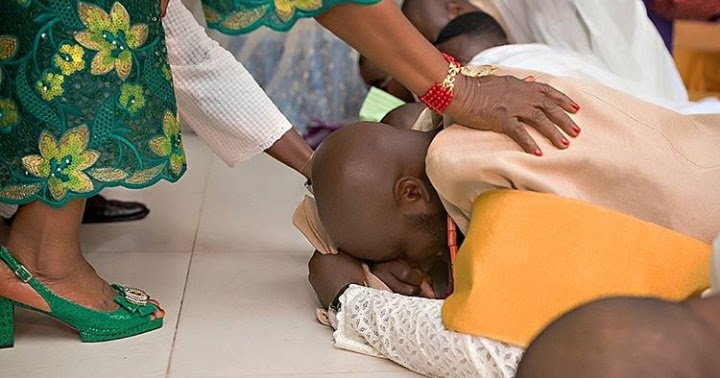
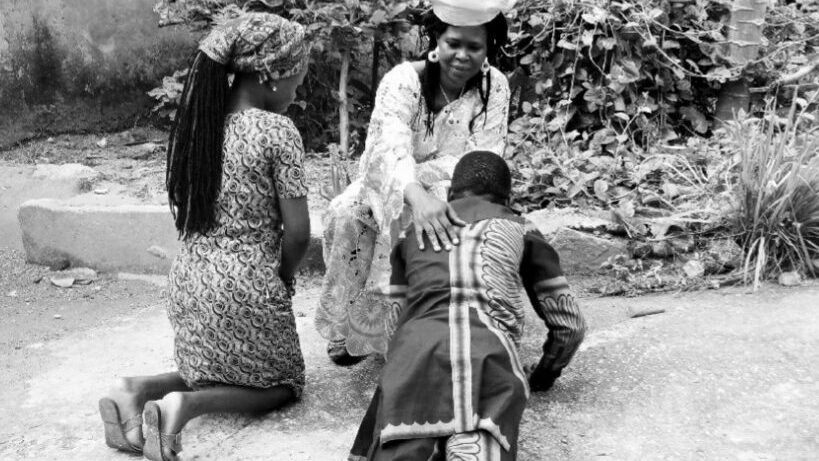
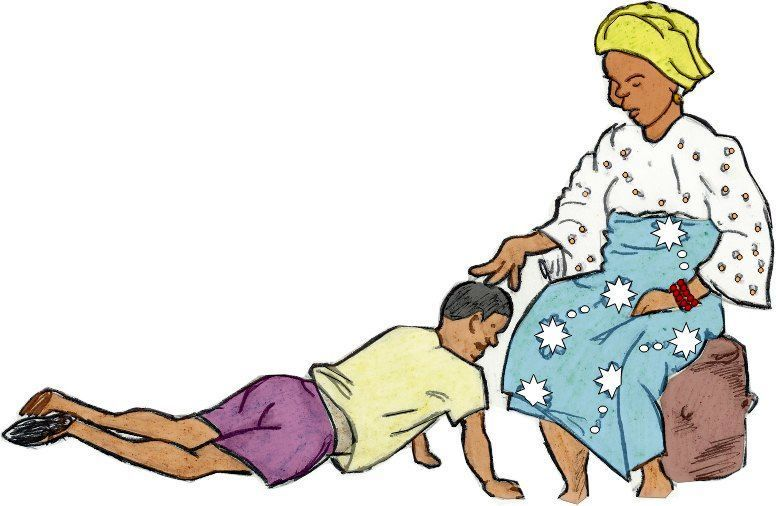
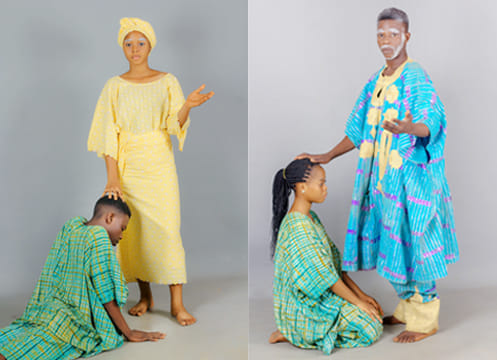
You don’t have to be from the Yoruba tribe to know the importance they place on greetings. From an early age, every Yoruba child is drilled in the art of greeting. The females are expected to have their knees on the ground and the males are expected to lie, chest flat, on the ground, giving reverence to people with more age and experience — non-negotiable.
This doesn’t stop with the physical act. There is a whole system you must memorise. Ekaaro for morning, ekaasan for afternoon, ekurole for evening time and ekaale for night when you greet the akara seller. It still doesn’t end here.
There are situational greetings. When your mom is busy with chores, there is ane ku iseto the rescue. Your aunt travelled in for a visit? E ku irin ajois there for you. There is a greeting for waking up, for sitting down, for standing, for practically every state of existence. And you are expected to know them all.
You must use einstead of owhen addressing elders, acknowledging their weight and importance. You add titles like egbon, boda, iya, baba.
Your performance of these greetings becomes a clear sheet showing how your parents trained you. Greet well, and your family is praised for raising you right. You are omoluabi. Miss the greeting or do it half-heartedly, and you will hear about it. Your parents will hear about it. The entire family will hear about your lack of home training.
So you learn. And somewhere in the back of your mind, the confusion grows: If this is respect, why does it feel so hollow sometimes?
When Performance Replaces Reality
The hollow feeling comes from watching the system play out. You see it everywhere once you start paying attention. The uncle who demands elaborate greetings at family gatherings but hasn't asked how anyone is actually doing in years. The aunty who insists you kneel properly while she gossips about your mother in the next breath.
The greeting has become the goal. As long as you perform it correctly, what happens after barely registers. Parents invest more energy in ensuring you greeted than in whether you were kind. "Did you greet aunty?" becomes more important than "Did you help aunty carry her bags?" The performance earns you the label of omoluabi.
The math stops making sense. If respect is genuinely embedded in these greetings, why can you kneel for someone and still disrespect them? Why can you use all the right honorifics while tearing someone down?
What Yoruba Culture Knows But Won't Say
Deep down, everyone recognises that bended knees don't always mean respect. There are proverbs that hint at it — "Enu laa fi se otito, okan laa fi mo" (We speak truth with the mouth, but the heart knows). They see the performance and know the difference.
But publicly? The system must be maintained. Question it, and you are too Westernized. You don't value your culture. You are part of the generation that has lost respect for elders. The accusation shuts down the conversation before it begins.
Culture
Read Between the Lines of African Society
Your Gateway to Africa's Untold Cultural Narratives.
The fear is understandable. If we admit that greetings alone don't equal respect, what happens to the structure that has held communities together? If the visible markers don't guarantee the internal reality, how do we measure respect at all? It is easier to enforce the performance than to interrogate whether it still carries meaning.
The Questions We're Finally Asking
This is where the younger generation comes in, asking the questions that everyone shies away from. Not because they want to disrespect elders or abandon culture, but because they have watched the performance their entire lives and they are tired of pretending.
They are asking: Why do I have to prostrate for someone who doesn't respect my boundaries? Why is the greeting more important than how they treat me? Why is respect only flowing one direction? These are not Western questions, they are human ones.
What this generation wants is to preserve what is meaningful while being honest about what has become shallow. They want elders who model the respect they demand. They want greeting culture to exist alongside actual care, not as a replacement for it.
Where Do We Go From Here?
The answer is not to abandon Yoruba greeting culture. But perhaps it is time to admit what everyone already knows that the greeting is the beginning of respect, not the entirety of it.

Real respect looks like kneeling when you greet and calling during the week. Using honorifics and also honouring boundaries. Teaching children the greetings and teaching them why those greetings should be backed by genuine care. It is holding everyone accountable for treating each other with dignity beyond the performance.
The question in the title asks if Yoruba culture agrees that bended knees don't always mean respect. The answer is complicated.
Publicly, the culture will insist that greetings are respect. Privately, everyone knows better. And maybe that is exactly the conversation we need to have and not to destroy the tradition, but to save it from becoming a beautiful, meaningless ritual that no one truly believes in anymore.
Because if we are honest, the most respectful thing we can do for the culture is to close the gap between what we perform and what we actually mean.