Brazilians Are More Yoruba Than Nigerians, and That’s Embarrassing
Brazil’s Supreme Court honours Ṣàngó while Yoruba heritage faces rejection at home. How colonialism, religious intolerance and cultural shame made Nigerians abandon their roots.
On November 17, Brazil’s Supreme Federal Court unveiled the Ọ̀ṣẹ́ Ṣàngó, the Yoruba deity of thunder and justice, as part of its permanent collection in Brasília. In Nigeria, the home of the Yoruba, a witness in court swears on the Bible or the Quran.
Brazil’s highest court honours our symbol of justice. Ours has no place for it.
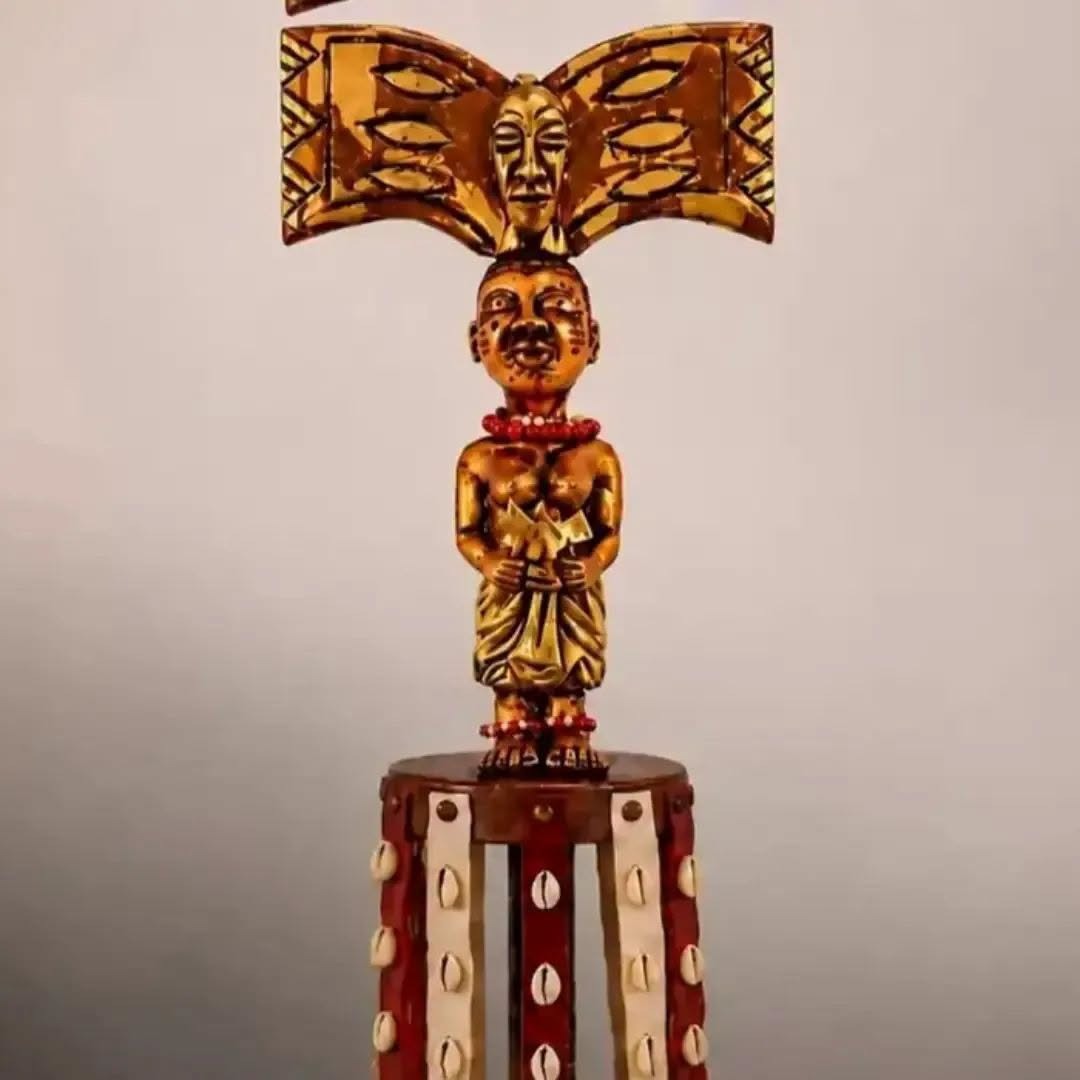
Brazil’s Supreme Court Honours Sango While Nigerian Courts Swear on Other Books
Ṣàngó stands for justice, authority and balance. Brazil’s highest court looked at that and saw heritage worth displaying beside its own institutions.
In Nigerian courtrooms, the truth is sworn on the Bible or the Quran. Both are legitimate faiths. The problem, however, is that Yoruba tradition, with its own philosophy of truth and justice, has no visible place at all.
A Yoruba child who grows up watching that learns exactly where indigenous belief ranks.
Why Brazilians Are More Yoruba Than Nigerians in Practice
The Brazilians arguably hold the Yoruba tradition in high regard compared to Nigeria. This claim is rooted in their practice.
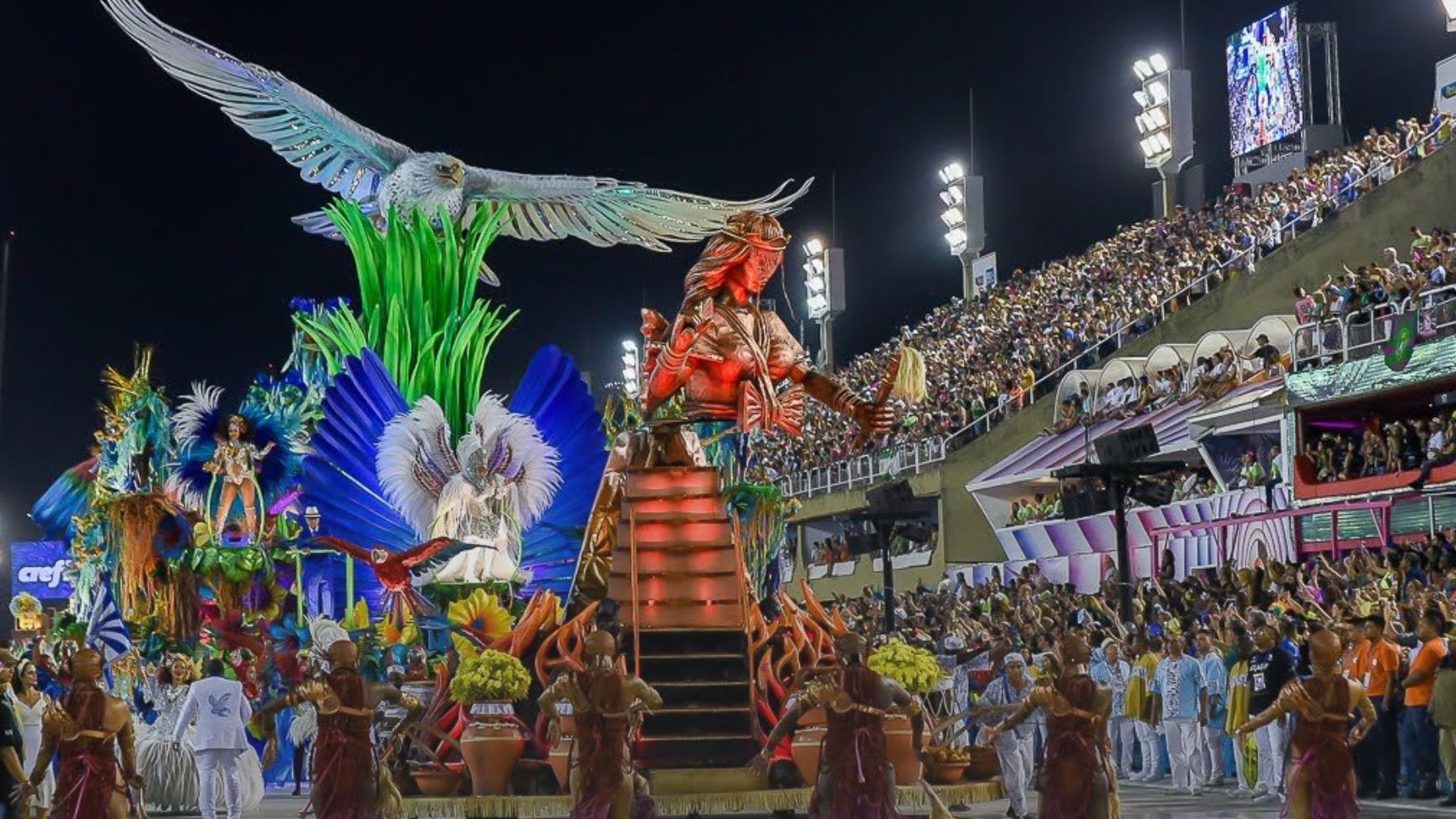
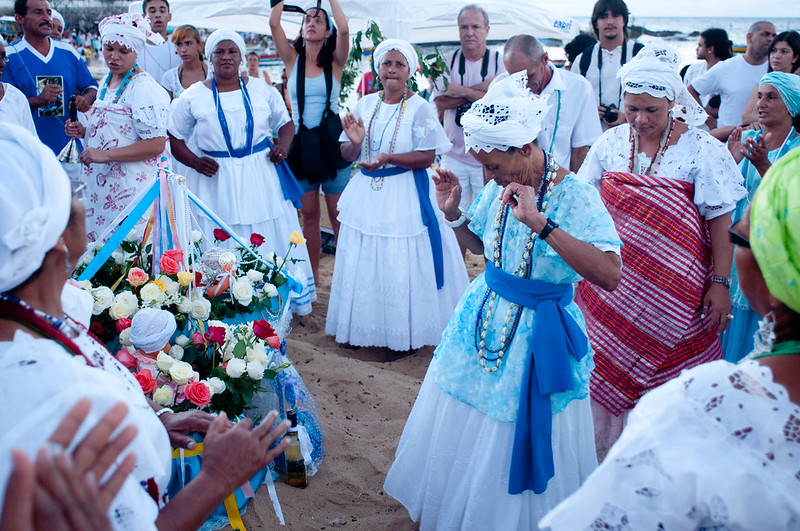
In Salvador, Bahia, Candomblé temples keep the orishas alive, with Yoruba words in ritual and priestesses holding spiritual authority. Every February, crowds carry offerings to the sea for Yemoja.
Acarajé, sold on street corners, is our akara with a Portuguese spelling and a proud Afro-Brazilian identity attached.
Back home, how many young Yoruba people can hold a full conversation in Yoruba? How many parents have swapped Yoruba names for easier ones, and Yoruba at home for English because it sounds more educated?
A child in Bahia may know more about Ṣàngó than a child in Lagos who has never been told who he is.
How Colonialism Made Nigerians Ashamed of Yoruba Culture
Colonialism in Nigeria did tons of damage like we all know. It built a hierarchy of belief.
Missionary schools and colonial administration treated Ifá as superstition, Ṣàngó as paganism and Ọ̀ṣun as demonic, while Christianity and Islam became the markers of a civilised person.

Children were punished for speaking Yoruba and rewarded for speaking English. The British left in 1960. The hierarchy did go with them.
Yoruba Christians and Muslims Now Do the Suppressing
Most Yoruba people today are Christians or Muslims, and many have inherited the colonial verdict and enforced it themselves.
Ancestral tradition is preached as darkness. Traditional worshippers are called idol worshippers. Shrines are treated as threats rather than heritage sites.
Festivals meet hostility from the grandchildren of the people who once ran them.
A Yoruba person can happily post about Halloween or Thanksgiving, then make a sigh of cross at a masquerade.
There is no law even needed for this. Shame from the pulpits, prayer meetings, family pressure already do the work.
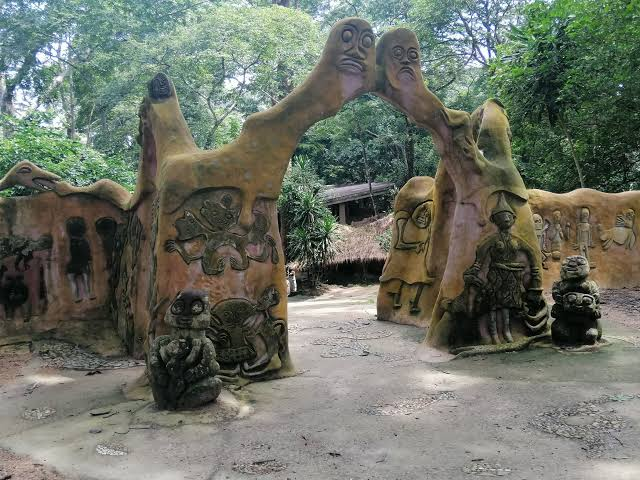
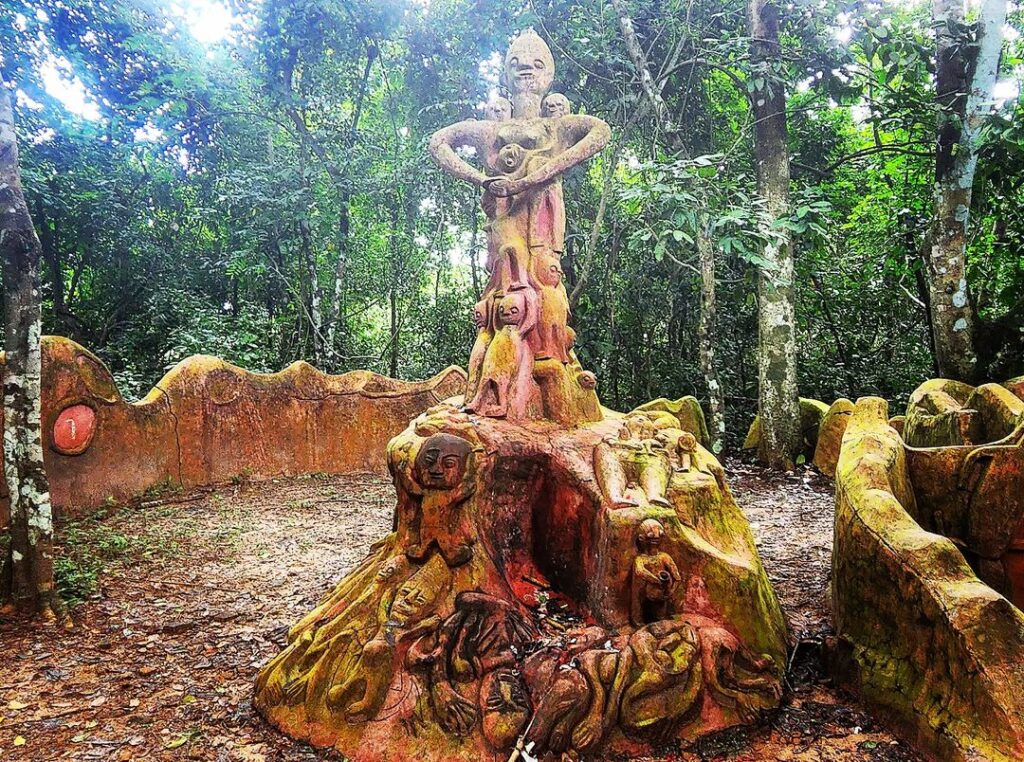
The Osun-Osogbo grove carriesUNESCO recognition, but outsiders applaud our culture while we apologise for it at home.
Brazil’s court did not ask whether Ṣàngó fits a particular doctrine. It saw a symbol of justice and a heritage that shaped the nation, and it acted accordingly.
The Diaspora Kept What Home Is Throwing Away
Enslaved Yoruba peoplewere carried across the Atlantic in chains and still preserved their gods, songs and rhythms, often hiding them behind other names to survive. In Brazil, and in Cuba and the Caribbean too, that stubbornness built living traditions that now earn institutional respect. They protected Yoruba culture under the whip. We are abandoning it in freedom.
What Nigeria Must Do to Reclaim Yoruba Culture
This is not a call to abandon Christianity or Islam. Faith is personal. It is a call to stop treating our own heritage as the enemy of faith.
Start with the basics. Stop equating Yoruba tradition with devil worship, from the pulpit to the dinner table.
Teach Yoruba language, history and philosophy properly in schools, beyond a subject students pass and forget. Protect and fund shrines, festivals, museums and archives as national heritage.
Give Yoruba symbols, names and proverbs a real place in public life, beyond “cultural day” costumes.
Brazil’s Supreme Court has hung a Yoruba symbol of justice on its walls. The real question is whether Yoruba people can stop treating it as a sin.
Brazilians are not stealing our culture. We handed it over through shame. If that does not embarrass us, nothing will.