Ahmadu Bello Could Have Led Nigeria. He Chose the North Instead
At independence, Ahmadu Bello had enough political influence to lead Nigeria but chose to remain in the North instead. His decision shaped the country’s early politics in ways still debated today.
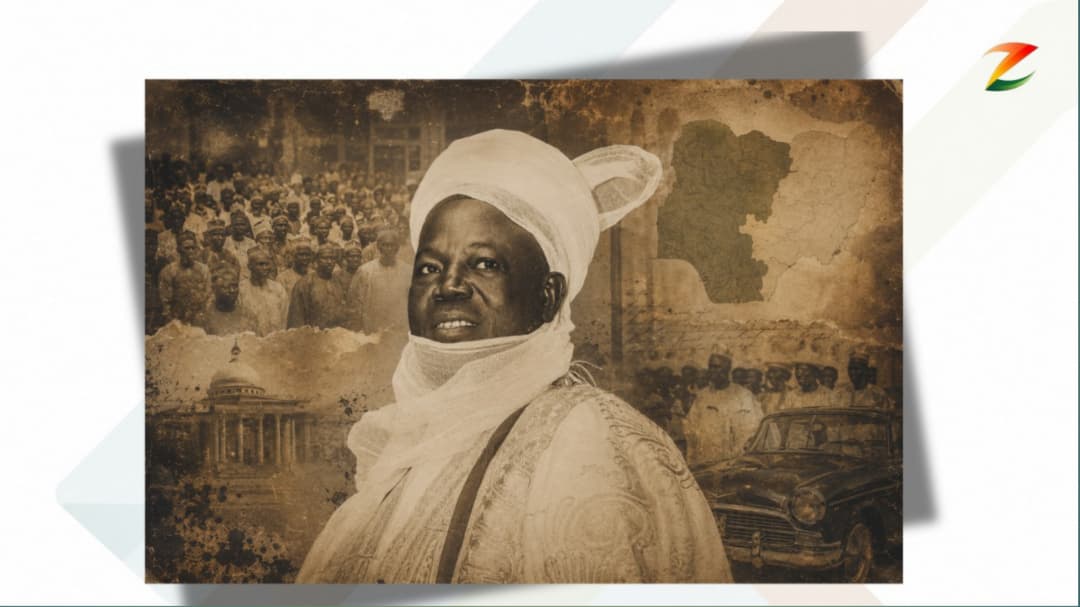
Long before Nigeria became independent, Sir Ahmadu Bello had already become one of the most influential figures in Northern Nigeria.
As theSardauna of Sokoto and leader of the Northern People's Congress (NPC), he commanded enormous respect across the region at a time when the country's future was still being negotiated under British colonial rule.
So when independence arrived in 1960, many people expected him to become Nigeria's first Prime Minister, but he refused.
Instead, Ahmadu Bello remained Premier of Northern Nigeria and allowed his deputy,Abubakar Tafawa Balewa, to take the national position. It was a decision that still shapes conversations about Nigerian politics today.
To understand why Bello made that choice, it helps to understand the kind of leader he was and the kind of country he believed Nigeria was becoming.
The North Was His Priority
Ahmadu Bello's politics were deeply tied to Northern development. While several nationalist leaders focused mainly on anti-colonial campaigns and rapid modernization, Bello concentrated on preparing the North for independence.
At the time, many Northern leaders feared the region was falling behind educationally and politically compared to the South, where Western education had spread earlier and faster.
Bello took those concerns seriously.
He believed the region needed stronger institutions, better educational opportunities, and internal stability before fully competing in national politics. That thinking shaped his leadership style for years.
Under his administration, schools expanded, public institutions grew, and regional administration became more organized. But Bello's approach to modernization remained cautious. He supported development while also protecting traditional authority and Islamic values, which remained deeply important across much of Northern Nigeria.
That balance became central to his political identity.
Why He Turned Down National Leadership
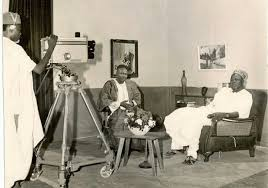
By independence, the NPC had emerged as the country's strongest political force through alliances with other parties. From the outside, it seemed obvious that Ahmadu Bello would move to Lagos and lead the country federally.
But Bello viewed power differently.
History
Rewind the Stories that Made Africa, Africa
A Journey Through Time, Narrated with Insight.
Rather than leave Northern politics entirely, he chose to remain in Kaduna and maintain his influence within the region. Many historians believe he felt the North still needed his direct leadership more than the federal government did.
And in many ways, that decision revealed the political reality ofearly Nigeria's First Republic.
Regional loyalty often carried more weight than national identity. Even after Tafawa Balewa became Prime Minister, many people still saw Ahmadu Bello as the North's most powerful political figure because of the influence he retained at home.
His decision also exposed how fragile Nigeria's unity already was before independence had fully settled.
His Relationship With Nigeria Was Complicated
Ahmadu Bello believed in preserving Nigeria, but he also openly acknowledged its internal divisions.

One of his most famous statements described Nigeria as "the mistake of 1914," referring to the British amalgamation of the Northern and Southern protectorates. The remark reflected the deep suspicions and political tensions already shaping the country at the time.
His rivalry with leaders like Obafemi Awolowo and Nnamdi Azikiwe also reflected those tensions. Debates aroundfederalism, regional autonomy, and political balance regularly divided the First Republic.
Still, Bello remained committed to ensuring the North entered independence from a position of strength rather than fear or uncertainty.
Whether people agreed with him or not, his politics followed a consistent logic.
Death and Legacy
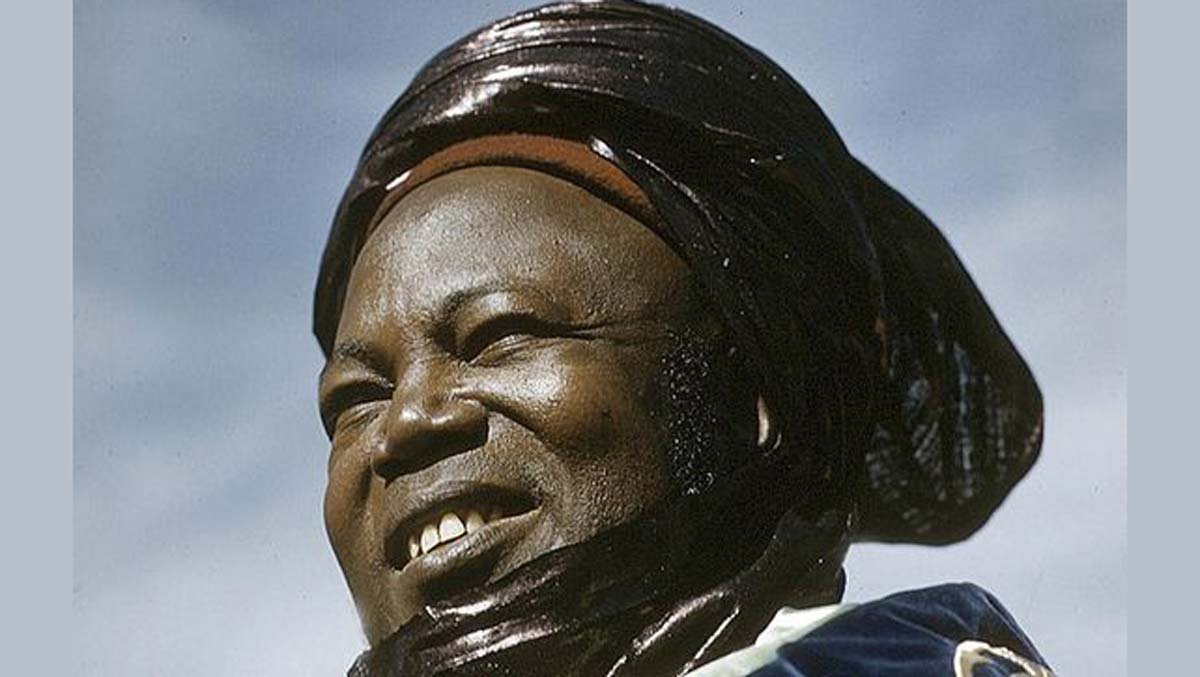
On January 15, 1966, Ahmadu Bello was assassinated duringNigeria's first military coup at his residence in Kaduna.
The news shocked Northern Nigeria deeply. For many people, his death symbolized the collapse of the political order that had shaped the country's early years after independence.
Today, his legacy remains both respected and debated.
Supporters remember him as a disciplined leader who prioritized education, institution-building, and political stability during a fragile period in Nigerian history. Critics argue that his politics strengthened elite control and slowed certain reforms.
But regardless of political opinion, Ahmadu Bello remains one of the most important figures in conversations about Nigeria's foundation.
History
Rewind the Stories that Made Africa, Africa
A Journey Through Time, Narrated with Insight.
His decision to reject national leadership was never just about personal ambition. It reflected the fears, calculations, and regional tensions that shaped Nigeria at independence, many of which still exist today.